
How to Keep Your Margarita Lighter
A “skinny” margarita usually means one made with fewer calories than a sweeter version. The easiest approach is to track each ingredient and decide which parts matter most to you.
Start with what goes into the glass
A margarita typically combines a spirit, citrus juice, something sweet and sometimes an orange-flavoured liqueur. Each part can contribute calories, so log them separately rather than relying on a generic entry that may not match your drink.
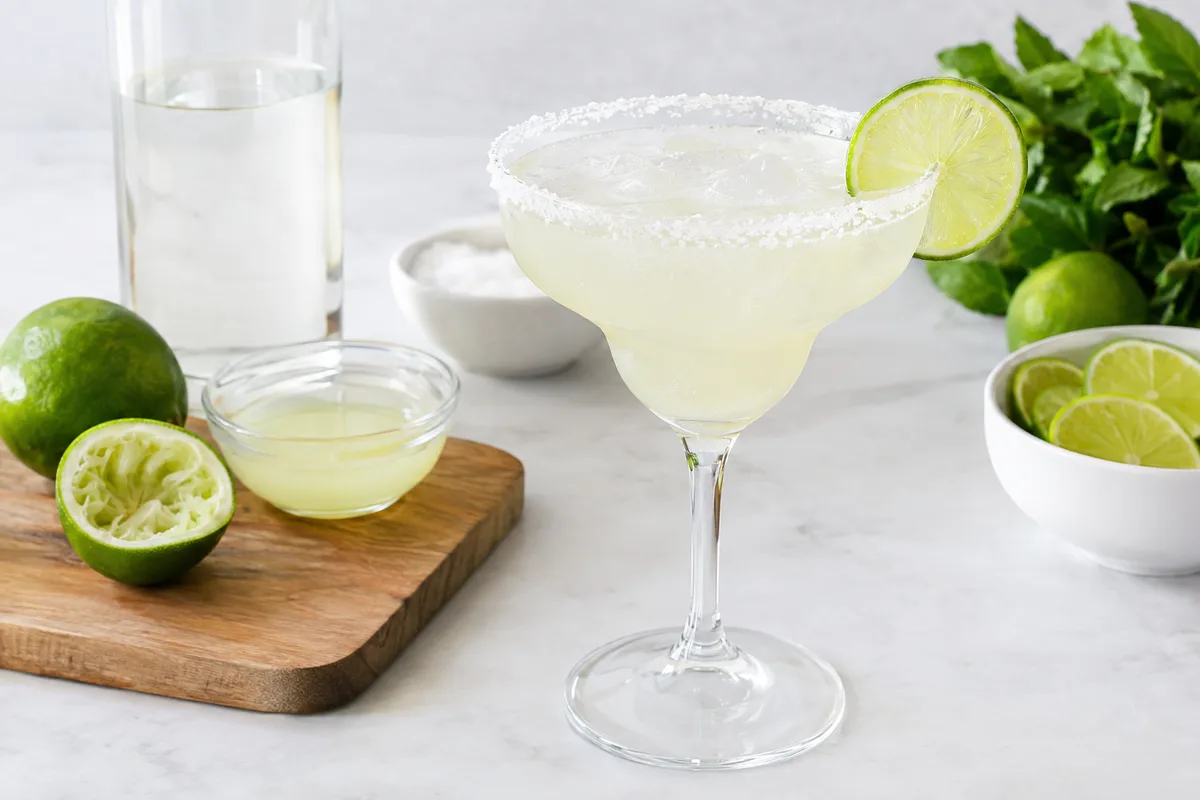
Measure what you pour, including syrups and liqueurs, because free-pouring makes tracking less reliable. The right serving size depends on your preferences and goals, so use the amounts that fit your own plan.
Adjust the sweetness
Sweet mixers, syrups and liqueurs can quickly change the total. Try using less sweetener and letting fresh lime juice, ice and a salt rim provide more of the drink’s character.
Make one small adjustment at a time and taste before adding more. This helps you avoid an overly sharp drink while keeping the quantities easy to record.
Choose simple mixers
Ready-made mixes can contain several ingredients that are harder to estimate unless the label gives clear information. Building the drink from measured components gives you more control over both flavour and tracking.
If you want a longer drink, use ice or plain sparkling water rather than adding more sweet mixer. This changes the volume and intensity, but it does not remove the calories from the alcohol already included.
Track the whole occasion
Count refills, rim ingredients and any extra syrup added after tasting. Saving a custom recipe in your tracker can make repeat servings easier to log consistently.
A lighter recipe is still an alcoholic drink, so pace it and alternate with water if that suits you. The final calorie total depends on the ingredients and amounts you choose, not simply on whether the drink is labelled “skinny”.