
BHA and BHT keep foods fresh, but are they safe?
BHA and BHT are antioxidants that help slow the changes caused when fats meet oxygen. Their safety depends on how much is consumed, so permitted uses and amounts are controlled by food regulators.
What BHA and BHT do
BHA and BHT are preservatives used mainly in foods containing fats and oils. They slow oxidation, a natural process that can change a food’s flavour, smell and colour over time.
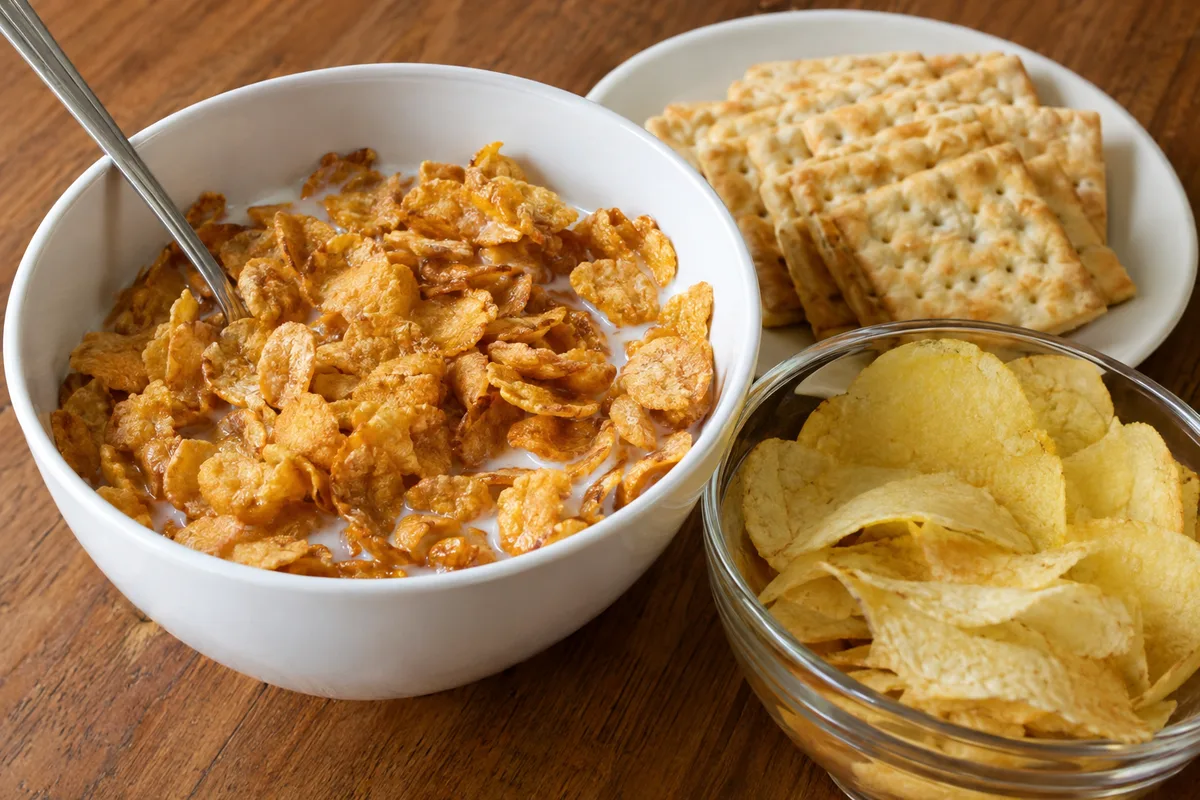
In this context, an antioxidant protects the food rather than adding a particular nutritional benefit. These ingredients can help a product stay acceptable for longer, but they do not make it nutritionally better or replace correct storage.
Why safety can sound confusing
Safety discussions often mix up the effect of a large experimental amount with the amount someone might eat in ordinary foods. Those are different questions, and findings need to be considered alongside the dose, the type of evidence and how exposure compares with permitted use.

Food authorities review available evidence and set conditions for where BHA and BHT may be used and at what levels. Assessments can be updated when stronger evidence or better information about typical intake becomes available.
What your food log can tell you
A calorie or food diary will not usually show the exact amount of BHA or BHT you consumed. Ingredient lists can show whether they are present, although the quantity often depends on the product and serving size.
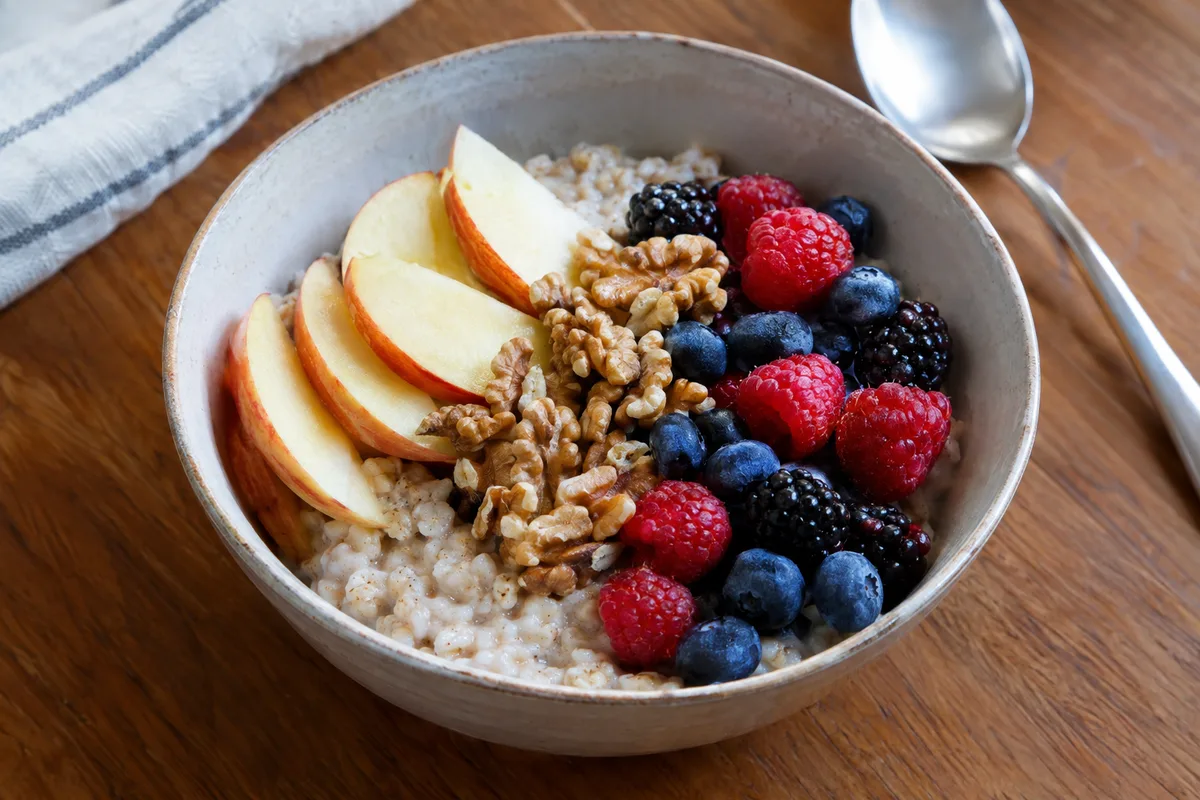
If you want to monitor them, note the packaged foods that list BHA, BHT or their full names: butylated hydroxyanisole and butylated hydroxytoluene. Looking across several days is more useful than treating one item as a complete picture of your usual intake.
A practical way to respond
There is no need to label every food containing these preservatives as good or bad. Consider how often it appears in your routine, what else the food contributes and whether a similar option uses a different preservation method.
You can reduce reliance on any single additive by varying the foods and brands you record and by including more foods with short ingredient lists when that suits you. Keep the focus on your overall eating pattern, because an additive is only one small part of what a food provides.