
How to Build a Breakfast Under 500 Calories
A breakfast under 500 calories can take many forms, from porridge and fruit to eggs on toast. This guide explains how to combine foods, check portions and make simple changes while keeping the meal enjoyable.
Start with the breakfast you actually enjoy
There is no single ideal breakfast, and staying under 500 calories does not require a special menu. Begin with a style of meal you already like, then enter the ingredients in your tracker before eating. This lets you adjust the meal while it is still easy to change.
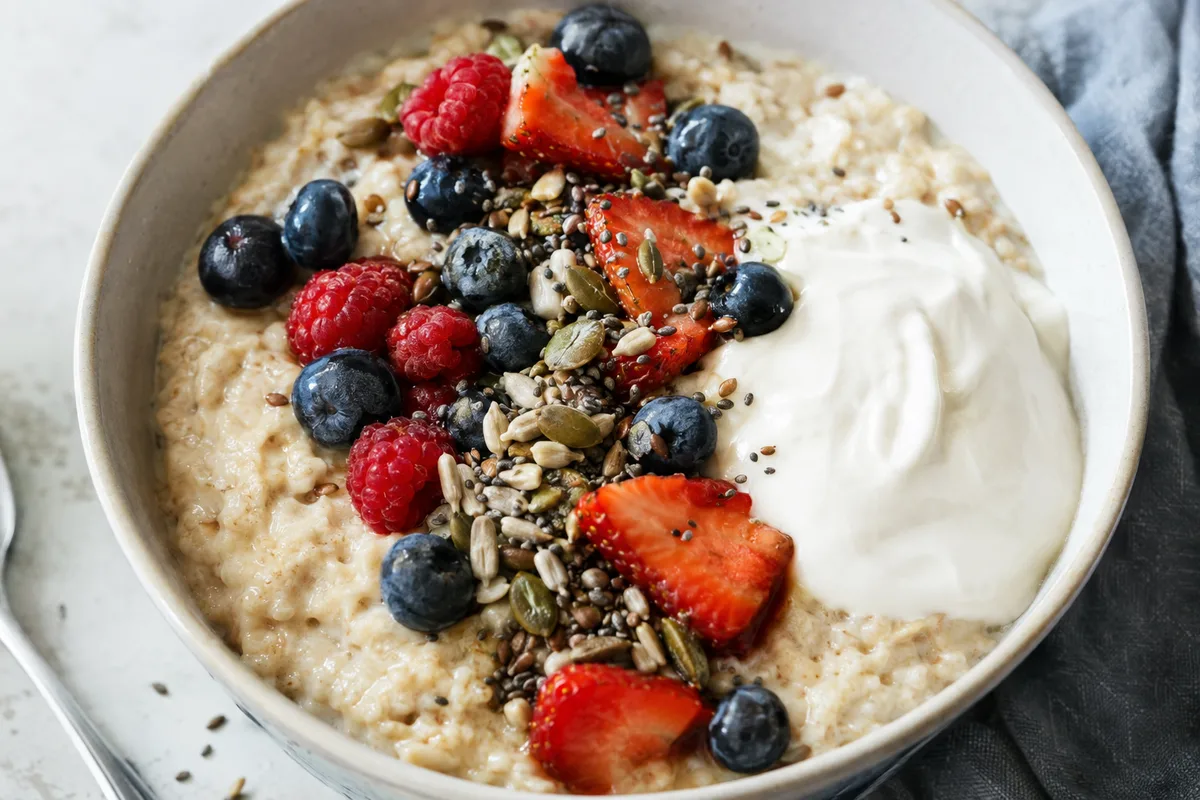
The right breakfast size depends on your appetite, routine and overall daily target. A smaller breakfast may suit someone who prefers a larger lunch, while another person may want more of their daily intake in the morning. Treat 500 calories as a planning limit for this meal, not a rule that everyone needs to follow.
Think of breakfast as a combination of a main food, a source of protein and something that adds fruit or vegetables. Extras such as spreads, oils, syrups and large drinks also need to be logged. Once everything is visible in your tracker, you can decide which parts matter most to you.
- Porridge with milk, fruit and a measured topping
- Eggs with toast and tomatoes or mushrooms
- Yoghurt with fruit, oats and seeds
- A filled breakfast wrap with eggs and vegetables
- Toast with a protein-rich topping and fruit on the side
Use protein and fibre to give the meal structure
Protein and fibre can make a modest breakfast feel more substantial. Protein provides about 4 kcal per gram, as does carbohydrate, while fat provides about 9 kcal per gram. This helps explain why small amounts of oily or creamy ingredients can change the total quickly.
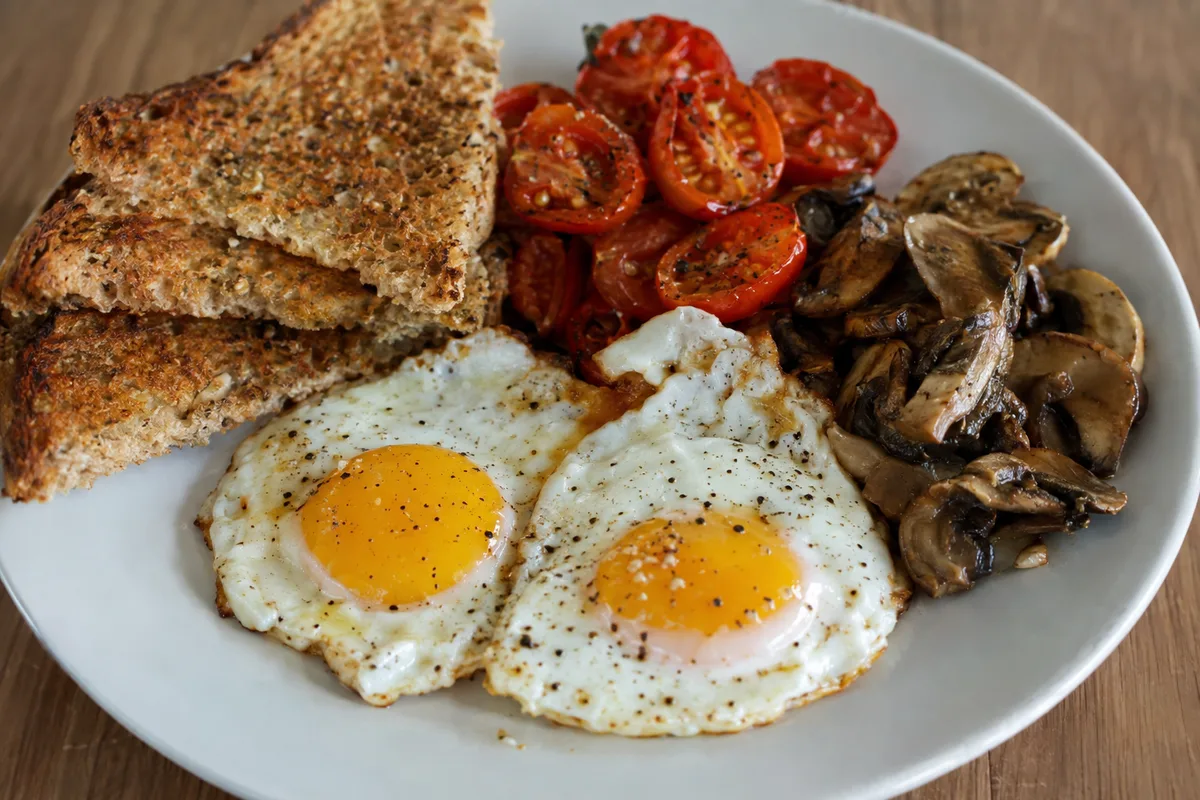
Useful protein choices include eggs, yoghurt, cottage cheese, milk, beans and tofu. Fibre can come from oats, wholegrain bread, fruit, vegetables, beans, nuts and seeds. You do not need every option at once; one clear protein source and one or two fibre-rich foods are a practical starting point.
Nuts and seeds contribute useful texture and flavour, but their energy adds up in a small volume. Measure them rather than pouring straight from the packet if staying below the limit is important. The same approach works for nut butter, cheese and other rich toppings.
- Pair oats with yoghurt or milk and fresh fruit
- Serve eggs or tofu with vegetables and wholegrain toast
- Top toast with cottage cheese and sliced fruit
- Add beans and tomatoes to an egg-based breakfast
- Use a measured spoonful of nuts or seeds for crunch
Watch the ingredients that are easy to miss
A breakfast can look simple while containing several additions that affect the final total. Oil used in the pan, butter on toast and honey stirred into yoghurt all count, even when the amount seems small. Logging each ingredient gives a more useful picture than recording only the name of the finished dish.
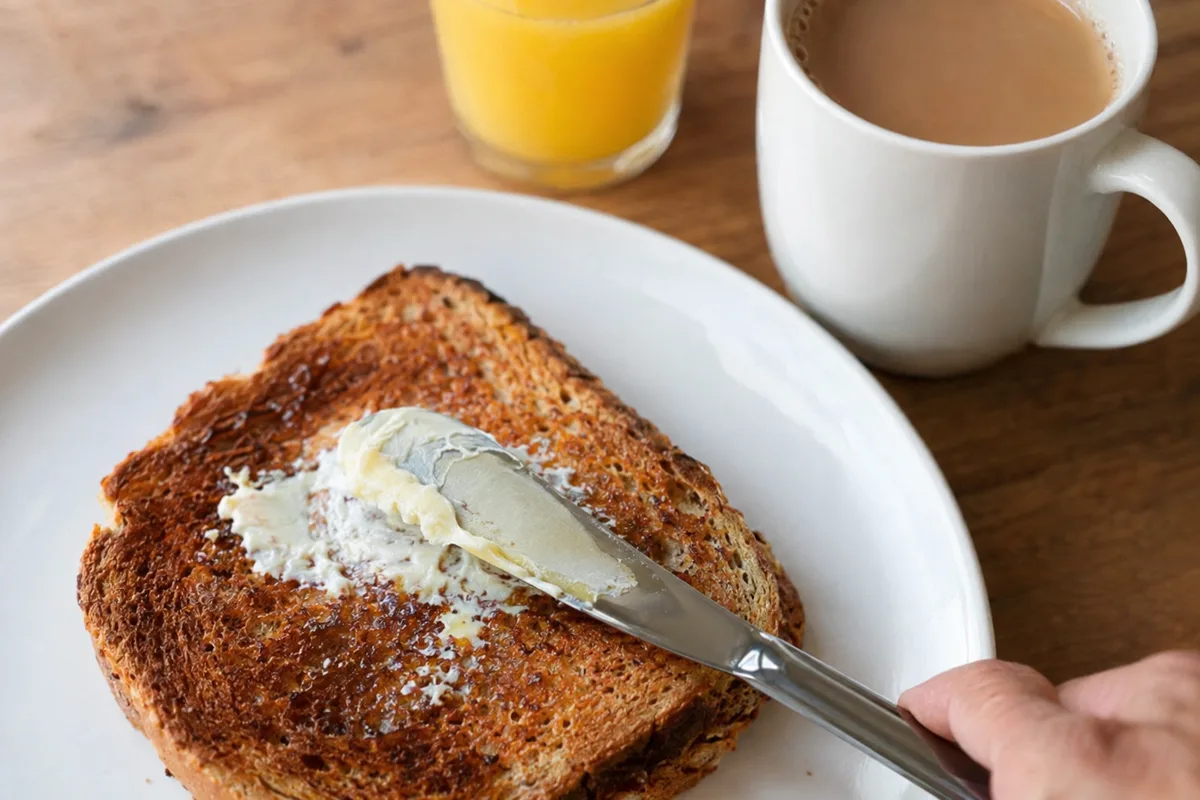
Drinks can also be part of breakfast rather than separate from it. Milk, sugar, syrups and cream added to tea or coffee should be included, as should juice and smoothies. Water, plain tea or plain coffee leave more room for food if that is your preference.
Recipes and café portions vary, so a generic tracker entry may not match what you had. When cooking, enter the ingredients and the number of portions the recipe makes. For packaged foods, use the serving information on the label and change the logged amount to match your portion.
- Cooking oil, butter and spreads
- Sugar, honey and syrups
- Milk or cream in hot drinks
- Juice and blended drinks
- Toppings such as granola, dried fruit, cheese and nut butter
Build familiar breakfasts in layers
Planning in layers makes it easier to see where your calories are going. Start with the part that defines the meal, such as oats, bread, eggs or yoghurt. Add protein, fruit or vegetables next, then decide whether there is room for a richer topping.
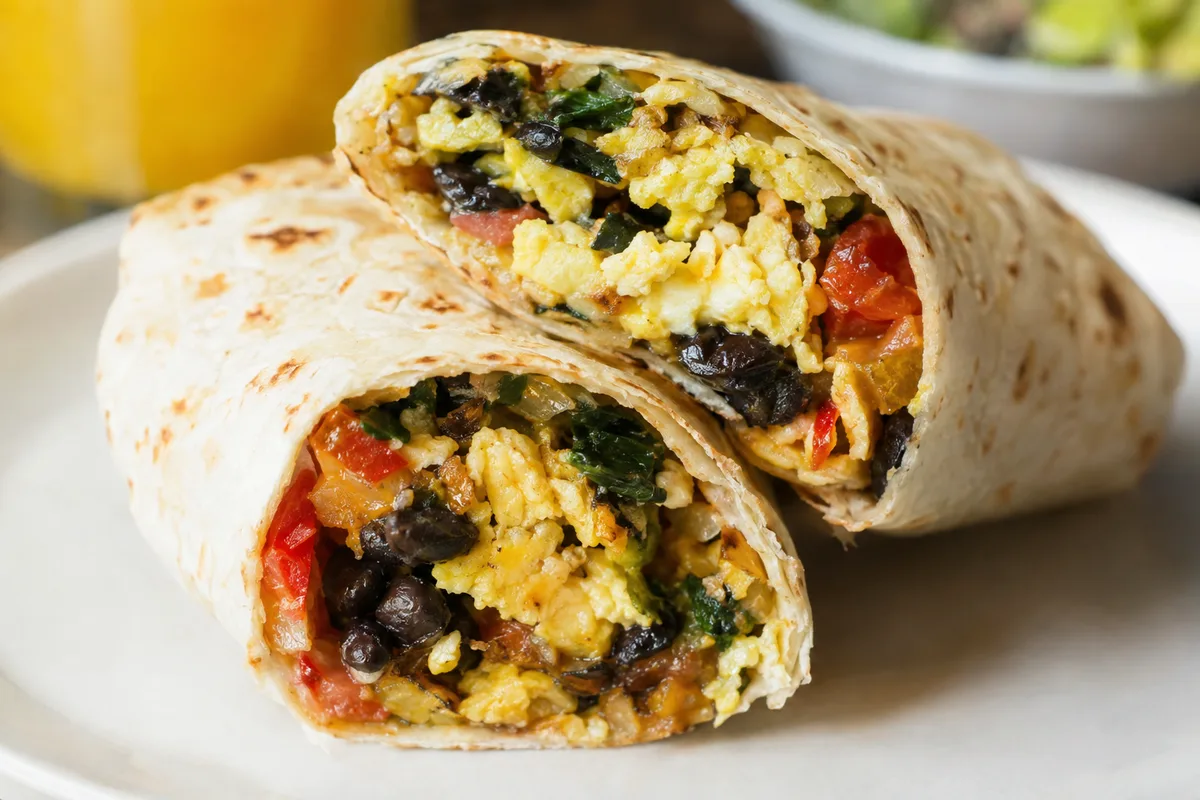
For porridge, log the dry oats, the liquid and every topping separately. For toast, record the number and type of slices as well as the spread and filling. For a cooked breakfast, include oil and sauces alongside the foods on the plate.
Check the total after building the first version. If it is below 500 calories and looks satisfying, save it as a repeatable meal in your tracker. If it is over, change one ingredient at a time so you can keep the parts you value most.
- Porridge base, milk or yoghurt, fruit, then a measured topping
- Toast, eggs or cottage cheese, then tomatoes or fruit
- Yoghurt, oats, berries, then nuts or seeds
- Breakfast wrap, protein filling, vegetables, then sauce
- Beans, toast, vegetables, then an egg if it fits your plan
Make small swaps instead of shrinking everything
When a breakfast is above your target, you do not have to remove several foods at once. Look first for an ingredient that adds plenty of energy but little volume, such as a generous pour of oil or a thick layer of spread. Measuring or reducing that one addition may be enough.
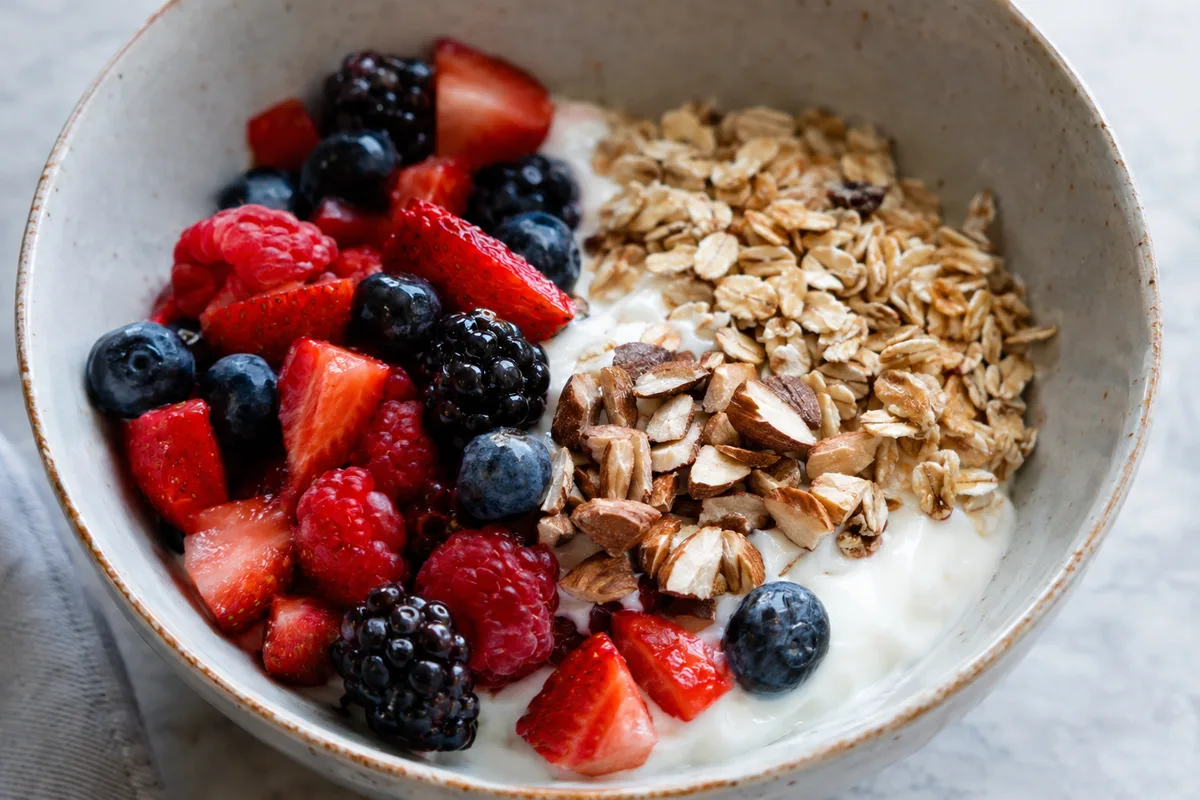
Another option is to exchange part of a rich topping for fruit or vegetables. Fresh berries can add volume to yoghurt, while tomatoes or mushrooms can make eggs on toast feel like a fuller plate. Choose swaps that still leave the meal tasting like the breakfast you wanted.
Avoid assuming that foods described as light, natural or healthy will automatically fit the limit. Portion size and the full ingredient list still matter. Compare options in your tracker using the amount you will actually eat, rather than the serving you think you should have.
- Measure oil instead of pouring it freely
- Use less spread and add sliced fruit or tomatoes
- Replace part of a large granola portion with fresh fruit
- Choose one rich topping rather than stacking several
- Serve sauce on the side and log the amount used
Review how the breakfast works for you
A tracked total is useful, but it is not the only information to notice. Pay attention to whether the breakfast feels satisfying, whether it suits your morning and when you next feel ready to eat. These details can help you improve the meal without chasing the lowest possible number.
If you are hungry soon afterwards, review the balance rather than simply making the breakfast bigger. It may need a clearer protein source, more fibre-rich food or a different split between food and calorific drinks. Any added ingredients still need to keep the final total below your chosen limit.
Save breakfasts that work well and note the portions you used. Having a few reliable combinations reduces repeated searching and calculation on busy mornings. Your preferred amounts may change, so update saved meals when the recipe or portion changes.
- Check that every ingredient and drink was recorded
- Notice whether the meal suited your appetite and schedule
- Save useful combinations with their actual portions
- Adjust one element before changing the whole meal
- Recheck saved entries when brands or recipes change