
Five lower-calorie cheeses that are easy to track
Cheese can fit into a lower-calorie eating pattern when you choose the type and portion with care. These five options provide flavour and protein while being straightforward to record in a nutrition tracker.
What makes a cheese lower in calories?
The calorie content of cheese is influenced mainly by its fat and water content. Fat provides about 9 kcal per gram, while protein and carbohydrate each provide about 4 kcal per gram. Cheeses with more water or less fat therefore tend to contain fewer calories for the same weight.
There is no single calorie figure that applies to every cheese in a category. Recipes, fat levels and added ingredients vary, so compare the nutrition panel on the pack you are using. In your tracker, select the closest matching product and enter the amount you actually eat rather than relying on a general serving.
How you measure cheese matters because grated, crumbled and spooned portions can look larger or smaller than expected. Logging by weight is usually more consistent than choosing entries such as one slice or one spoonful. If you cannot weigh it, use the serving information on the pack and keep your estimate realistic.
- Check whether the nutrition panel gives values per 100g, per serving or both
- Match full-fat, reduced-fat and flavoured versions correctly
- Include oils, dressings and other extras separately in your tracker
Cottage cheese
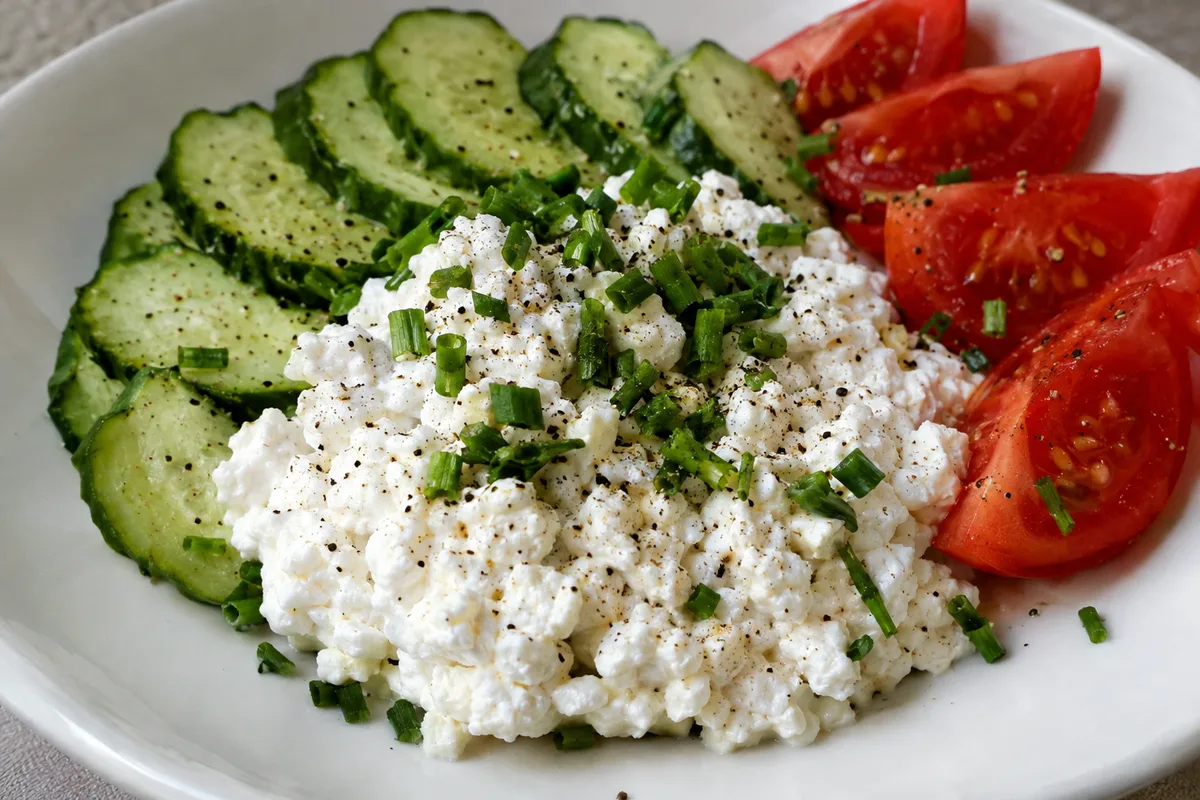
Cottage cheese is a fresh, moist cheese made from soft curds. Its high water content means it is generally less energy-dense than firm cheeses, although the exact amount depends on the fat level. It also provides protein, which can help make a meal feel more substantial.
Choose a plain version if you want the simplest tracker entry. Spoon the portion into your dish, record the weight and check whether any liquid has been drained away. Flavoured varieties may contain extra ingredients, so use their own label rather than a generic cottage cheese entry.
- Spoon onto a baked potato with chopped chives
- Serve with cucumber, tomatoes and black pepper
- Add to scrambled eggs near the end of cooking
Quark
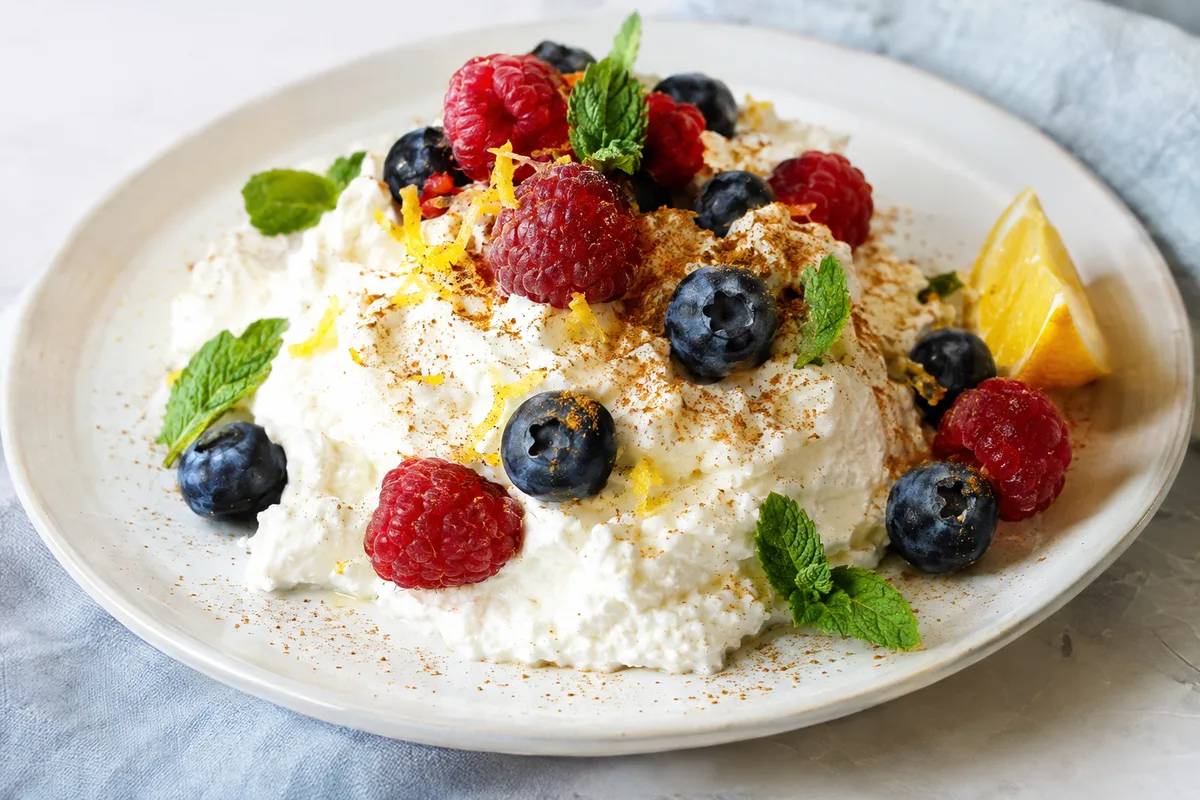
Quark is a smooth fresh cheese with a mild, slightly tangy taste. Plain lower-fat versions can be a useful lighter alternative to richer soft cheeses, but products vary considerably. Some flavoured pots contain added sugar or other ingredients, so the label remains the best guide.
Its soft texture makes it easy to stir into meals without needing a large amount of added oil. When tracking, log quark separately from yoghurt because their nutrition values may not be the same. If you mix it into a sauce, record the full amount used and divide it between the portions served.
- Stir into herbs and lemon juice for a dip
- Spoon over fruit with cinnamon
- Fold through a warm pasta sauce after removing it from the heat
Reduced-fat mozzarella
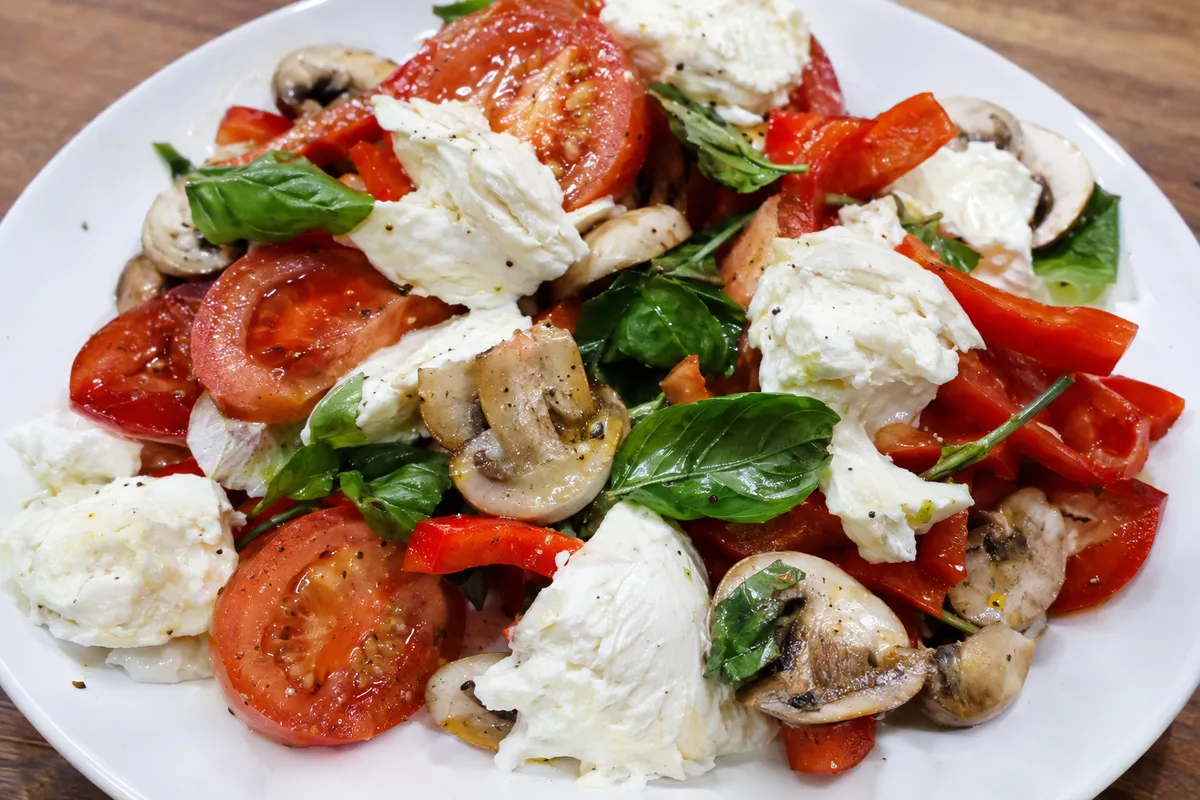
Mozzarella contains plenty of moisture and is usually less energy-dense than many hard cheeses. A reduced-fat version may lower the calorie content further, although texture and flavour differ between products. Fresh mozzarella packed in liquid and firmer mozzarella made for cooking should be logged as separate foods.
Drain fresh mozzarella before measuring the part you plan to eat. For grated mozzarella, avoid judging the portion only by how widely it covers a dish because loose shreds can be deceptive. Record the cheese as well as the pizza base, sauce, oil and toppings.
- Tear over sliced tomatoes and basil
- Add to a vegetable-topped flatbread
- Melt into a mushroom and pepper omelette
Ricotta
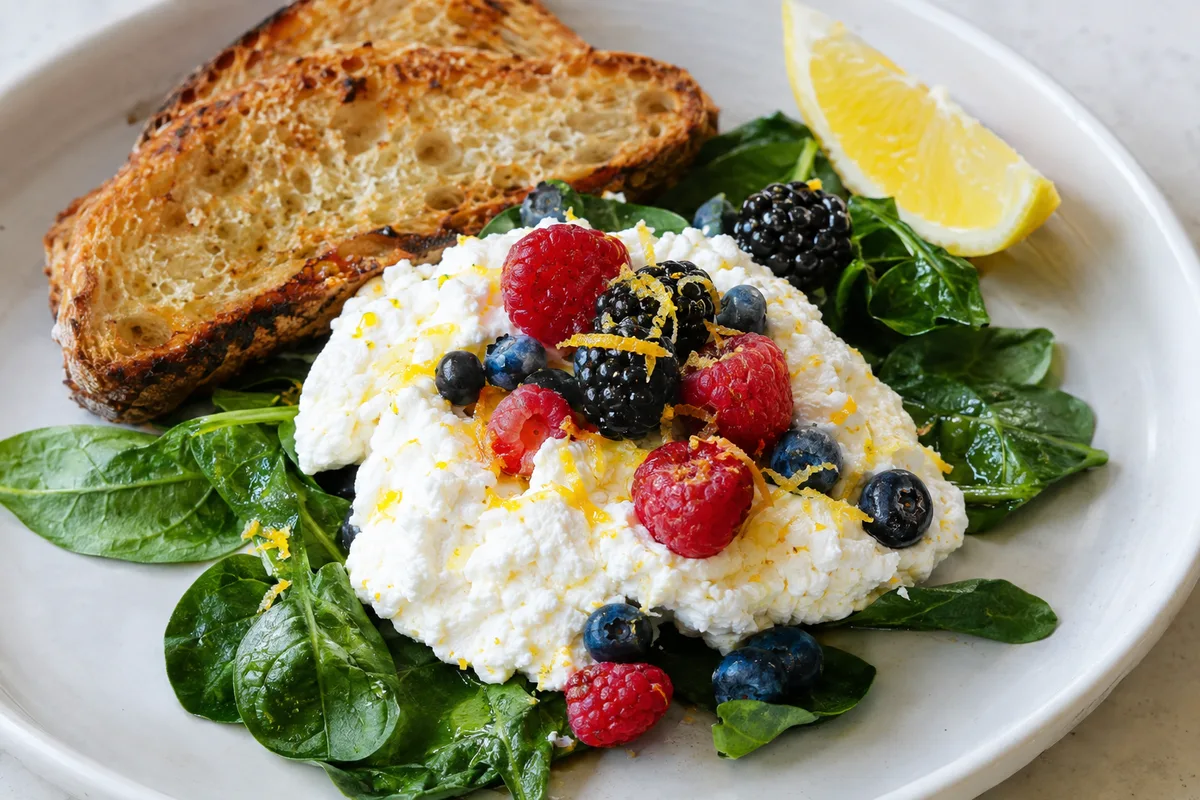
Ricotta is a soft, mild cheese with a light texture and noticeable moisture. It can be lower in calories by weight than dense, mature cheeses, though whole-milk and reduced-fat versions differ. Its gentle flavour works in both savoury meals and fruit-based snacks.
Because ricotta is usually spooned, it is easy to enter a vague measure in a tracker. Use the pack's serving information or weigh the portion before spreading or mixing it. If it is used in a shared recipe, log the total ricotta and divide the finished dish by the number of portions.
- Spread on toast with sliced tomato
- Mix with spinach as a pasta filling
- Spoon alongside berries and grated lemon zest
Feta
Feta is a brined cheese with a salty, tangy flavour. It is not always the lowest-calorie cheese by weight, but its strong taste can make a modest portion noticeable across a whole dish. Reduced-fat versions are available, and their nutrition values should be checked separately from standard feta.
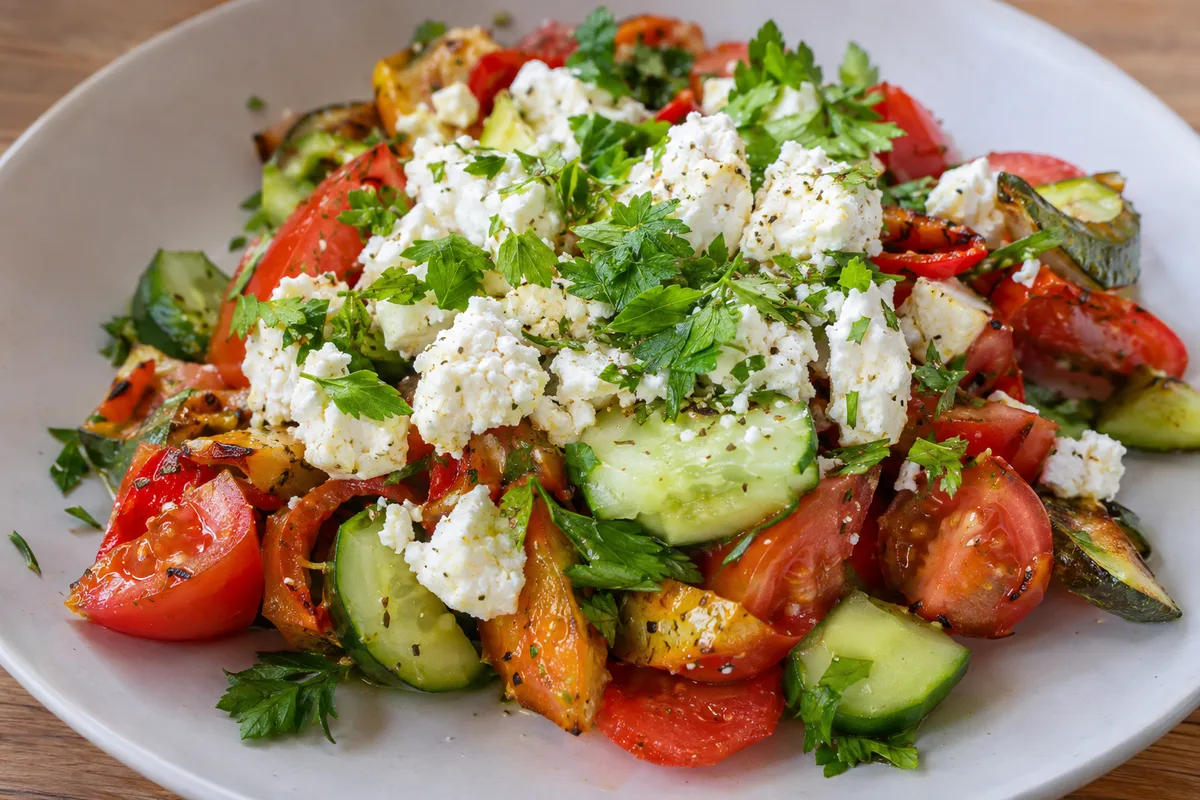
Crumbling feta creates wide coverage, which can help distribute flavour through salads, grains or roasted vegetables. Track the amount of cheese rather than the brine, and record any oil-based dressing separately. If salt intake matters to your personal eating goals, compare labels because feta products can vary.
- Crumble over a tomato and cucumber salad
- Scatter onto roasted peppers and courgettes
- Mix into lentils with parsley and lemon juice