
Five fruits that can make weight-loss meals easier
No fruit causes weight loss on its own, but some are especially useful for adding fibre, water and sweetness to meals. Here are five practical choices and simple ways to include them in your food log.
What makes a fruit useful for weight loss?
Weight loss depends on your overall food intake over time, rather than one special ingredient. Fruit can help because it adds sweetness, fibre and volume to meals and snacks. The exact amount that fits your plan depends on your appetite, activity and calorie target.
Whole fruit is usually more filling than juice because it keeps its natural fibre and requires chewing. It is still worth logging, as fruit contributes calories and larger portions can add up. When comparing options, think about how satisfying the fruit is and what you usually eat with it.
- Choose fruit that you genuinely enjoy and will use before it spoils
- Log the portion you actually eat rather than relying on a standard serving
- Pair fruit with a source of protein or fat when you need a more substantial snack
- Remember that fresh, frozen and tinned fruit can all fit your plan
1. Berries
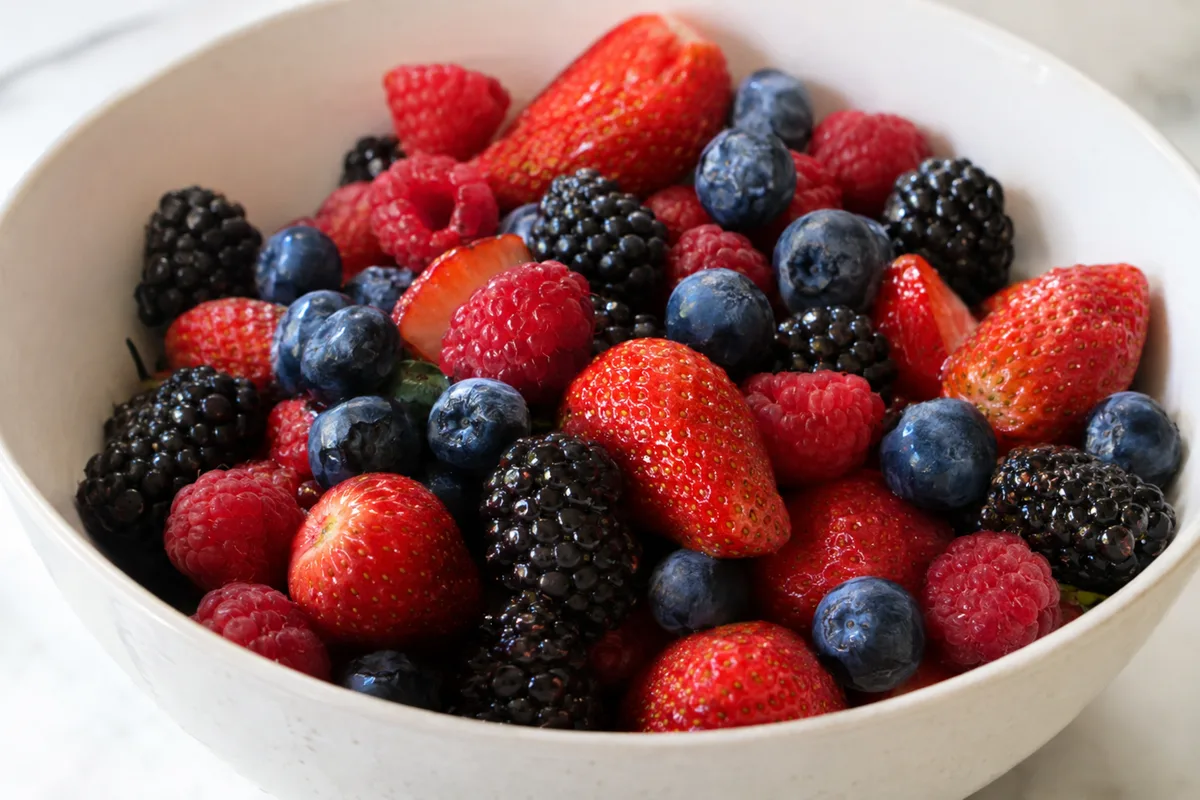
Strawberries, raspberries, blackberries and blueberries provide plenty of colour and flavour. Their mix of water and fibre can make a bowl look generous without needing lots of extra ingredients. Frozen berries are also useful because you can take out only the amount you intend to log.
Add berries to plain yoghurt, porridge or a bowl of mixed fruit. They can also replace some of the syrup, sugar or sweet toppings you might otherwise add. Check the label on frozen or tinned versions, as sauces and added sugar change what needs to be tracked.
2. Apples
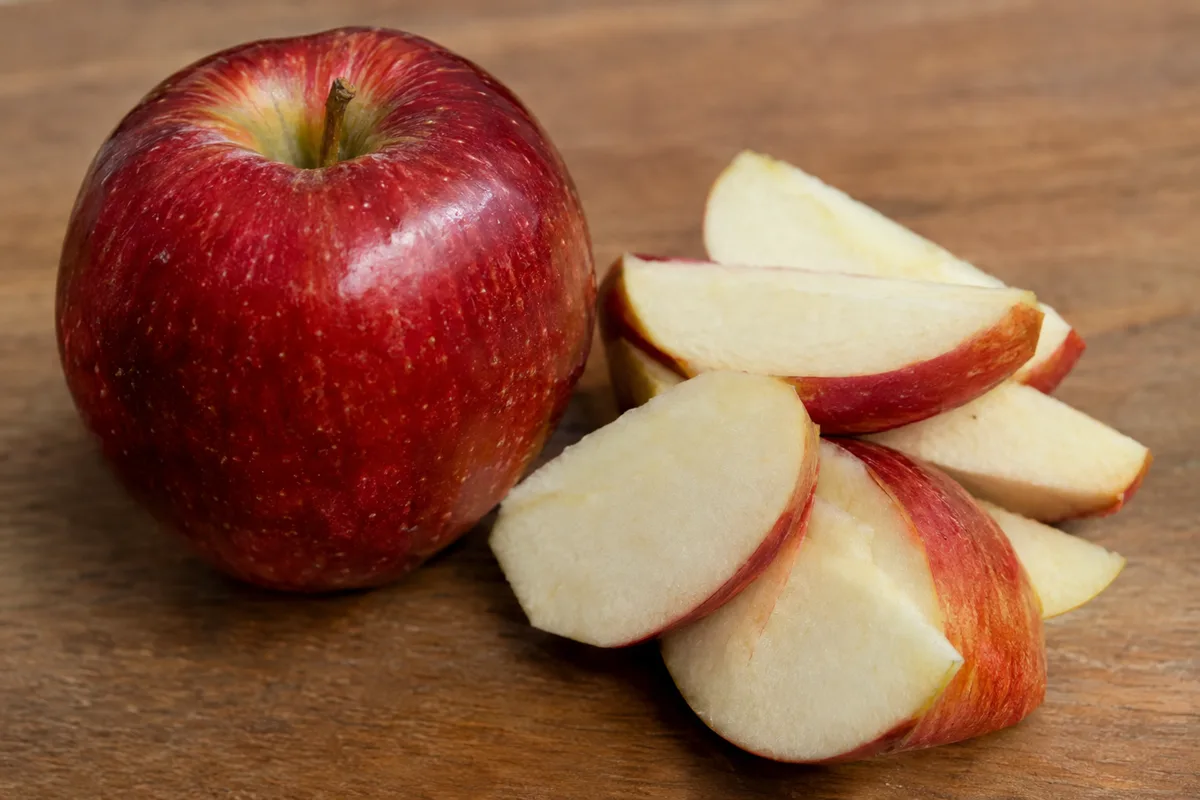
Apples are portable, widely available and easy to record as part of a snack. Eating the skin keeps more of the fruit's fibre, provided you enjoy it and wash the apple first. Their crisp texture and chewing time may also make the snack feel more substantial than drinking fruit juice.
An apple can be eaten alone, sliced into yoghurt or chopped into porridge. If a plain apple does not keep you satisfied, pair it with a food containing protein or fat and log both parts. Baked apple can work as a warm dessert, but remember to include any toppings or added sweeteners.
3. Oranges
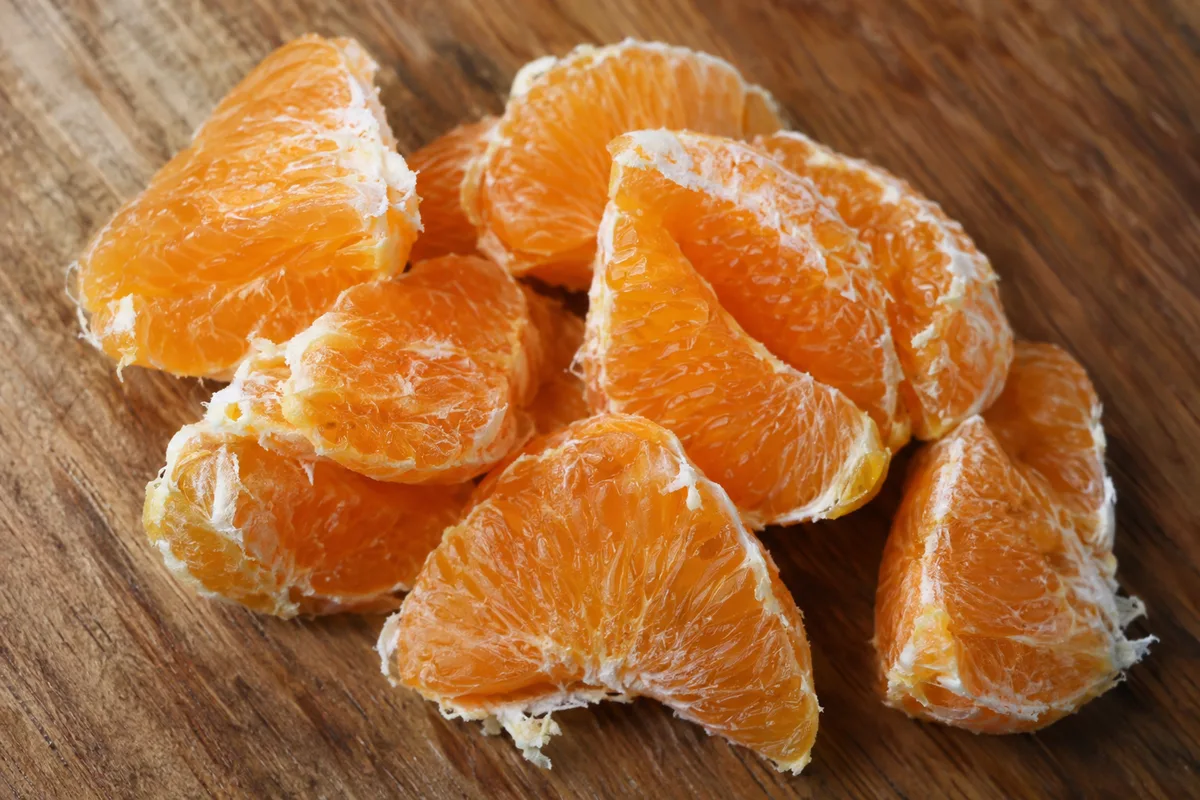
Oranges contain plenty of water and come in their own easy-to-carry peel. Separating the fruit into segments naturally slows the pace of eating. A whole orange also retains fibre that is largely lost when the fruit is squeezed into juice.
Use orange segments in a fruit bowl, add them to a leafy salad or eat them after a meal. If you prefer mandarins or similar citrus fruits, they can serve the same practical purpose. Track how many you eat, since small fruits can be easy to consume one after another.
4. Pears
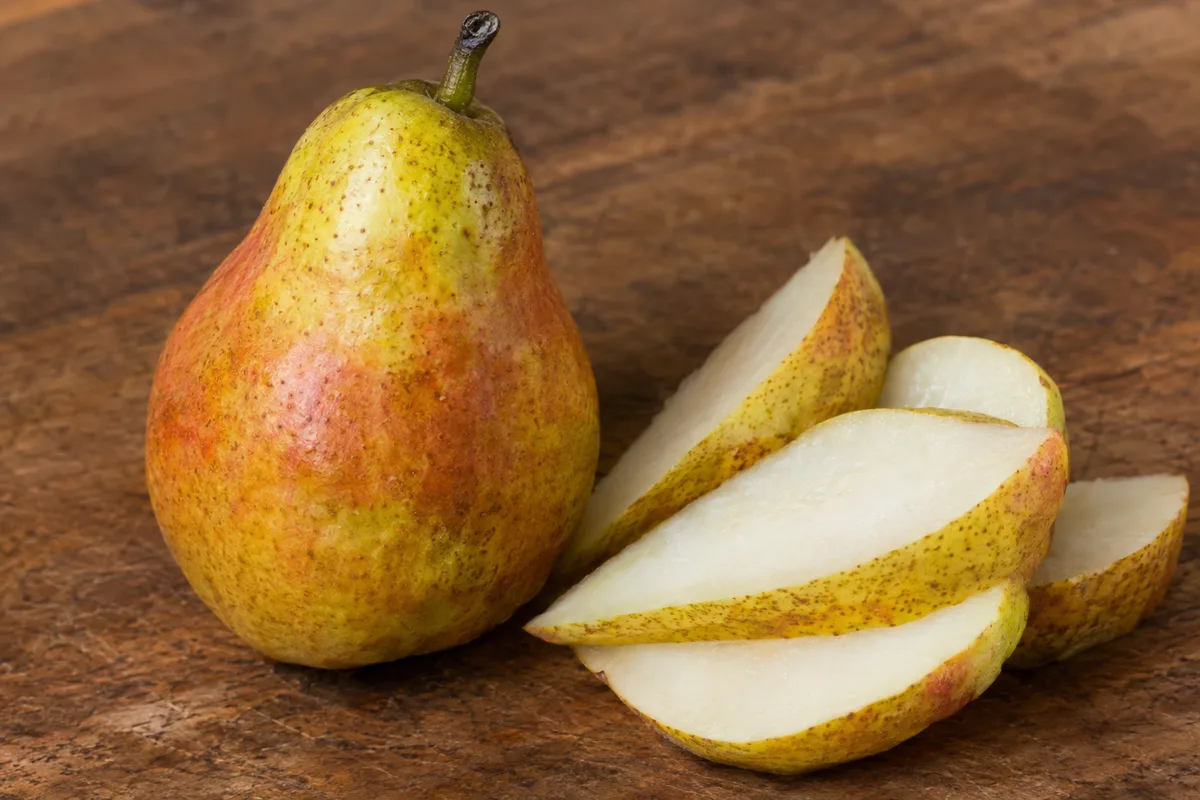
Pears offer natural sweetness along with a soft or crisp texture, depending on how ripe they are. Keeping the skin adds fibre and means less preparation. They can be a useful option when you want a sweet finish to a meal rather than a richer dessert.
Slice pear into yoghurt, serve it with oats or add it to a salad. Pear also works well warmed with cinnamon, without needing much added sweetness. If you add nuts, cheese or another accompaniment, record those separately because they can contribute a meaningful share of the meal's calories.
5. Melon
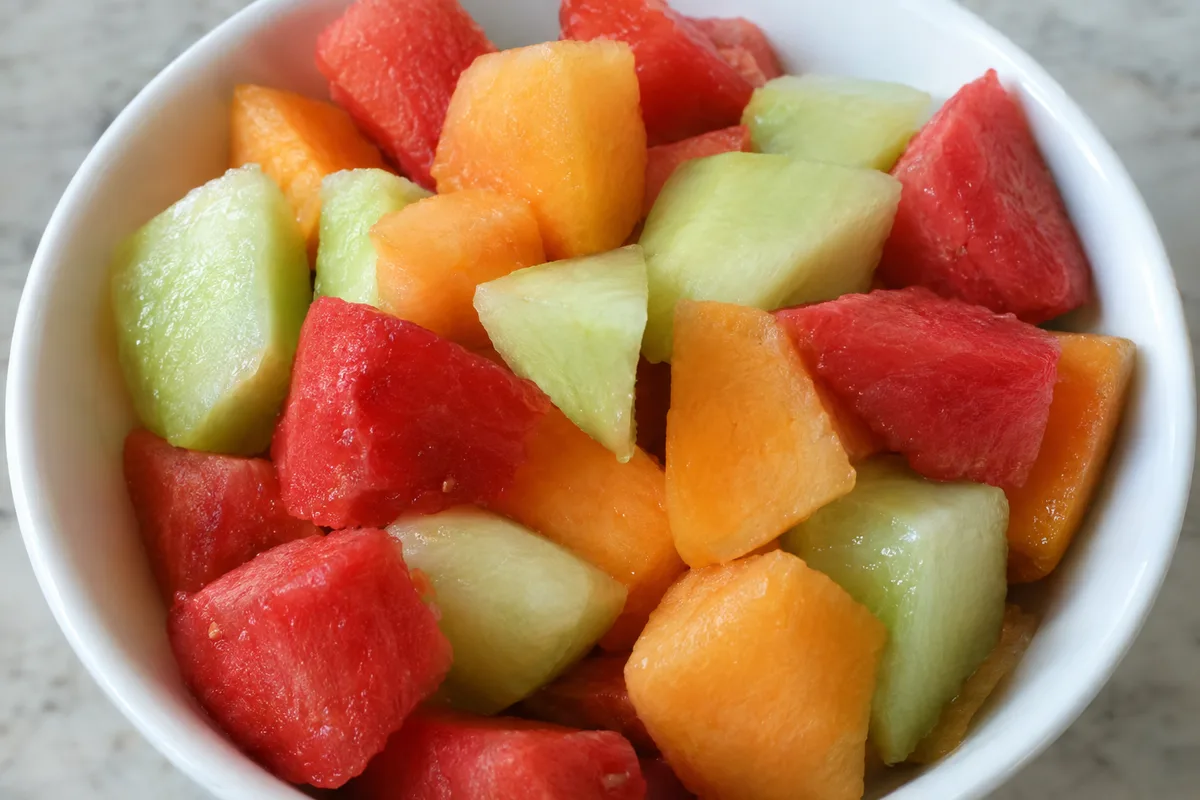
Watermelon, cantaloupe and honeydew have a high water content and a refreshing taste. Chopped melon can add plenty of volume to a bowl, which may help a tracked portion feel more satisfying. Different types vary in sweetness and texture, so choose the one you are most likely to enjoy.
Prepare melon in chunks and keep it chilled for a quick snack or dessert. It also combines well with berries or plain yoghurt when you want more variety. Weigh or measure your usual portion if accuracy matters to your food log, rather than assuming every bowl contains the same amount.