
A practical plan for losing about 20 pounds in five to six months
Losing about 20 pounds in five to six months requires a consistent energy shortfall, but the result and timing depend on the person. This guide explains how to use your food log, build satisfying meals, stay active and prepare for maintenance.
Treat the target as a direction, not a deadline
Body weight usually falls when you regularly take in less energy than your body uses. Your food log can help you create this gap through small, repeatable changes rather than a severe short-term diet. The appropriate gap depends on your body, activity, appetite and circumstances, so there is no single calorie target that suits everyone.

About 20 pounds in five to six months may be realistic for some adults, but it is not a guaranteed or necessary rate. Weight can also change unevenly because of hydration, digestion and other everyday factors. Look at the longer trend rather than judging the plan by one reading.
Before changing your routine, consider whether the goal fits your needs and starting point. A registered dietitian or another qualified health professional can offer individual guidance if you are unsure. Seek professional support if food restriction is causing distress, exhaustion or persistent preoccupation with eating.
- Choose a target range rather than one exact finishing weight
- Review progress over several weeks, not from day to day
- Keep meals regular enough to support energy and concentration
- Adjust the plan if it feels too restrictive to continue
Use your food log to find workable changes
Because you already track food, begin by reviewing a typical stretch of entries without labelling foods as good or bad. Look for recurring choices that add energy without giving you much satisfaction. These may include large portions, frequent extras, drinks or eating while distracted.
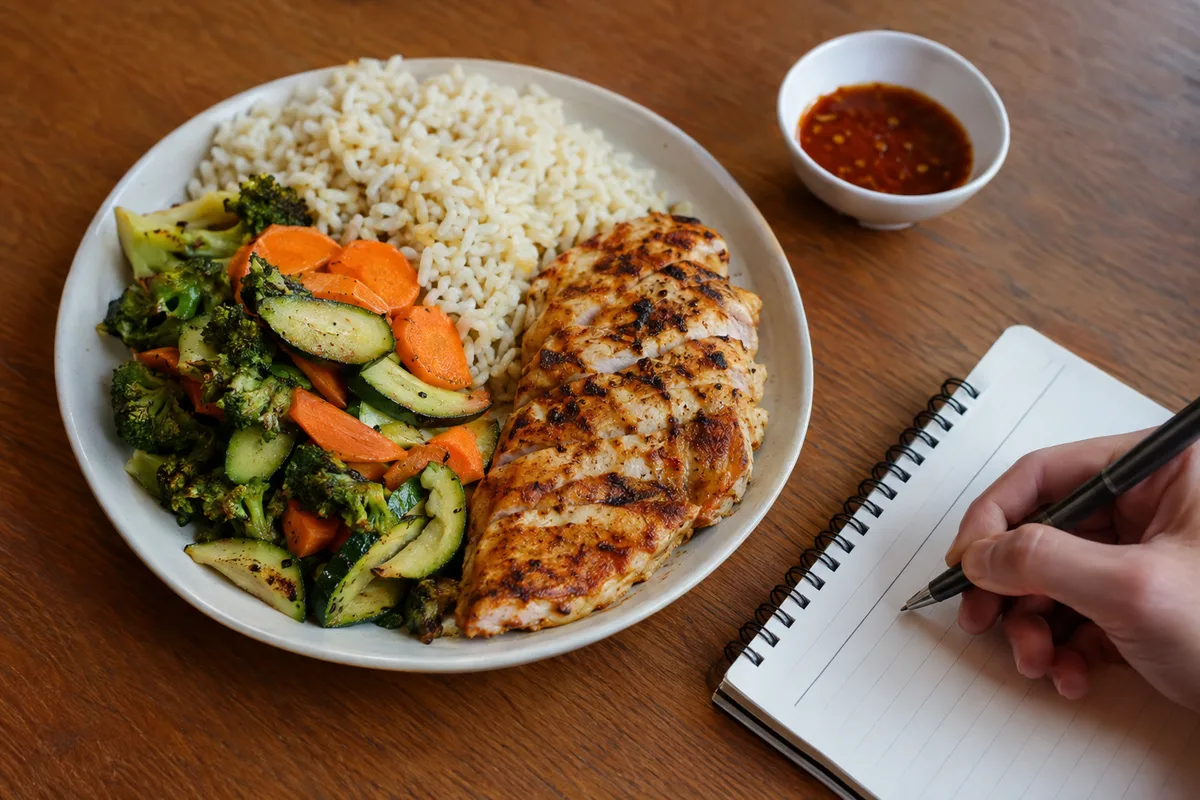
Change one or two patterns at a time and keep logging as consistently as you can. Compare what you planned with what you actually ate, including oils, dressings, sauces and small bites. The aim is an honest picture, not perfect records.
Your calorie needs can shift as your weight, activity and routine change. If progress has paused for several weeks, check logging consistency before making a large cut. A modest adjustment to portions, extras or activity may be easier to sustain than overhauling every meal.
- Serve a slightly smaller portion of the most energy-dense part of a meal
- Measure cooking oil or spoon it out rather than pouring freely
- Choose water or an unsweetened drink more often
- Put snacks on a plate instead of eating from the packet
- Plan enjoyable higher-energy foods rather than trying to ban them
Build meals that satisfy you
A lower-calorie meal does not have to be tiny. Vegetables, fruit, pulses and wholegrain foods can add fibre and volume, while protein can help make a meal feel complete. Including some fat adds flavour and can improve satisfaction, although portions matter because fat provides about 9 kcal per gram.
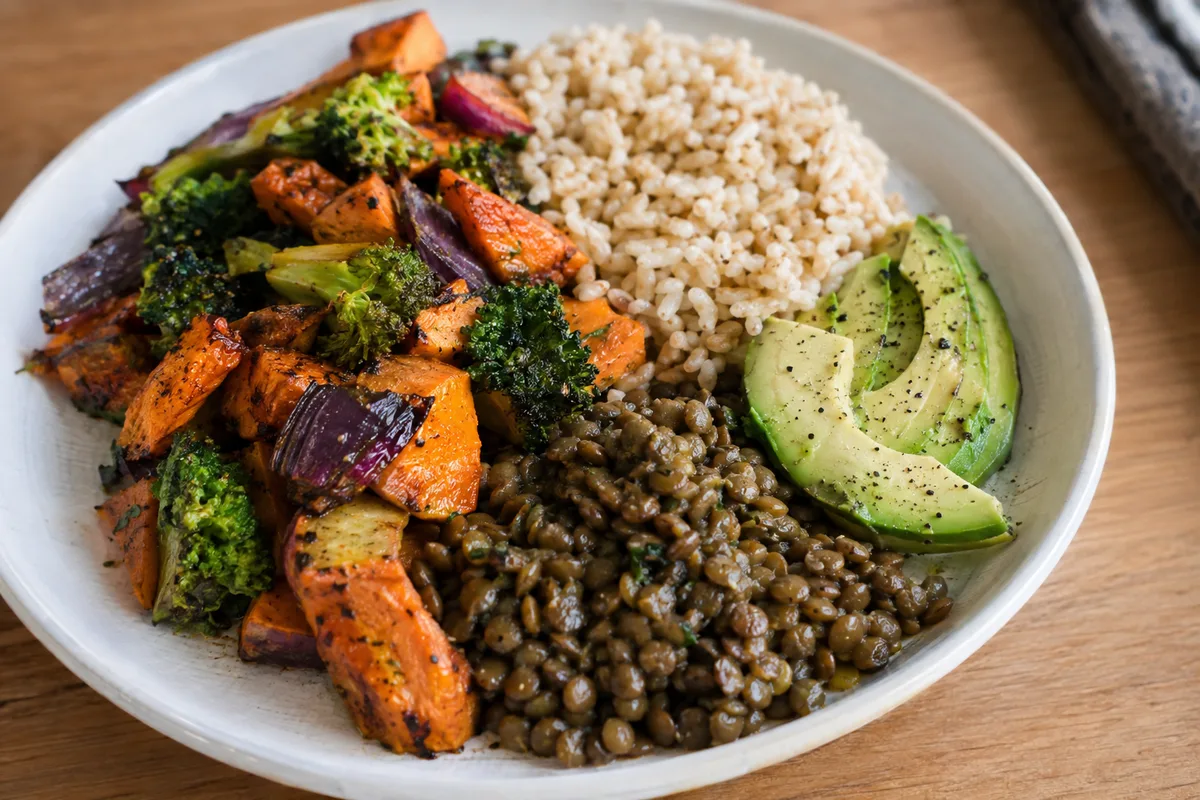
Protein and carbohydrate each provide about 4 kcal per gram, but foods are more than their energy factors. Texture, fibre, water content and how you combine foods all affect the eating experience. A useful plate has a clear protein source, plenty of colourful plant food and a portion of carbohydrate that fits your hunger and activity.
Meals should still include foods you enjoy. If the plan relies on bland food or constant hunger, it will be difficult to maintain for months. Pause after eating and notice whether the portion left you comfortably satisfied rather than stuffed or still searching for food.
- Add beans or lentils to soups, stews and salads
- Pair fruit with yoghurt or another protein-containing food
- Fill more of the plate with vegetables while keeping the main meal familiar
- Choose wholegrain bread, oats, brown rice or potatoes with their skins when preferred
- Use herbs, spices, citrus and measured sauces for flavour
Plan for hunger, weekends and meals out
Hunger and changing routines are normal, so plan for them instead of relying on willpower. Regular meals work well for some people, while others prefer room for a planned snack. Your log can show when hunger is strongest and whether earlier meals need more protein, fibre or overall food.
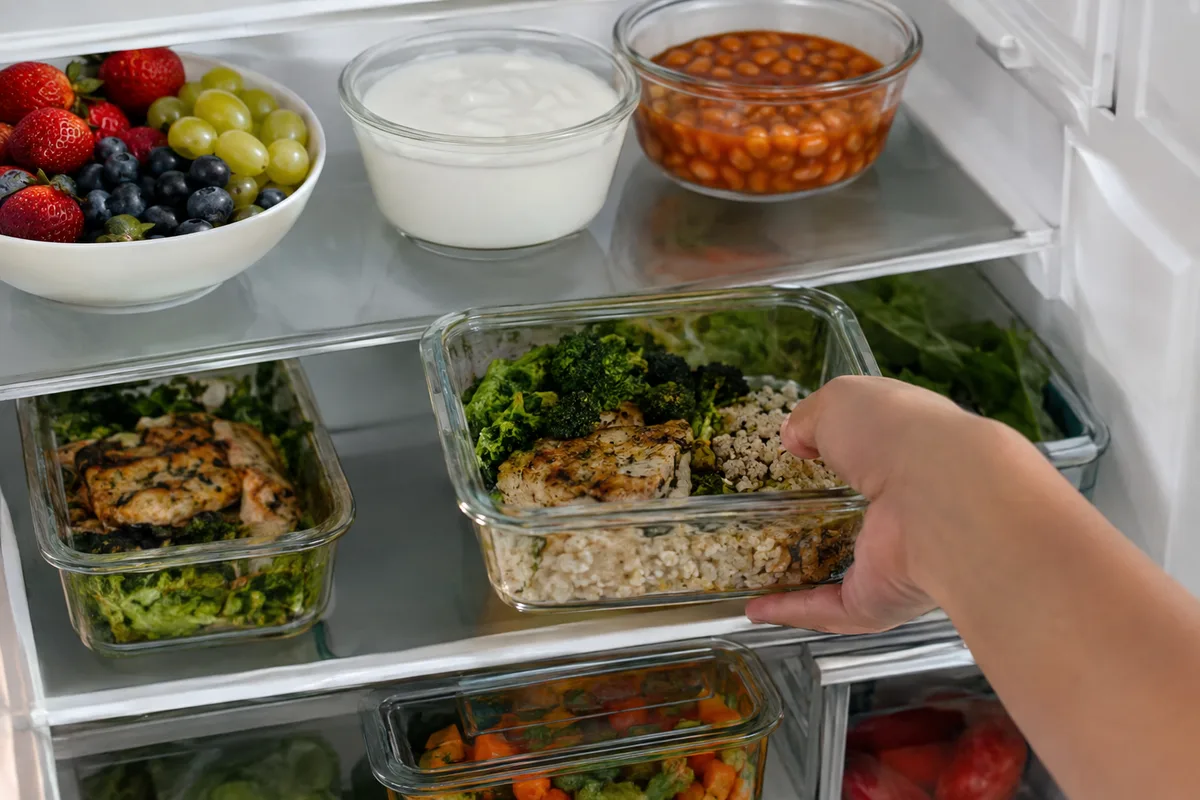
Meals out and social occasions do not cancel progress. Decide which parts matter most to you, eat them attentively and return to your usual pattern at the next meal. Trying to compensate by skipping several meals can lead to stronger hunger later.
It also helps to shape your surroundings around the choices you want to make. Keep convenient ingredients available and decide on a few simple meals for busy days. Flexibility matters because a plan that only works during quiet weeks is unlikely to last.
- Check a menu beforehand when that makes planning easier
- Choose the starter, main course or dessert you most value rather than automatically having all three
- Keep filling snacks ready for times when meals may be delayed
- Freeze portions of simple home-cooked meals
- Log an unplanned meal honestly and continue as normal
Use movement to support the plan
Movement increases energy use, supports everyday fitness and can help you keep routines steady. Choose activities that suit your current ability and that you can repeat without dreading them. Walking, cycling, swimming, dancing and active household tasks can all contribute.

Strength-focused movement is also useful while losing weight. It can include bodyweight exercises, resistance bands or lifting suitable loads with sound technique. Begin at a manageable level and allow time for recovery.
Avoid treating exercise as punishment for eating. Food logs and activity estimates are not precise enough to justify automatically eating back every estimated calorie. Instead, notice how movement affects your hunger, energy and routine, then adjust food intake thoughtfully.
- Add a regular walk to part of your day
- Break up long periods of sitting with brief movement
- Schedule activities as appointments rather than vague intentions
- Include strength-focused movement on a consistent basis
- Increase duration or effort gradually
Shift from losing weight to keeping it off
Maintenance is not a return to every habit you changed. It is a gradual move from an energy shortfall to eating enough to keep your weight broadly stable. The exact intake depends on the person and may take some adjustment to find.
Continue the habits that did the most useful work, such as meal planning, filling plates and regular movement. You may be able to use a lighter form of tracking, but stopping all awareness at once can make changes harder to spot. Keep an eye on trends and respond with small adjustments rather than waiting for a major regain.
Expect holidays, busy periods and disrupted routines. A temporary change is information, not failure, and your next ordinary meal is a chance to resume your pattern. Keeping weight off is an ongoing practice built around flexible habits you can live with.
- Increase food gradually when moving into maintenance
- Keep a small set of reliable meals and snacks
- Review portions when your routine or activity changes
- Use occasional logging to refresh awareness if needed
- Set goals for strength, stamina, cooking or consistency as well as weight