
How to Reduce Back Fat with a Sustainable Routine
Back fat changes as part of overall body fat loss, rather than through exercises for one area. This guide explains how to use your food log, plan satisfying meals and build a practical movement routine.
Why you cannot target fat on your back
Your body decides where it stores fat and where it uses it from first. Back exercises can strengthen the muscles underneath, but they do not make your body take energy specifically from nearby fat. This is why repeated twists, pulls or stretches cannot guarantee fat loss from one chosen area.
Reducing body fat generally requires you to use more energy than you take in over time. The size of that difference and the rate of change depend on the person, so there is no single target that suits everyone. A steady routine that you can maintain is usually more useful than trying to force rapid changes.
Use your food log to find manageable changes
Because you already track your food, start by reviewing a typical stretch of entries rather than judging one unusual day. Look for foods and drinks that add substantial energy without keeping you satisfied for long. Also notice when portions grow, meals are skipped or unplanned snacks become more frequent.
You do not need to remove every favourite food. Choose one or two changes that reduce your average intake while leaving meals enjoyable and filling. Keep tracking consistently so you can see whether those changes work in your real routine.
- Compare weekday and weekend eating patterns
- Check oils, dressings, sauces and drinks that may be easy to overlook
- Notice whether low-protein meals are followed by frequent snacking
- Review portion sizes for foods you eat directly from a packet
- Record small tastes and extras without treating them as failures
Build meals that keep you satisfied
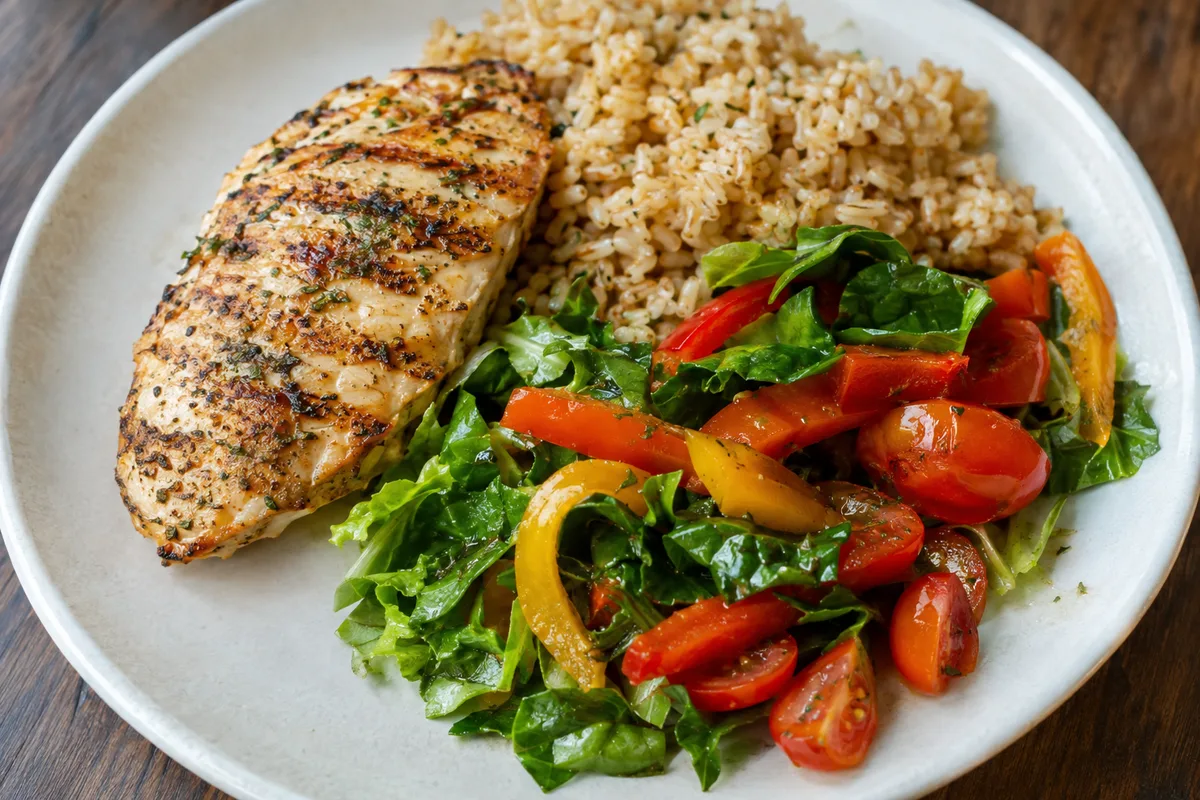
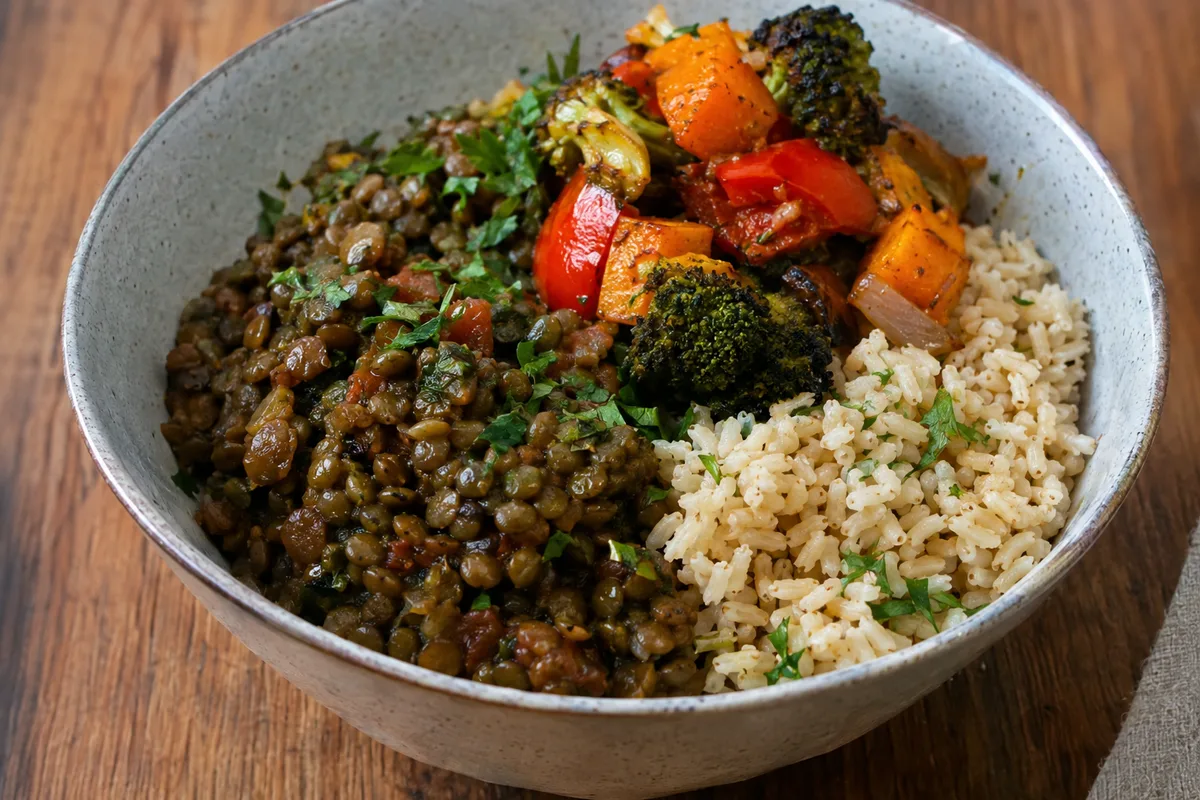
A useful meal often combines a protein source, high-fibre carbohydrate, vegetables or fruit, and some fat for flavour. Protein and fibre can help a meal feel more substantial, making a lower overall intake easier to maintain. The right portions depend on your appetite, activity and wider eating pattern.

You can reduce energy intake without making every plate look small. Add plenty of vegetables, choose filling protein sources and measure energy-dense additions when they are difficult to judge by eye. Keep room for foods you enjoy so the plan does not feel like a short-term punishment.
- Chicken, fish, eggs, tofu, beans or lentils for protein
- Potatoes, oats, brown rice or wholegrain bread for fibre-rich carbohydrate
- Leafy greens, peppers, tomatoes, carrots or frozen mixed vegetables
- Fruit or plain yoghurt as a simple snack or dessert
- Nuts, seeds, cheese, oils or dressings in portions that fit your log
Strengthen your back and the surrounding muscles
Strength training can make your upper body feel stronger and may improve how your back looks as overall fat decreases. Rows, pull-down movements and reverse fly movements train the back, while presses and lower-body exercises help create a balanced programme. These exercises change muscle, not the location from which fat is lost.

Choose resistance that lets you move with control and maintain a comfortable range of motion. Build up gradually rather than adding many exercises at once. Training your whole body regularly is more practical than doing long sessions devoted only to your back.
- A rowing movement for the middle and upper back
- A pull-down movement for the sides of the back
- A reverse fly movement for the rear shoulders and upper back
- A squat or supported split squat for the lower body
- A press-up or chest press for the chest, shoulders and arms
Increase movement beyond workouts
Planned exercise is only one part of daily energy use. Walking, taking stairs, carrying shopping, doing household tasks and standing up regularly can all contribute. Small amounts of movement are easier to repeat when they are attached to routines you already have.
Cardiovascular activity can support an energy deficit and improve general fitness, but it does not need to be punishing. Pick a pace and activity that you can recover from and repeat. If harder sessions leave you very hungry or exhausted, balance them with easier movement and review how they affect your food log.
- Take a walk after a regular meal
- Use stairs when it is practical
- Break up long periods of sitting with brief movement
- Add an easy walk on days without a planned workout
- Choose an enjoyable activity such as swimming, cycling or dancing
Judge progress over time, not by one view
Back fat may change slowly, and day-to-day appearance can be affected by posture, clothing, lighting and normal shifts in body water. Use a consistent method if you take progress photographs or body measurements. Avoid drawing conclusions from a single day or one fitted item of clothing.
Review your food log, movement and strength routine together. If nothing changes over a meaningful period, make one modest adjustment to average food intake or activity and observe the result. The goal is a routine you can continue, not a perfect week followed by stopping.
- Compare food logs across several ordinary days
- Track strength or repetition progress in key exercises
- Use photographs taken in similar clothing and lighting
- Note how consistently you follow your planned habits
- Adjust one part of the routine at a time