
Which Foods Are High in Nitrogen?
Most nitrogen in food comes from protein, so protein-rich foods are generally the main dietary sources. This guide explains which foods contain more nitrogen, what food labels can tell you and why nitrogen itself rarely needs tracking.
Why foods contain nitrogen
Nitrogen is a natural part of amino acids, the small building blocks that make up protein. This means foods with more protein usually supply more nitrogen than foods with very little protein. Meat, fish, eggs, dairy foods, beans, lentils, soya, nuts and seeds are therefore common sources.
Your body uses amino acids to build and renew tissues and to make many substances needed for everyday function. It separates and processes the nitrogen as part of this work. Nitrogen is not something most people need to count as a separate entry in a food diary.
- Protein is the main source of nitrogen in food
- Higher-protein foods generally contain more nitrogen
- Food labels usually show protein rather than nitrogen
- Your individual protein needs depend on factors such as body size, age and activity
Animal foods that are high in nitrogen
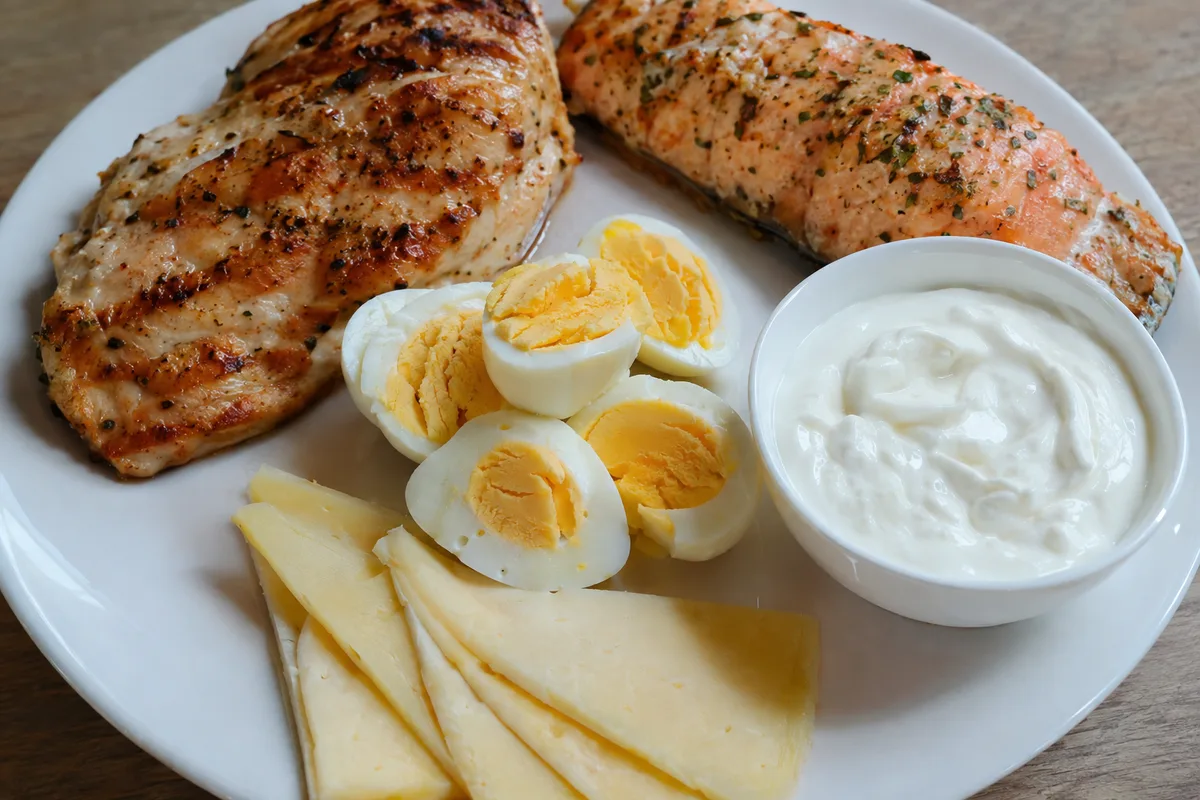
Animal foods that provide plenty of protein are also relatively high in nitrogen. These include poultry, red meat, fish, shellfish and eggs. Lean and fatty versions may have similar roles as protein sources, although their fat and energy content can differ.
Milk, yoghurt and cheese also contain nitrogen because they provide dairy protein. A concentrated dairy food, such as a firm cheese or strained yoghurt, often provides more protein per mouthful than milk. The exact amount varies by product, portion and preparation method.
- Chicken, turkey and other poultry
- Beef, pork and lamb
- Fish and shellfish
- Eggs
- Milk, yoghurt, cottage cheese and other cheeses
Plant foods that are high in nitrogen
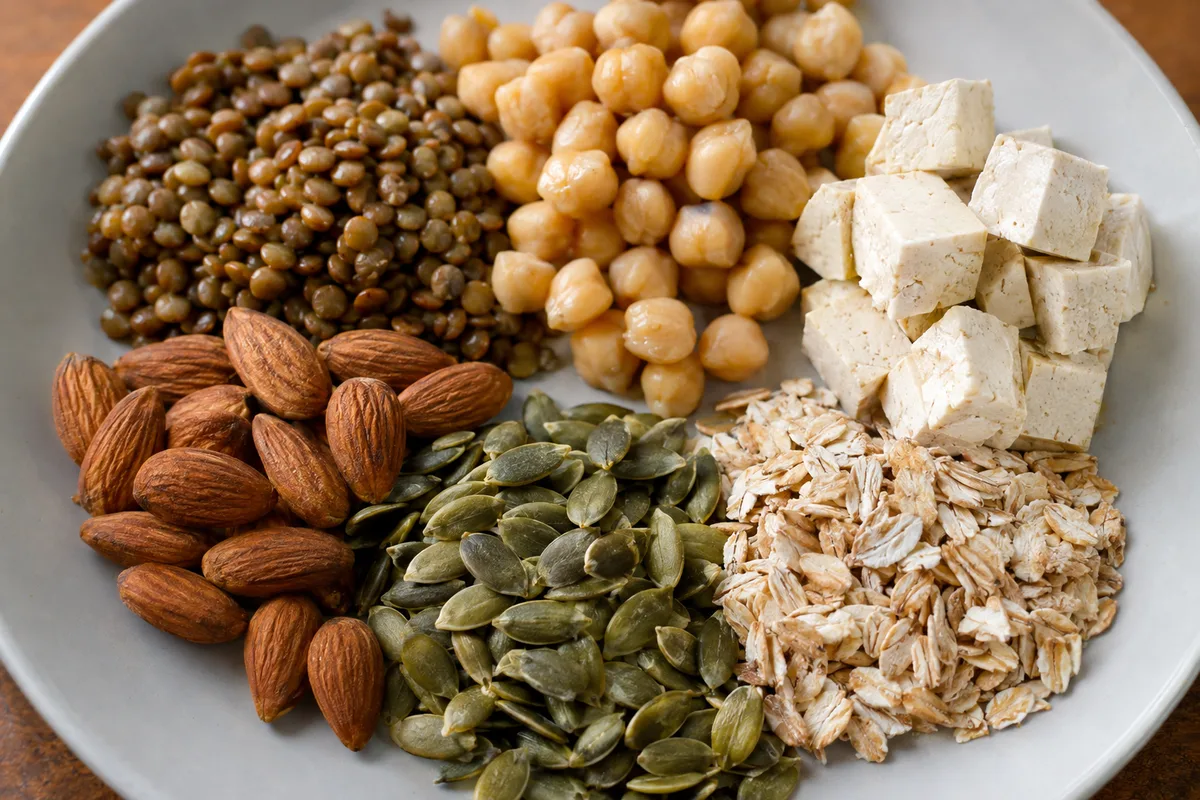
Pulses and soya foods are among the most useful plant sources of protein and nitrogen. Beans, chickpeas and lentils can form the main protein element of a meal rather than simply being a side dish. Tofu, tempeh and soya beans can be used in stir-fries, salads, soups and tray bakes.
Nuts and seeds also supply protein, although they contain substantial amounts of fat as well. Wholegrains provide some protein, but usually less per serving than pulses or soya foods. Vegetables and fruit contain nitrogen compounds too, yet most are not major protein sources.
- Lentils, chickpeas and beans
- Soya beans, tofu and tempeh
- Peanuts, almonds and other nuts
- Pumpkin, sunflower, sesame and hemp seeds
- Wholegrains such as oats, wholewheat and quinoa
Protein is the practical number to track
Food packaging rarely states how much nitrogen a product contains. The protein line on the nutrition label is the more useful guide because most dietary nitrogen comes from protein. When comparing similar foods, look at the same quantity or at the portion you actually plan to eat.
A food with more protein will generally contribute more nitrogen, but there is no simple need to convert protein grams into nitrogen for everyday tracking. Different proteins contain slightly different proportions of nitrogen. Your food log can therefore focus on protein, total energy and the overall balance of the meal.
- Compare protein using the same serving basis
- Check whether the listed serving matches your portion
- Record cooking oils, sauces and toppings separately when relevant
- Judge the whole meal rather than one nutrient alone
Building balanced meals with nitrogen-rich foods
A high-protein food does not need to fill the entire plate. It can sit alongside vegetables or fruit, a starchy food and a source of fat according to your preferences. This approach gives you more than nitrogen and protein, including fibre, vitamins and minerals.
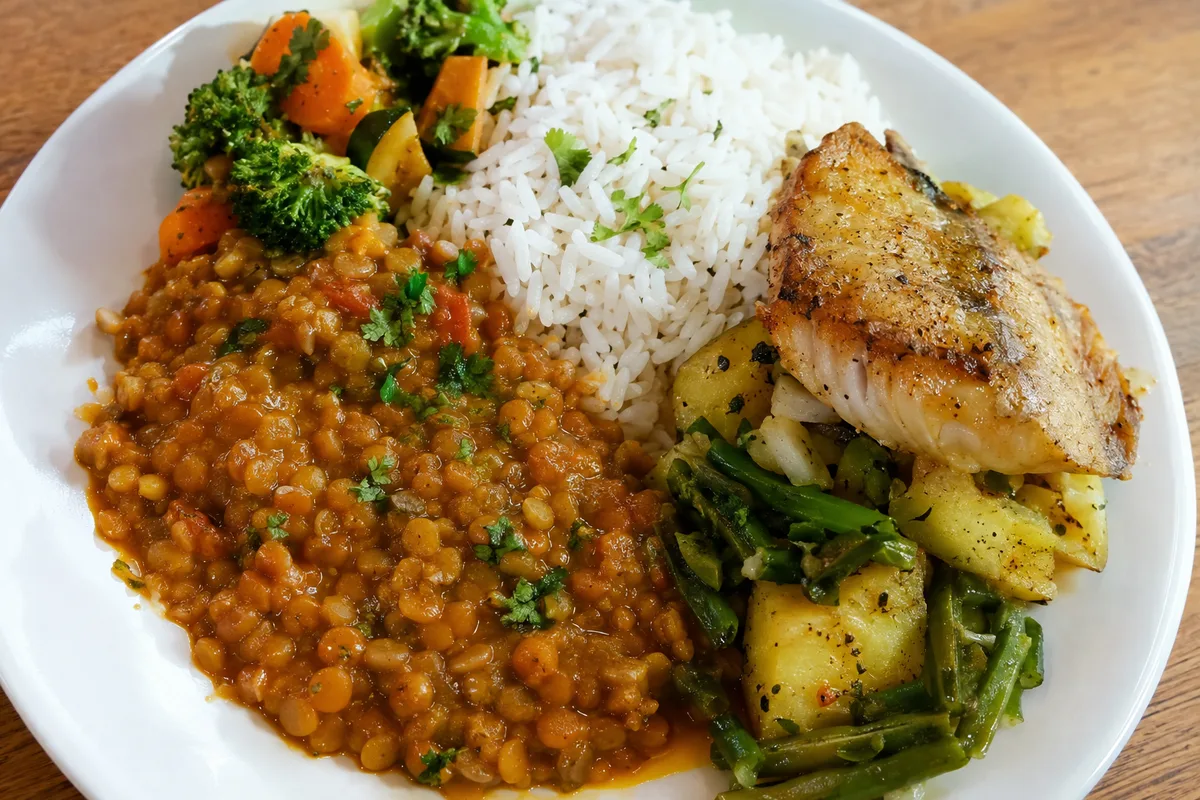
For example, a meal could combine lentils with rice and vegetables, or fish with potatoes and greens. Yoghurt can be paired with oats, fruit and seeds, while eggs can be served with wholegrain toast and tomatoes. Portion sizes and protein needs depend on the person, so use your usual target rather than copying somebody else's meal.
- Lentil curry with rice and vegetables
- Fish with potatoes and green vegetables
- Tofu stir-fry with noodles and mixed vegetables
- Yoghurt with oats, fruit and seeds
- Eggs with wholegrain toast and tomatoes
Nitrogen is not the same as nitrate
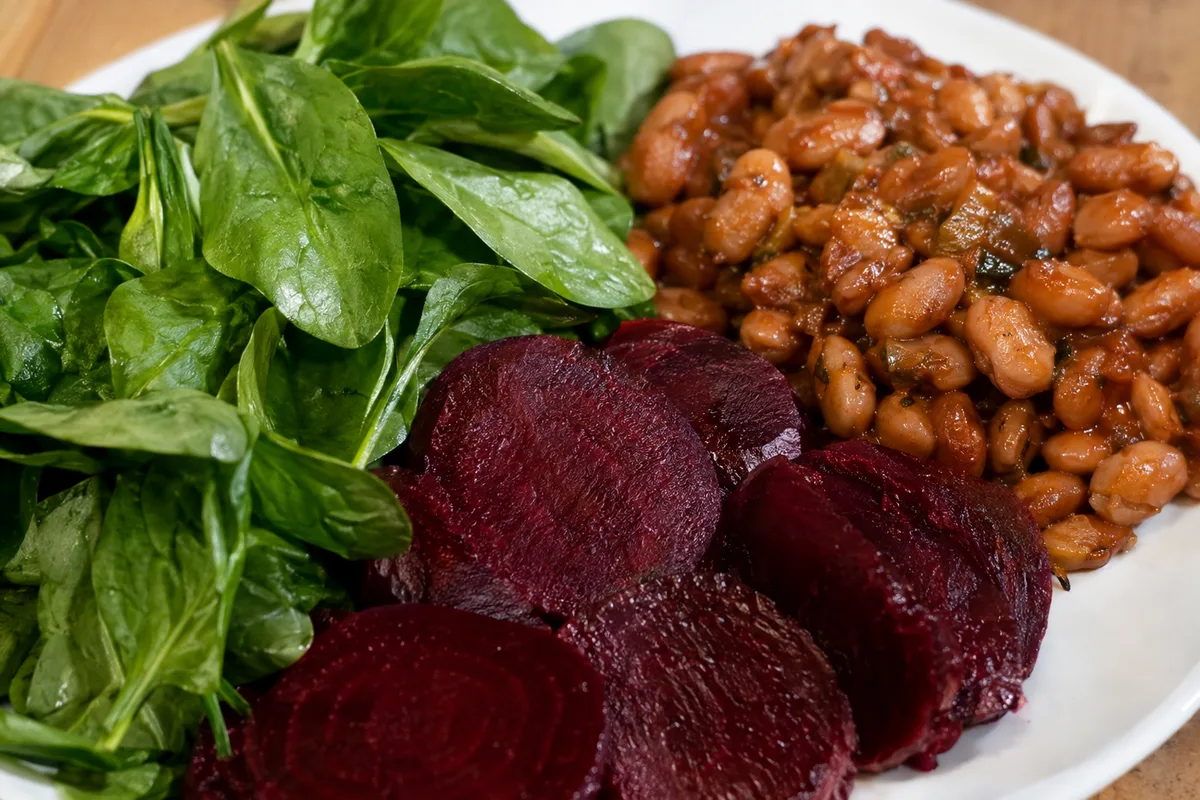
The word nitrogen can also appear when people discuss nitrate compounds in vegetables. Nitrates contain nitrogen, but they are not the same thing as the nitrogen found in amino acids and protein. Leafy vegetables and beetroot may contain nitrates without being high-protein foods.
This distinction matters when interpreting a food list or search result. If your aim is to identify foods that contribute dietary nitrogen through protein, use the protein content as your guide. If you already track what you eat, there is usually no reason to add a separate nitrogen total.
- Protein nitrogen comes mainly from amino acids
- Nitrates are different compounds found in some foods
- A vegetable can contain nitrate while providing little protein
- Protein remains the practical label entry to follow