
What Is a Coregasm, and Why Can Exercise Trigger One?
A coregasm is an orgasm or orgasm-like sensation that happens during exercise, often without sexual thoughts or direct touch. This guide explains what may cause it, which movements can trigger it and how to handle it comfortably.
What the word coregasm means
A coregasm is an orgasm or a similar wave of pleasure that occurs during physical activity. The name combines “core” and “orgasm” because exercises involving the middle of the body are commonly linked with the experience. However, it can also happen during movements that use the legs, hips or pelvic floor.
The sensation varies from person to person. It may feel clearly orgasmic, or it may be a less distinct build-up of warmth, tension, tingling or release. It can happen without sexual thoughts, direct genital touch or deliberate arousal.
There is no fixed amount of effort needed to trigger it. Some exercise sessions may bring it on while apparently similar sessions do not. That variation can reflect fatigue, body position, breathing, muscle tension and other personal factors.
Why it may happen during exercise
There is no single confirmed explanation for every coregasm. One possibility is that repeated, forceful muscle contractions stimulate nerves and tissues around the abdomen and pelvis. Pressure, friction and increased blood flow may also contribute.
Core exercises often require the abdominal and pelvic floor muscles to tighten together. Holding the breath or bracing very firmly can increase pressure through the trunk and pelvis. As tension builds and releases, the resulting sensation may resemble or become an orgasm.
The mind can influence the experience, but sexual fantasy is not required. Concentration, rhythmic movement and physical effort can make body sensations feel more noticeable. The exact combination is individual, so another person’s trigger may have no effect on you.
- Strong abdominal bracing
- Repeated pelvic floor contractions
- Rhythmic movement through the hips or legs
- Pressure around the pelvis
- A build-up and release of muscular tension
Movements commonly associated with it
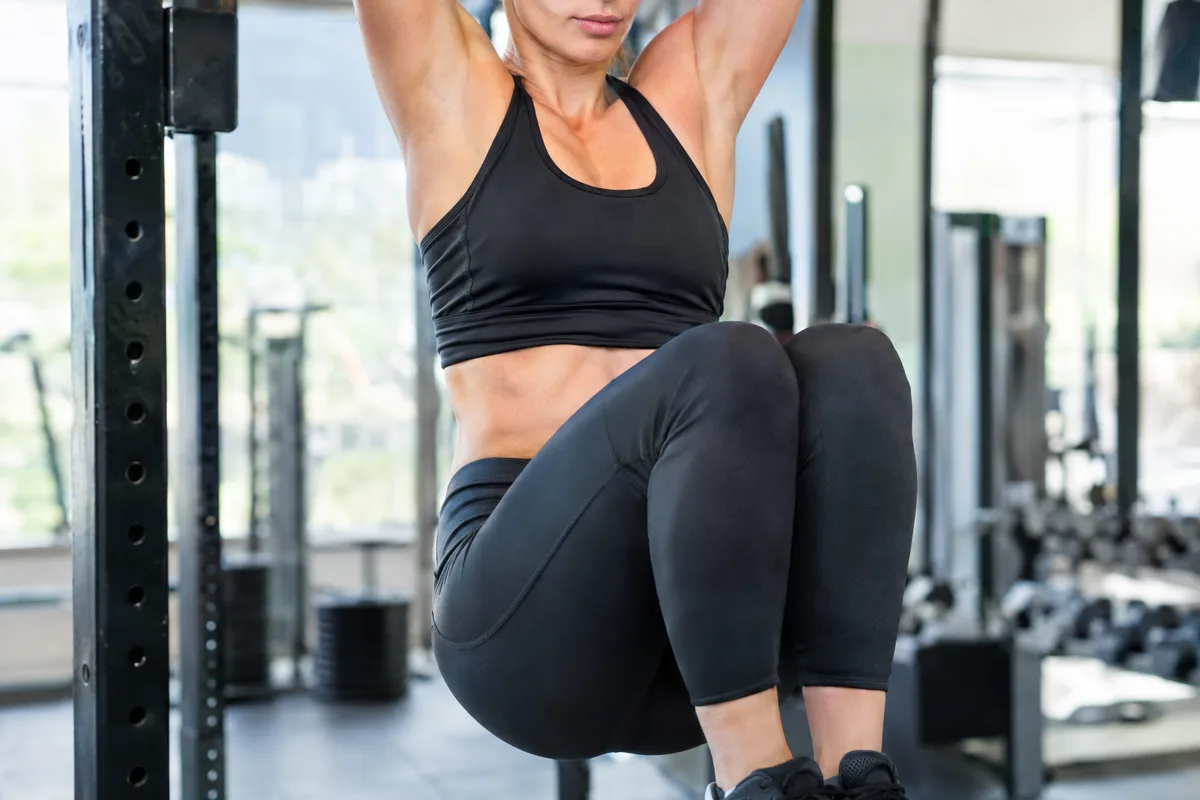
Movements that heavily recruit the lower abdominals are often mentioned in connection with coregasms. These include exercises in which the legs move while the torso stays stable. Hanging movements may feel particularly intense because the core works hard to control swinging.
Other possible triggers involve sustained bracing, climbing motions or repeated hip movement. The exercise itself does not guarantee a particular response. Technique, effort, clothing, contact with equipment and individual sensitivity can all change the experience.
You do not need to test these exercises or chase the sensation. If it happens unexpectedly, noticing the movement, pace and stage of the session may help you understand the pattern. Record only the details you feel comfortable keeping.
- Leg raises or knee raises
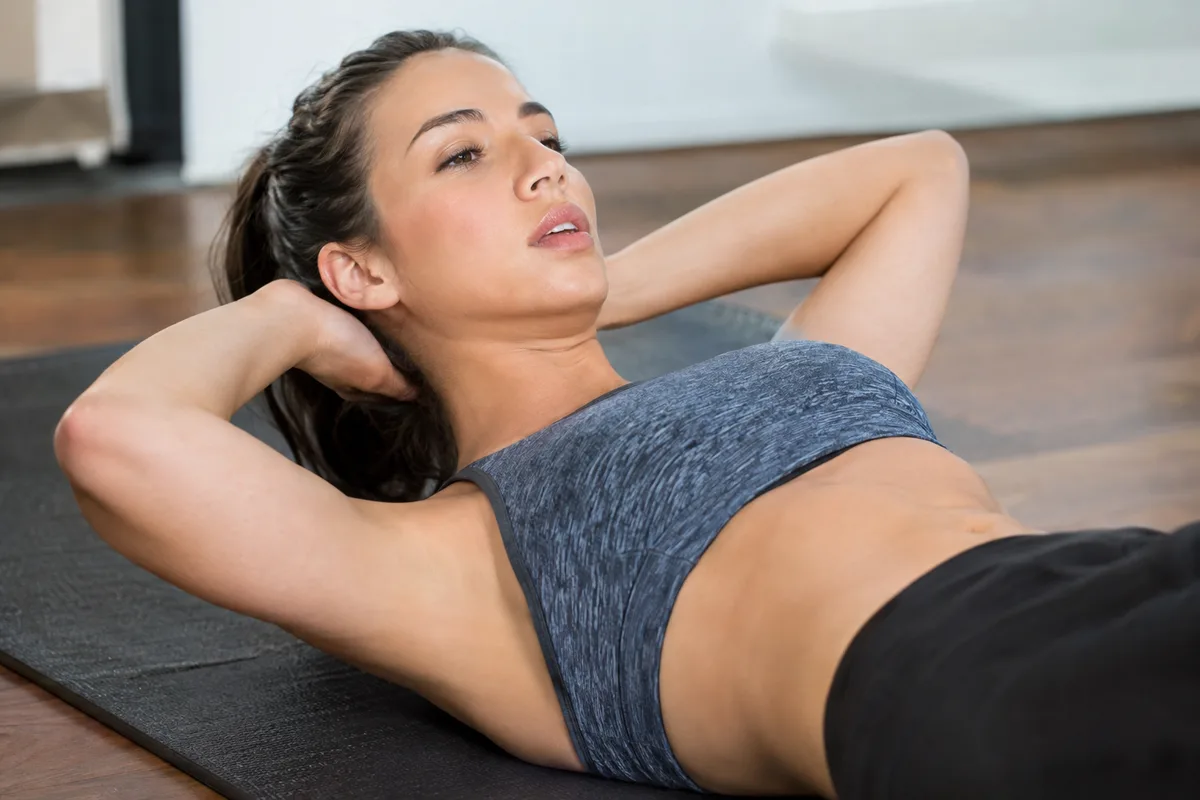
- Crunches and similar abdominal curls
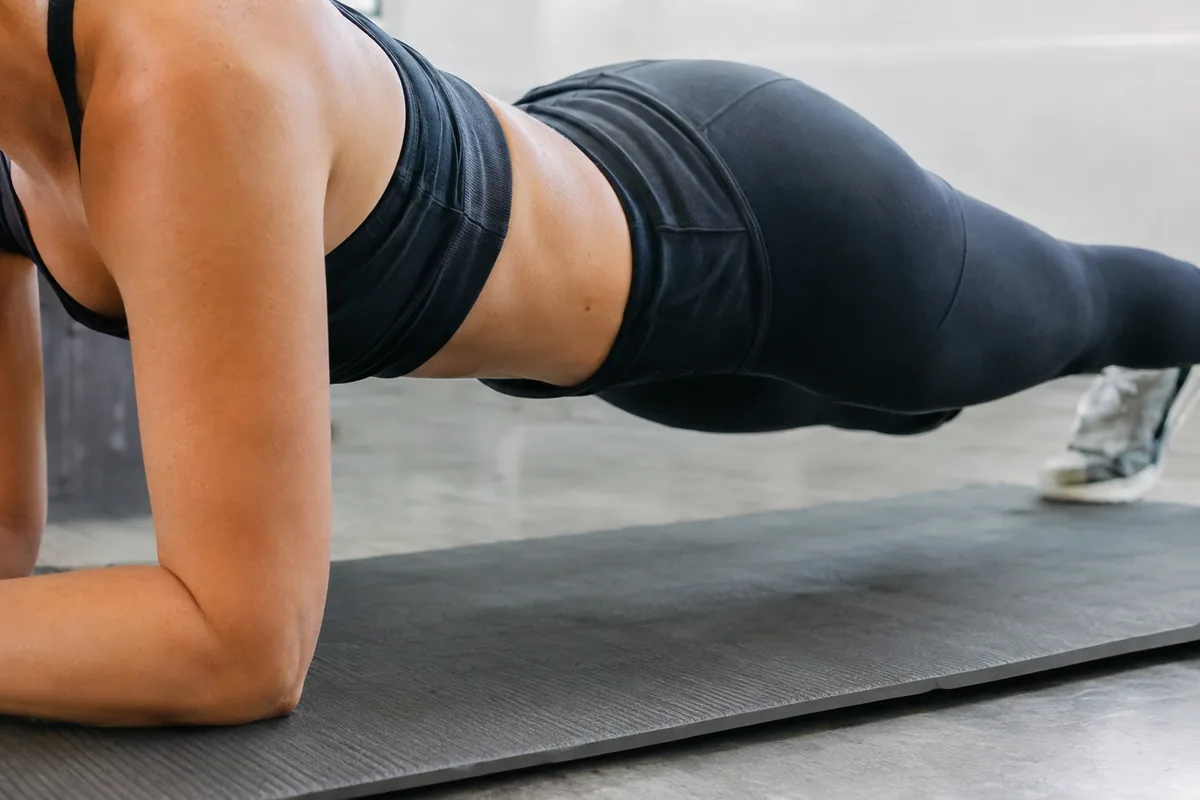
- Planks and strong bracing holds
- Climbing or pulling movements
- Cycling and other repeated hip motions
What it can feel like
A coregasm may begin as growing tension deep in the lower abdomen or pelvis. The feeling can increase over several repetitions and then release suddenly. For some, the sensation stops as soon as the exercise stops, while for others it fades more gradually.
Not every pleasurable exercise sensation is an orgasm. Muscle fatigue, pressure, tingling and a strong post-effort release can overlap with aspects of arousal. You are the best judge of how the experience feels in your own body.
The response may be enjoyable, neutral, confusing or embarrassing. None of those reactions is wrong. An involuntary physical response does not reveal anything definite about your intentions, preferences or thoughts.
What to do if you want it to stop
If the sensation is unwelcome, pause the movement and allow your breathing to settle. Changing position or switching to an exercise that needs less abdominal and pelvic bracing may reduce the build-up. Loosening an unnecessarily tight brace can also help.
You can adjust the session without giving up exercise altogether. Use a slower pace, take longer rests or stop a set before the sensation becomes strong. Avoiding the particular movement for a while is also a reasonable choice.
In a shared exercise space, stepping away for a short break can provide privacy. You do not owe anyone an explanation. If the sensation comes with pain, numbness, bleeding or lasting discomfort, seek advice from a qualified health professional.
- Pause and breathe normally
- Change position or movement
- Reduce the pace or number of repetitions
- Relax excessive abdominal and pelvic tension
- Take a private break if needed
How to track possible triggers
Because you already track what you eat, you may be used to looking for patterns without treating one entry as proof. The same approach can work here. A brief note after exercise may show whether certain movements, breathing habits or levels of fatigue are regularly involved.
Keep the record simple and private. Note the activity, body position, effort, where you felt tension and whether stopping the movement changed the sensation. There is no need to attach a score or force the experience into a precise category.
Food and drink may affect comfort or energy during exercise, but a coregasm cannot usually be traced to one meal. Look across several sessions before drawing a connection. If tracking makes you more anxious or self-conscious, it is fine to stop.
- The movement and body position
- How strongly you were bracing
- Your breathing pattern
- Where the sensation began
- What happened when you paused