
What Does a Low-Calorie Diet Really Mean?
A low-calorie diet means eating less energy than your body typically uses. The right amount is personal, so it is more useful to understand the principle than follow a universal number.
The basic idea
Calories are a way of measuring the energy supplied by food and drink. A low-calorie diet reduces that energy intake, usually by setting a daily target below the amount needed to maintain your current weight.

There is no single calorie target that counts as low for everyone. Your needs depend on factors such as body size, age, activity and everyday routine, so the number has to fit the individual.
Low calorie does not mean eating as little as possible
The aim is not simply to make every meal tiny or to choose only foods with the lowest numbers. Cutting intake too sharply can make a plan difficult to follow and leave little room for variety.
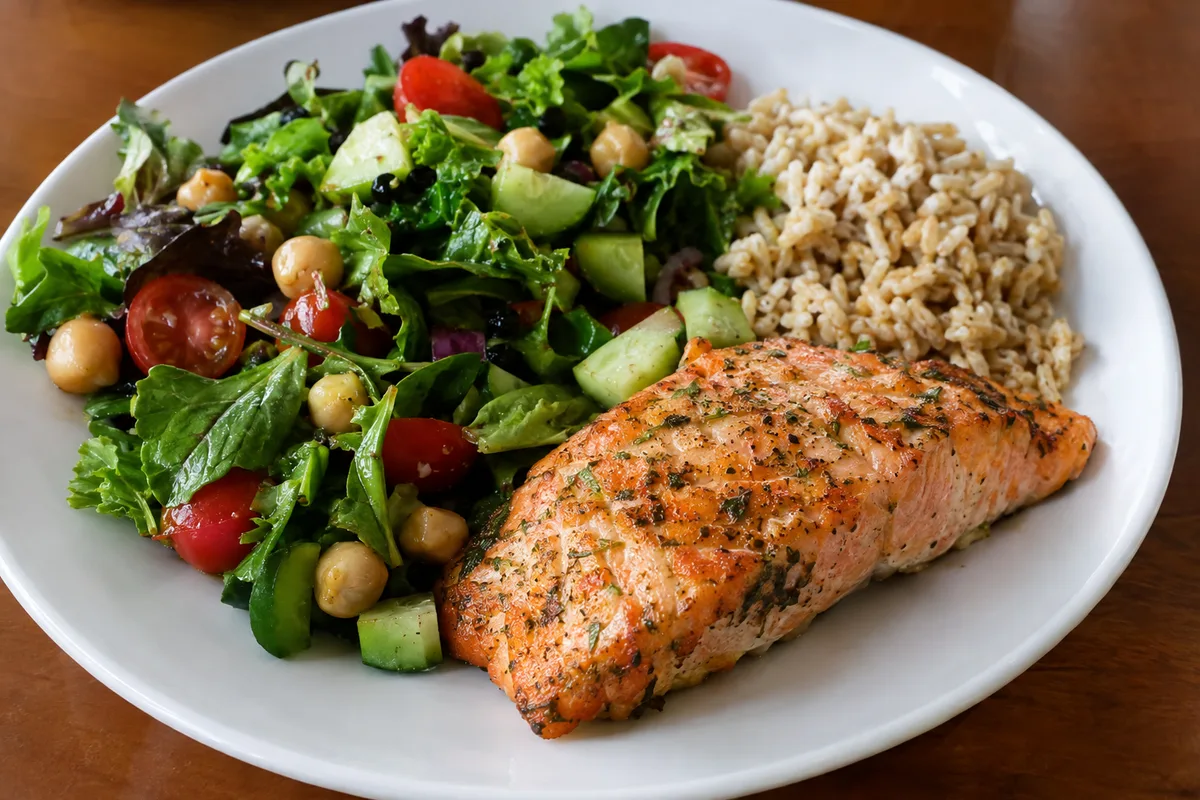
A practical approach creates a manageable gap between the energy you eat and the energy you use. Progress and day-to-day appetite can help you judge whether your tracked target feels realistic.
Food quality still matters
Your calorie total shows how much energy you have eaten, but it does not describe the whole diet. Protein, fibre and a varied range of foods can help meals feel more substantial while covering everyday nutritional needs.

Portion size, cooking method and added fats can noticeably change a meal's calorie content. Tracking these details consistently gives you a clearer picture than labelling individual foods as good or bad.
Making your target workable
Start with your usual food log and look for changes that would not make meals feel incomplete. You might adjust portions, balance higher-calorie choices across the day or plan ahead for foods you particularly enjoy.
A low-calorie diet should be something you can review rather than a rigid rulebook. Hunger, energy, activity and routine can change, so your target may need adjusting to remain suitable for you.