
What a no sugar diet really means
A no sugar diet usually means cutting back on sugars added to food and drink, rather than removing every food that contains sugar. This guide explains what to look for, what you can still eat and how to make the approach practical.
What does a no sugar diet mean?
There is no single official definition of a no sugar diet. For most people, it means avoiding or reducing added sugars in foods and drinks. It does not have to mean removing fruit, vegetables or plain dairy foods, which contain sugars as part of the food.
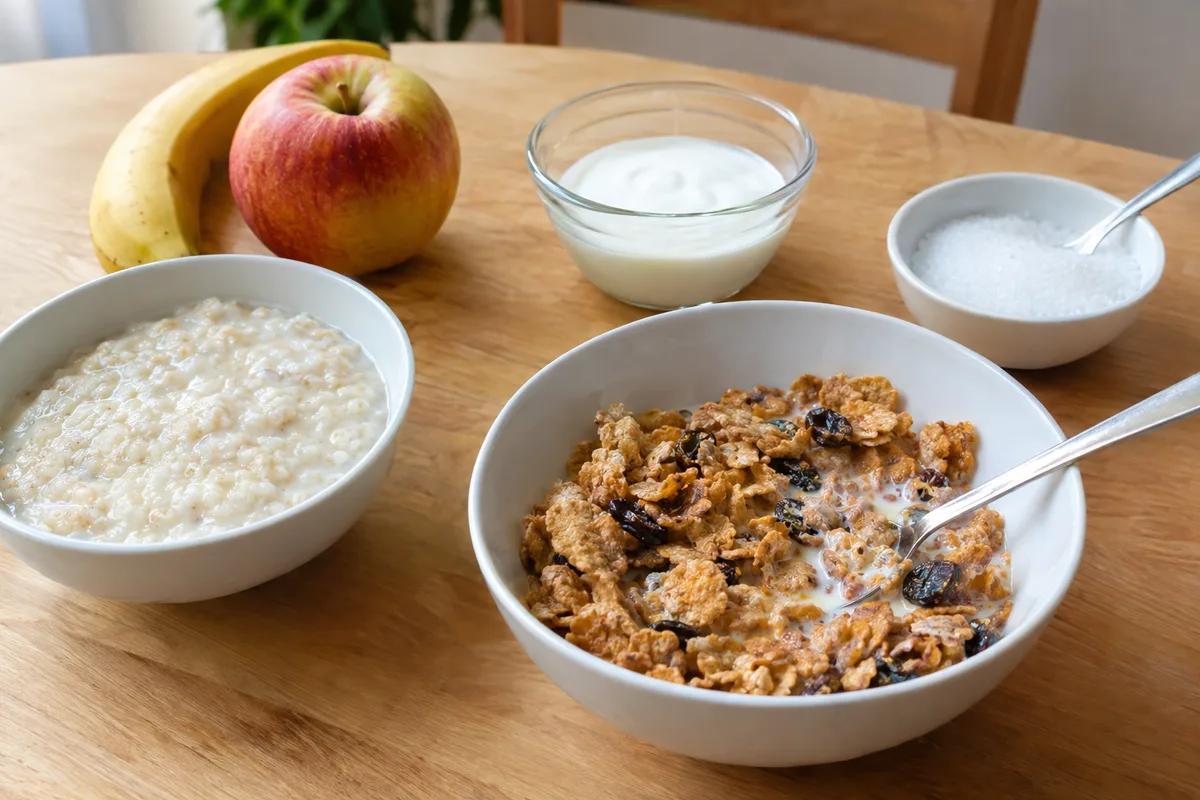
A strict version may exclude table sugar, syrups, honey and foods made with them. A more flexible version may allow small amounts while keeping them visible in your food log. Your own version should be clear enough that you know what you are tracking.
The phrase can therefore be misleading, because eating absolutely no sugar is difficult and usually unnecessary. Many nourishing foods naturally contain some sugar alongside fibre, protein, vitamins or minerals. The useful distinction is often between sugars added for sweetness and sugars naturally present in whole or minimally processed foods.
- Added-sugar approach: avoid sugars and syrups added during cooking or manufacturing
- Flexible approach: set a personal limit and track added sugars
- Strict approach: exclude sweeteners such as sugar, honey and syrups
- Whole-food approach: keep fruit and plain dairy foods while limiting sweetened products
Added sugar and naturally occurring sugar
Added sugar is put into a food or drink during manufacturing, preparation or cooking. It may provide sweetness, colour or texture, and it can appear in foods that do not taste like desserts. Sauces, dressings, cereals and flavoured drinks are common places to check.
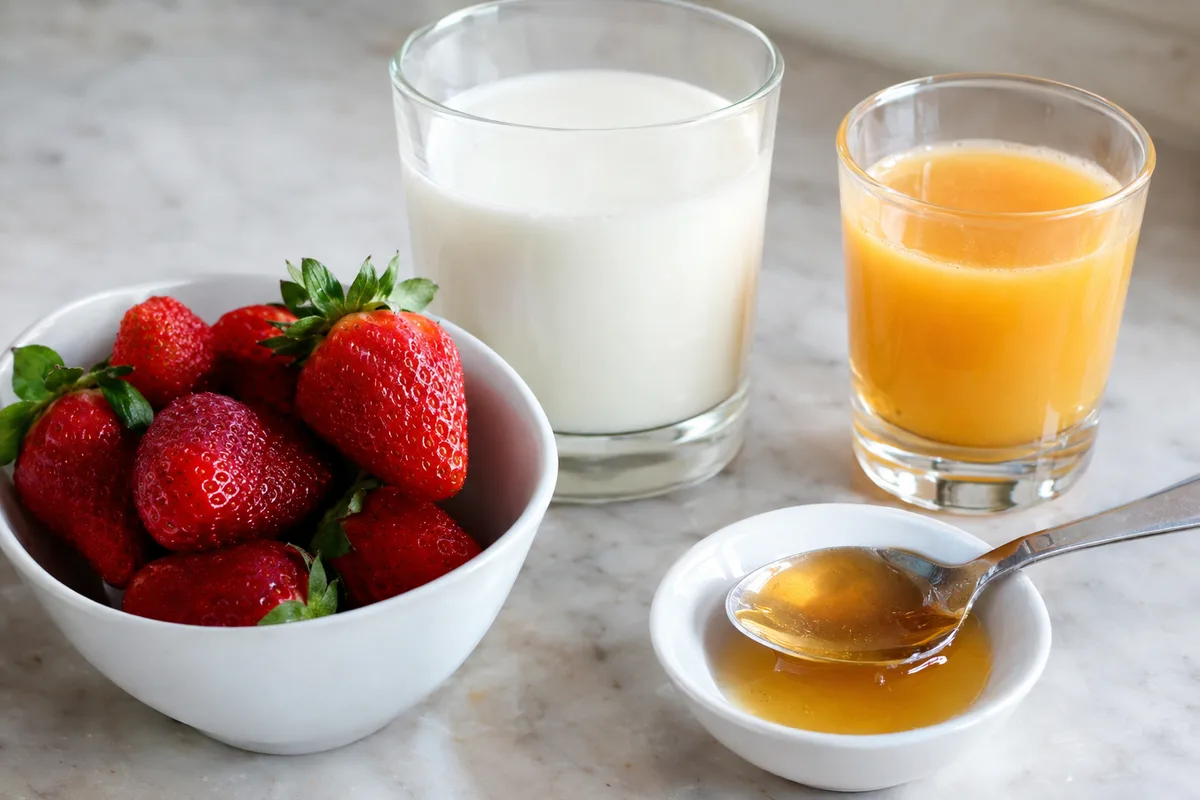
Naturally occurring sugar is already present in foods such as fruit, vegetables and milk. These foods also provide other nutrients, and whole fruit contains fibre that juice contains in much smaller amounts. A no added sugar plan can include these foods without treating every gram of sugar in the same way.
Honey, maple syrup and similar ingredients may seem less processed than white sugar, but they still count as added sugars when you add them to food. Fruit juice concentrates can also be used to sweeten products. The source changes the name, but not the fact that sweetness has been added.
- Naturally occurring: whole fruit, vegetables, plain milk and plain yoghurt
- Added during production: sweetened yoghurt, biscuits, cakes and many breakfast cereals
- Added at home: sugar in tea, honey on porridge and syrup in coffee
- Concentrated sources: fruit juice, smoothies and products sweetened with juice concentrate
How to spot added sugars on labels
Start with the ingredients list, where ingredients are shown in order by weight. Sugar may appear under several different names, so looking only for the word “sugar” can miss some sources. If several sweeteners appear separately, each one may sit lower down the list.
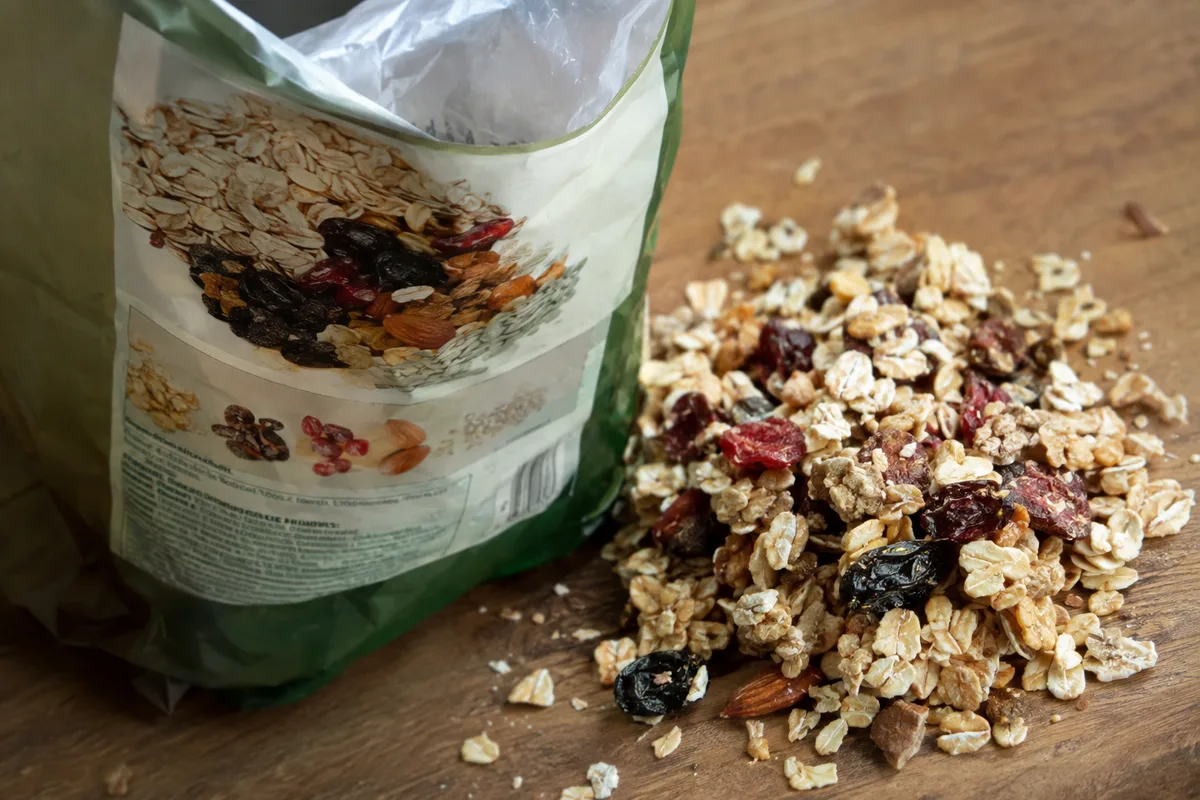
The nutrition panel usually shows total sugars, which can include both added and naturally occurring sugars. This means plain yoghurt and sweetened yoghurt may both list sugar, even though the source is not the same. Compare the ingredients as well as the sugar figure to understand what you are logging.
Claims on the front of a packet do not always tell the whole story. Wording such as “no added sugar” does not necessarily mean that a product contains no sugar, because its ingredients may naturally contain it. Label rules and wording can vary, so the full packet information is more useful than one prominent claim.
- Sugar, cane sugar and brown sugar
- Glucose, fructose, dextrose and maltose
- Honey, treacle, molasses and syrups
- Fruit juice concentrate and fruit purée used for sweetness
What can you eat?
A no added sugar pattern can still include a wide range of familiar foods. Meals can be built around vegetables, beans, lentils, eggs, fish, meat, tofu, plain dairy foods, whole grains, nuts and seeds. Whole fruit can provide sweetness without needing to be treated like a spoonful of added sugar.

Carbohydrate foods do not automatically count as added sugar. Bread, rice, pasta, oats and potatoes contain carbohydrate, but that does not make them the same as sweets or sugary drinks. Check packaged versions for added sweeteners rather than excluding the whole food group.
Flavour does not have to come from sugar. Herbs, spices, citrus, vinegar, garlic and toasted nuts can make meals more interesting. For snacks, combining fruit or vegetables with a source of protein or fat can make the choice feel more complete.
- Porridge with berries, cinnamon and plain yoghurt
- Eggs with wholegrain toast and tomatoes
- Lentil soup with vegetables and herbs
- Plain yoghurt with fruit and nuts
- Roast vegetables with fish, tofu, beans or chicken
Practical swaps for everyday foods
Begin with foods and drinks that contribute added sugar regularly, rather than trying to change everything at once. Your food log can help you notice repeated choices, such as a sweetened drink each afternoon or a sugary cereal most mornings. Choose one change that still leaves you with something enjoyable and convenient.

Some foods can be swapped directly, while others are easier to adjust gradually. For example, you might mix a sweetened cereal with plain oats before moving towards a less sweet bowl. Taste preferences can change over time, but there is no required timetable.
Sugar substitutes are one option, but they are not essential to a no added sugar approach. Some people prefer them, while others would rather use fruit, spices or less sweetness overall. Record them if that helps you understand your habits, especially when sweetness itself is what you are trying to reduce.
- Sweetened cereal to plain porridge with fruit
- Flavoured yoghurt to plain yoghurt with berries
- Sugary soft drink to sparkling water with citrus
- Sweet bottled sauce to herbs, spices, mustard or vinegar
- Dessert every day to fruit on some days and a chosen dessert on others
How to track the diet without chasing perfection
Decide what “no sugar” means in your own log before you begin. You might track added sugars, count occasions when you choose sweetened foods, or simply note the main sources. The best method is one you can apply consistently without turning every meal into a puzzle.
Look at patterns across several days rather than judging a single choice. Restaurant meals and homemade dishes may not provide exact added-sugar information, so a sensible estimate or a brief note may be enough. The exact amount depends on the ingredients and portion.
A flexible approach can make room for social meals and favourite foods. Eating something with added sugar does not erase the rest of your choices, and it does not require compensation at the next meal. Use the log as information that guides your next decision, not as a score of how well you have behaved.
- Write a simple personal rule for what you are limiting
- Use ingredients lists to separate added from naturally occurring sugars
- Track repeated sources before focusing on small amounts
- Accept estimates when exact information is unavailable
- Review patterns and adjust one regular choice at a time