
What Is a Superset and How Does It Work?
A superset means doing two exercises one after the other, with little or no rest between them. This guide explains common pairings, their uses and how to plan them without letting technique slip.
What a superset means
In a standard workout, you complete a set of one exercise and then rest before the next set. In a superset, you perform a set of one exercise and move straight into a different exercise. You usually rest after both exercises are complete.
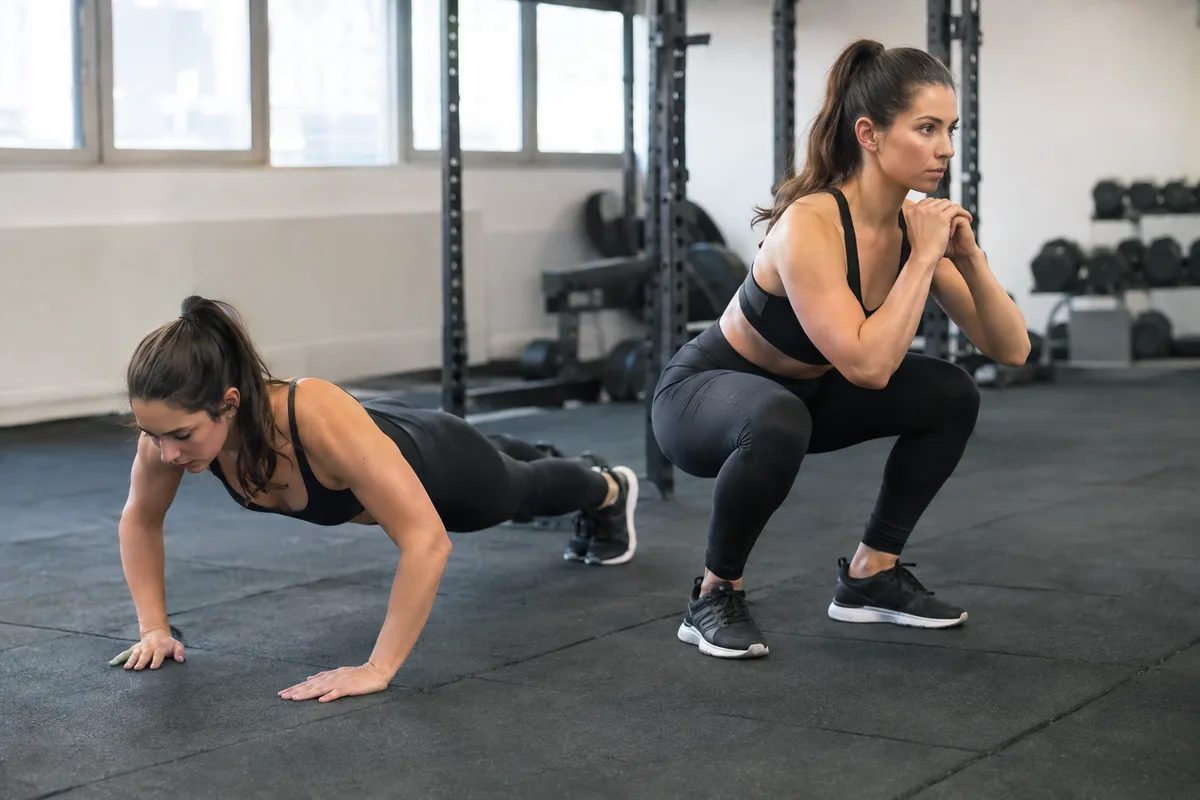
The two exercises together count as one superset. For example, you might perform a set of press-ups followed by a set of bodyweight squats, then take a break. The number of repetitions and the length of the rest depend on your experience, goals and choice of exercises.
- Exercise A, followed immediately by Exercise B
- A rest after both exercises
- The same pairing repeated for the planned number of rounds
Why supersets are used
Supersets fit more work into a shorter block of training because some of the usual rest periods are removed. They can also make a session feel more active and varied. This does not automatically make them better than ordinary sets, as the best format depends on the aim of the session.
The shorter gap between exercises can make a pairing feel demanding, even when each movement is familiar. Tiredness may reduce the number of controlled repetitions you can perform or affect the load you can handle. If your main goal is to practise a difficult movement or produce your strongest effort, longer rests may be more suitable.
- To organise two related exercises together
- To reduce waiting time between sets
- To add variety to a familiar session
- To create a steady training rhythm
Common ways to pair exercises
A superset can train the same area twice or alternate between different parts of the body. Training the same area back to back usually creates more local fatigue. Alternating areas may allow one group of muscles to recover while another works.
You can also pair opposing actions, such as a pushing movement with a pulling movement. Another option is to combine a main exercise with a simpler movement that supports the same training goal. The pairing should suit your ability and should not force you to rush into an awkward position.
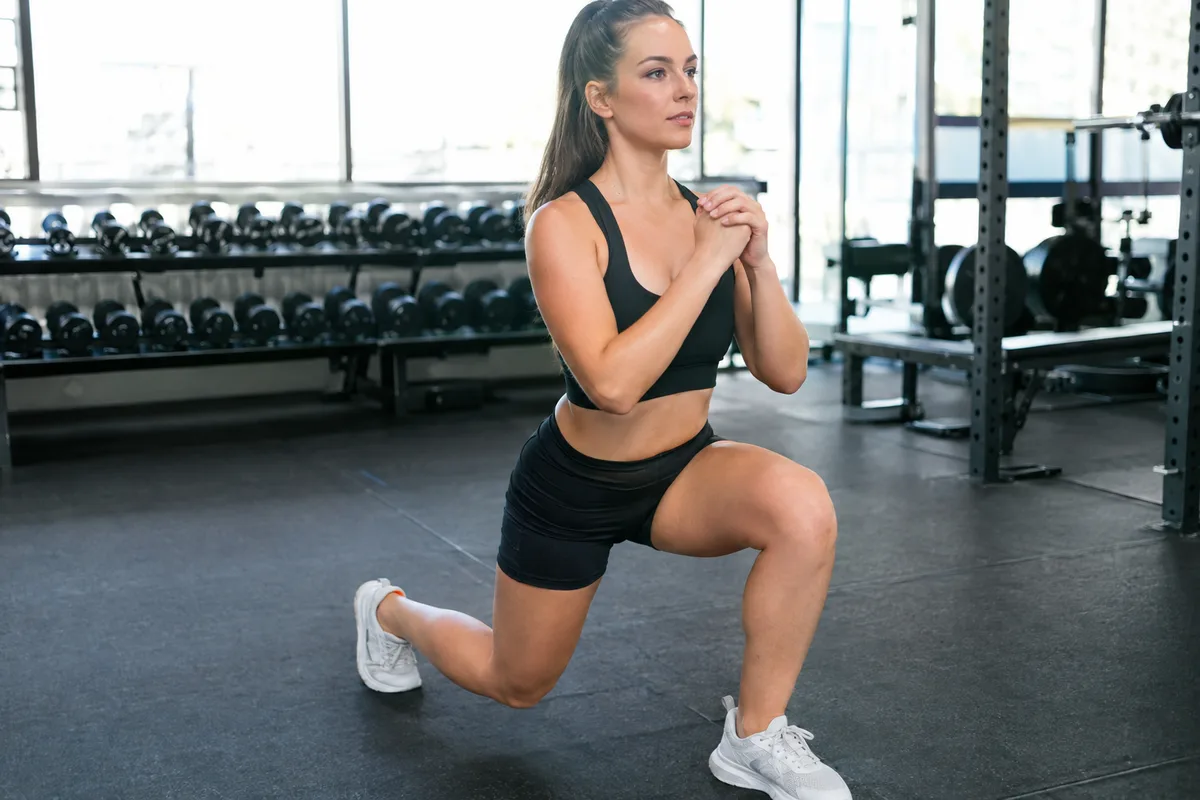
- Same area: split squats followed by glute bridges
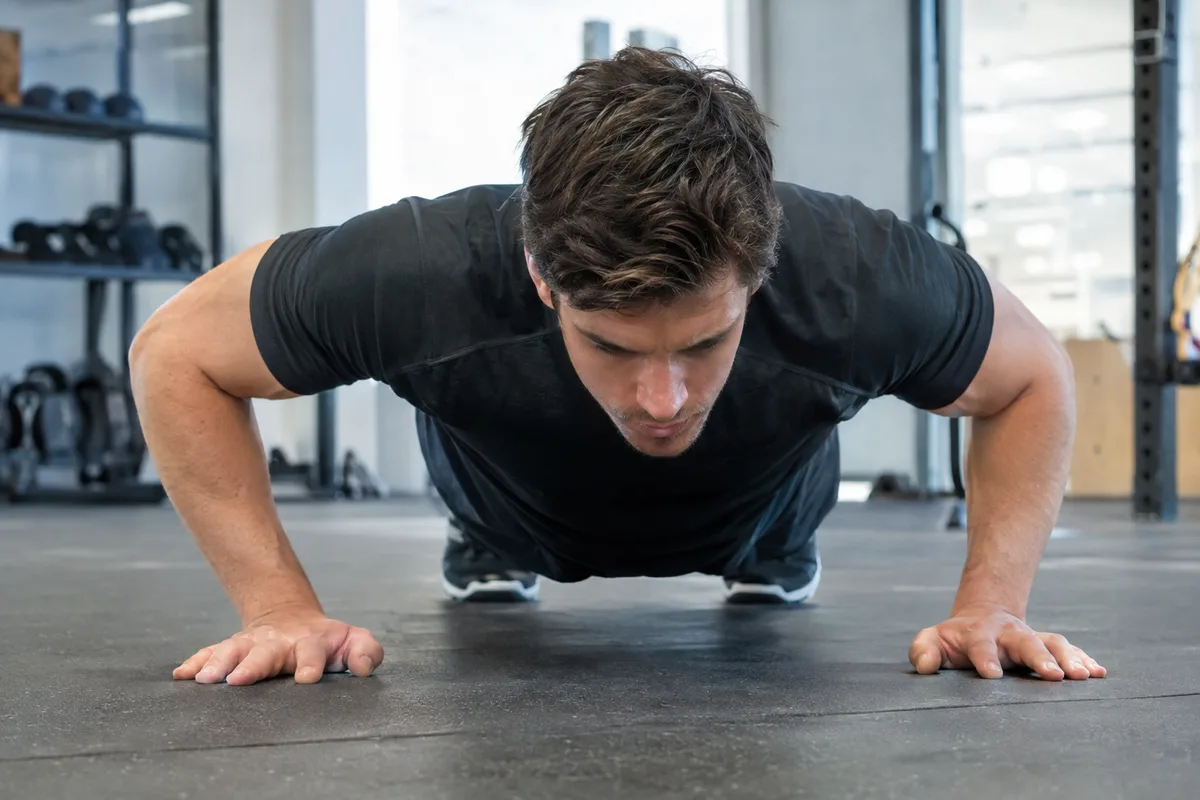
- Different areas: press-ups followed by bodyweight squats
- Opposing actions: a pushing exercise followed by a pulling exercise
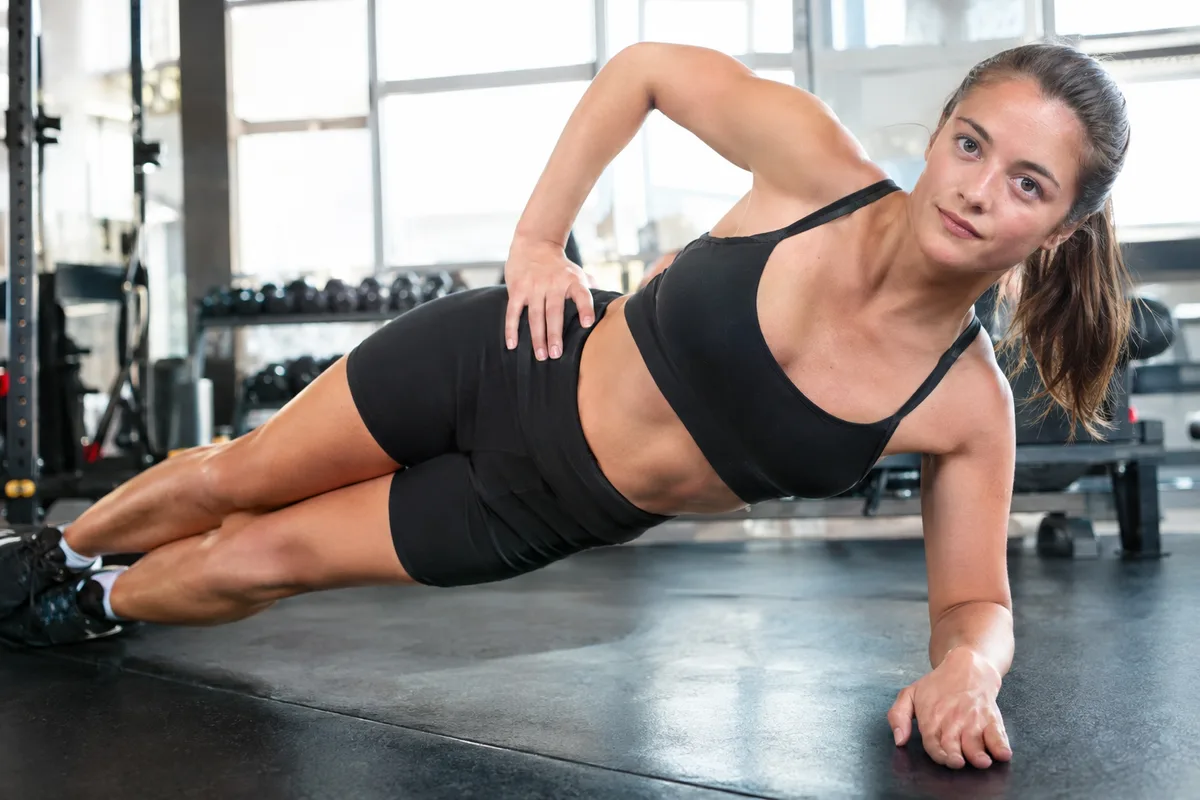
- Core pairing: a controlled curl-up followed by a side plank
How to build a superset
Start with two exercises you can already perform with steady technique. Decide the repetitions for each movement before beginning, rather than continuing until your form changes. Leave enough space and prepare your position so the change between exercises is simple.
Perform the first exercise, move to the second and then rest. Repeat the pairing only while both movements remain controlled. If the second exercise regularly becomes untidy, reduce the repetitions, make the movement easier or allow a short pause between exercises.
Avoid pairing two highly demanding movements when you are still learning them. A simpler second exercise often makes the session easier to manage. Your appropriate workload depends on your training history, recovery and the exercises involved.
- Choose two familiar exercises
- Set a clear repetition target for each
- Keep the transition calm and organised
- Rest after the second exercise
- Adjust the pairing if technique starts to slip
Using supersets safely and comfortably
Moving quickly between exercises should not mean rushing each repetition. Keep the same range of movement and control that you would use during a normal set. Stop the pairing if you cannot maintain a stable position or the movement no longer feels manageable.
Allow more rest when breathing becomes too hurried to prepare properly for the next round. You can also use an easier variation or pair exercises for different areas of the body. Supersets are a training format, not a test that must be completed without pauses.
Consider the space around you before starting, especially in a shared training area. Choose exercises that do not require you to hold several stations at once. This keeps the pairing practical without getting in the way of anyone else's session.
- Prioritise controlled repetitions over speed
- Use a manageable level of resistance
- Keep transitions clear and unhurried
- Take extra rest when needed
How to record supersets in your training log
Record both exercises as one pairing so you can see how they were performed together. Note the repetitions, resistance or exercise variation for each movement, followed by the rest taken after the pair. This gives more useful context than recording the exercises as unrelated sets.
Pay attention to whether the second exercise stays consistent across each round. If its quality drops quickly, the first exercise may be too demanding or the rest may be too short. Change one part at a time so you can tell what made the pairing more manageable.
Supersets can sit alongside ordinary sets in the same programme. You might keep demanding or technical work as separate sets, then use supersets for simpler movements later in the session. There is no required number of supersets, as the right amount depends on the person and the wider training plan.
- Names of both exercises
- Repetitions or time for each movement
- Resistance or exercise variation
- Rest taken after the pair
- Notes on control and effort