
What Is ‘Nature’s Gatorade’ and Does It Actually Work?
‘Nature’s Gatorade’ is an informal name for a homemade drink containing fluid, electrolytes and sometimes carbohydrate. Here is what those ingredients do, when the drink may help and how to track it accurately.
What people mean by ‘nature’s Gatorade’
‘Nature’s Gatorade’ is a social-media nickname rather than a recognised recipe. It usually means coconut water mixed with citrus juice and a small amount of salt. Some versions also contain honey, maple syrup, fruit juice or blended fruit.
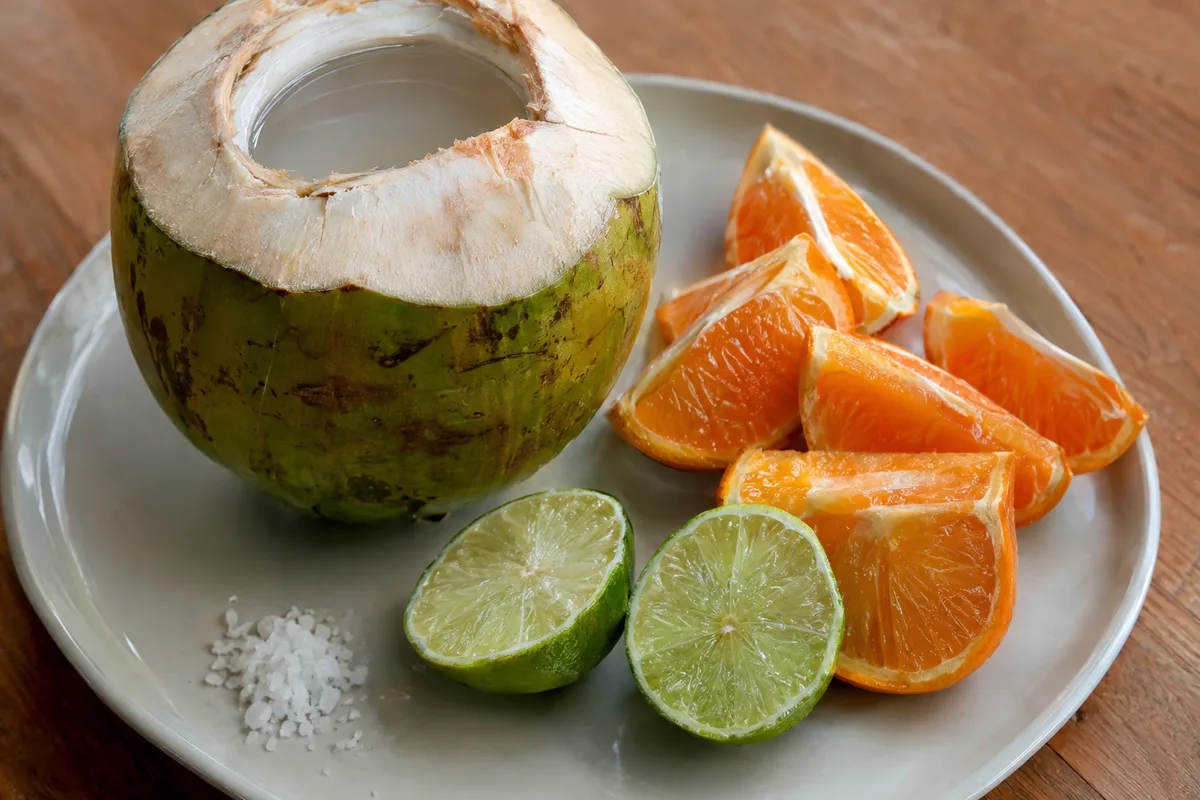
The idea is to combine fluid with minerals lost in sweat and carbohydrate that can supply energy. Coconut water provides potassium and some natural carbohydrate, while added salt supplies sodium. Citrus mainly adds flavour, along with a little carbohydrate and potassium.
Because there is no standard recipe, two drinks with the same nickname can have very different nutrition. The ingredients and serving size determine how much carbohydrate, sodium, potassium and energy you consume. This variation matters if you track your intake.
- Coconut water as the main fluid
- Lemon, lime or orange juice for flavour
- A small amount of salt for sodium
- Honey, maple syrup or extra juice in sweeter versions
How hydration drinks work
Sweating removes water and electrolytes, including sodium. Drinking replaces fluid, while food and drinks across the day replace the electrolytes. A flavoured drink may also be easier to sip if plain water feels unappealing.
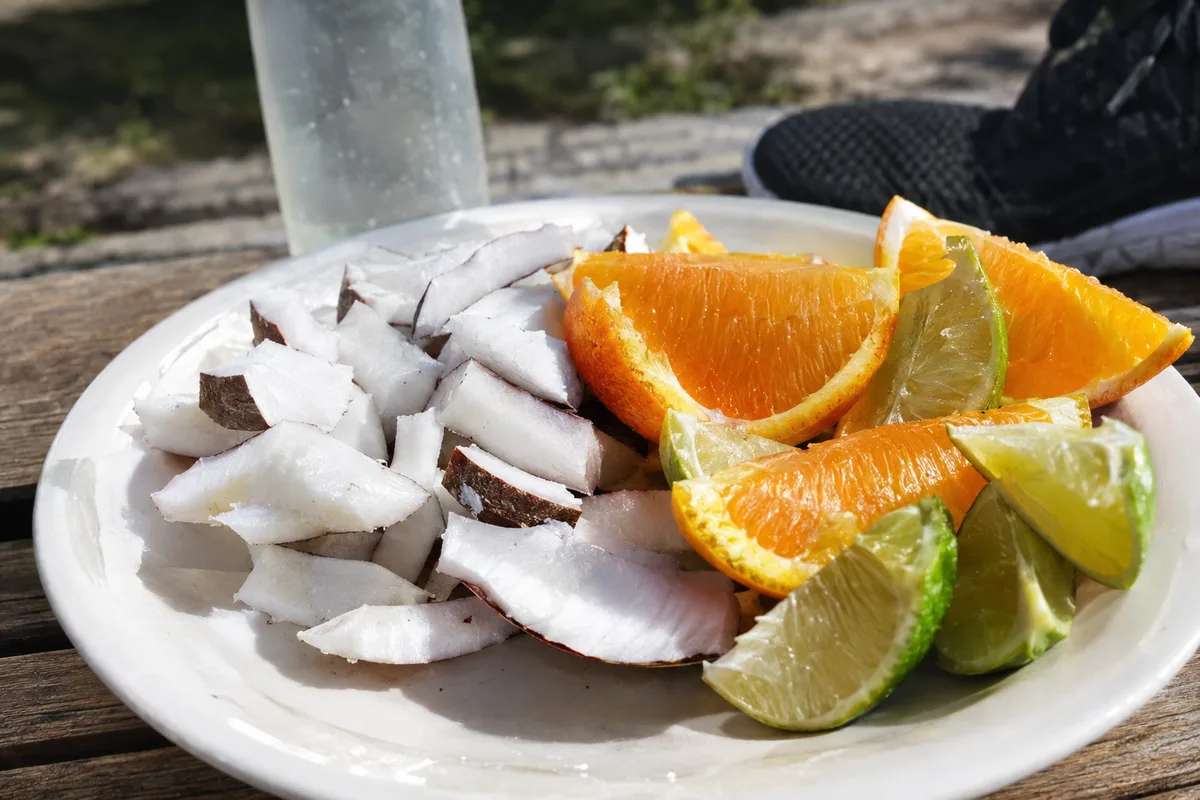
Carbohydrate can provide fuel during longer or harder activity and help replace energy afterwards. It contributes about 4 kcal per gram, whether it comes from coconut water, juice, honey or sugar. That does not make one source automatically better for tracking purposes.
A useful hydration drink therefore needs to suit the activity, the conditions and the person. More ingredients do not always make it more effective. For a short, comfortable session, plain water and normal meals may already cover what is needed.
- Fluid replaces water lost through sweat
- Sodium helps replace an electrolyte found in sweat
- Carbohydrate provides readily available energy
- Flavour may encourage regular drinking
Does the homemade version work?
It can work as a pleasant way to take in fluid, some electrolytes and carbohydrate. Whether it does enough depends on how much you sweat, the length and intensity of the activity, the weather and what you eat around it. There is no single recipe that suits everyone.

Coconut water is naturally higher in potassium than sodium. Adding salt changes that balance, but a casual pinch is not a precise measurement. A heavily diluted version may provide little carbohydrate or sodium, while a sweet version may provide more energy than expected.
The drink is not automatically more effective because its ingredients are familiar or minimally processed. Its value comes from what it contains and whether that matches your needs. Taste, comfort and convenience also influence whether you will actually drink it.
- May be useful during prolonged or demanding movement
- May suit hot conditions or noticeably sweaty sessions
- May be unnecessary for brief, easy activity
- May need adjusting if it tastes too sweet, salty or acidic
When water may be enough
Not every walk, gym visit or gentle class calls for a special drink. If the activity is brief, the conditions are mild and you have eaten normally, water is often a straightforward choice. Your next meal or snack can provide carbohydrate and electrolytes.

Thirst, comfort and the conditions can guide what you take with you. A person who sweats heavily may have different needs from someone doing the same movement at an easier pace. The right amount of fluid also depends on body size, clothing and the surrounding temperature.
Drinking far beyond thirst is not the aim. Instead, make fluid available and drink at sensible intervals, especially when conditions are warm. If a qualified professional has advised you to limit sodium, potassium, sugar or fluid, follow that personal guidance.
- Choose water for short or low-intensity sessions
- Consider a mixed drink for longer, harder or hotter activity
- Use meals and snacks to replace energy after ordinary movement
- Adjust according to thirst, sweat and comfort
How to log it accurately
Track a homemade hydration drink as a recipe rather than using a generic database entry. Log the coconut water, fruit juice, sweetener and salt separately, then divide the total by the amount you drank. This captures changes when you alter the mixture.
Measure poured ingredients when practical, particularly juice and sweeteners. A squeeze, splash or spoonful can vary considerably from one preparation to the next. Salt also deserves its own entry if you monitor sodium.
Do not assume homemade means calorie-free. Coconut water, juice, honey and maple syrup all contain carbohydrate, so they contribute energy. The exact amount depends on the ingredients, their quantities and your serving size.
- Create a saved recipe for your usual mixture
- Record each carbohydrate-containing ingredient
- Include added salt when tracking sodium
- Change the serving size if you drink only part of the batch
- Update the recipe whenever the proportions change
A simple way to decide
Start with the purpose of the drink. If you mainly need fluid for an ordinary session, water may be sufficient. If activity is prolonged, demanding or very sweaty, fluid with sodium and carbohydrate may be more useful.
Next, check what the recipe actually provides rather than relying on its nickname. Coconut water and citrus alone are not nutritionally identical to a version containing salt and sweetener. Reading labels and logging ingredients will give you a clearer picture.
Finally, judge it by practical results such as taste, stomach comfort and how easily you can drink it during movement. There is no need to force down a mixture that feels unpleasant. ‘Nature’s Gatorade’ can be useful, but it is one flexible drink option rather than a special formula.
- Match the drink to the length and effort of the activity
- Account for heat and how much you tend to sweat
- Check the sodium and carbohydrate sources
- Log the recipe instead of trusting the nickname