
What Is the Abs Diet and How Does It Work?
The Abs Diet combines a structured eating pattern with regular strength and cardiovascular exercise. This guide explains its main ideas and how to assess it alongside your existing food tracking.
The basic idea behind the Abs Diet
The Abs Diet is an eating and exercise programme built around filling, minimally processed foods. Despite its name, it is not a way to remove fat from one particular part of the body. Changes in body fat happen across the body, and where they appear first depends on the person.
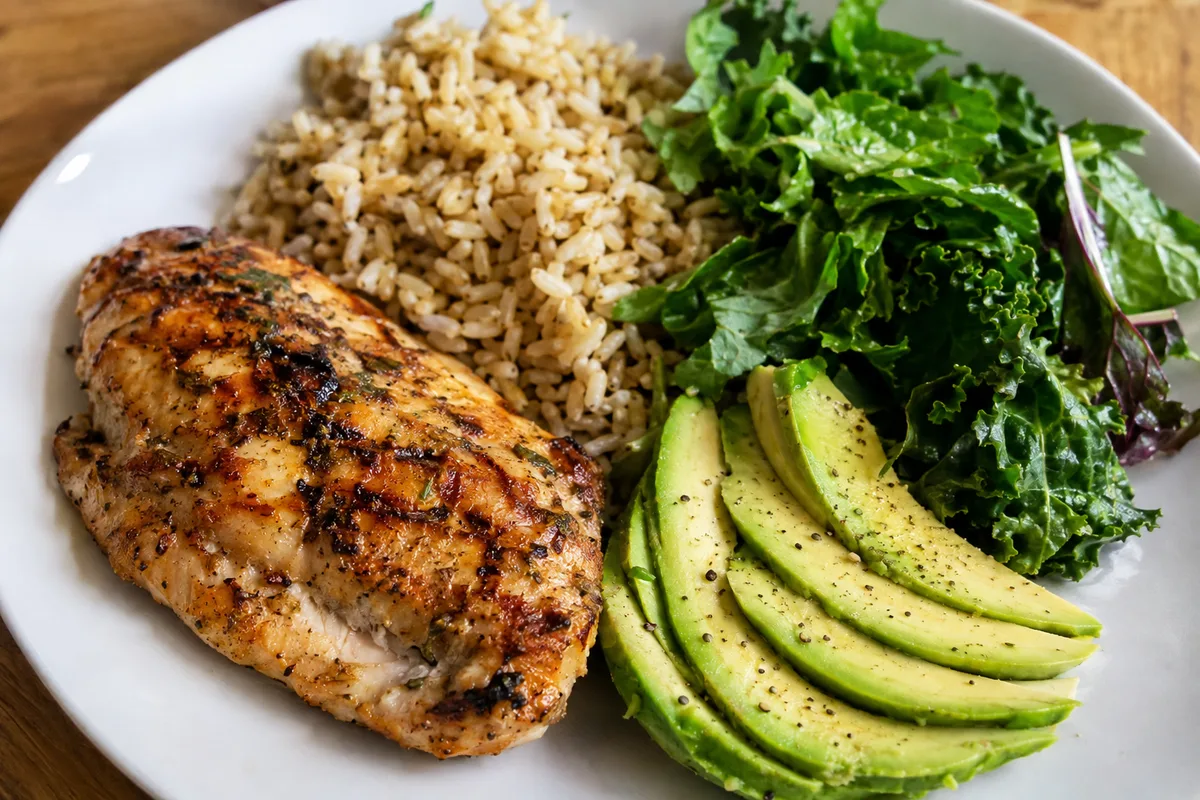
The approach usually spreads food across regular meals and snacks rather than leaving long gaps. Protein, fibre-rich carbohydrates and unsaturated fats appear repeatedly throughout the day. Exercise, especially strength work, is treated as part of the programme rather than an optional extra.
- Base meals on a source of protein
- Choose vegetables, fruit and wholegrain foods regularly
- Include nuts, seeds or other sources of unsaturated fat
- Combine the eating pattern with strength and cardiovascular activity
Foods at the centre of the plan
The plan groups its preferred foods into broad categories rather than asking you to eat a single set menu. These include lean protein sources, pulses, wholegrains, vegetables, fruit, nuts and lower-fat dairy foods. Different descriptions of the diet may organise or label these categories differently.
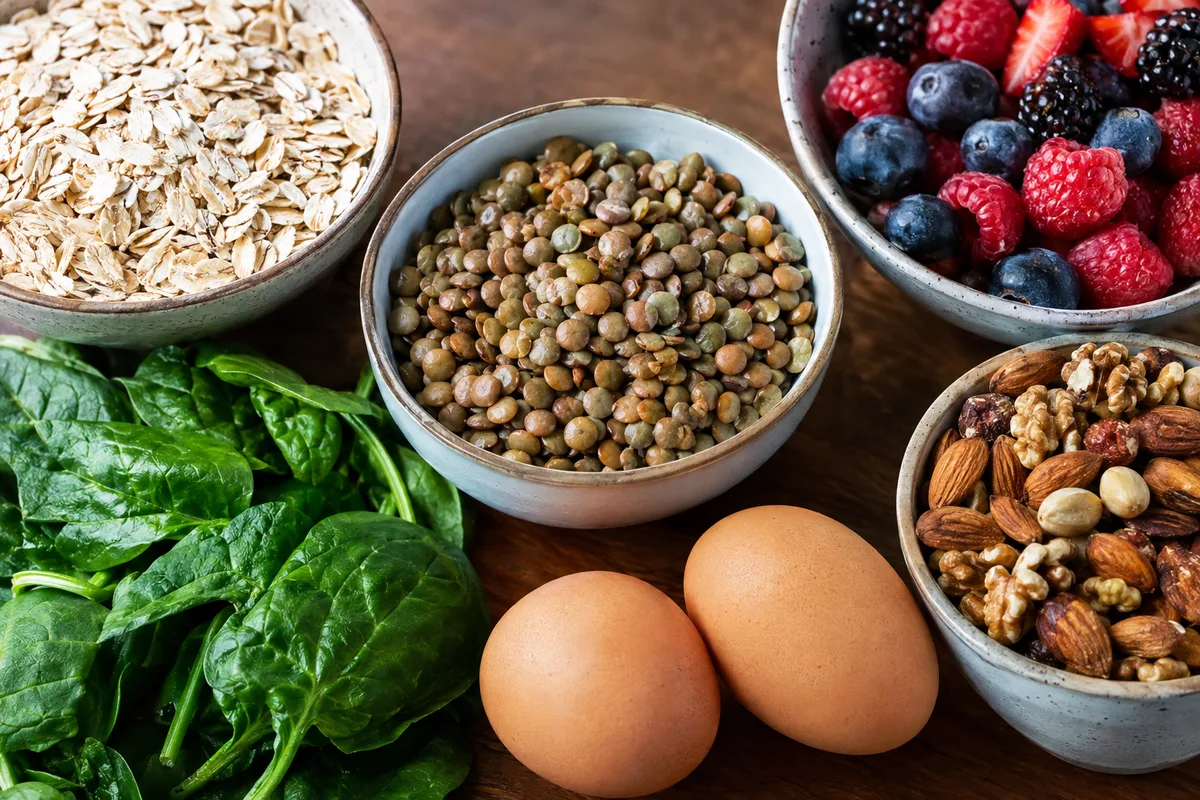
There is no special quality in the group names themselves. Their practical value is that they encourage meals containing protein, fibre and a range of textures. You can use foods that suit your taste, culture and usual shopping habits while keeping the same general structure.
- Eggs, fish, poultry, tofu and other protein-rich foods
- Beans, lentils and other pulses
- Oats, wholegrain bread and other wholegrain foods
- Leafy vegetables, berries and other fruit and vegetables
- Nuts, seeds, olive oil and unsweetened nut butters
How meals and snacks are arranged
The Abs Diet is commonly described as three meals with three snacks placed between them. That timing is a framework, not a requirement for fat loss or good nutrition. Some people prefer fewer eating occasions, while others find regular planned snacks helpful.
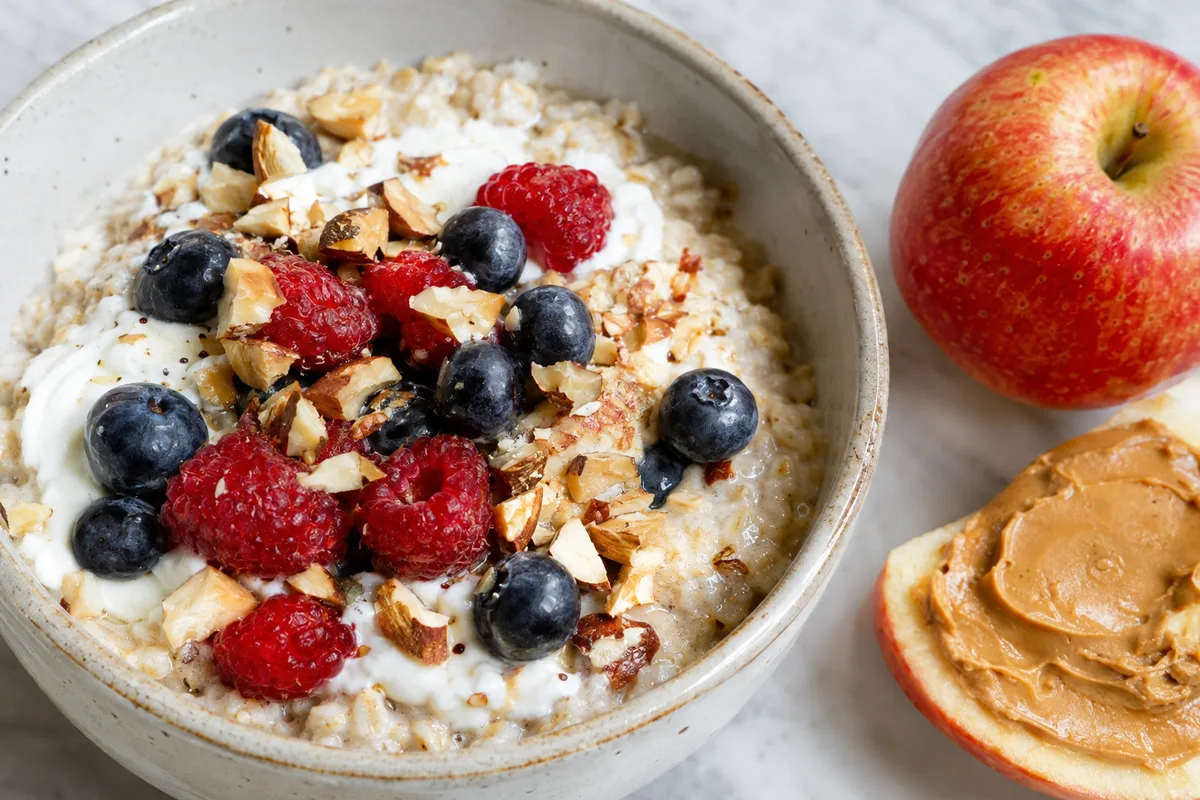
A typical meal combines protein with vegetables or fruit, a fibre-rich carbohydrate and some fat. A snack is usually smaller and may pair two of those elements, such as fruit with yoghurt or vegetables with hummus. Portions still matter because nutritious foods can contribute more energy than you need when serving sizes keep growing.
- Breakfast: porridge with yoghurt, berries and nuts
- Lunch: wholegrain wrap with chicken or tofu and salad
- Snack: apple with unsweetened peanut butter
- Dinner: fish or beans with vegetables and brown rice
How it fits with calorie tracking
Tracking can show whether the plan's meal pattern matches your energy needs. The Abs Diet may influence food choices, but it does not make energy intake irrelevant. Your suitable intake depends on your body, activity, goals and other personal factors.

Log oils, dressings, nut butters, nuts and drinks as carefully as the main ingredients. These foods can fit comfortably, but casual pours and spoonfuls are easy to overlook. Use your record to notice patterns rather than treating one meal or one day as a verdict.
You can also track protein and fibre if those details are useful to you. Look for meals that keep you comfortably satisfied and support your training. There is no need to force extra snacks into your day when they simply push intake beyond your planned range.
- Record ingredients as well as finished meals
- Check the serving size shown in your food log
- Review weekly patterns rather than reacting to one entry
- Adjust meal timing to suit your appetite and routine
The exercise part of the programme
The programme places particular emphasis on strength training, including movements for the abdomen and the rest of the body. Abdominal exercises can strengthen those muscles, but they do not choose where the body uses stored fat. A balanced routine also trains the legs, back, chest, shoulders and arms.
Cardiovascular movement can sit alongside strength sessions and everyday activity. The suitable type, effort and frequency depend on your starting point, preferences and schedule. Rest and gradual progress are important parts of a routine, not signs that the plan has stopped.
- Squats or sit-to-stand movements
- Press-ups against a wall or stable surface
- Rows using suitable resistance
- Planks or controlled abdominal bracing
- Brisk walking, cycling or swimming
What to consider before following it
The strongest parts of the Abs Diet are its focus on regular meals, protein-rich foods, fibre and resistance exercise. These are practical habits, but they are not unique to this named programme. You can use the useful principles without following every rule or food category.
The name may create an unrealistic impression that a particular eating plan can guarantee visible abdominal muscles. Appearance is influenced by overall body composition, muscle development, genetics and other personal factors. No meal plan can promise a specific look or decide where body fat changes occur first.
Consider whether the structure works with your appetite, social life, food preferences and training. If six eating occasions feel awkward, use a pattern that is easier to maintain while keeping meals balanced. Your food log can help you judge the plan by consistency, satisfaction and nutritional variety rather than by its label.
- Keep the balanced meals that suit you
- Change the meal frequency when needed
- Avoid treating any single food as essential
- Judge progress using more than appearance alone