
Which Cooking Oil Is Healthiest for Deep Frying?
The best oil for deep frying needs to remain stable at high heat while fitting your wider eating pattern. This guide explains which labels to look for, how to handle the oil and how to log fried food.
There is no single healthiest frying oil
Deep frying surrounds food with hot oil, so the oil must tolerate sustained heat without smoking or breaking down quickly. A neutral flavour and a suitable smoke point are useful, but they are not the whole story. The type of fat, how refined the oil is and whether it has been used before also matter.
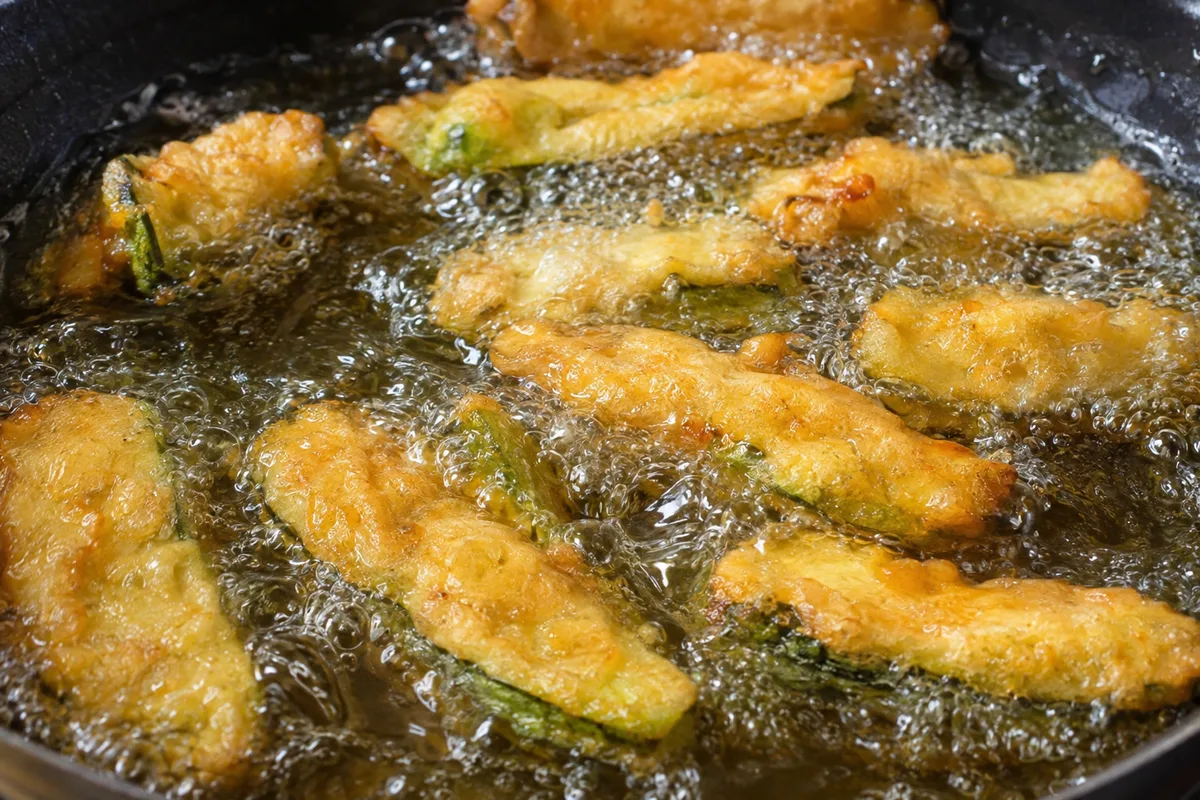
For everyday use, a refined oil rich in monounsaturated fat is a practical choice. Refined high-oleic rapeseed or sunflower oil, refined olive oil and groundnut oil can all work well. The best option depends on availability, flavour, household needs and how often you deep fry.
- Choose an oil labelled for frying or high-heat cooking
- Prefer refined oil for a neutral flavour and reliable heat tolerance
- Look for high-oleic versions of sunflower or rapeseed oil
- Treat smoke as a warning that the oil is too hot or deteriorating
Oils that are well suited to deep frying
High-oleic oils contain more monounsaturated fat than standard versions of the same oil. This generally makes them more resistant to changes during prolonged heating. High-oleic rapeseed and sunflower oils also tend to have mild flavours that do not dominate the food.
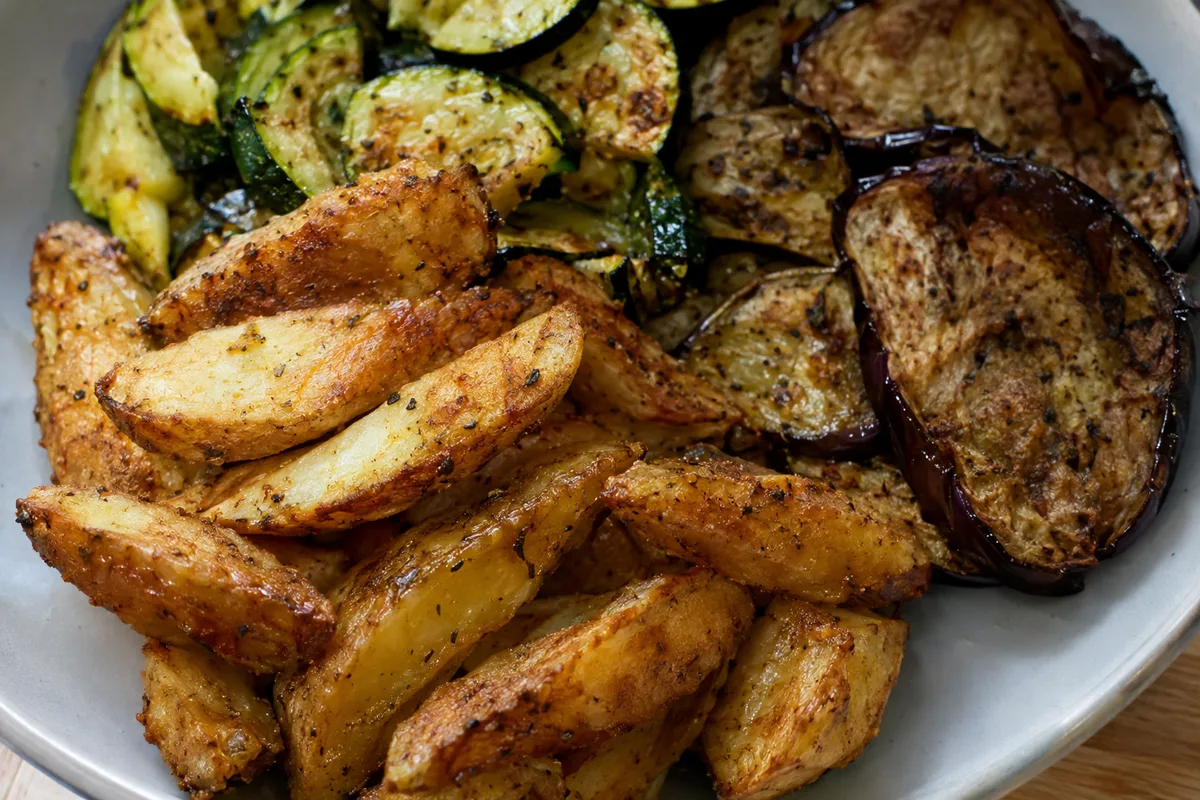
Refined olive oil and groundnut oil are other useful choices. Refined olive oil is milder than extra virgin olive oil, while groundnut oil has a subtle flavour that suits many savoury foods. Extra virgin olive oil can tolerate cooking, but its stronger flavour may be wasted in a large batch of frying oil.
- Refined high-oleic rapeseed oil
- Refined high-oleic sunflower oil
- Refined olive oil
- Groundnut oil
Why the label matters more than the oil's name
Two bottles with the same main oil can behave differently because processing changes their heat tolerance. Refining removes some compounds and usually creates a milder oil with a higher smoke point. An unrefined or cold-pressed version is often better kept for dressings or gentler cooking unless its label says otherwise.
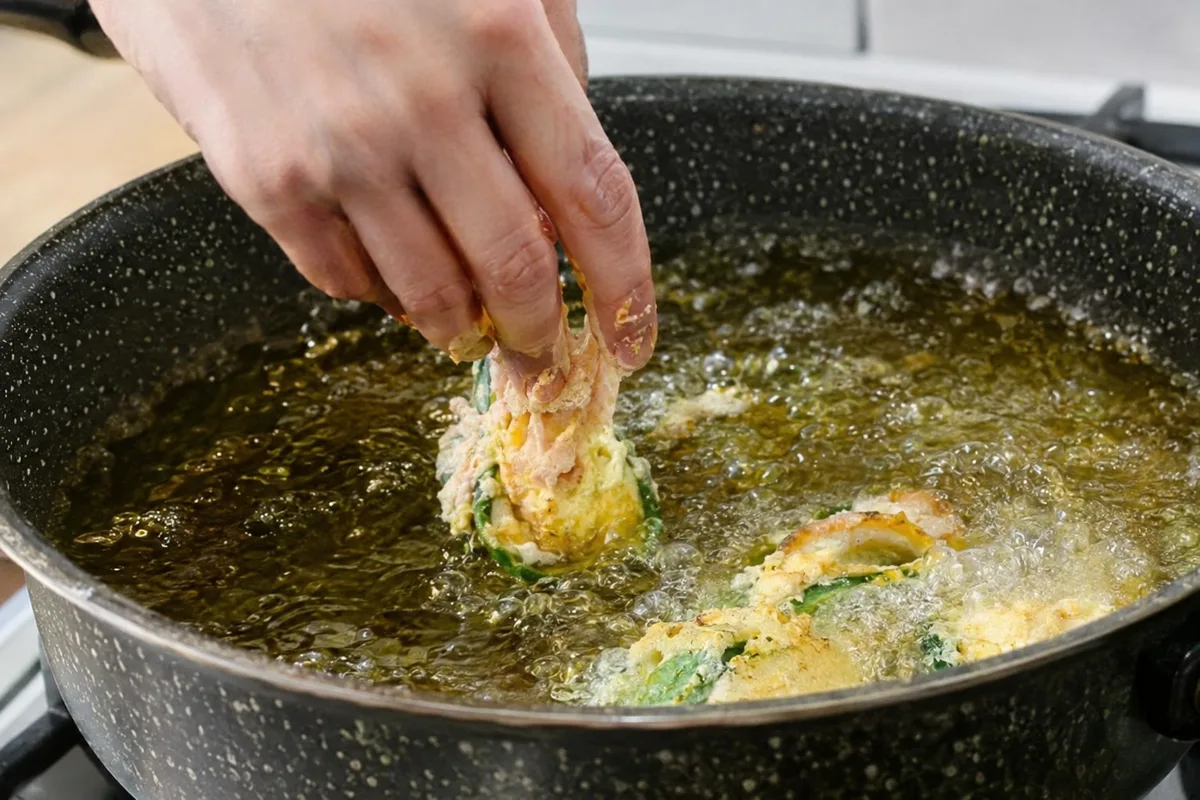
The words high oleic are also important because standard sunflower or rapeseed oil may contain a greater proportion of polyunsaturated fat. Polyunsaturated fats are useful in the diet, but they are generally less stable during repeated high-heat frying. Check the intended cooking use rather than choosing by colour or assuming every version is interchangeable.
- Read whether the oil is refined, unrefined or cold pressed
- Check for high oleic on sunflower or rapeseed oil
- Follow any heating guidance on the label
- Avoid using an oil for deep frying when its intended use is unclear
How to fry without damaging the oil
Oil quality depends as much on handling as on the variety you choose. Keep the heat steady and do not allow the oil to smoke. Adding too much food at once cools the oil, which can lengthen cooking and leave the coating feeling greasy.
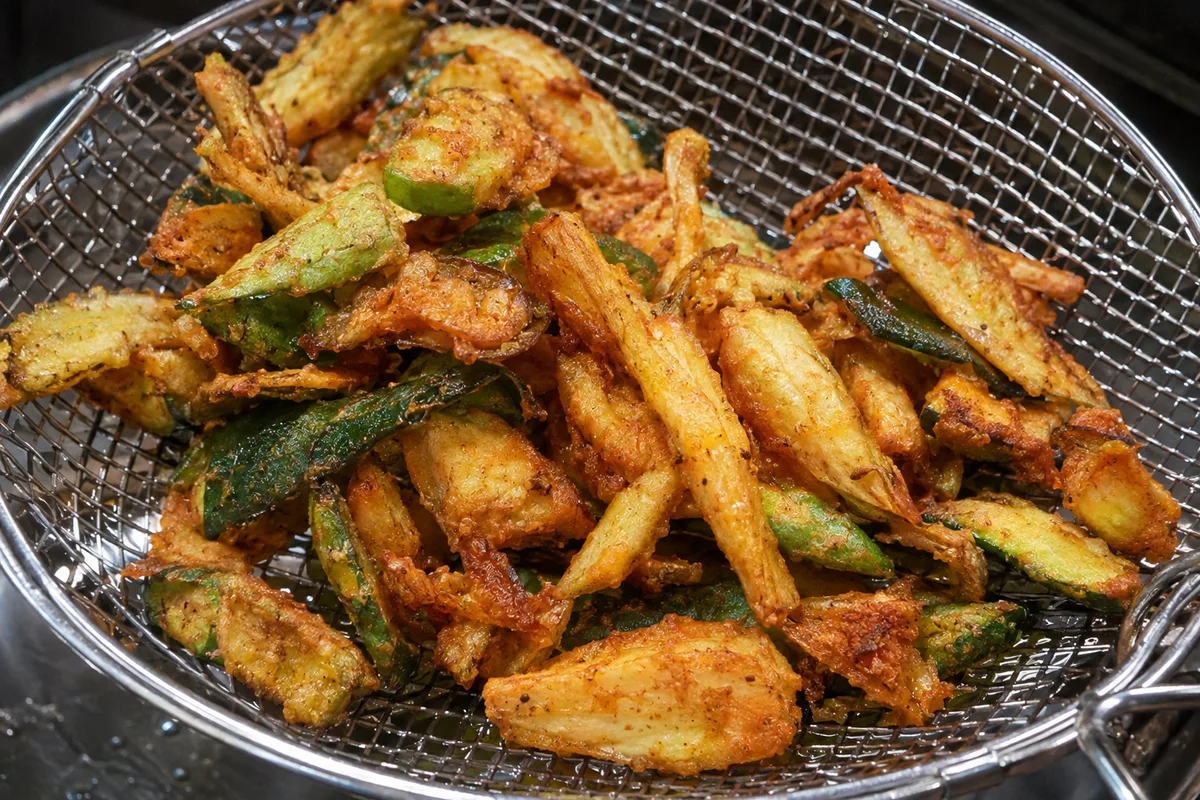
Food should be reasonably dry before it enters the oil because excess water causes vigorous bubbling and splashing. Remove loose crumbs between batches, as they can burn and affect the oil. Let fried food drain after cooking, but remember that draining does not remove all the oil it has absorbed.
- Pat wet ingredients dry before coating or frying
- Lower food into the oil carefully
- Cook in manageable batches
- Remove dark crumbs between batches
- Stop heating if the oil begins to smoke
Know when not to reuse frying oil
Oil changes each time it is heated, especially when crumbs, coatings and moisture remain in it. If you plan to reuse it, allow it to cool safely, strain out food particles and store it in a clean covered container. Keep different frying oils separate so their age and use are easier to judge.
Discard oil when it smells stale, looks unusually dark or thick, foams persistently, or smokes earlier than expected. Do not judge it only by how many times it has been used, because food type, heat and cooking time all affect its condition. Oil used for strongly flavoured food may also be unsuitable for a different dish even when it still looks clear.
- A stale or unpleasant smell
- A dark, thick or sticky appearance
- Persistent foaming during heating
- Smoke appearing sooner than before
- A strong flavour carried over from previous food
How deep-fried food fits into food tracking
Deep frying raises a food's energy density because some oil remains in the coating and outer layers. Fat provides about 9 kcal per gram, compared with about 4 kcal per gram for protein or carbohydrate. The amount absorbed depends on the food, coating, frying conditions and draining, so there is no accurate universal figure.
When tracking, use an entry for the finished fried food or build a recipe based on the batch rather than logging all the oil poured into the pan. The difference between the starting and leftover oil is not a perfect measure because some oil may remain on utensils, in crumbs or in storage. For a balanced view, consider portion size and how often deep-fried meals appear alongside vegetables, fibre-rich foods and varied protein sources.
- Log the finished food rather than the full pan of oil
- Use the same tracking method each time for better consistency
- Include coatings, batters and sauces
- Record a sensible portion rather than estimating from the serving plate alone