
What the Optavia diet involves
Optavia is a structured eating programme built around packaged foods, home-prepared meals and guidance from a coach. This article explains how it works, what you might eat and how it differs from tracking food yourself.
What is the Optavia diet?
Optavia is a branded eating programme intended to support weight management and habit change. Most versions combine the company’s packaged food portions, called Fuelings, with meals you prepare using ordinary ingredients. Participants may also receive guidance from an Optavia coach.
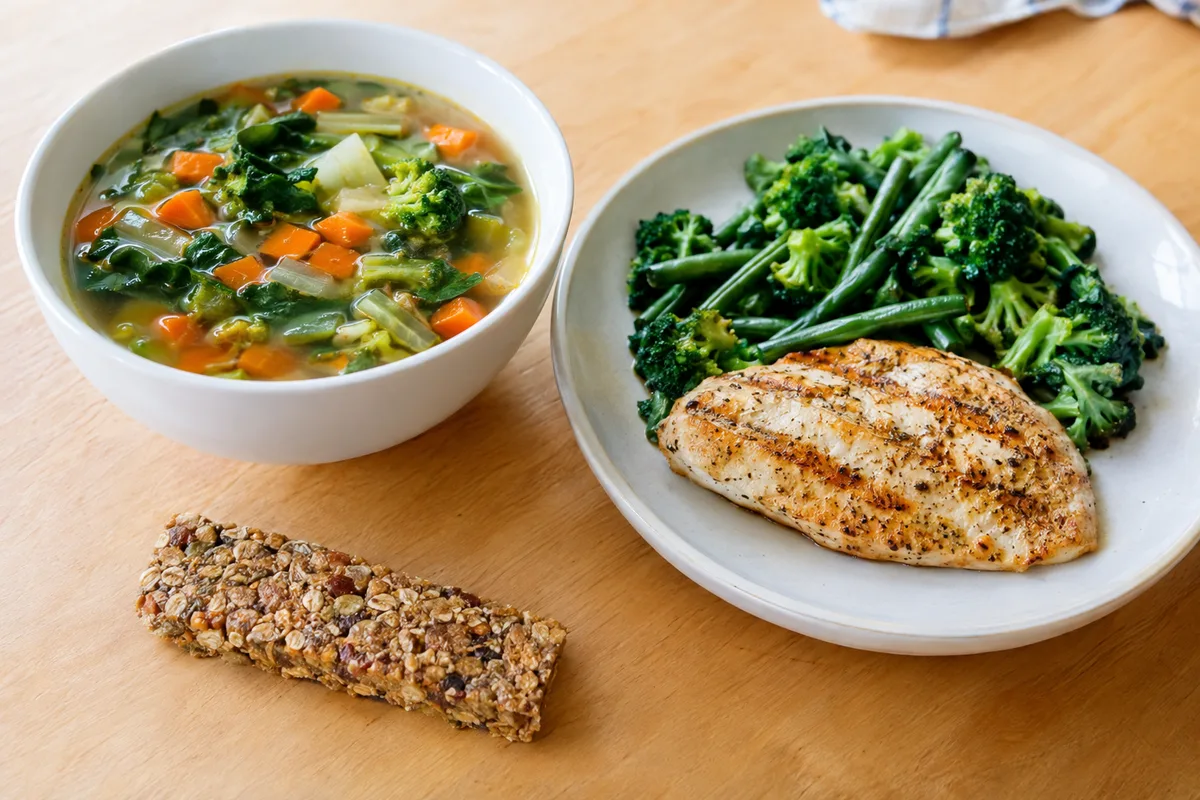
The programme provides a set schedule for when and what to eat, rather than asking you to build every day from scratch. The exact balance of Fuelings and home-prepared food depends on the plan being followed. Plan details can change, so the current instructions matter more than older descriptions found online.
Optavia is not simply a food-tracking method. It narrows the available choices and supplies many portions in advance, while tracking leaves you free to choose foods that fit your own targets. That difference can make Optavia feel straightforward for some readers and restrictive for others.
Fuelings and Lean & Green meals
Fuelings are portioned products supplied as part of the programme. They can include bars, shakes, soups, cereals, snacks and foods that need mixing or heating. Their main role is to make portions and meal timing more consistent.
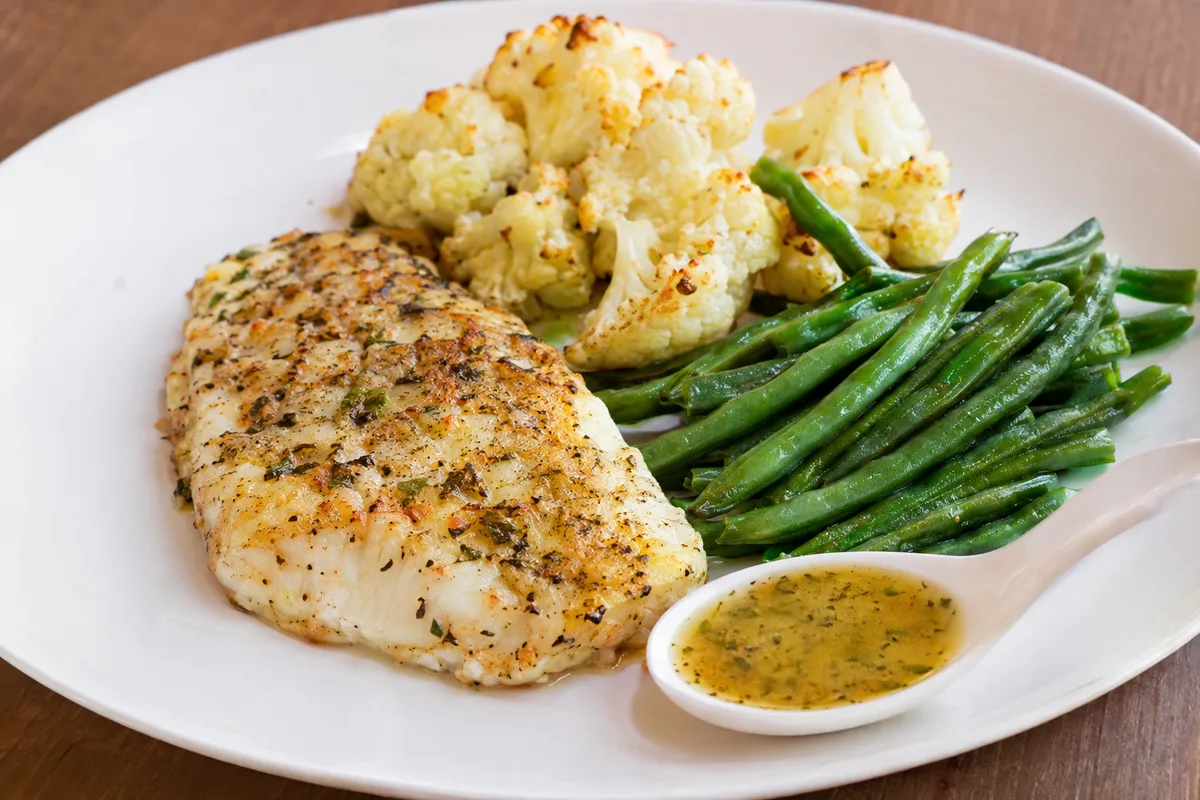
The home-prepared part is commonly called a Lean & Green meal. It generally combines a source of lean protein with non-starchy vegetables and a measured amount of added fat. The permitted foods and portion guidance vary by plan, so a Lean & Green meal is not just any plate containing meat and vegetables.
These meals can be made with poultry, fish, eggs, lower-fat meat or selected plant-based proteins. Vegetables are usually the less starchy varieties, such as leafy greens, courgette, mushrooms or cauliflower. Sauces, dressings and cooking fats still count within the programme’s guidance.
- Grilled chicken with mixed leaves, cucumber and a measured dressing
- Baked fish with cauliflower and green beans
- Eggs with mushrooms, spinach and tomatoes
- Tofu with courgette, cabbage and peppers
How a typical day is organised
Optavia usually divides food across several eating occasions rather than relying on three large meals. A person may alternate packaged Fuelings with a home-prepared meal, following the timing and portions set out for their chosen plan. The number of eating occasions depends on the specific version of the programme.
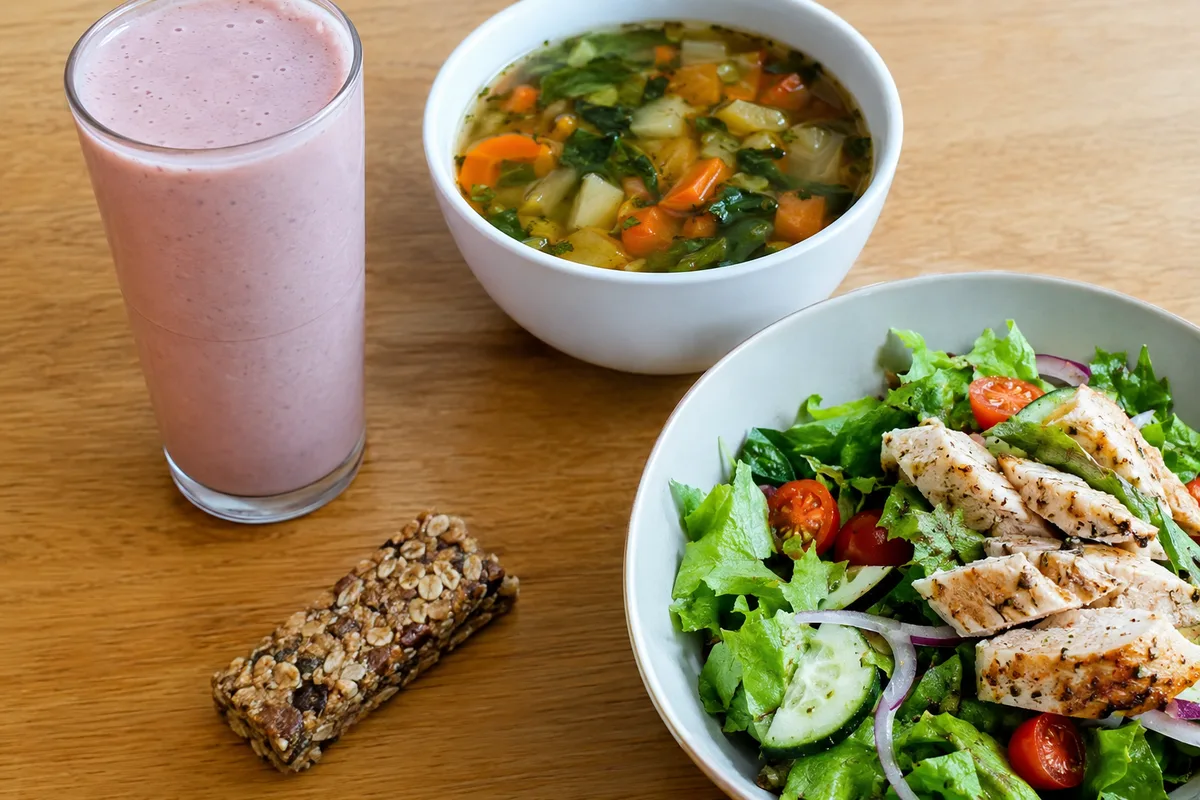
This structure reduces daily decisions because many foods are selected and portioned already. However, it also means spontaneous meals, family recipes and eating out may need more planning. You may have to check ingredients carefully to see whether a meal fits the programme.
If you already track your food, you could record the Fuelings and prepared meals as you would anything else. Recording them may help you see your overall pattern of protein, carbohydrate, fat and fibre. The programme’s schedule should not be confused with a personalised nutrition target, because individual needs differ.
- Check which plan and meal pattern you are following
- Record each Fueling as the labelled serving
- Log the ingredients and cooking fats in prepared meals
- Note hunger, fullness and energy alongside the food entry
How it compares with ordinary food tracking
Food tracking tells you what you have eaten, but it does not automatically decide your menu. Optavia goes further by setting a framework and supplying part of that menu. You therefore make fewer choices, although you also have less flexibility.
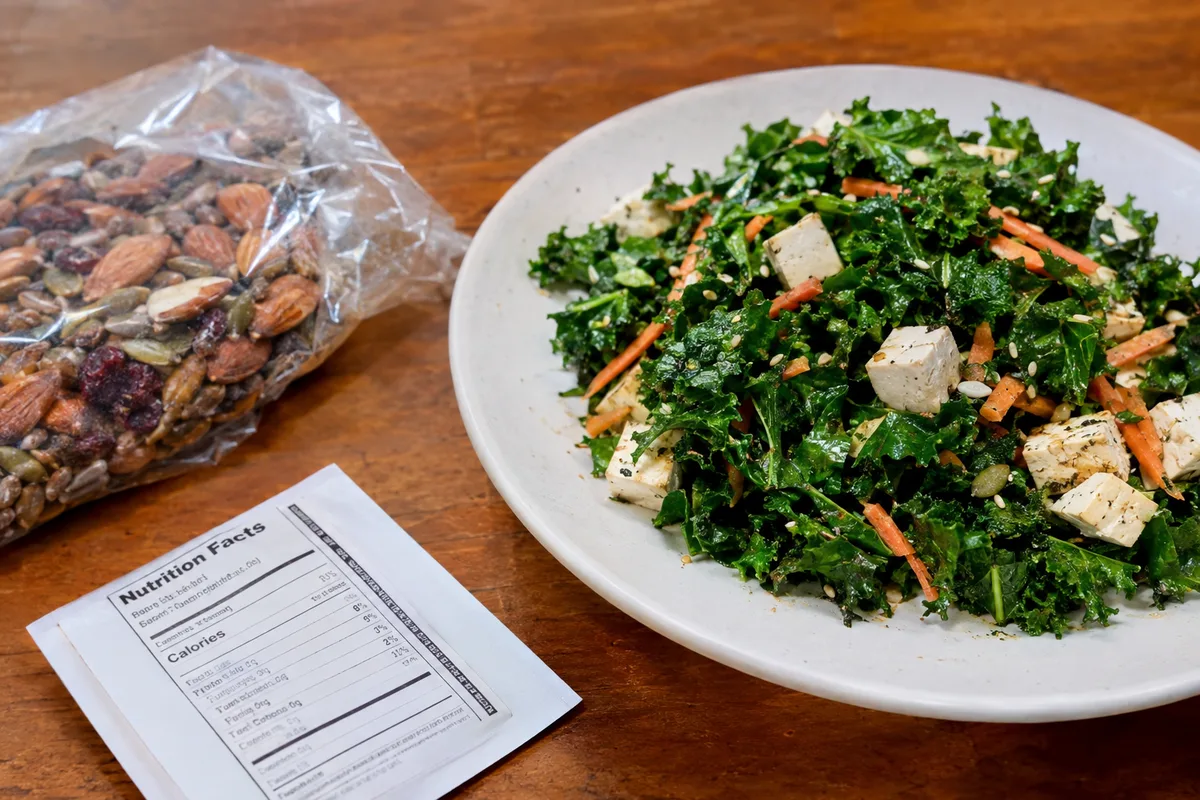
A tracking approach can include bread, rice, pasta, fruit, snacks and mixed meals in portions that suit your targets. Some Optavia plans limit or organise these foods more tightly during certain stages. The relevant question is not whether one food is good or bad, but whether the overall approach is practical and nutritionally varied for you.
Packaged portions can be quick to log because the serving information is provided. Home-prepared dishes still need attention to ingredients, portions and cooking fats if you want an accurate record. Restaurant food remains an estimate unless full nutrition information is available.
- Tracking offers wider food choice but requires more decisions
- Optavia offers a set structure but limits flexibility
- Both approaches depend on honest recording and realistic portions
- Neither approach removes the need to notice hunger and satisfaction
Nutrition and day-to-day considerations
A structured plan can make meal planning simpler, but nutritional quality still deserves attention. Look at the whole day rather than judging one bar, shake or cooked meal by itself. Protein, fibre, fats, vegetables and a suitable overall energy intake all matter, and the right amounts depend on the person.

Packaged foods may taste or feel different from the meals you usually eat. Labels can help you compare protein, fibre, ingredients and salt across products. Water also matters, but individual fluid needs vary with body size, activity, weather and the rest of the diet.
Think beyond whether you can follow the programme for a few days. Consider cooking, social meals, travel, food preferences and what happens when packaged Fuelings are reduced. A plan is more workable when its habits can be carried into ordinary meals.
- Check whether the food range suits your preferences
- Consider how the structure fits work, travel and family meals
- Review the variety of vegetables and protein sources across the week
- Plan how you would return to a broader choice of everyday foods
Questions to ask before choosing it
Start by deciding what you want from a structured programme. You may value clear portions and fewer meal decisions, or you may prefer choosing your own foods within tracked targets. Neither preference is a personal failing; it is about fit.
Read the current plan instructions and food labels rather than relying on brief summaries. Check what the coach does, how progress is reviewed and how the programme handles the move away from frequent Fuelings. Coaching roles can differ from the role of a regulated nutrition professional.
Pay attention to how the eating pattern affects hunger, concentration, enjoyment and everyday routines. If the plan does not suit your nutritional needs, food preferences or circumstances, a more flexible tracking approach may be easier to maintain. Anyone needing individual guidance should speak with an appropriately qualified nutrition professional.
- Can I follow the meal pattern during normal working days?
- Will I still enjoy shared meals and social occasions?
- Does the plan provide enough variety for my preferences?
- What is the longer-term plan for ordinary meals?
- Who is providing guidance, and what are their qualifications?