
What Is the Healthiest Deli Meat to Choose?
The healthiest deli meat is usually a lean, simply cooked option with less sodium and a short ingredient list. This guide explains what to compare and how to fit deli meat into the meals you already track.
There is no single healthiest deli meat
Deli meat covers everything from plain sliced chicken to heavily seasoned, cured meats. That makes the type of meat less important than how it was prepared and what was added. A simple roast turkey can be a useful choice, while a highly processed turkey product may be less suitable for everyday meals.
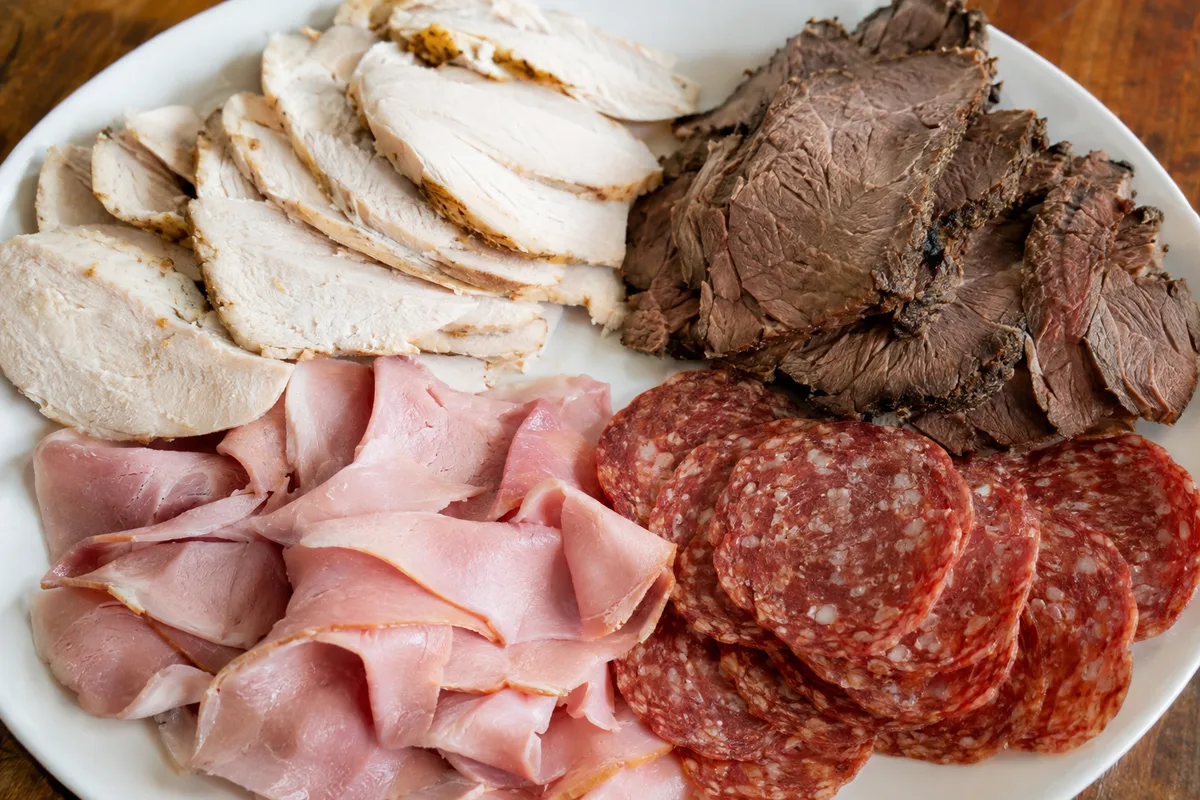
Your best option also depends on the rest of your diet and what you want from the meal. You might prioritise protein, lower sodium, less saturated fat or a shorter ingredient list. Rather than looking for one perfect meat, compare similar products and choose the one that fits your usual intake.
- Choose meat that looks and tastes like plainly cooked meat
- Compare sodium and saturated fat between similar products
- Check how much protein the listed serving provides
- Consider how often deli meat appears in your meals
Start with lean, plainly cooked options
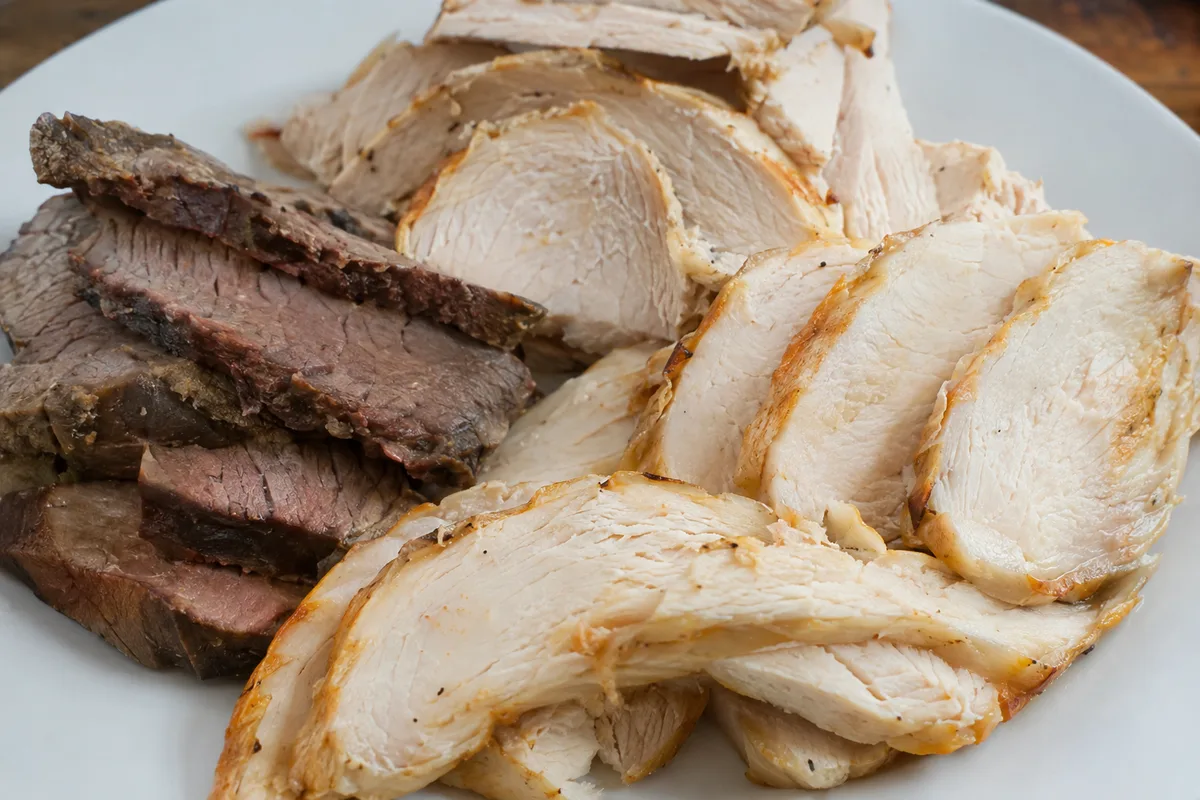
Sliced roast chicken or turkey is often a practical place to start. Lean roast beef can also work, particularly when visible fat is limited. These choices tend to provide plenty of protein without relying on a large amount of fat for flavour.
Salami, pepperoni, mortadella and similar cured meats are usually richer in fat and salt. They can still fit into a tracked diet, but it helps to treat them as stronger-flavoured additions rather than the main protein every day. Ham varies widely, so the label is more useful than the name alone.
- Roast chicken with a simple seasoning
- Roast turkey made from recognisable slices of meat
- Lean roast beef with little visible fat
- Lower-sodium ham with a short ingredient list
Read beyond the front of the packet
Words such as “lean”, “natural” or “uncured” do not tell you everything about a deli meat. Turn the packet over and compare the nutrition information using the same amount for each product. Check the serving size too, as one brand may use a smaller serving to make its figures look lower.
Look at the ingredient list for added salt, sugar, flavourings and preservatives. A shorter list can make the product easier to understand, although length alone does not decide whether a food is nutritious. “Uncured” meat may still use ingredients such as celery extract that serve a similar purpose to other curing agents.
- Compare products per 100 grams when possible
- Look at sodium rather than relying on words such as “lightly salted”
- Check saturated fat as well as total fat
- Notice whether sugar appears among the main ingredients
- See whether the meat is formed from pieces or cut from a cooked joint
Use your food log to judge the serving
Your tracker can show how deli meat changes the whole meal, not just the sandwich filling. Log the amount you actually use and include cheese, mayonnaise, butter, dressings and bread. These additions can contribute more energy or saturated fat than a lean meat filling.
Calories vary by meat, recipe and serving size, so there is no useful single figure for deli meat. Protein and carbohydrate provide about 4 kcal per gram, while fat provides about 9 kcal per gram. This is why fattier cured meats are often more energy-dense than lean sliced poultry.
- Weigh or estimate the portion using your usual tracking method
- Save the complete meal rather than logging only the meat
- Compare protein with the total energy of the meal
- Check whether sauces or cheese are changing the balance
Build a more balanced deli-meat meal
The healthiest choice is not determined by the meat alone. Adding vegetables, wholegrain bread and a source of fibre can make the meal more filling and varied. Tomatoes, cucumber, peppers, grated carrot and leafy greens all work well with cold sliced meat.
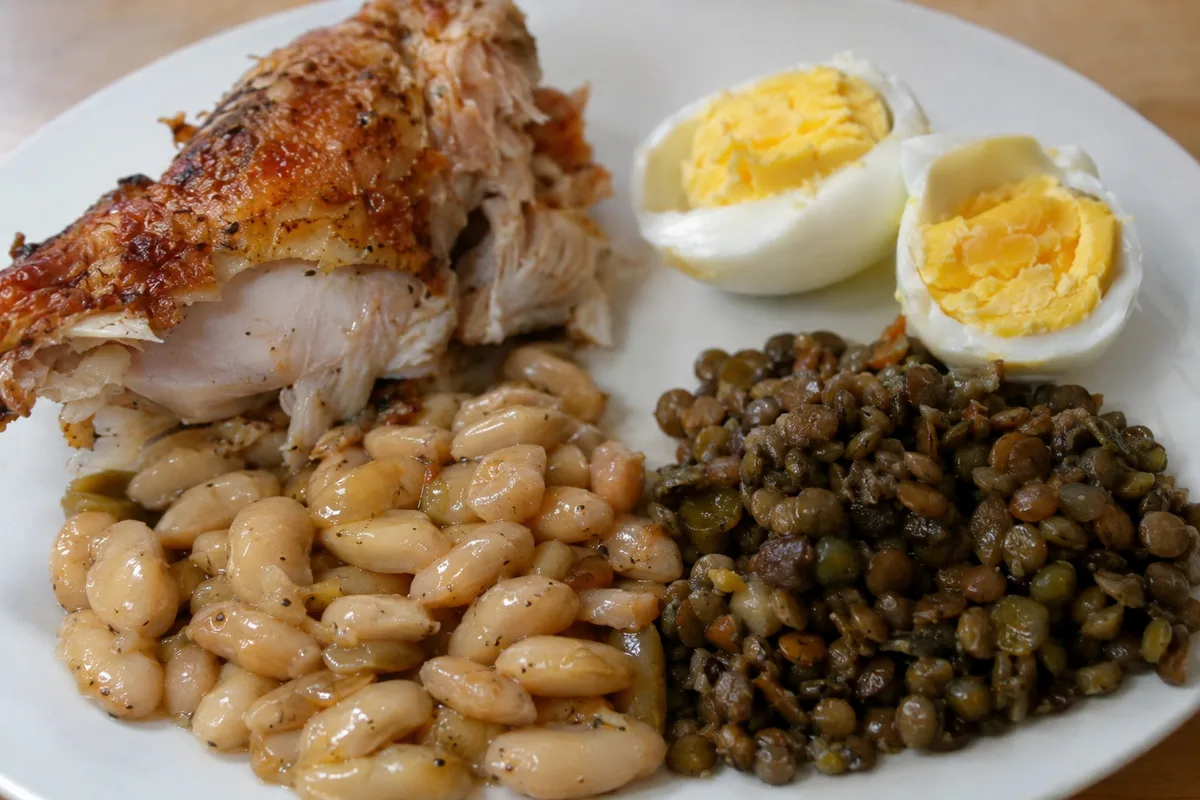
You can also use less meat without making the meal feel sparse. Combine a smaller portion with beans, hummus, egg or extra salad, depending on what suits the dish. Mustard, herbs, pickles or yoghurt-based dressings can add flavour, although salty condiments still need to be considered alongside the meat.
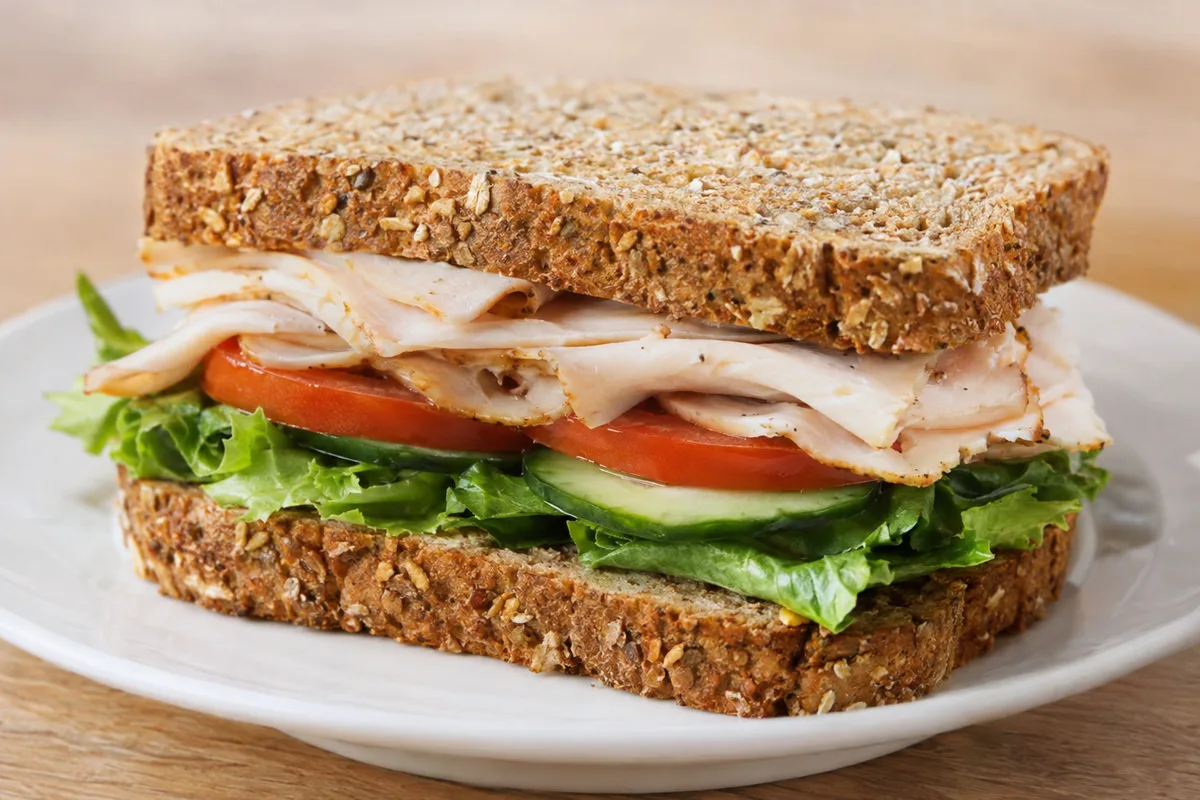
- Turkey, wholegrain bread, tomato and leafy greens
- Roast beef, peppers, cucumber and mustard
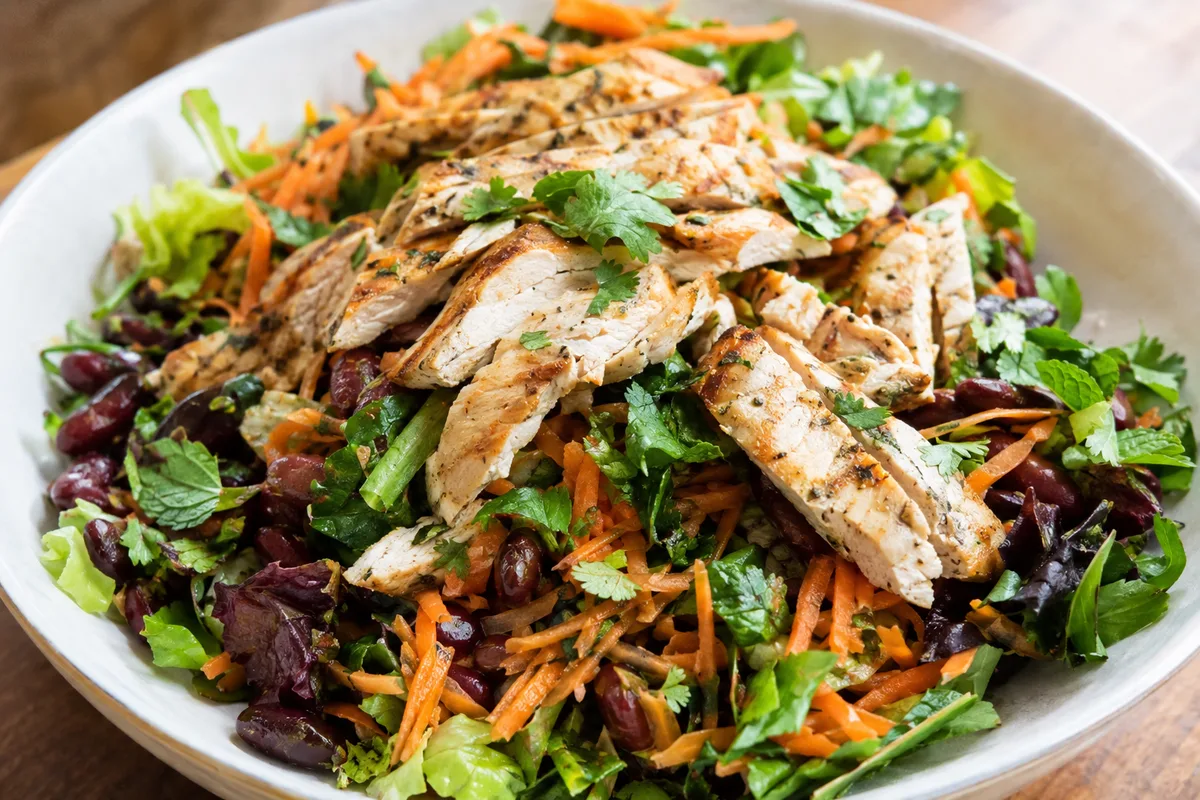
- Chicken, beans, grated carrot and herbs
- Ham, egg and a large mixed salad
Make deli meat one option rather than the default
Deli meat is convenient, but it does not need to be your only quick protein. Rotating it with leftover roast meat, eggs, fish, beans or lentils gives you a wider mix of nutrients and flavours. It also makes it easier to manage sodium across the week without focusing on a single meal.
For an everyday deli choice, look first for plainly cooked chicken, turkey or lean beef with less sodium and saturated fat than nearby alternatives. Keep richer cured meats for occasions when their flavour is the main reason you want them. Your food log can then help you judge the choice in the context of the day rather than labelling one food as entirely healthy or unhealthy.
- Use leftovers from a home-cooked roast
- Swap some deli-meat meals for eggs or beans
- Alternate lean sliced meats with other protein sources
- Choose cured meats for flavour rather than routine