
Brewer’s Yeast and Baker’s Yeast: What’s the Difference?
Brewer’s yeast and baker’s yeast are closely related, but they are prepared for different jobs. That difference affects how they taste, behave in recipes and appear in your food log.
The basic difference
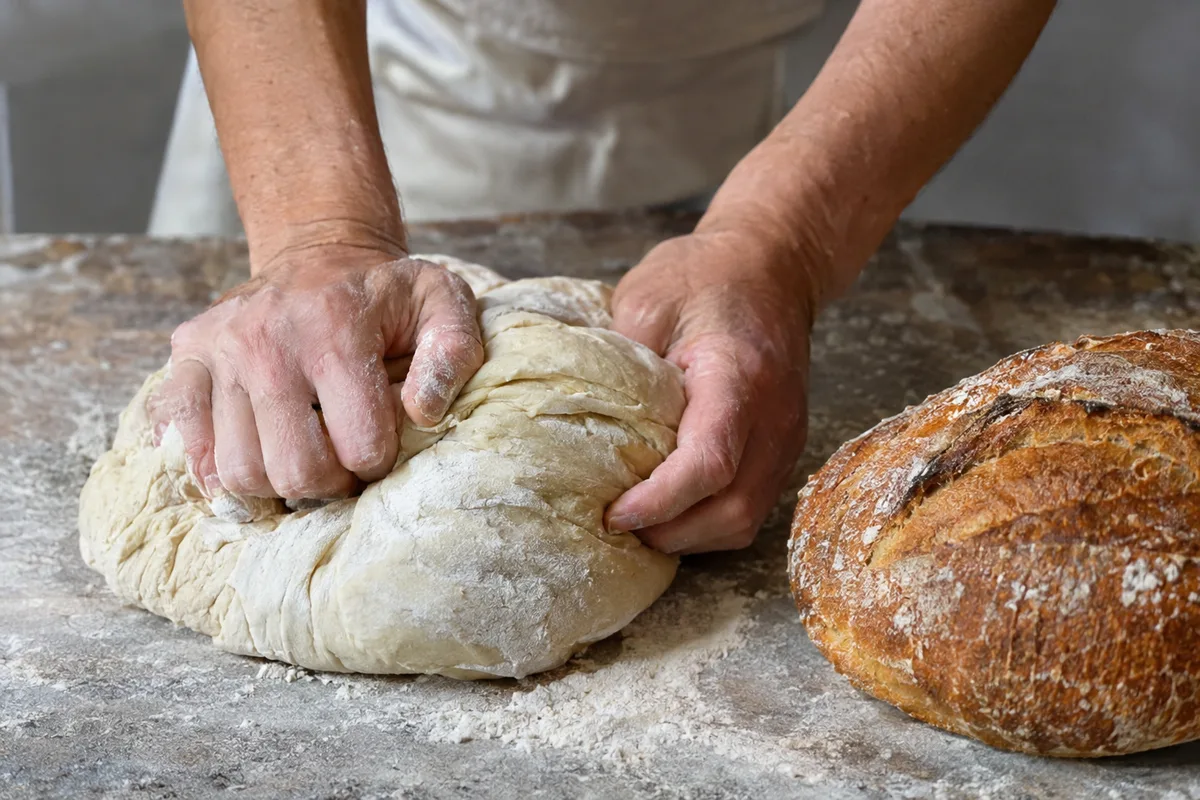
Baker’s yeast is used to make dough rise. It feeds on sugars in the dough and produces gas, which creates bubbles and gives bread a lighter texture.
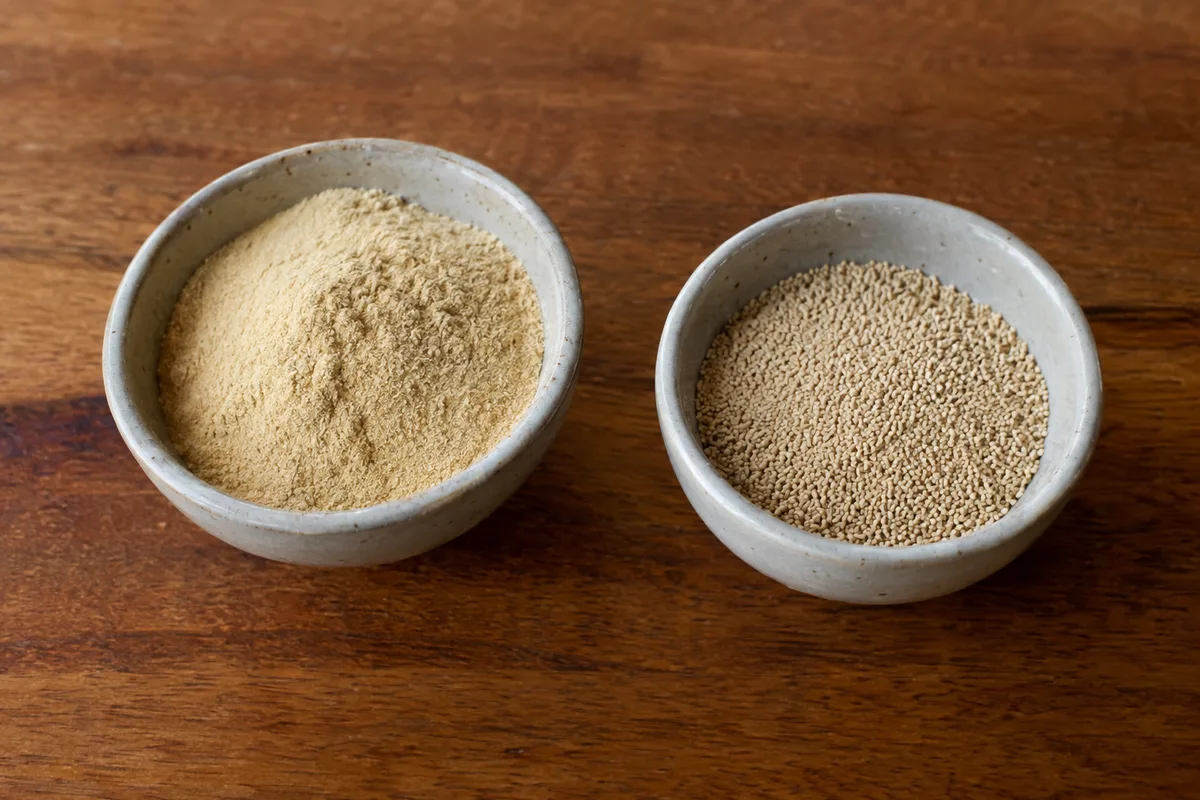
Brewer’s yeast is associated with making beer, where yeast helps turn sugars into alcohol and gas. The brewer’s yeast sold as a food ingredient is usually inactive, so it will not make dough rise.
How they are used
Baker’s yeast is available in forms such as fresh, active dried and instant yeast. Each form behaves slightly differently, so recipes may specify how and when to mix it into the dough.
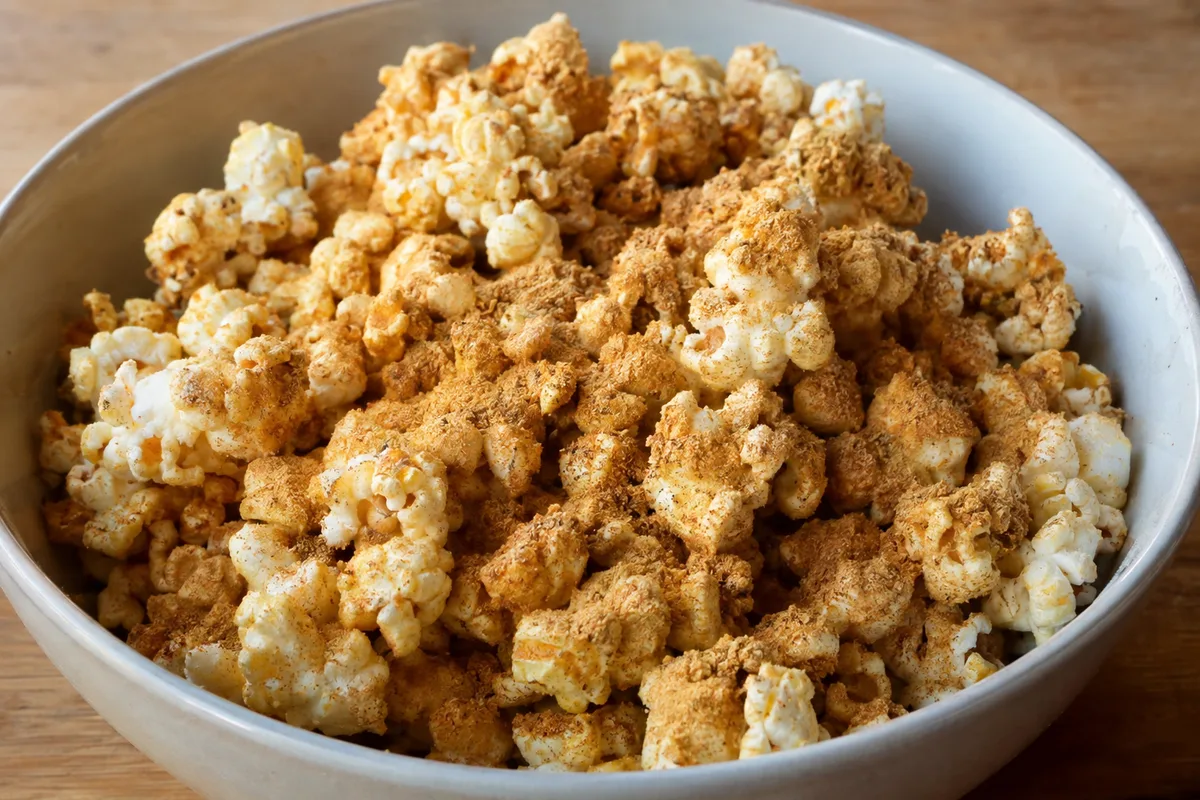
Inactive brewer’s yeast may be stirred into foods for its savoury, slightly bitter flavour. It is not automatically interchangeable with nutritional yeast, as the flavour and nutrient profile can differ.
Nutrition and flavour
Both types can contain protein, fibre and several vitamins and minerals, but the amounts vary by form and manufacturer. Some brewer’s yeast products have added nutrients, while others contain only what remains naturally after processing.
Baker’s yeast is normally used in a relatively small quantity and becomes part of the finished bake. Brewer’s yeast may have a more noticeable bitter or malty taste, particularly when added directly to a dish.
Logging yeast accurately
When tracking baker’s yeast, choose an entry that matches the form listed in your recipe, such as fresh or dried. Log the amount used in the whole batch, then divide it across the number of portions you actually make.
For brewer’s yeast, use the nutrition label where possible because nutrient values can vary considerably. Check whether your database entry refers to inactive brewer’s yeast, brewing yeast or another yeast ingredient before saving it.