
What Is a Calorie, and What Does It Tell You?
A calorie is a unit of energy, but a calorie number does not describe everything a food offers. This guide explains how calories are calculated, why tracked totals vary and how to use them in context.
A calorie is a measure of energy
A calorie tells you how much energy food or drink can provide. Your body uses this energy for everything from breathing and thinking to walking, working and exercising. Calories are not ingredients, and they are not objects hidden inside food.
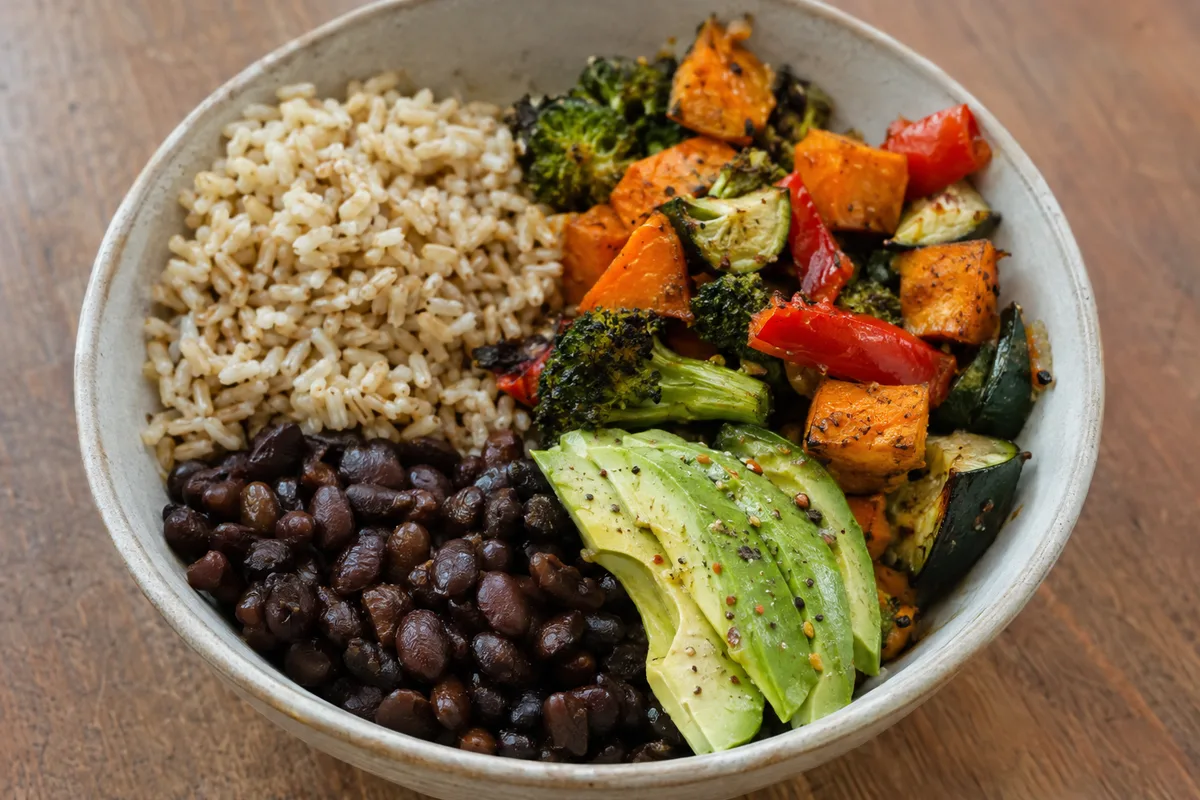
On food labels, energy is usually shown in kilocalories, written as kcal, and often in kilojoules, written as kJ. In everyday conversation, people usually shorten kilocalories to calories. Your food diary may do the same.
Think of the calorie number as one useful fact about a food. It can help you compare portions and understand your overall intake. It does not tell you how filling the food will be or which nutrients it contains.
- Calories measure energy rather than food quality
- Food labels commonly use kcal and kJ
- Your body needs energy even when you are resting
- Movement and everyday tasks also use energy
Where food calories come from
Most calories in food come from carbohydrate, protein and fat. Carbohydrate and protein each provide about 4 kcal per gram, while fat provides about 9 kcal per gram. This is why foods with more fat can contain more calories in a smaller portion.
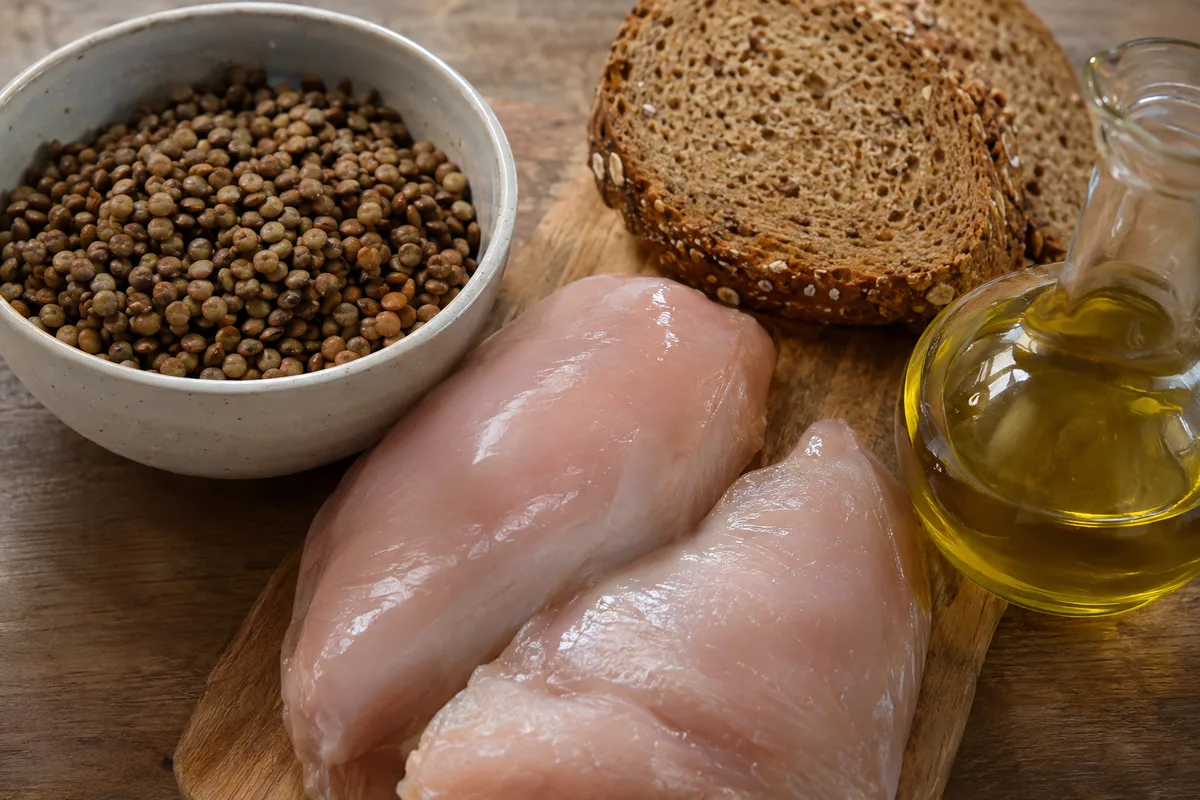
The total for a mixed meal depends on the amount of each nutrient it contains. A dish made with vegetables, grains, beans, oil and sauce gets energy from several sources. Changing an ingredient or portion can therefore change the total.
Fibre is part of carbohydrate, but its energy contribution is handled differently in food calculations. Labels and tracking databases may use established methods to account for it. You do not need to calculate this yourself when reliable label information is available.
- Carbohydrate: about 4 kcal per gram
- Protein: about 4 kcal per gram
- Fat: about 9 kcal per gram
- Mixed meals combine energy from several nutrients
Why calorie entries are estimates
A calorie total in your diary is rarely a perfect laboratory measurement. Packaged-food labels use standard calculations and permitted rounding, while database entries may come from labels, recipes or average food values. Restaurant and homemade meals can vary because ingredients and serving sizes change.

The entry you choose matters. Raw and cooked versions of the same ingredient can show different values because cooking changes water content and weight. A drained, peeled or prepared version may also differ from the food as originally sold.
For useful tracking, match the entry to what you actually ate as closely as you reasonably can. Check whether the listed amount refers to the food as sold, cooked or prepared. Consistency usually makes your diary easier to interpret than repeatedly chasing a supposedly perfect number.
- Use the package entry when it matches the food
- Choose raw or cooked entries to match how you measured it
- Include cooking oils, dressings and sauces
- Save your own recipe when you make the same dish regularly
The same calories can come with different benefits
Two foods can have similar calorie totals while being very different meals or snacks. One may provide more protein, fibre, vitamins or minerals, while another may offer less of these. Their portion sizes, textures and effects on fullness can also differ.

This does not make calories meaningless. The number still describes energy, but it cannot describe the whole eating experience. Looking at both calories and the food itself gives you more useful information.
When reviewing your diary, notice what accompanies the calorie total. Meals containing a mix of protein-rich foods, high-fibre carbohydrate, vegetables or fruit, and some fat may feel different from less varied choices. Your preferred balance will depend on your appetite, routine and aims.
- Check whether the meal includes a protein source
- Notice fibre-rich foods such as beans, wholegrains, fruit and vegetables
- Consider whether the portion feels satisfying
- Look at patterns across the day rather than judging one food alone
Your body uses energy throughout the day
Your body uses energy continuously, including while you sleep or sit still. It also uses energy to digest food, maintain body tissues and support physical movement. A more active day will not always use the same amount of energy as a quieter one.
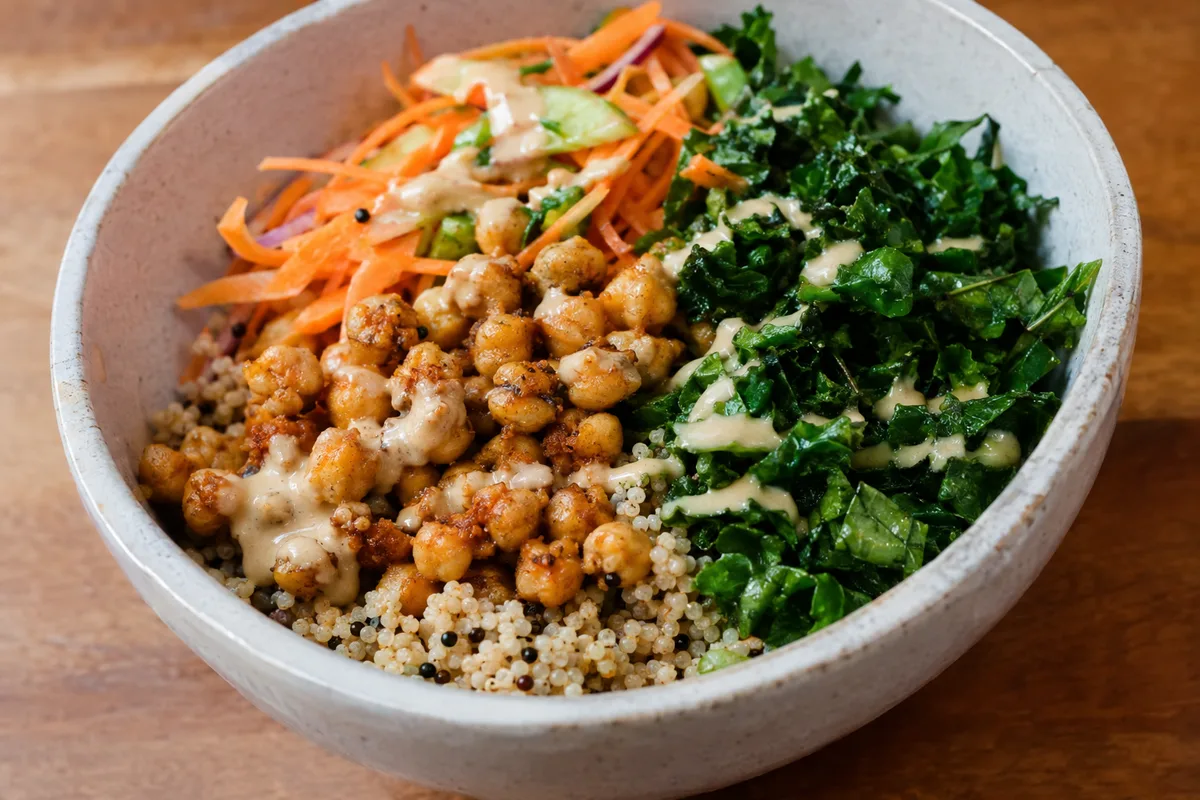
Energy needs differ from person to person. Body size, age, daily movement, work, training and other individual factors all play a part. This is why one calorie target cannot suit everyone.
Exercise is only one part of daily energy use. Walking to a bus stop, carrying shopping, cleaning and standing all involve movement too. Exact calorie-burn figures are estimates, so they are best treated as rough guidance rather than precise credits to spend on food.
- Resting body functions use energy
- Digesting and processing food uses energy
- Everyday movement contributes to energy use
- Planned exercise adds further movement
How to use calories in your food diary
Start with the calorie information as a way to spot patterns, not as a verdict on a single meal. Compare similar days and notice which meals fit your routine, keep you satisfied and support your aims. Your useful intake level depends on your own circumstances.
Record portions in the same way whenever practical. If you usually weigh an ingredient before cooking, keep doing that and select a matching entry. For foods without labels, choose a reputable database entry that resembles the food and preparation method.
Calorie tracking works best alongside other details. You might review protein, fibre, fruit and vegetables, meal timing and how hungry you felt. These notes can explain why two days with similar calorie totals felt very different.
- Log foods soon enough that you can remember them
- Use matching portion and preparation details
- Review trends rather than reacting to one entry
- Keep notes on hunger, fullness and meal timing
- Adjust your approach when your routine changes