
What Happens If You Don’t Drink Enough Water While Taking Creatine?
Creatine changes how water is held in muscle, but it does not remove the need to drink regularly. Too little fluid can leave you feeling uncomfortable and make training harder, whether or not you take creatine.
Creatine changes where some water is held
Creatine helps muscles store a form of readily available energy, and extra creatine in muscle also draws in some water. This can cause a small increase in body weight after you start taking it, although the amount depends on the person.
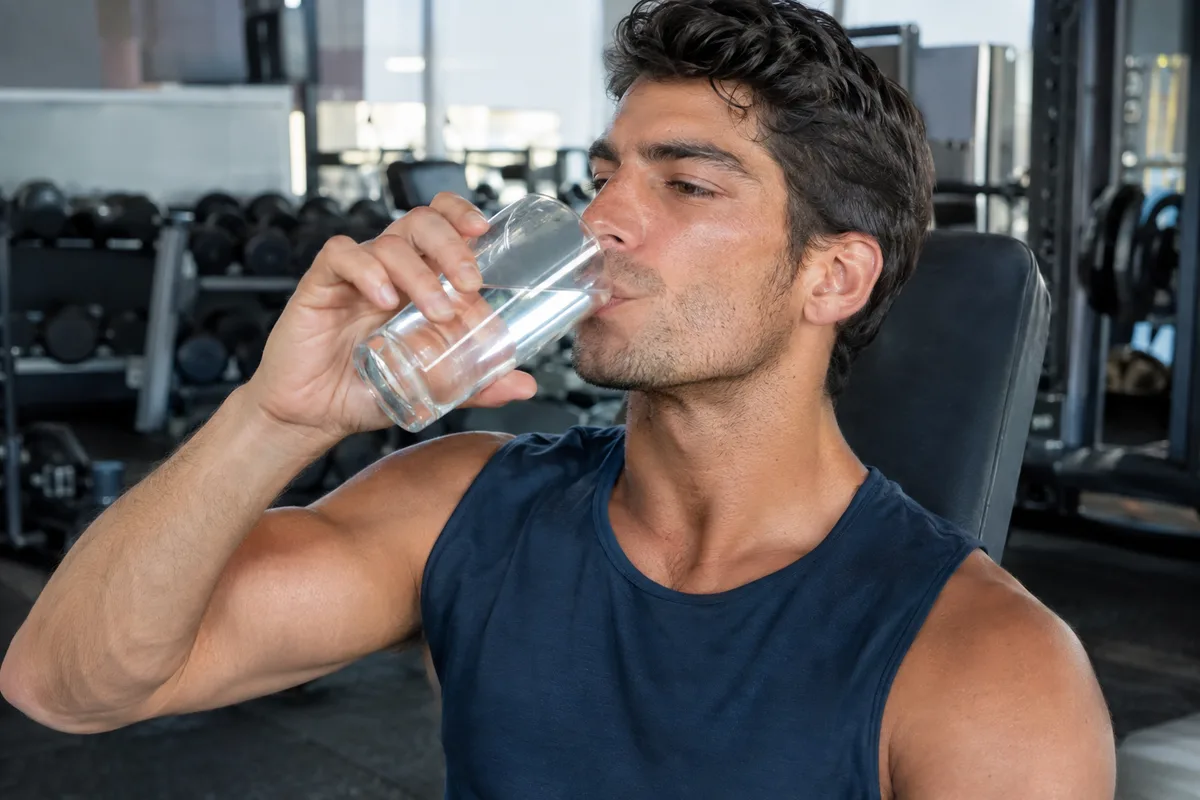
That shift does not mean creatine automatically leaves the rest of your body short of water. However, taking it is not a substitute for drinking, particularly when exercise, warm weather or sweating raises your fluid needs.
Low fluid intake can affect how you feel
If you drink less than your body needs, you may notice thirst, a dry mouth, darker urine, tiredness or a headache. Exercise may also feel more difficult because sweating reduces your available fluid further.
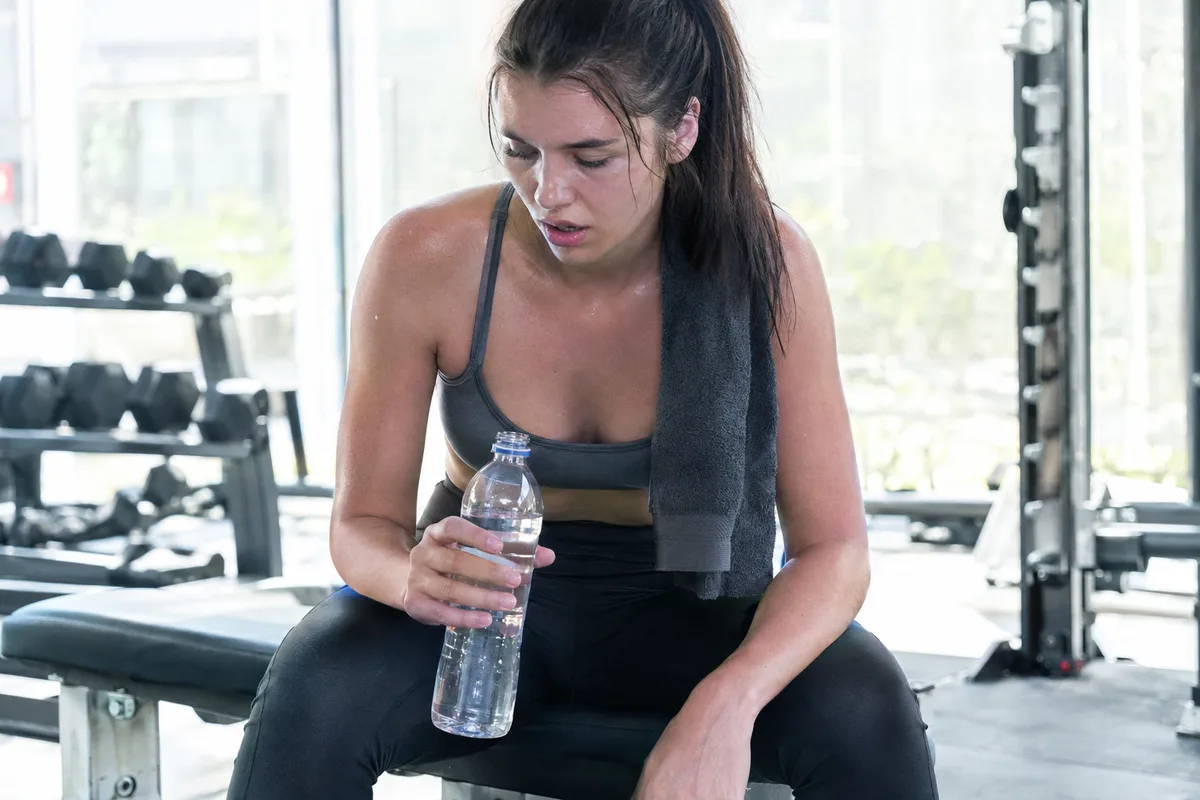
Muscle cramps or stomach discomfort can sometimes occur around training, but they do not prove that creatine is the cause. Fluid intake, exercise intensity, heat, food choices and individual tolerance can all play a part.
Your scale and food log need context
A rise on the scale after starting creatine may reflect additional water held in muscle rather than a change in body fat. Day-to-day weight also moves with fluid intake, salt, carbohydrate, digestion and the timing of weigh-ins.
When reviewing your tracked intake, note when you started creatine and whether your routine, training or fluid intake changed at the same time. Comparing weigh-ins taken under similar conditions gives you more useful context than reacting to one reading.
Use everyday signs rather than a fixed target
There is no single water target that suits everyone because needs vary with body size, activity, climate, food and sweat loss. Drinking regularly through the day and around exercise is generally more practical than trying to catch up with a large amount at once.
Thirst and urine colour can provide useful clues, although neither is a perfect measure on its own. Include water from your usual drinks and water-rich foods in your overall picture, and pay extra attention on hot or highly active days.