
How Many Calories Does Treading Water Burn?
Treading water uses continuous movement to keep your head above the surface, but its energy cost varies widely. This guide explains what changes the estimate and how to log the activity without treating the result as exact.
Why treading water burns calories
Treading water asks your arms, legs and trunk to work together against the resistance of the water. Even when you appear to stay in one place, your muscles are making repeated movements to support your body. That effort requires energy, which is why the activity can contribute to your daily calorie expenditure.
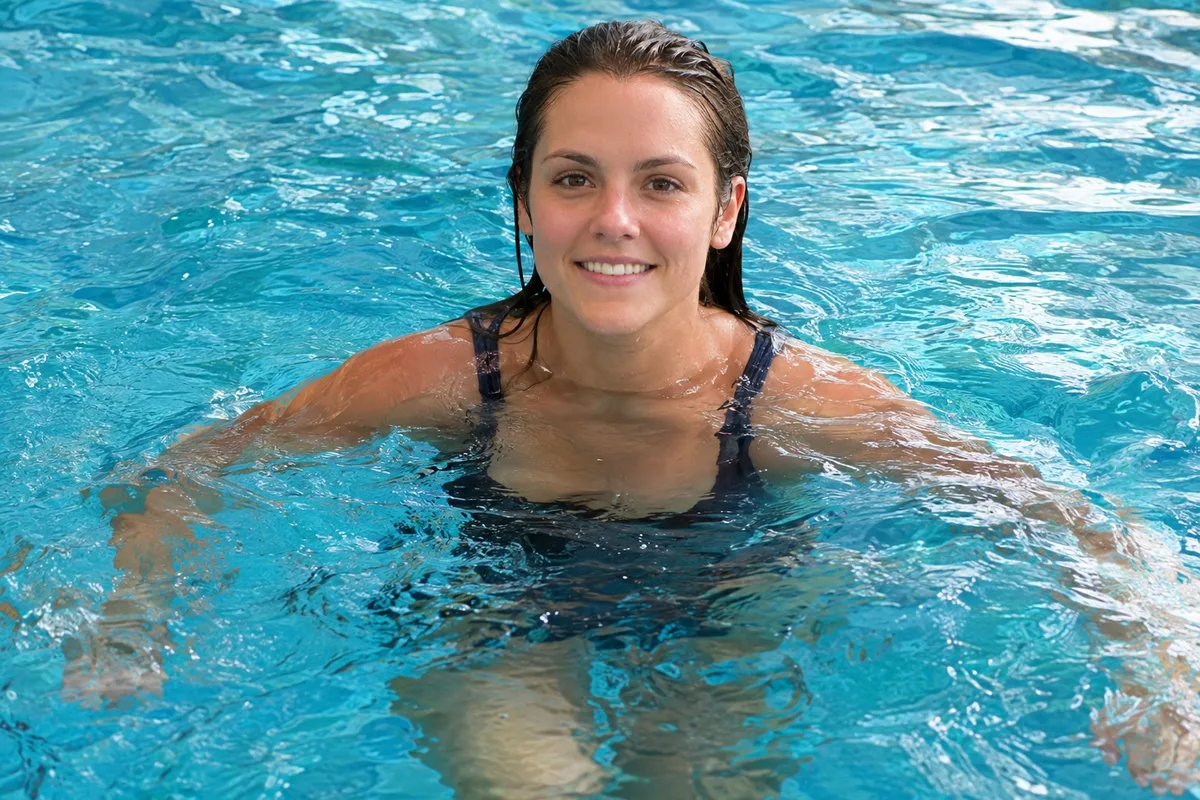
The amount burned depends on the person, the technique and the effort involved. A relaxed tread in calm water is different from vigorous movement in choppy water. There is therefore no single calorie figure that applies to every session.
- Leg movements that push water downwards
- Arm sweeps that help maintain balance
- Trunk muscles working to keep the body upright
- Extra effort needed to keep the mouth and nose clear of the water
The main factors that change the estimate
Body size affects how much energy is needed to move and stay afloat. Technique matters too, because an efficient swimmer may hold position with less movement than someone who is working hard to do the same thing. Water conditions and clothing can also alter the effort.
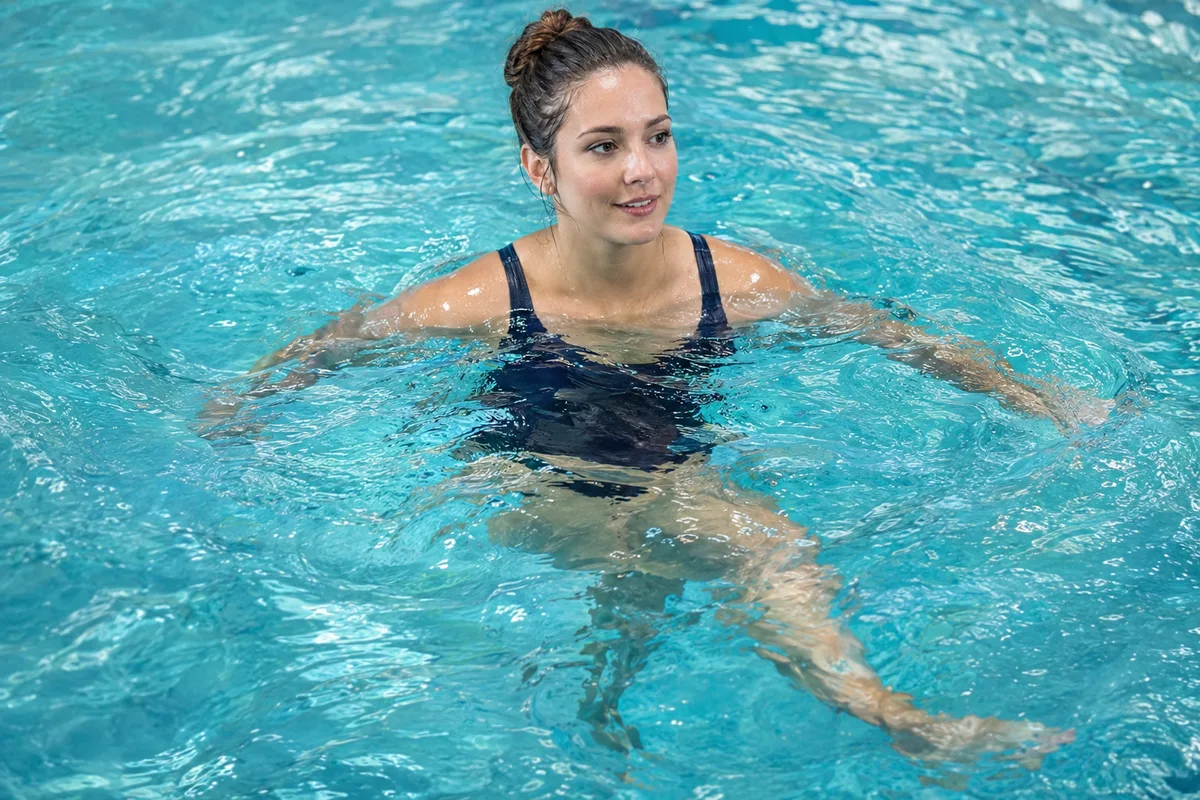
Duration is important, but time alone does not show how demanding the session was. A steady, comfortable tread and a hard interval session should not be logged in the same way. Record both time and effort so that your estimate has useful context.
- Your body size and natural buoyancy
- How quickly and forcefully you move
- Whether you use a gentle sculling action or larger strokes
- Calm water compared with waves or a current
- Swimwear compared with heavier clothing
Technique changes the workload
A gentle tread often combines small hand movements with a relaxed leg action. This may feel sustainable because the work is spread across several muscle groups. It will usually use less energy than forceful, rapid movements performed at a harder effort.
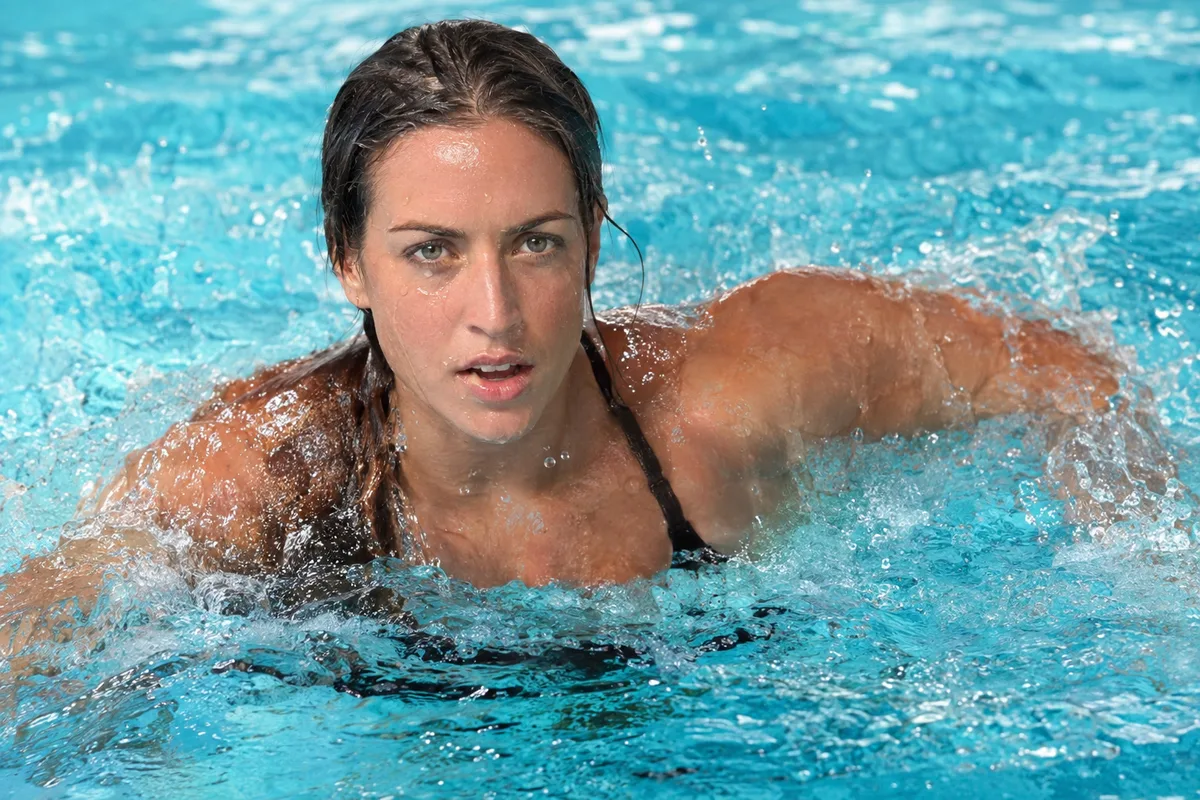
Some swimmers use alternating circular leg movements, while others rely on a breaststroke-style kick or a flutter kick. Each pattern places the effort in a slightly different area. The calorie difference cannot be judged from the name of the technique alone, because skill and intensity still matter.
Using only the legs or holding the arms clear of the water generally makes the movement more demanding. However, harder variations can lead to quicker fatigue and poorer form. Choose a version that matches your swimming ability and the conditions.
- Easy: smooth movements and comfortable breathing
- Moderate: purposeful movement with noticeably deeper breathing
- Hard: forceful movement that is difficult to sustain
- Very hard: short efforts requiring close attention to technique
How to estimate calories burned
An activity tracker, swimming app or exercise table may provide a calorie estimate based on your details, session length and selected effort level. Different tools can return different answers because their calculations and activity categories are not identical. Treat the result as a working estimate rather than a measurement of exactly what your body used.
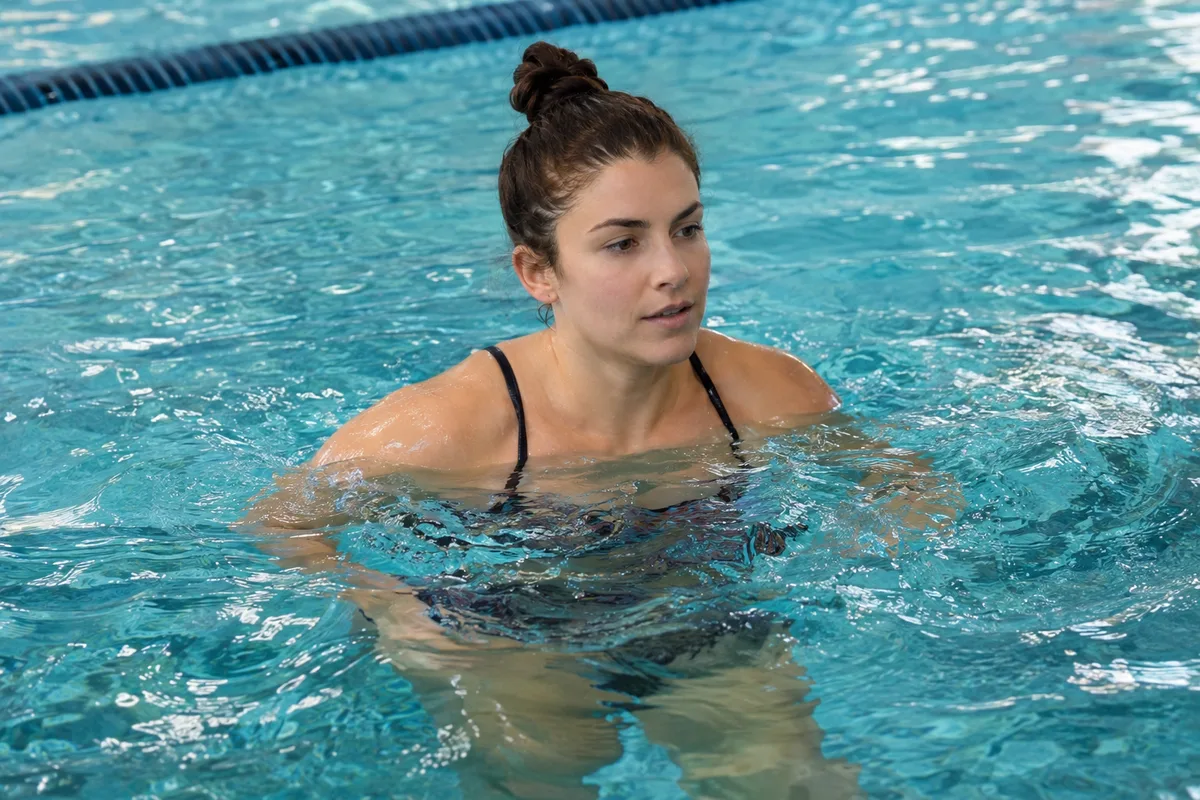
Choose the closest available description, such as relaxed water exercise, moderate treading or vigorous treading. Enter your current personal details where the tool allows, then record the actual active time rather than the whole time spent at the pool. If your pace changed, you can split the session into easier and harder parts.
For consistent food tracking, it is often better to use the same estimation method from one session to the next. Consistency makes your activity log easier to compare over time, even though the calorie figure remains approximate. Avoid adding the same activity twice through both an automatic import and a manual entry.
- Record active time
- Select the closest effort level
- Use current personal details
- Split mixed-intensity sessions when practical
- Check for duplicate entries
Use effort cues when no estimate fits
Breathing and movement quality can help you describe the session when an app category feels too broad. At an easy effort, you should feel controlled and able to continue without rushing. At a harder effort, your breathing becomes deeper and your movements need more purpose.
Water can make effort harder to judge because it carries body weight and keeps the skin cool. Pay attention to how much force you are using rather than relying only on whether you feel hot. Note any pauses, support from the pool edge or time spent floating, as these reduce the active portion of the session.
Your log can include a short note such as easy, steady, mixed or hard. This is often more useful than adjusting the calorie figure based on guesswork. Over time, the notes help you compare similar sessions on a like-for-like basis.
- Easy: controlled breathing and relaxed movement
- Steady: continuous movement with clear effort
- Mixed: alternating easier and harder periods
- Hard: strong movement that can only be maintained briefly
Put the calorie figure in perspective
Calories burned through activity are estimates, while food labels and portion entries also have limits. Subtracting an exercise estimate from your food total can make the final number look more precise than it really is. Use it as a guide to your overall pattern rather than a promise of a particular result.
Treading water can be useful movement, but staying safe matters more than extending the session for a larger number. Use a supervised swimming area, remain within your ability and avoid relying on treading water as your only way to stay safe in open water. Stop before fatigue makes it difficult to keep your airway clear.
When you review your log, look at the session duration, effort note and calorie estimate together. This gives a fuller picture than the calorie figure alone. The most suitable estimate depends on your body, technique and conditions on that day.