
How many calories does a 40-minute brisk walk burn?
There is no single calorie figure for a 40-minute brisk walk because the effort varies by person and route. This guide explains what changes the result, how to estimate it and how to record it alongside your food.
Why there is no single calorie answer
A 40-minute brisk walk uses energy, but the calorie total depends on the person doing it. Body weight, walking speed, hills, surface and fitness all affect how demanding the walk feels. Two walks of the same length can therefore produce different estimates.
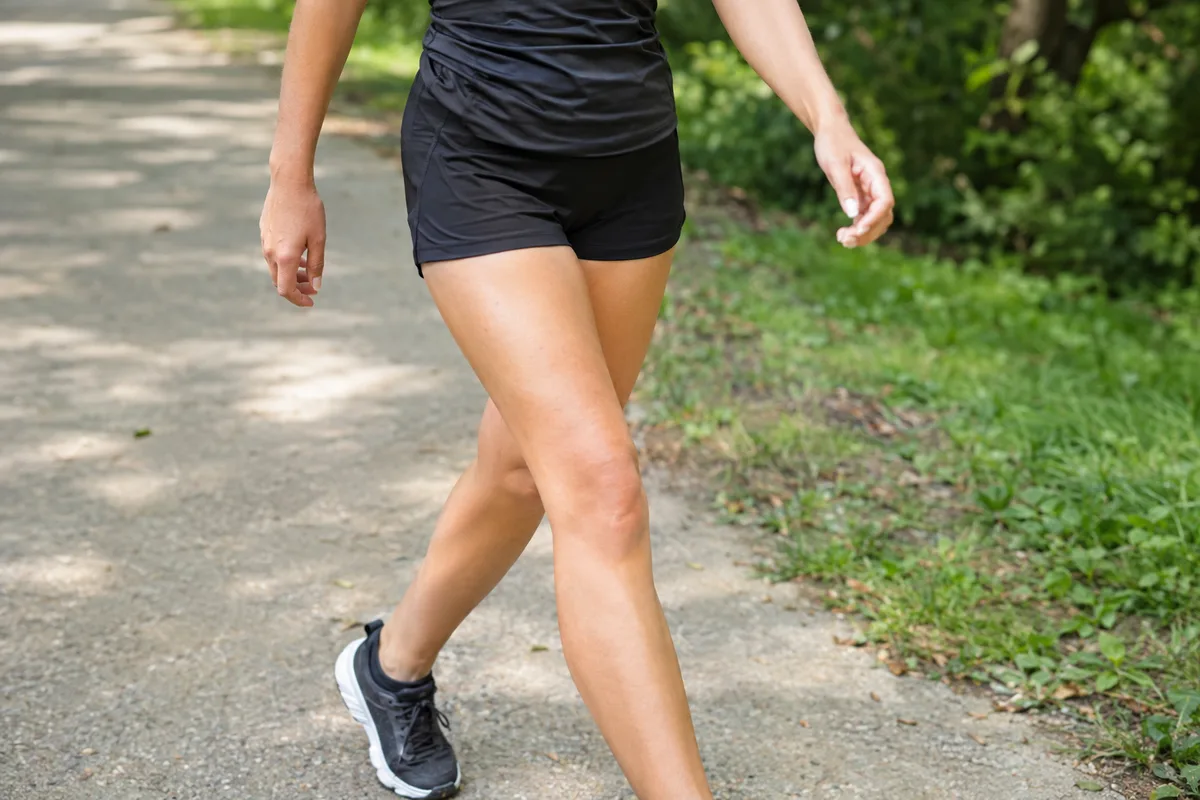
Brisk usually means walking with purpose rather than strolling. Your breathing is noticeably quicker, but you can still speak in short sentences. Because that effort is personal, pace alone does not tell the whole story.
- Your current body weight
- Your actual walking pace
- Hills and changes in gradient
- The walking surface
- How steadily you maintain the effort
What counts as a brisk walk
A brisk pace should feel moderate and deliberate. Your arms may swing naturally, your steps feel purposeful and your breathing becomes deeper. You should not need to break into a run for the walk to count.
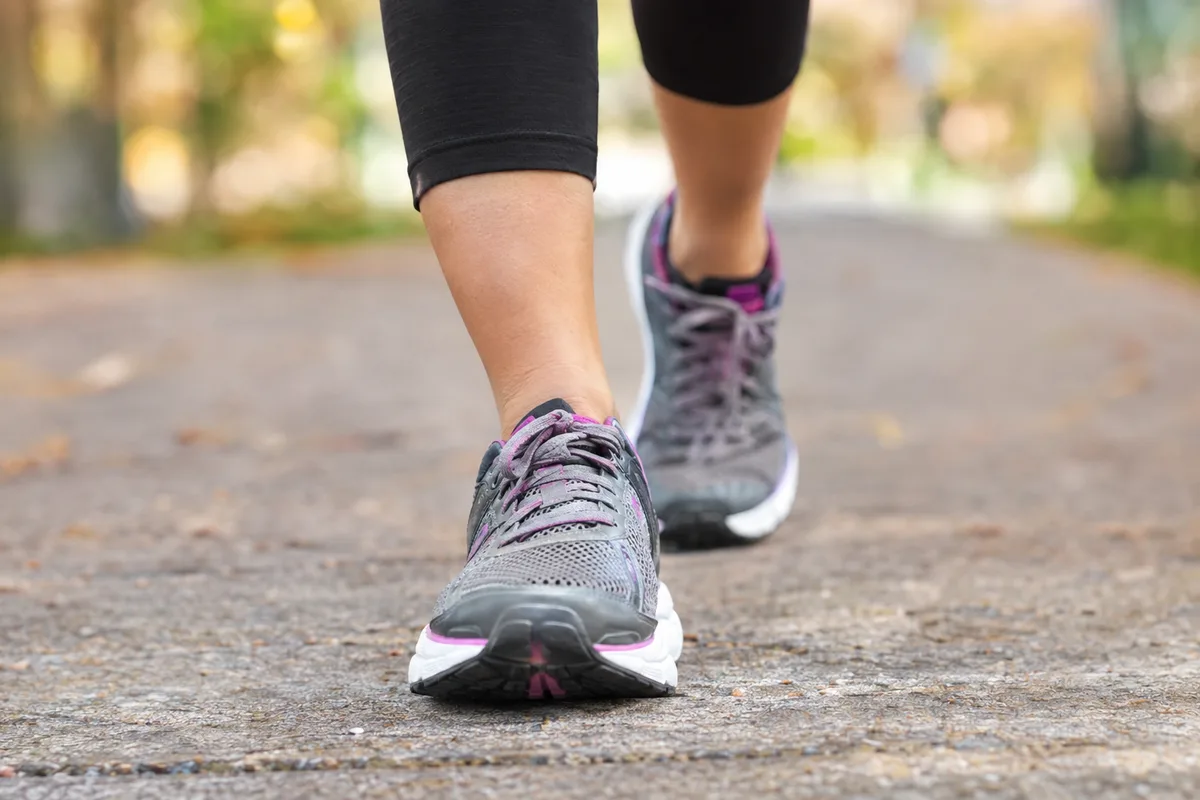
Speed can be useful when estimating calories, but it is not a perfect definition of effort. A pace that feels easy to one person may feel brisk to another. Wind, heat, uneven ground and tiredness can also change how hard the same pace feels.
- Walk faster than your relaxed everyday pace
- Keep a rhythm you can maintain for most of the 40 minutes
- Use the short-sentence test to judge effort
- Count only the time spent walking, excluding long stops
How to estimate your calorie burn
Use an activity calculator or walking estimate that asks for your body weight, duration and pace. Enter 40 minutes and choose the pace description that best matches the walk rather than selecting the hardest option. Add the gradient only if the route included a meaningful amount of uphill walking.
Treat the result as an estimate rather than an exact measurement. Calculators use standard assumptions about energy use, while your stride, fitness and terrain are individual. Using the same method each time makes your records more consistent, even if the number is not exact.
- Record your current weight rather than an old figure
- Use moving time if the walk included long pauses
- Choose a realistic average pace
- Note whether the route was flat, mixed or uphill
- Use one calculation method consistently
Why hills and surfaces change the result
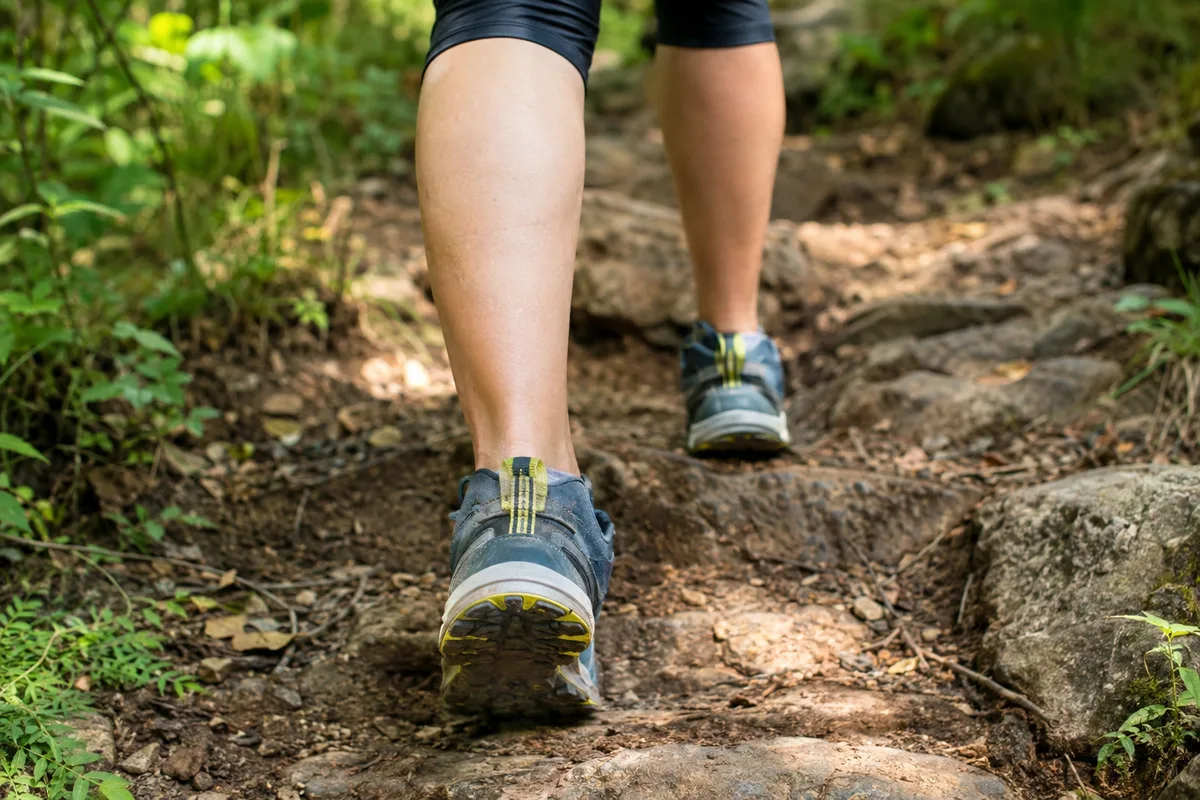
Walking uphill usually requires more effort than walking at the same speed on level ground. Soft sand, mud, grass and uneven trails may also demand more work because each step is less predictable. A smooth, flat pavement generally makes it easier to maintain a steady pace.
Downhill walking is not the same as removing all the effort gained uphill. Your muscles still control each step, although breathing may ease. For mixed routes, an estimate based on the overall walk is usually more practical than trying to calculate every slope separately.
- Flat pavement supports a steady rhythm
- Long climbs raise the effort
- Uneven trails require more balance and control
- Soft surfaces can make each step more demanding
Activity calories and total calories are not the same
Some estimates show activity calories, meaning energy attributed to the walk above your usual resting needs. Others show total calories used during those 40 minutes, including energy your body would have used anyway. These figures answer slightly different questions and should not be mixed in one log.
Check which type your chosen calculator reports before adding the walk to your food record. If your usual tracking method already includes an activity allowance, adding the full walking estimate again may count the same movement twice. Consistent definitions matter more than chasing a highly precise figure.
- Look for the terms active, activity, gross, total or net
- Use the same calorie type throughout your records
- Avoid entering the same walk through two different sources
- Keep food and activity entries separate so they are easy to review
How to use the estimate in your food log
Record the walk with its duration, pace and route alongside the estimated calories. A brief note such as brisk, mostly flat or hilly gives the number useful context. This makes it easier to compare similar walks without assuming they were identical.
Avoid treating the estimate as a precise amount of food that must be added or removed. Appetite and daily energy needs do not always match one activity estimate neatly. Review walking as part of your broader pattern of food, movement and routine.
- Log the full 40-minute duration
- Describe the pace honestly
- Add a short note about hills or terrain
- Mark the figure as an estimate
- Review trends using the same calculation method