
How many calories does cycling 10 miles burn?
There is no single calorie figure for a 10-mile bike ride because the effort and time can vary widely. Here is what changes the estimate and how to record the ride consistently alongside your food intake.
Why distance alone cannot give one answer
Ten miles tells you how far you travelled, but not how hard your body worked to get there. A relaxed ride on a flat road requires a different amount of energy from a fast ride over steep hills. The number of calories burned therefore depends on the rider and the ride.
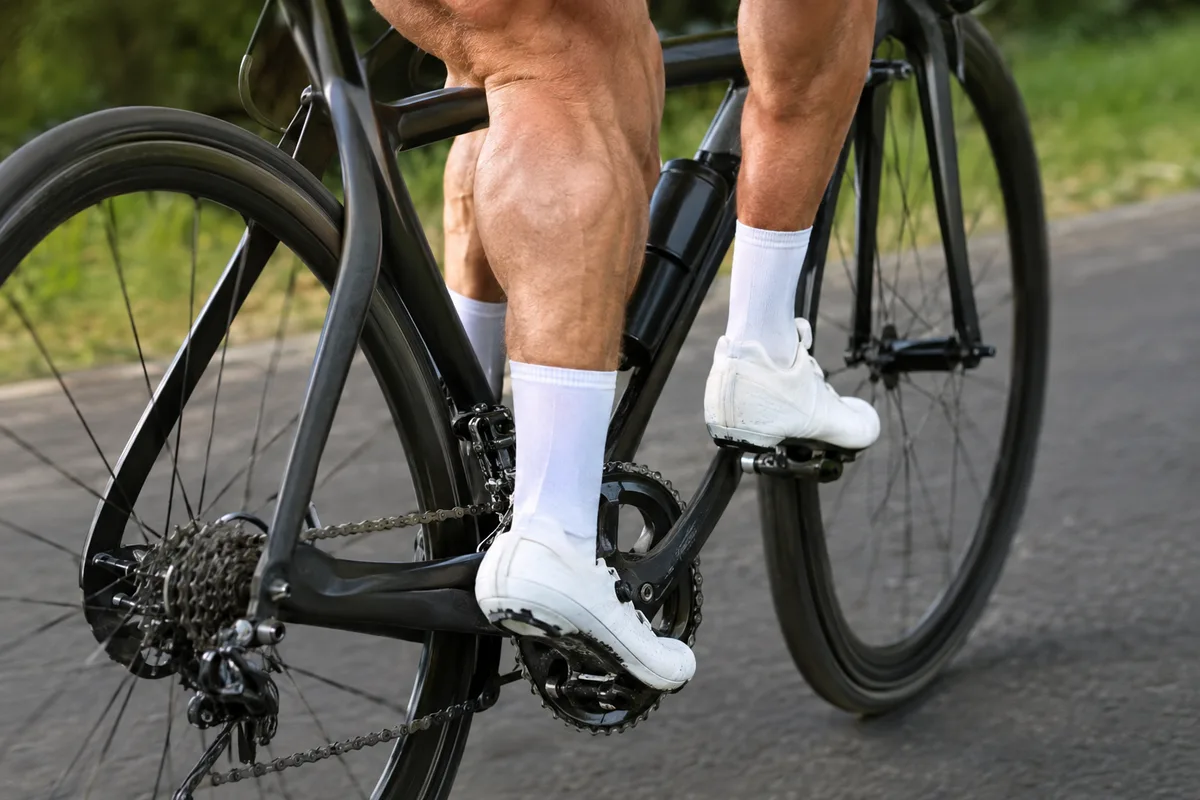
Time matters as well as distance. Two cyclists can complete the same route at different speeds, use different gears and spend different amounts of time pedalling. Even repeated rides by the same person may produce different estimates when the weather or effort changes.
- Your body weight and build
- How long the ride takes
- Your pace and level of effort
- Hills, surfaces and weather conditions
- The bike and riding position
Body weight and riding effort make a difference
Moving a heavier combined load generally requires more energy, particularly when climbing or accelerating. This includes the rider, bike and anything being carried. Body weight is therefore commonly included in calorie calculations, although it still cannot provide an exact result by itself.
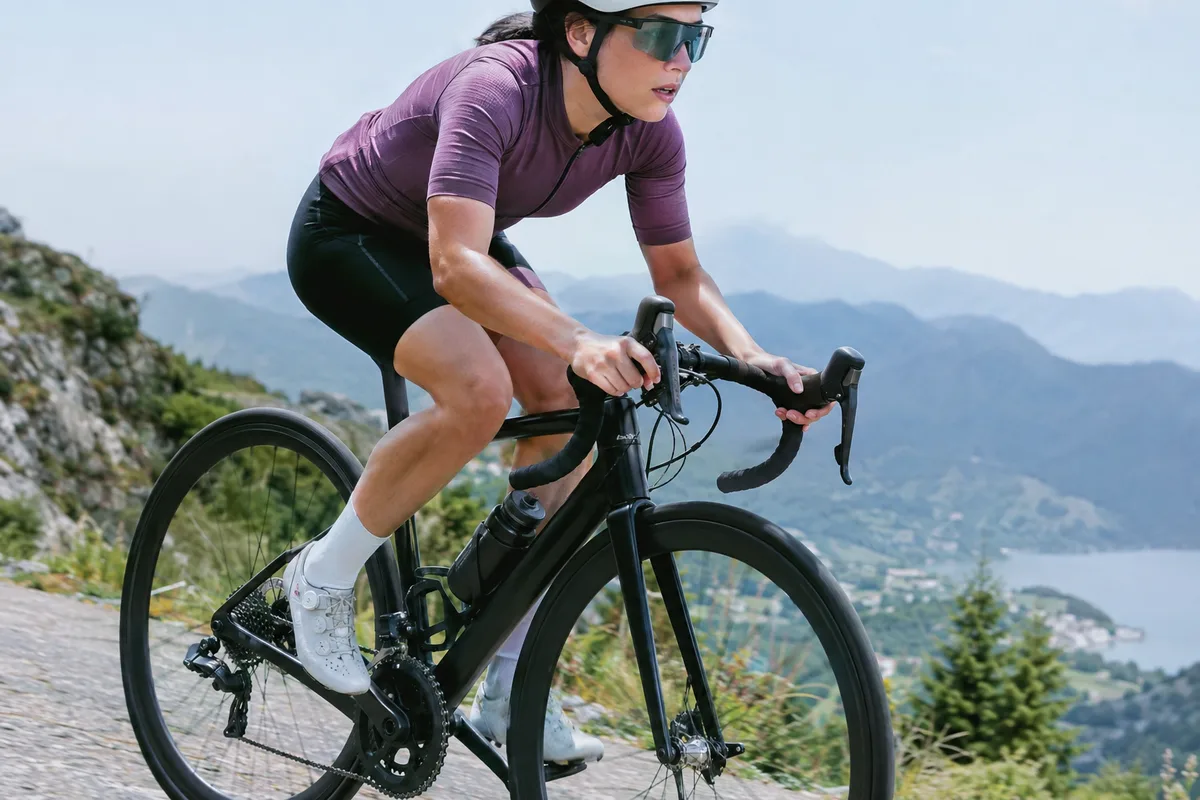
Effort is just as important. Easy pedalling, steady riding and hard intervals place different demands on the body, even when the final distance is identical. A useful estimate needs to reflect what the ride actually felt like rather than treating every 10 miles as the same activity.
- Easy: comfortable pedalling with little strain
- Moderate: steady work that feels purposeful
- Hard: demanding riding that is difficult to sustain
- Mixed: changing effort because of hills, junctions or intervals
Route, weather and bike type affect the work
A smooth, flat route usually allows the bike to roll more easily than a hilly or rough route. Repeated climbs, loose ground and frequent stops can increase the work needed to cover 10 miles. Descents and long stretches of freewheeling can reduce the time spent actively pedalling.
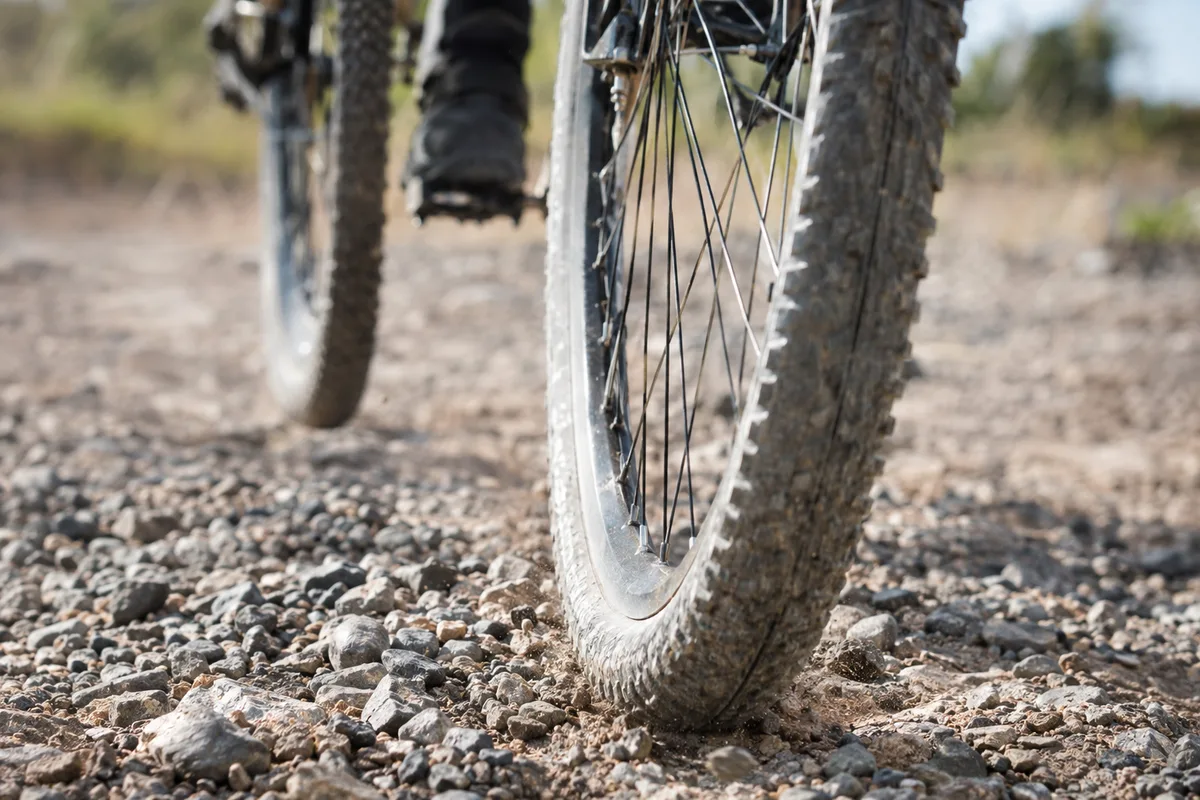
Wind can also change the ride without changing the recorded distance. Riding into a headwind demands more effort, while a tailwind may make the same road feel easier. Tyre pressure, riding position and the type of bike can also affect rolling resistance and air resistance.
- Long or repeated climbs
- Gravel, mud or uneven surfaces
- Strong headwinds or helpful tailwinds
- Frequent stopping and starting
- An upright or more streamlined riding position
How calorie estimates are calculated
Most activity logs estimate energy use from details such as body weight, ride duration and an effort category. Some may also use pace or heart-rate information when it is available. The result is still an estimate because no simple calculation can capture every change in terrain, wind and pedalling.
Different logs may report different figures for the same ride because their formulas and activity categories are not identical. Some show active calories, while others may show total energy used during the period, including energy your body would have used at rest. Check which figure is being displayed before comparing rides.
- Use your current body details
- Enter the full riding time accurately
- Choose the closest cycling effort category
- Check whether the result means active or total calories
- Use the same method when comparing similar rides
How to log a 10-mile ride consistently
For food tracking, consistency is usually more useful than chasing a perfectly exact calorie figure. Record the ride using the same source and similar activity category each time. This makes it easier to compare how distance, duration and effort change across your rides.
Avoid choosing a hard-cycling category simply because the route felt tiring at one point. Consider the ride as a whole, including stops, coasting and easier sections. If the estimate looks unusual, check the recorded time, distance, body details and selected effort before using it.
- Note whether the ride was easy, moderate, hard or mixed
- Record elapsed time and, if available, moving time
- Add a short note about hills, wind or rough ground
- Keep indoor and outdoor cycling entries separate
- Compare similar routes rather than unrelated rides
Using the estimate with your food record
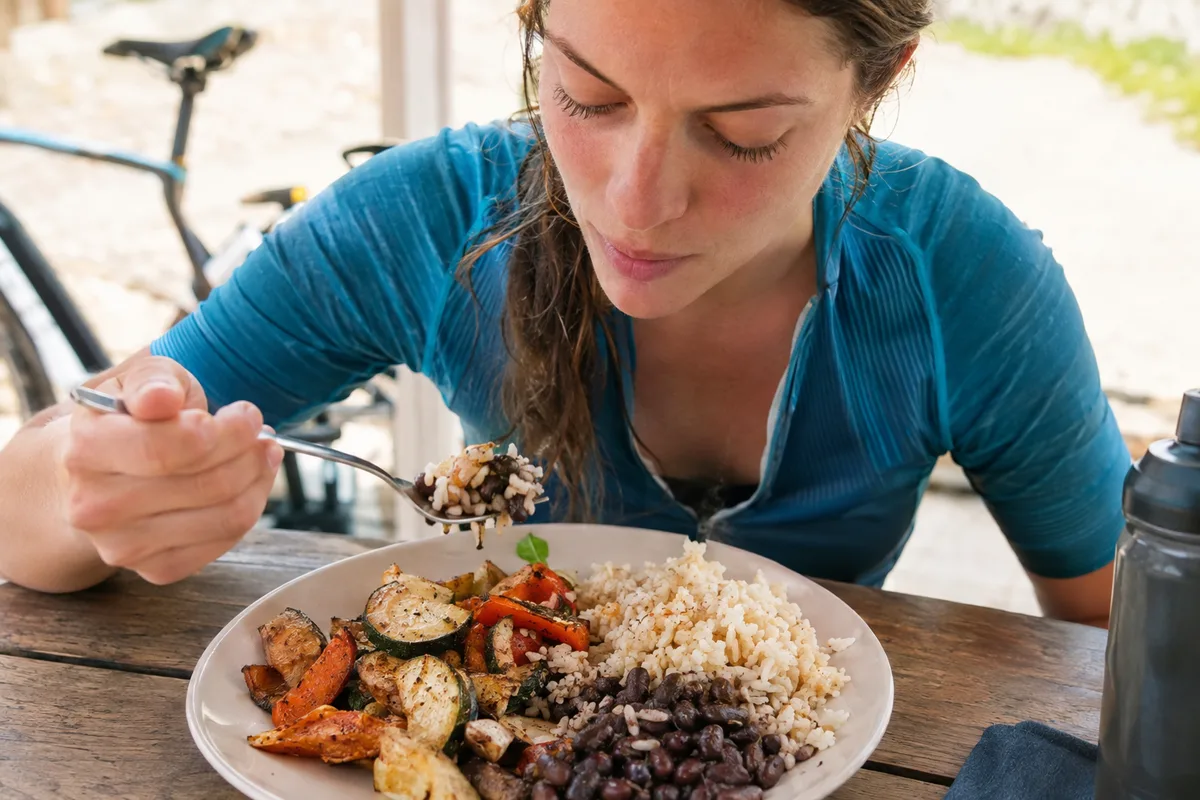
A cycling estimate can add useful context to a food diary, but it should not be treated as an exact amount of food earned. Both food entries and activity calculations contain some uncertainty. A single ride estimate is less informative than a consistent pattern recorded over time.
Pay attention to how the ride affected your appetite, energy and usual eating routine. Harder or longer-feeling rides may not influence hunger in the same way every time. Use the calorie figure as one piece of information alongside the ride details and your food log, rather than as a precise target.
- Keep ride and food entries for the same day together
- Look for patterns across comparable rides
- Treat calculated calories as an estimate
- Avoid adjusting food from one unusually high or low reading