
How Many Calories Do You Burn Biking One Mile?
The calories burned biking one mile depend on your effort, speed, route and several personal factors. This guide explains how to estimate the figure and log it without treating it as exact.
Why one mile does not have one calorie answer
There is no single calorie figure for biking one mile. The same distance can involve a relaxed roll on level ground or a hard climb into the wind. Those rides require different amounts of energy, even when the distance is identical.
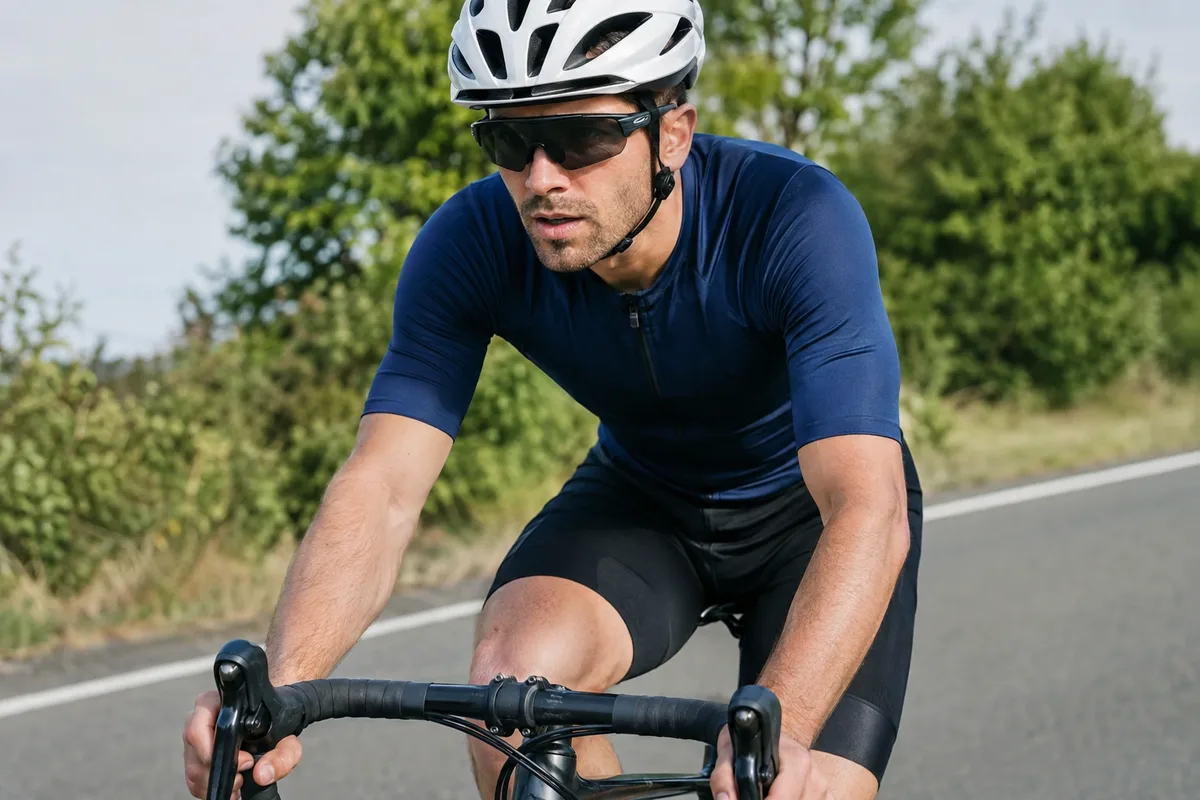
Distance tells you how far you travelled, but not how much work the journey required. Your body size, riding position, bicycle, route and pace all affect the estimate. The number therefore depends on the person and the conditions.
- A steady mile on a flat road
- A slow mile up a steep hill
- A quick mile with a strong tailwind
- A stop-start mile through busy streets
The factors that change your energy use
Effort is one of the most useful clues. Riding harder generally increases energy use per minute, while an easy pace usually uses less. However, a faster rider may finish the mile sooner, so speed alone does not settle the answer.

Hills, headwinds and rough surfaces create more resistance. Carrying luggage or using a heavier bicycle can also make the rider work harder. Electric assistance may reduce the rider's effort, but the effect depends on the assistance level and how the bicycle is ridden.
Personal factors matter as well. Two riders can follow the same route at the same speed but produce different calorie estimates. Fitness, body size, riding technique and how efficiently each person pedals all play a part.
- Riding intensity and time spent cycling
- Gradient, wind and road surface
- Rider and bicycle weight
- Luggage or other carried load
- Electric assistance and riding position
How to estimate calories for one mile
A simple method is to estimate the calories for the whole ride and divide that figure by the distance travelled. This gives an average per mile rather than a precise value for every part of the route. A hilly mile may require more energy than a downhill mile within the same ride.
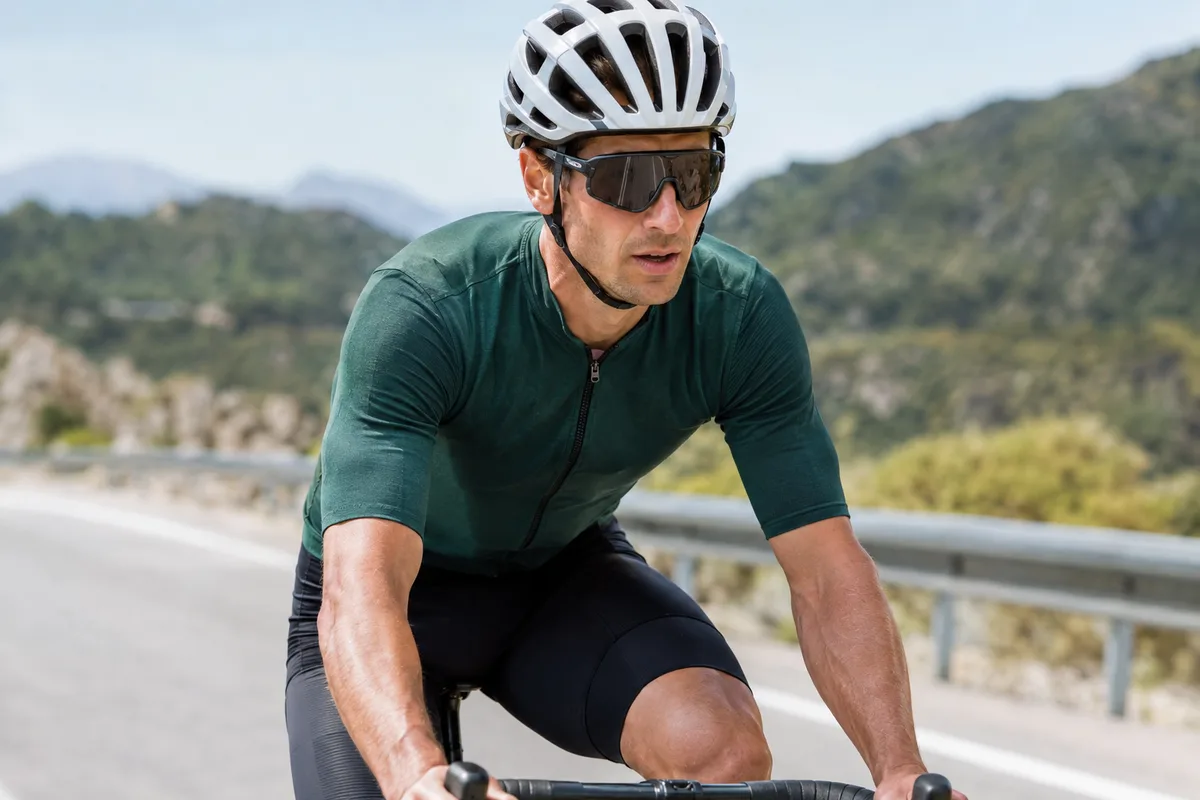
You can also start with an estimated calorie rate for the time you spent riding. Multiply that rate by the number of minutes taken to cover one mile. The result is still an estimate because calorie rates are based on broad assumptions about effort and body size.
Use the same estimation method from ride to ride when possible. Consistency makes your activity log easier to compare over time. Avoid combining figures from several sources and choosing the highest result, as that can make the log less realistic.
- Record the ride distance and moving time
- Estimate calories for the complete ride
- Divide ride calories by total miles
- Label the result as an average estimate
Active calories and total calories are not the same
Some estimates show active calories, meaning the energy attributed to cycling above your usual resting needs. Others show total calories, which may include energy your body would have used during that time anyway. These figures should not be treated as interchangeable.
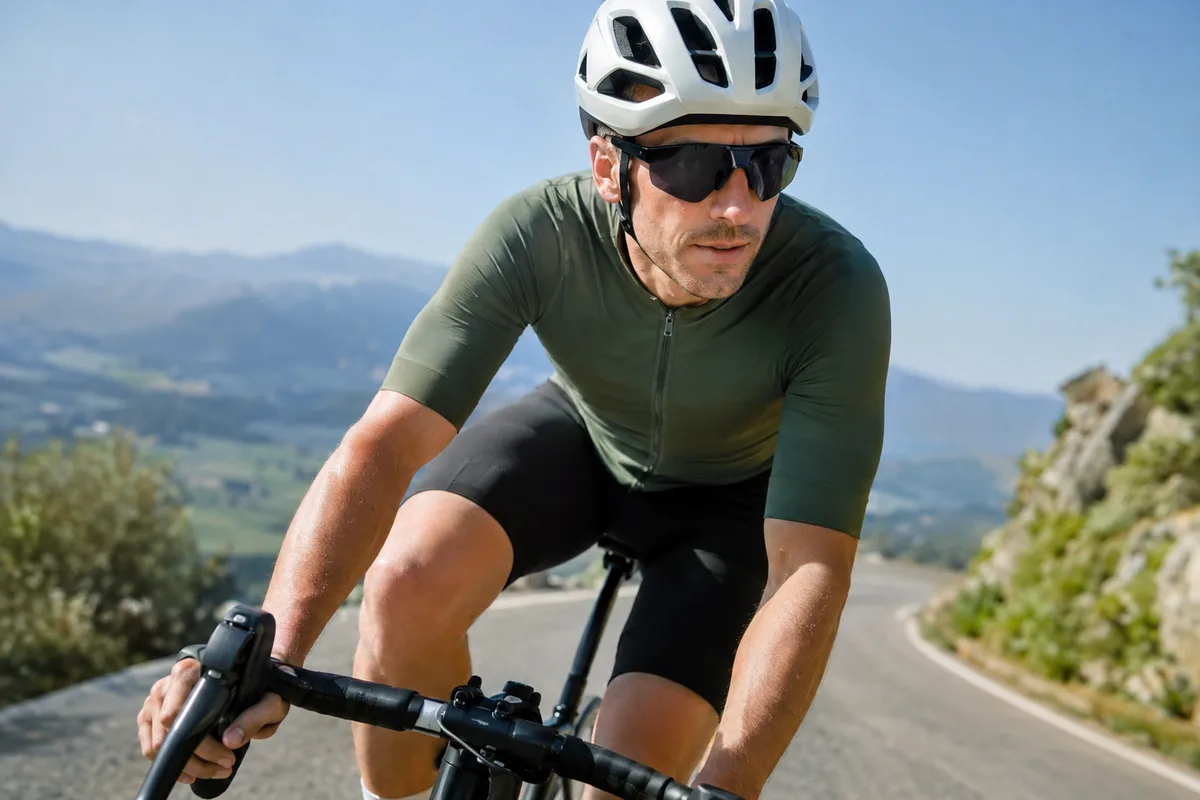
Check which type of estimate you are entering in your food log. If your daily calorie target already allows for your normal activity, adding the full cycling estimate may count some energy twice. The right approach depends on how your tracking method sets its daily target.
When the source is unclear, note that uncertainty rather than assuming the figure is entirely additional. A conservative and consistent entry is often more useful than a precise-looking number with unclear assumptions. The goal is a workable record, not a perfect measurement.
- Check whether the figure says active or total
- Review what your daily target already includes
- Use one definition consistently
- Add a note when the source is unclear
Why short rides can be difficult to measure
A single mile is a small slice of activity, so brief changes can strongly affect the estimate. Waiting at a junction, coasting downhill or pushing hard from a stop can make up much of the journey. An average based on a longer ride may smooth out these changes.
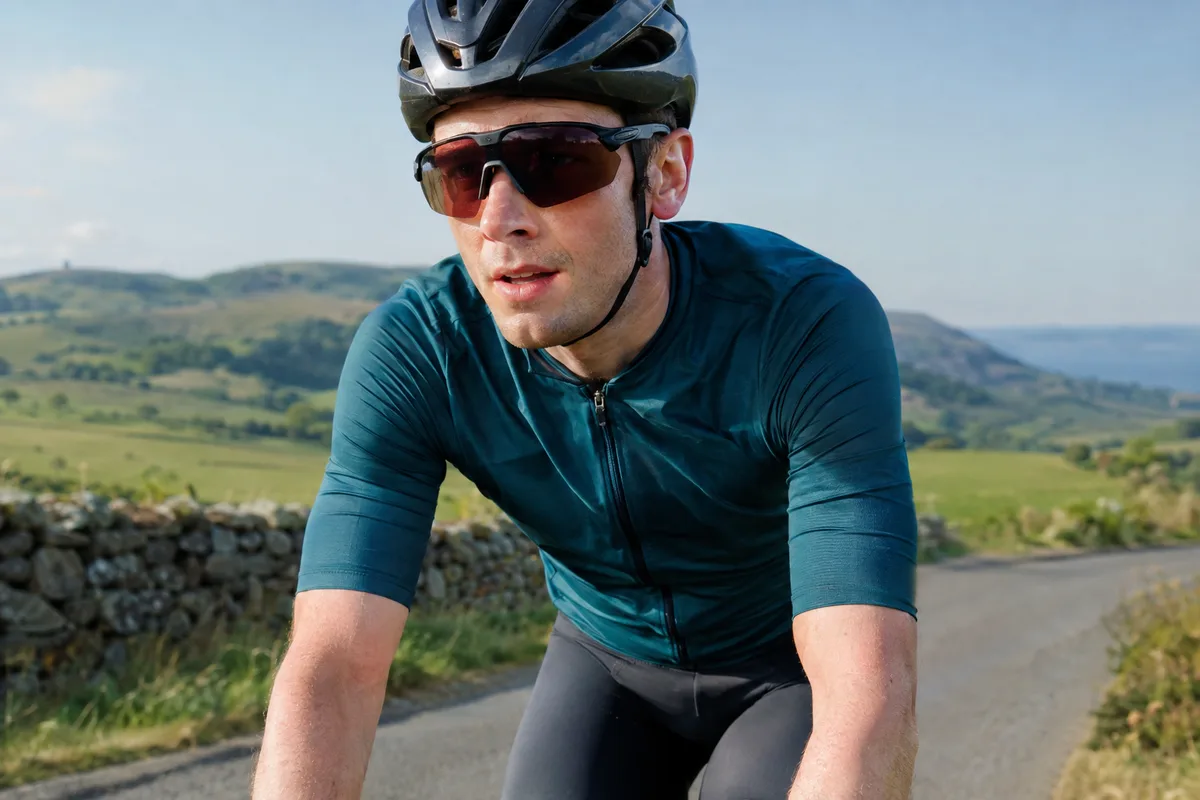
Rounding can also become more noticeable over a short distance. Small errors in time, distance or effort can produce a large difference in the per-mile result. This does not make tracking pointless, but it does mean the number should be viewed as approximate.
For repeated journeys, compare like with like. Use the same route, the same calorie source and the same rule for including stops. Trends across several rides usually give more useful context than one isolated mile.
- Separate moving time from long stops
- Keep the estimation source consistent
- Compare similar routes and conditions
- Look for patterns rather than exact matches
Using the estimate in your food log
Enter the cycling estimate in a way that matches the rest of your tracking. If you log exercise separately, include a short description of the route and effort so the entry has context. Terms such as easy, steady or hard can be more useful than pretending the calorie figure is exact.
Be cautious about automatically eating back every estimated exercise calorie. Activity estimates and food entries both contain uncertainty, and those uncertainties can add together. How much of the estimate you use depends on your goals, appetite and tracking method.
Review your records over time and adjust your approach if the entries do not seem consistent with your wider progress. Keep the method simple enough to repeat after each ride. A dependable estimate used consistently is more useful than a constantly changing attempt at precision.
- Log distance, time and perceived effort
- Note hills, strong wind or electric assistance
- Use the same active-or-total calorie rule
- Review patterns across several rides