
What a Glass of Wine Each Day Can Do to Your Body
A daily glass of wine can influence more than your food log. Here is what to consider about the pour, its immediate effects, eating patterns, sleep and routine.
First, define what a glass means
A glass is not a fixed amount. Home pours vary, wine glasses come in different sizes, and wines contain different amounts of alcohol. Two glasses that look similar can therefore affect your body and food log differently.
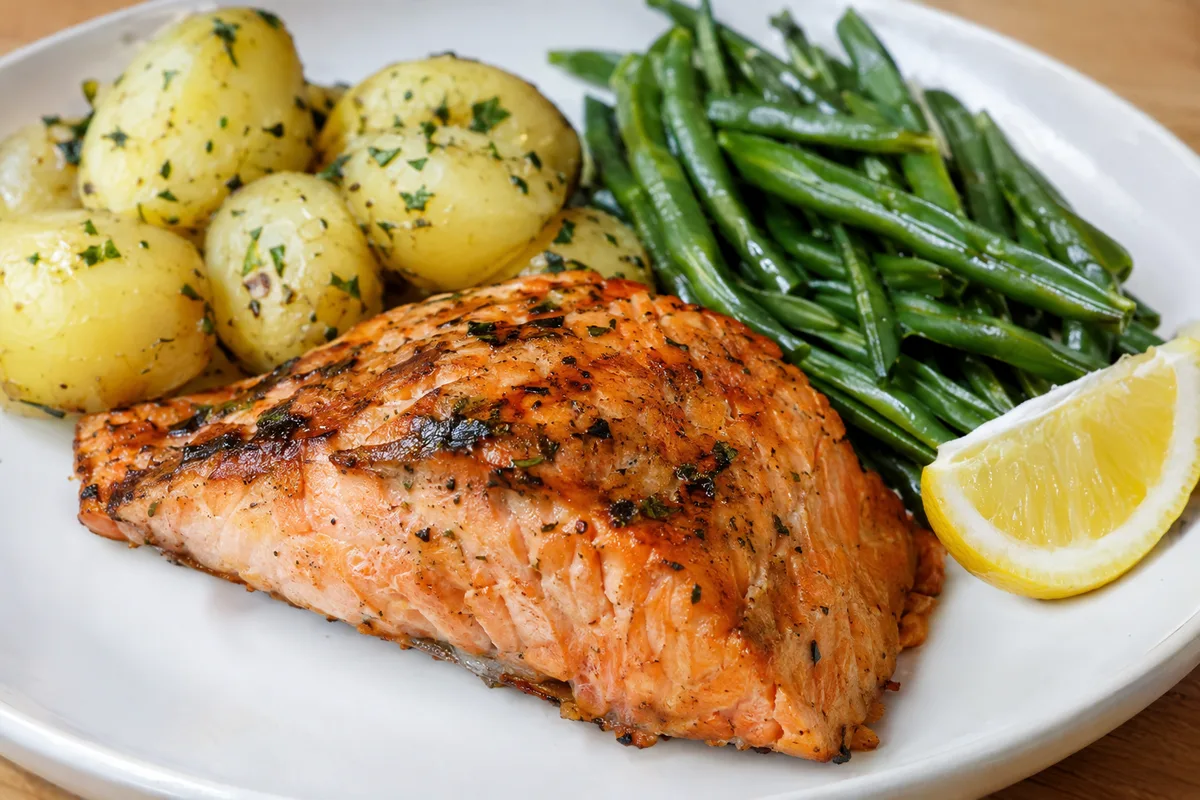
Wine contributes energy but does not usually satisfy hunger in the way a meal does. The amount depends on the size of the pour, the strength of the wine and its sweetness. If you track what you eat and drink, recording those details gives you a clearer picture than simply entering “one glass”.
- Measure a typical home pour once so you can recognise it later
- Check the alcohol strength shown on the label
- Choose the closest wine type in your food log
- Record refills separately rather than treating the evening as one serving
What happens soon after drinking
Alcohol moves from the digestive system into the bloodstream. Your body gives priority to processing it, mainly through the liver, because it cannot store alcohol for later use. How strongly you notice the effects depends on factors including the pour, whether you have eaten, your body size and how quickly you drink.
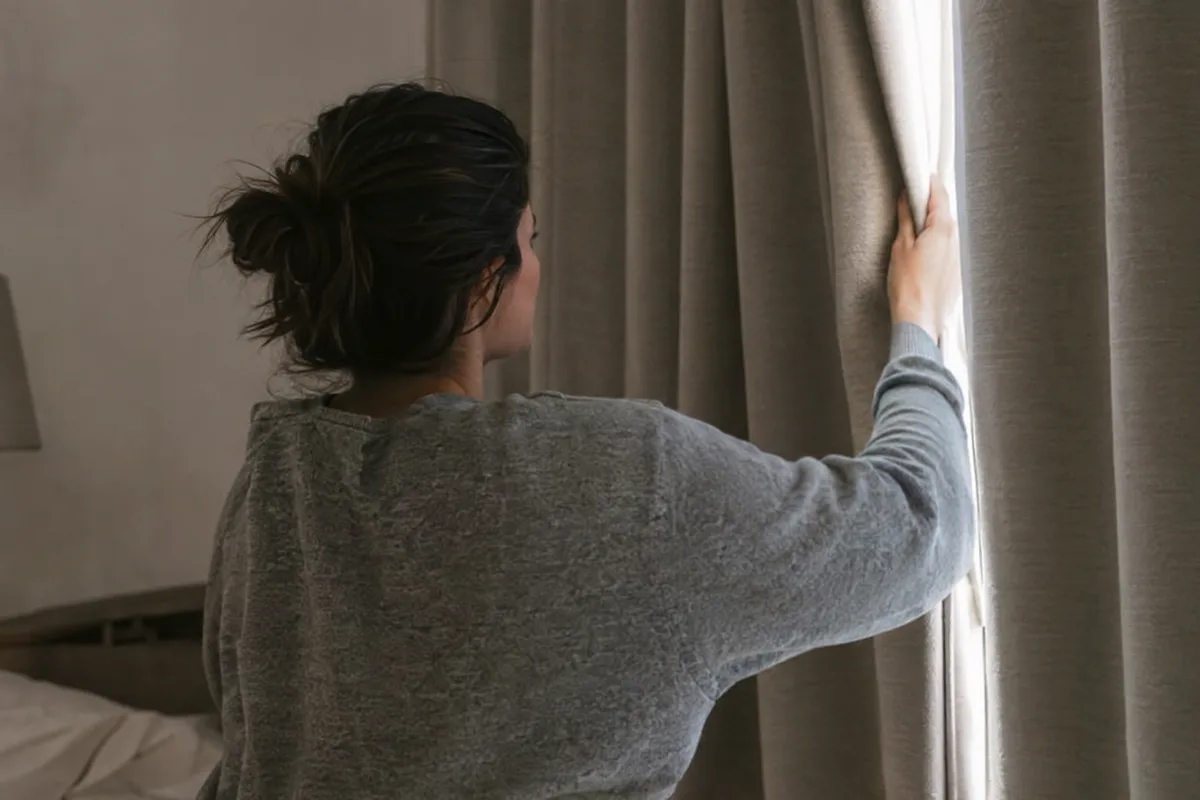
Even a familiar amount may alter concentration, coordination and judgement. It can also create a feeling of warmth without actually keeping your body warm. Wine may increase trips to the toilet, so it should not take the place of water.
Food slows the movement of alcohol into the bloodstream, but it does not cancel its effects. Drinking slowly can make it easier to notice how you feel and to keep track of the amount. Your response may also differ from one day to another.
- Have water available alongside the meal
- Avoid topping up before you can see how much remains
- Record the drink at the time rather than relying on memory
- Do not drive or do tasks requiring sharp coordination after drinking
Wine can change how you eat
Wine adds energy to an evening without necessarily making you feel full. It may also make planned portions and food choices feel less important in the moment. This can matter as much as the drink itself when you review your daily intake.
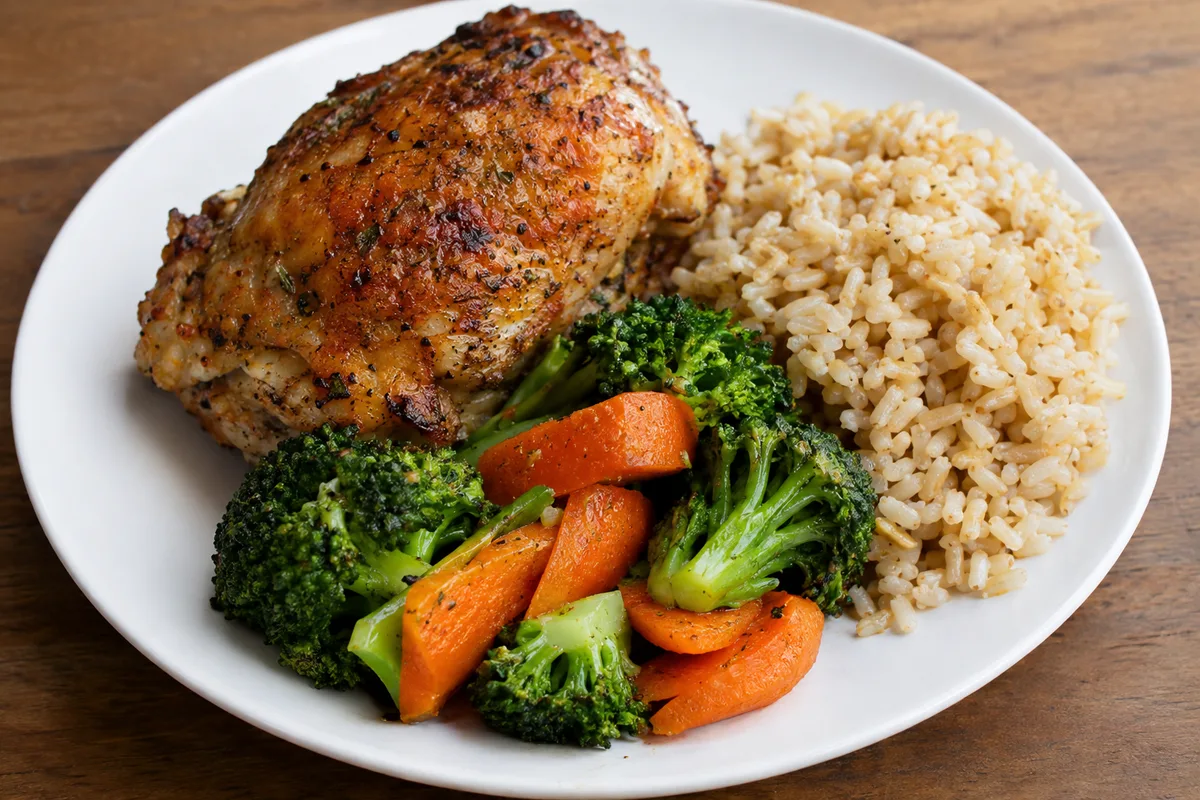
The setting often shapes what follows. Wine served with dinner may be paired with richer sauces, cheese or dessert, while drinking after dinner may lead to grazing. These foods are not automatically a problem, but they are easy to overlook if you log only the wine.
Look at the whole pattern rather than blaming one item. If evenings with wine regularly include extra snacks, log those foods without judgement and compare them with evenings without wine. That gives you useful information about your own appetite and habits.
- Include nibbles eaten while preparing dinner
- Log oils, dressings and sauces served with the meal
- Notice whether wine changes your planned portion
- Check for snacks eaten after the meal
It may affect sleep and the next morning
Wine can make you feel sleepy at first, which may seem helpful at bedtime. As the body processes the alcohol, however, sleep can become lighter or more broken. You may wake earlier, feel thirsty or need to use the toilet.
The next morning can feel different even when the evening seemed ordinary. Poorer sleep may affect energy, concentration, appetite and willingness to move. The size of this effect varies, so your own notes are more useful than assuming every glass has the same result.
If you already track food, add a simple note about sleep and morning energy. You do not need a detailed score or a device. A few plain words can help you see whether timing, frequency or the amount poured makes a difference.
- Note whether you woke during the night
- Record how rested you felt in the morning
- Notice any change in breakfast hunger
- Compare earlier and later drinking occasions
A daily drink can become an automatic cue
Repeating wine at the same time each day can link it with a cue such as finishing work, cooking dinner or sitting on the sofa. After a while, the cue itself may prompt the urge to pour. This does not mean the habit is permanent, but it can make the choice feel less deliberate.
Regular drinking can also change how noticeable the effects feel. Feeling less affected does not mean the body has stopped processing alcohol. It may simply mean the experience has become more familiar.
Try separating the reason for the drink from the drink itself. You may be looking for flavour, a marker between work and home, or a way to slow down with dinner. Knowing the purpose makes it easier to decide whether wine is what you actually want that day.
- Name the cue that usually comes before the pour
- Pause and decide rather than pouring automatically
- Keep some evenings free from alcohol
- Use another routine, such as a short walk or making a chilled soft drink
Use your food log to see the full pattern
One entry cannot tell you what daily wine does to your body. Look across several ordinary weeks for links between wine, total intake, snacking, sleep, mood and morning energy. The useful question is not whether wine is “good” or “bad”, but what role it plays in your routine.
Keep the record factual. Include the amount poured, the type of wine, the time, what you ate and anything you noticed afterwards. Avoid changing several habits at once if you want to understand which detail matters.
Your preferred pattern depends on your circumstances and priorities. Current UK low-risk drinking guidance can provide a general reference, while your log shows your personal routine. If drinking feels difficult to control or is affecting daily life, speak with a qualified health professional.
- Review totals across the week, not just one evening
- Compare drinking days with alcohol-free days
- Look for repeated links with snacks or larger portions
- Check whether timing relates to sleep
- Focus on patterns rather than trying to make every day perfect