
Acacia fibre or psyllium: which fits your food diary?
Acacia fibre and psyllium are both sources of soluble fibre, but they behave differently in food and in the gut. This guide compares their texture, everyday uses and what to note when tracking your intake.
What acacia fibre and psyllium are
Acacia fibre comes from the dried sap of acacia trees and is usually ground into a fine powder. Psyllium comes from the outer covering of seeds from the Plantago ovata plant. Both can add fibre without changing the rest of a meal very much.
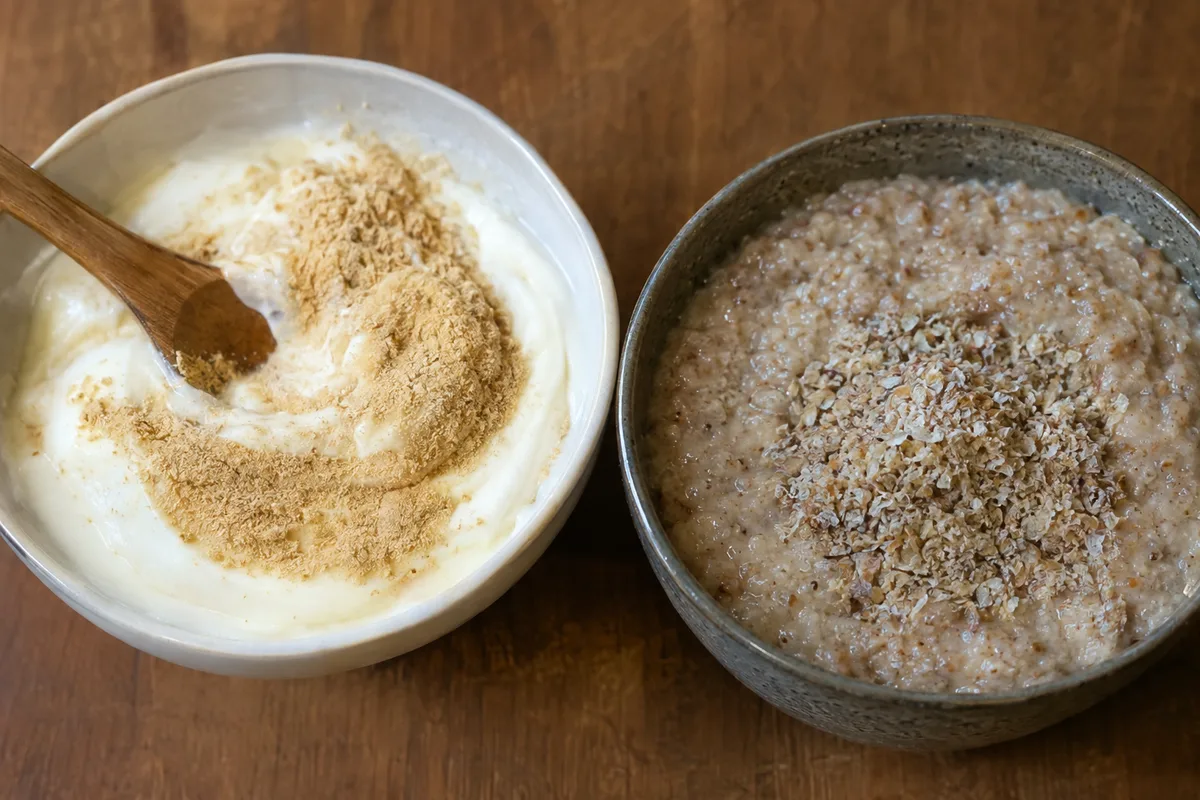
Much of the fibre in both options is soluble, meaning it interacts with water. Psyllium forms a noticeable gel, while acacia fibre usually blends into liquid with less thickening. This difference affects how they feel, how they work in recipes and how easy they are to fit into your usual meals.
- Acacia fibre: fine powder with little flavour
- Psyllium: powder or husks with stronger thickening
- Both: concentrated sources of fibre
- Neither: a replacement for varied fibre-rich foods
The main difference is texture
Psyllium absorbs water and thickens quickly. In porridge, yoghurt or a drink, it can turn a loose mixture into a thick one if left to stand. This can be useful in recipes that need binding, but the texture may not suit everyone.
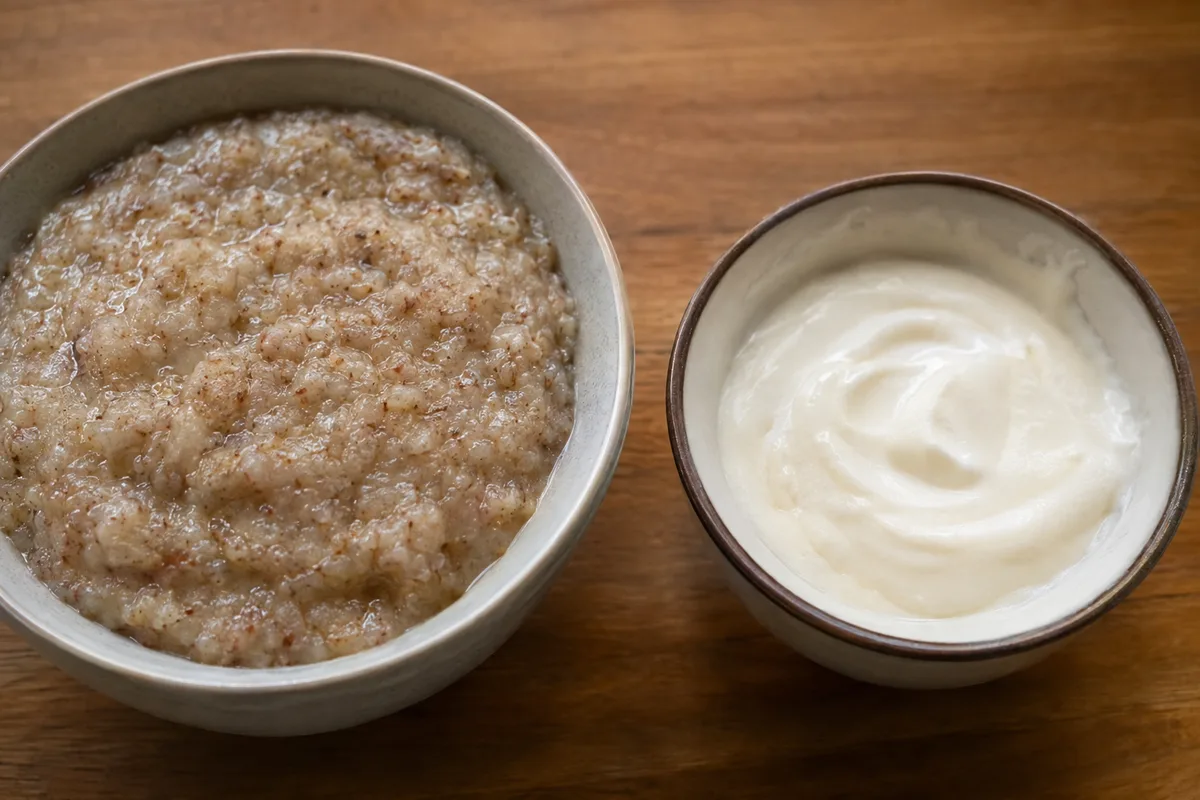
Acacia fibre generally dissolves more lightly and has less effect on consistency. It can be easier to mix into softer foods or drinks when you do not want a gel-like result. Some powders may still clump, so stirring them in gradually can help.
- Choose psyllium when thickening or binding would be useful
- Choose acacia fibre when you want less change in texture
- Mix either one thoroughly rather than swallowing it dry
- Prepare psyllium with enough liquid and consume it as directed on its label
How they may feel during digestion
Gut bacteria can break down, or ferment, some types of fibre. Acacia fibre is generally fermented more gradually, while psyllium is less fully fermented and holds on to water as it passes through the gut. These differences may affect fullness, wind and comfort, but the response varies from person to person.
A sudden jump in fibre can feel uncomfortable, even when the fibre comes from familiar foods. Introducing one option at a time makes it easier to notice how your body responds. Drinking regularly also matters because fibre and fluid work together.
- Begin with a smaller amount than your eventual routine
- Increase gradually if it feels comfortable
- Keep the rest of your diet fairly consistent while comparing
- Pause and reassess if discomfort continues
How to record them accurately
Log acacia fibre or psyllium using the information on the packet you actually use. Products can differ in serving size, fibre content and added ingredients, so a generic diary entry may not match. Record the dry amount before mixing unless the label gives different instructions.
Fibre contributes to the carbohydrate total on many food labels, but labelling formats vary. Check whether your tracker lists total carbohydrate and fibre separately before editing an entry. Avoid subtracting fibre or changing calories by hand unless that matches the labelling rules used by your tracker.
It also helps to record context rather than looking only at the daily fibre total. Note which food you mixed it into, when you had it and whether the texture or digestion felt comfortable. This gives you more useful information when comparing the two options.
- Check the serving description and unit
- Match the exact product entry where possible
- Record fibre as well as the serving amount
- Add a brief note about texture and comfort
Choosing between them
Neither option is automatically better. Acacia fibre may fit more easily into drinks and soft foods when you want little change in texture. Psyllium may suit meals or recipes where a thicker result is acceptable or useful.
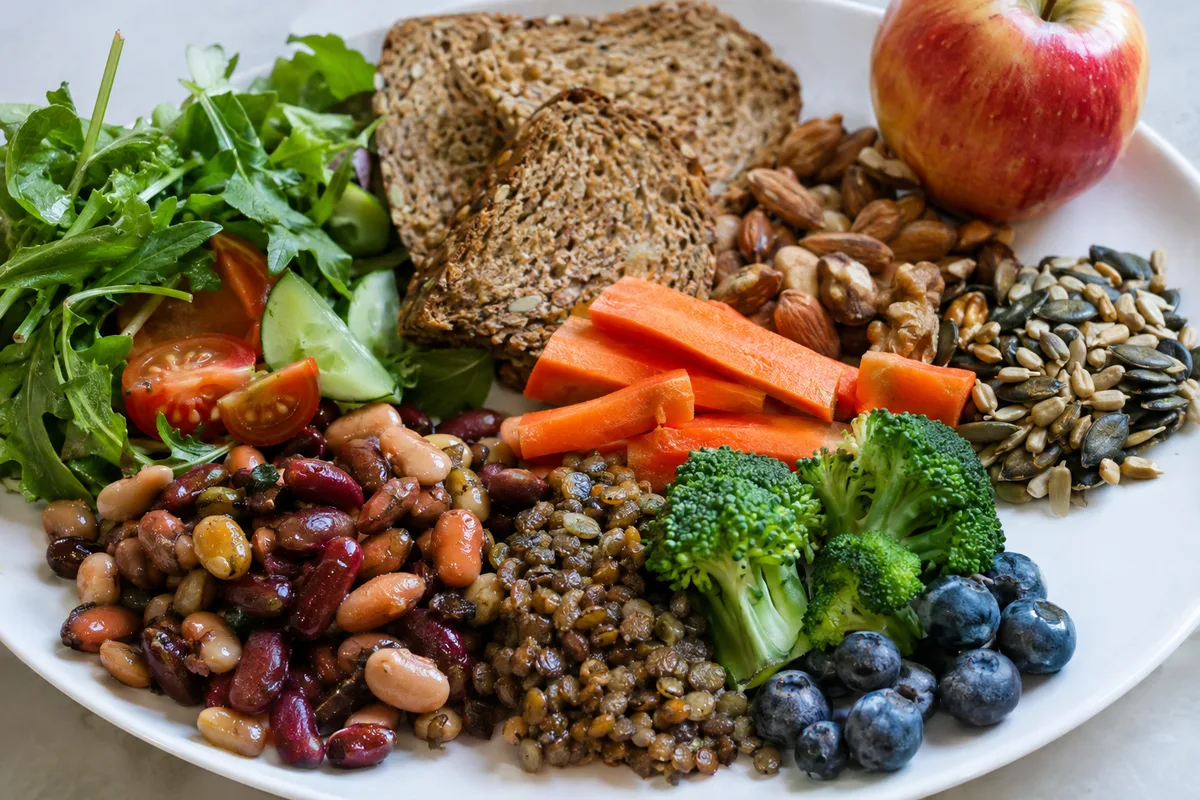
Think about what is missing from your current routine before adding a concentrated fibre. Beans, lentils, wholegrain foods, vegetables, fruit, nuts and seeds provide fibre alongside a wider range of nutrients and textures. A supplement-style fibre can add to that pattern, but it does not create variety by itself.
Compare one factor at a time: taste, texture, convenience and how you feel after eating. The amount that suits you depends on your usual fibre intake, fluid intake and personal comfort. If swallowing is difficult or fibre repeatedly causes significant discomfort, seek individual guidance from a qualified health professional.
- For a lighter texture: consider acacia fibre
- For strong thickening: consider psyllium
- For dietary variety: prioritise a mix of fibre-rich foods
- For a fair comparison: change one option at a time