
Acacia fibre: what it can add to your food diary
Acacia fibre is a soluble fibre that can be mixed into everyday food and drink. This guide explains its possible benefits, what to record and how to introduce it gradually.
What acacia fibre is
Acacia fibre comes from the dried sap of acacia trees and is usually milled into a fine powder. It is mostly soluble fibre, meaning it disperses in water rather than remaining coarse and visibly fibrous. Its mild taste makes it easier to mix into foods without changing their flavour very much.
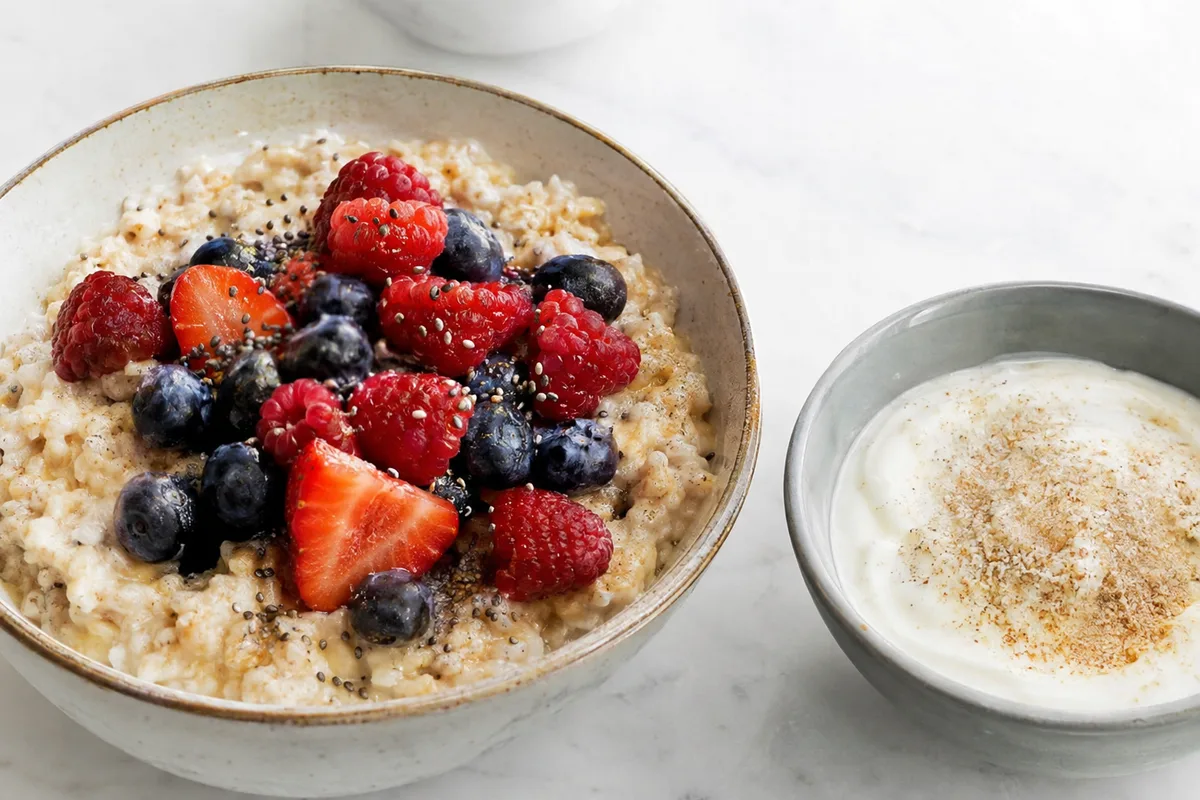
Unlike fibre-rich foods, the powder does not bring the wider mix of vitamins, minerals and textures found in beans, vegetables, fruit or wholegrains. It is better viewed as one possible addition to a varied diet, not a replacement for those foods. Your food diary can help you see how it fits alongside the fibre you already eat.
- A soluble form of dietary fibre
- Usually mild in taste and low in sweetness
- Easy to stir into soft or liquid foods
- An addition to, rather than a substitute for, fibre-rich foods
How it may support digestion
Acacia fibre passes through the upper digestive system without being fully broken down. In the large bowel, resident bacteria can ferment some of it and use it as a food source. This is why acacia fibre is sometimes described as a prebiotic fibre.
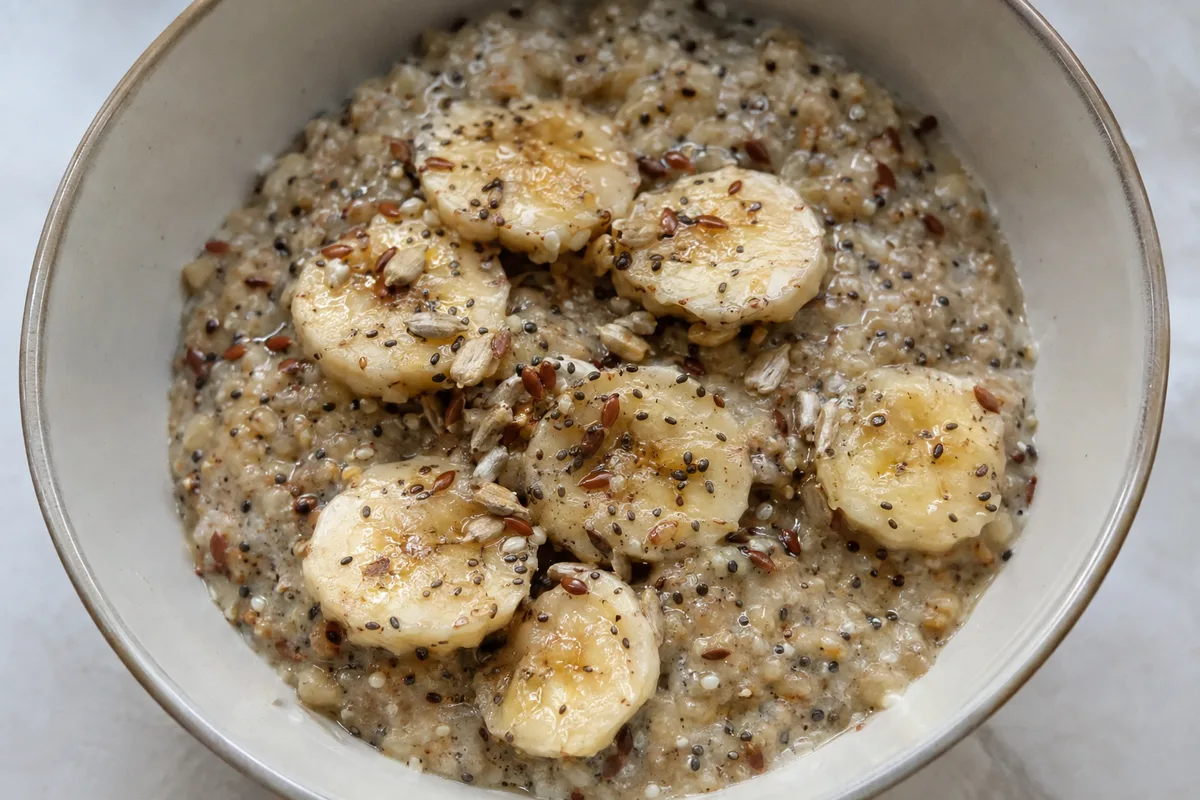
Fermentation can support a varied community of gut bacteria, although the response differs from person to person. It may also help make bowel movements more regular by adding fibre to the diet and helping stools hold water. The effect depends on your usual intake, fluid intake and individual digestion.
Adding a large amount suddenly can lead to wind, bloating or changes in bowel habits. A gradual increase gives your digestive system time to adjust. Recording both the amount and how you feel can reveal whether your current pace suits you.
- Note the time and amount you consume
- Record comfort, wind or bloating
- Track changes in bowel regularity
- Consider your daily fluid intake
- Review patterns over several days rather than one meal
Fibre and the feeling of fullness
Soluble fibre can add volume when it mixes with fluid, which may help a meal feel more satisfying. Acacia fibre may therefore support fullness for some people, but it will not affect everyone in the same way. Meal size, protein, fat, texture and eating speed also shape how long satisfaction lasts.

If you already track food, add a simple fullness note after meals and later in the day. Use your own consistent wording, such as still hungry, comfortable or very full. This is more useful than assuming that adding fibre will automatically reduce how much you eat.
Acacia fibre still works best within a balanced meal rather than as a way to make a light meal seem complete. A meal containing vegetables or fruit, a protein source and a filling carbohydrate offers more variety. Fibre powder cannot supply all the qualities of those foods.
- Compare similar breakfasts with and without the added fibre
- Keep the rest of the meal broadly consistent
- Note fullness soon after eating and later
- Look for a repeated pattern before drawing a conclusion
Using acacia fibre in everyday food
Acacia fibre can usually be stirred into foods that already contain moisture. Mixing it thoroughly helps avoid dry pockets or clumps. Follow the preparation directions on the label because products can differ in texture and serving guidance.
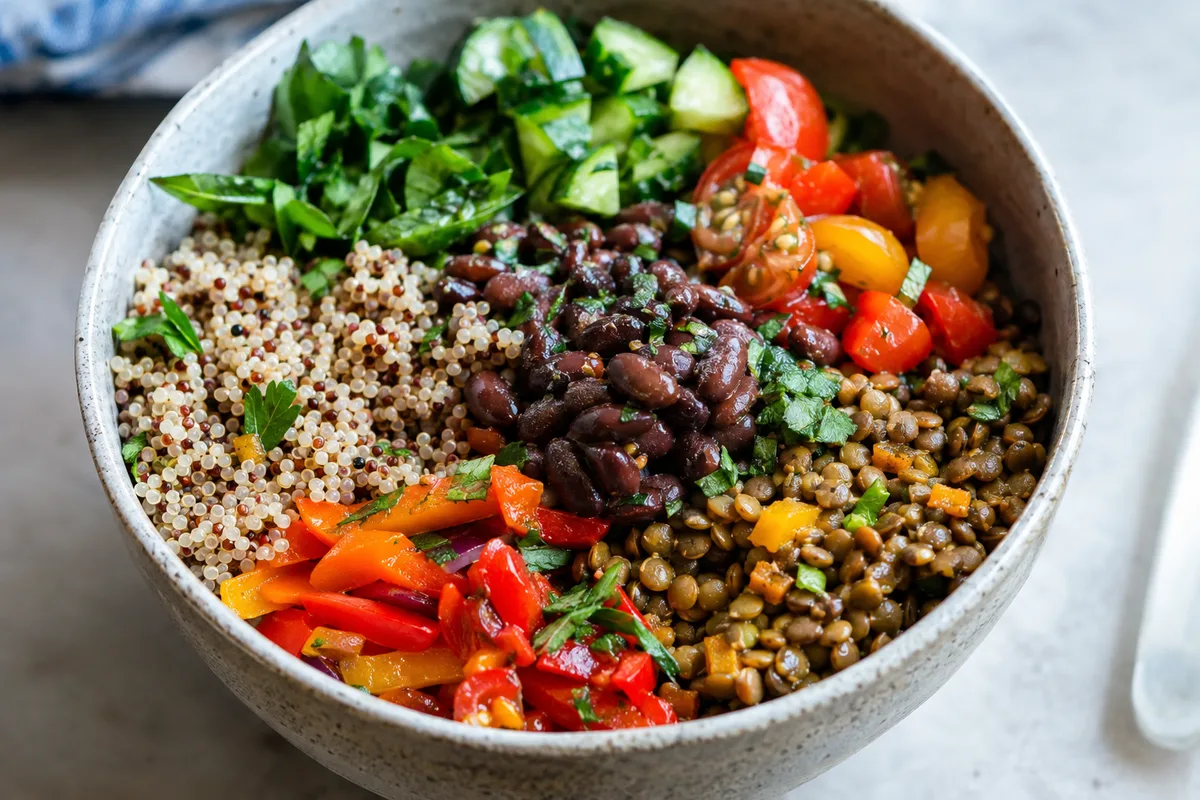
Begin with less than the full suggested serving if you are not used to added fibre, then increase gradually if it feels comfortable. There is no single ideal amount for everyone because needs and tolerance vary. Drink fluids regularly as part of your usual routine.
Adding fibre to several meals at once makes it difficult to tell what caused a change in comfort or appetite. Start with one familiar food or drink and keep the rest of your routine steady. Once you understand the effect, you can decide whether another use is worthwhile.
- Stir it into porridge after cooking
- Blend it into yoghurt with fruit
- Mix it into soup or a soft stew
- Add it gradually to a smoothie
- Disperse it fully in water or another drink
How to log it accurately
Record acacia fibre as a separate item rather than hiding it inside the meal entry. Use the amount shown for the specific product and check whether the label lists fibre by serving or by weight. Avoid borrowing an entry from another brand when the nutrition information differs.
Fibre contributes little available energy compared with digestible carbohydrate, but food labels and tracking apps may handle it differently. Some entries include fibre within total carbohydrate, while others display it separately. Use one consistent method so your comparisons remain meaningful.
The most useful diary entry includes more than the nutrition figures. Note the food you mixed it into, when you had it and whether it changed the meal's texture. These details can explain patterns that a daily fibre total alone may miss.
- Product and serving amount
- Grams of fibre listed on the label
- Food or drink used for mixing
- Time consumed
- Digestive comfort and fullness notes
Keeping the wider diet in view
Acacia fibre can raise your recorded fibre intake, but a higher total does not automatically mean a more varied diet. Whole foods provide different fibre types along with colour, flavour and nutrients. Keeping several sources in your week gives your eating pattern more breadth.
Use your diary to check where fibre is coming from, not only how much is listed. Beans, lentils, vegetables, fruit, nuts, seeds and wholegrains each bring different textures and forms of fibre. Acacia fibre can fill a practical gap, but it need not become the centre of every meal.
Pause or reduce the amount if you notice persistent discomfort after introducing it. If digestive changes are severe, unusual or do not settle, seek advice from a qualified health professional. Your own response matters more than trying to reach a figure that does not suit you.
- Keep wholegrains in regular meals
- Include a range of vegetables and fruit
- Use beans or lentils where they suit the dish
- Add nuts or seeds when appropriate
- Treat acacia fibre as one source among many