
What Stevia Can Offer When You Track Your Food
Stevia is a sweetener made from compounds found in the leaves of the stevia plant. This guide explains its practical benefits, how it affects food tracking and what to check before using it.
What stevia is
Stevia sweeteners come from sweet compounds called steviol glycosides, which are found in the leaves of the stevia plant. These compounds taste much sweeter than table sugar, so only a small amount is needed. The finished product may be sold as drops, tablets, granules or as an ingredient in foods and drinks.
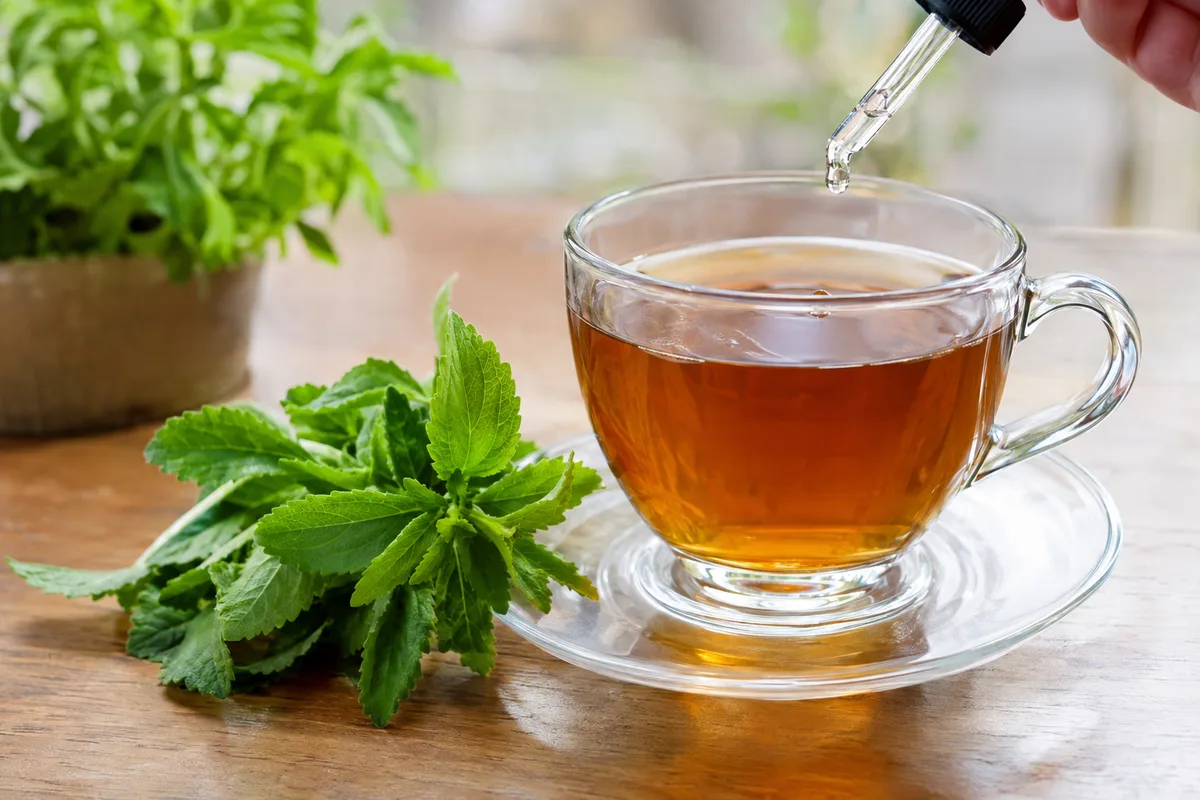
Pure stevia sweetener provides little or no energy in the amount normally used. However, a product labelled with the word stevia may also contain other ingredients that add bulk or soften its strong sweetness. This means the nutrition information can vary between products.
- Drops for adding to drinks or soft foods
- Tablets for tea or coffee
- Granules designed for spooning or baking
- Stevia blended with sugar or another sweetener
It can reduce added sugar
The main benefit of stevia is that it can provide sweetness without requiring the same amount of sugar. If it replaces sugar rather than being added alongside it, it can lower the added sugar in a drink, meal or recipe. The size of that change depends on the product and how much sugar you would otherwise have used.
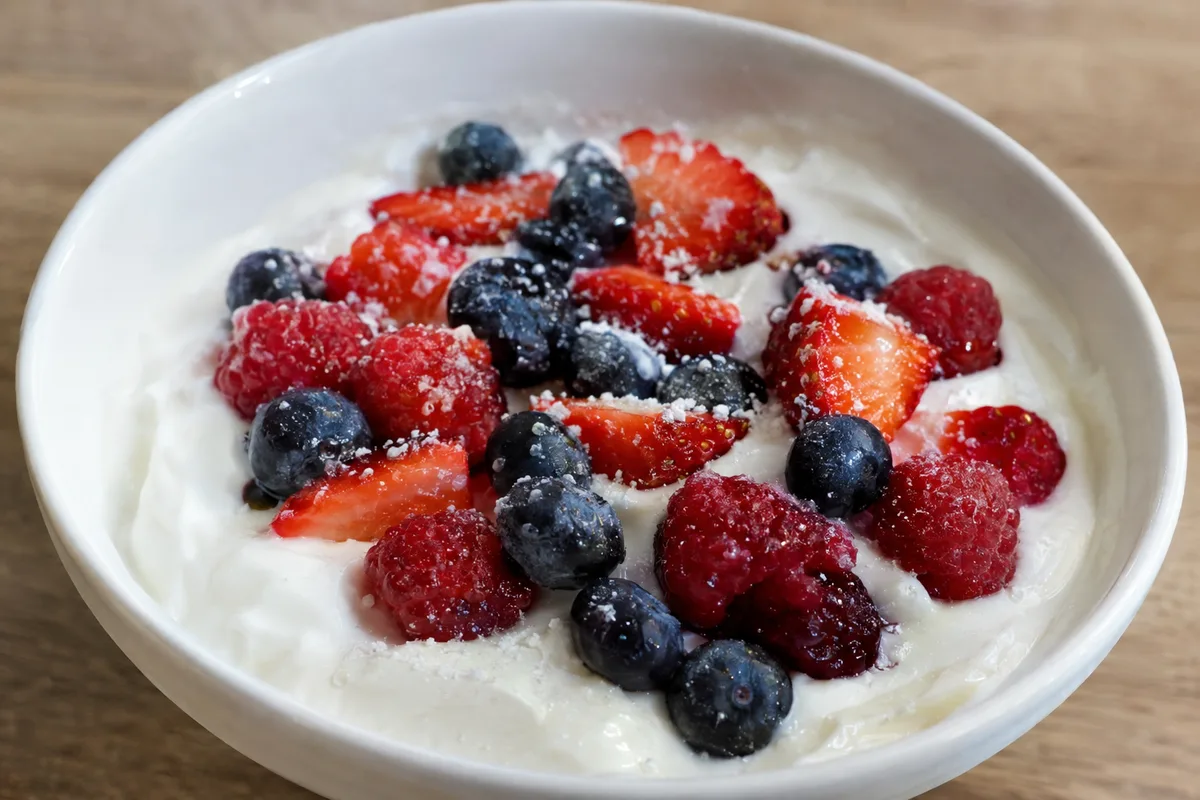
This can be useful if sweet drinks, yoghurt toppings or homemade puddings regularly add to your food log. A direct swap may make the biggest difference where sugar is mainly present for sweetness. In baking, sugar also affects texture, moisture and browning, so substitution is not always straightforward.
- Sweeten tea or coffee without spooning in sugar
- Stir a suitable stevia product into plain yoghurt
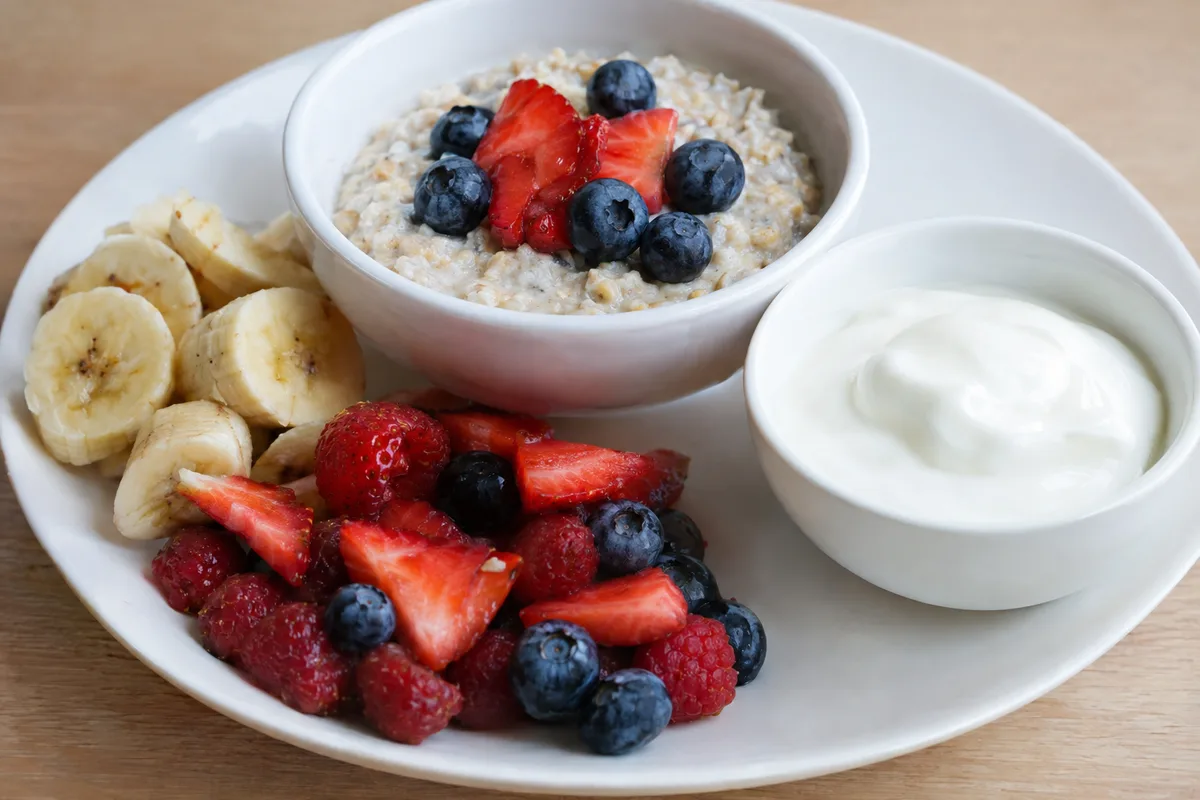
- Use it in porridge instead of a sugary topping
- Choose a stevia-sweetened drink in place of a sugar-sweetened version
It may make calorie targets easier to manage
Sugar is a carbohydrate and provides about 4 kcal per gram. Stevia contributes little or no energy in typical serving amounts, so replacing sugar with it may reduce the calories recorded for that item. The exact saving depends on the quantity replaced and any other ingredients in the stevia product.
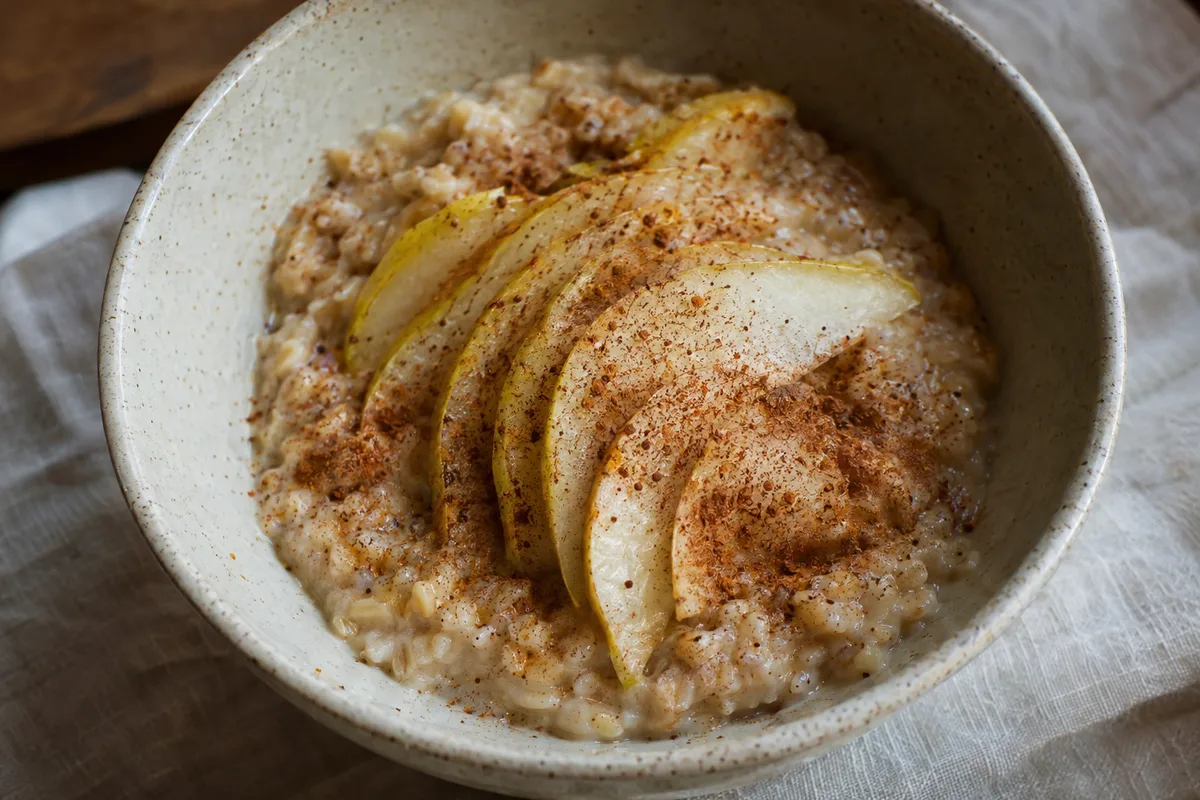
Stevia does not make the rest of a food calorie-free. A cake, dessert or flavoured drink may still contain flour, fat, milk, fruit or other sources of energy. When tracking, log the complete food or recipe rather than treating the stevia claim as a shortcut.
- Compare the serving size on the label with the amount you use
- Check whether the product contains sugar or other energy-providing ingredients
- Log milk, toppings and syrups separately when sweetening a drink
- For recipes, record every ingredient before dividing the total into portions
A little can go a long way
Because stevia is intensely sweet, a small amount may be enough. This can make it convenient for adjusting sweetness gradually without adding spoonfuls of sugar. It is usually better to begin with less than you think you need and taste before adding more.
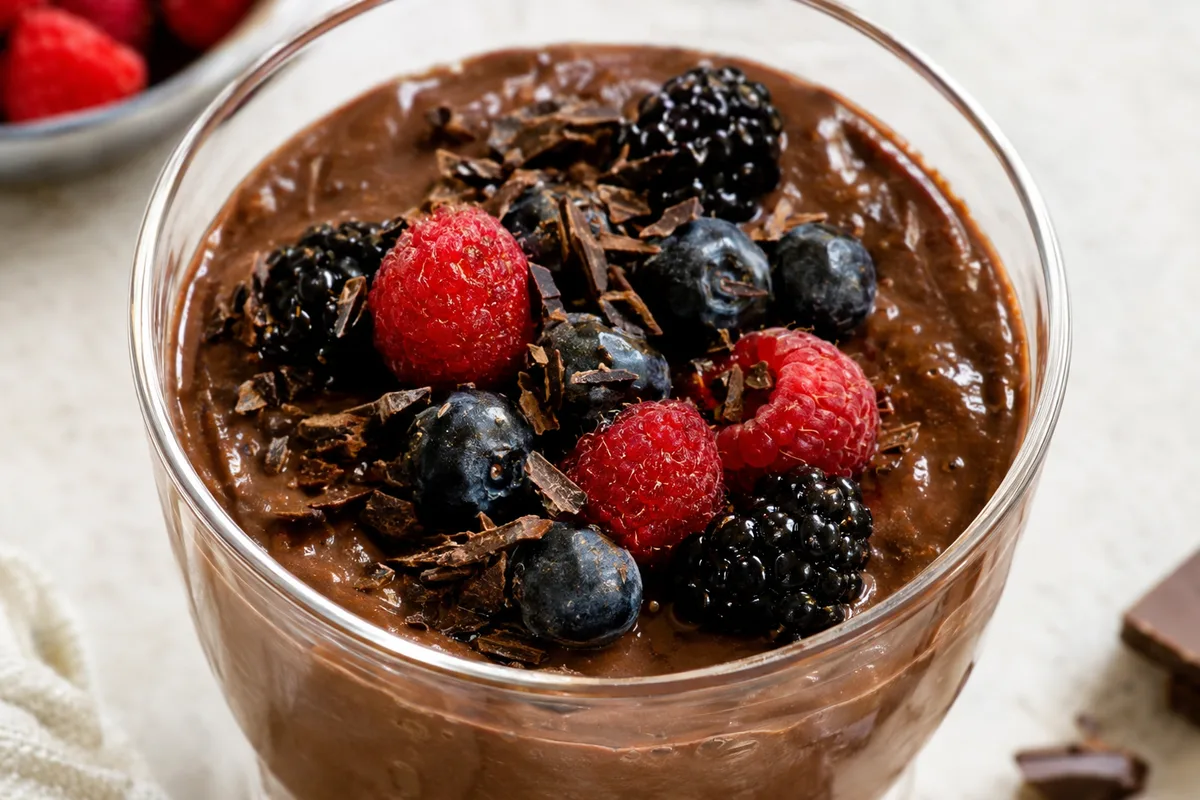
Stevia does not taste exactly like sugar. Some products can leave a lingering sweet, bitter or liquorice-like note, especially when too much is used. Pairing it with flavours such as coffee, cocoa, cinnamon, citrus or berries may make the taste feel more balanced.
- Add a small amount first
- Stir or mix thoroughly
- Taste before adding more
- Note the amount if you want to repeat the result
Labels help you understand what you are tracking
The word stevia on the front of a packet does not tell you everything inside it. Granulated versions often need a bulking ingredient so they can be measured more easily, while blended products may contain some sugar. Read the ingredients list and nutrition panel rather than assuming all options are the same.
Serving sizes can also differ between drops, tablets and spoonable products. Use the serving information that matches your exact product, then adjust the entry if your portion is different. If a packaged food contains stevia, track the food according to its full label rather than logging stevia separately.
- Look for sugar and other carbohydrates in the nutrition panel
- Check whether values are shown per serving or per 100 grams
- Confirm the suggested serving for drops, tablets or granules
- Use the barcode entry only after checking it matches the packet
Where stevia fits in an everyday diet
Stevia is an optional tool, not something everyone needs to use. Its practical value is giving you another way to sweeten food while potentially reducing added sugar and calories. Whether it suits you depends on your taste, the recipe and what you want from your food log.
It can also help to consider how sweet you want foods to taste overall. Stevia can replace sugar, but it still maintains a strongly sweet flavour when used generously. Trying smaller amounts over time may help you find a level that is enjoyable without overpowering the food.
Focus on the whole meal as well as the sweetener. Fruit, vegetables, grains, protein-rich foods and sources of fibre still shape how balanced and satisfying the meal feels. Stevia changes sweetness, but it does not replace those parts of eating.