
Does Fibre Really Cancel Out Carbs?
Fibre is a type of carbohydrate, but the body handles it differently from sugar and starch. Here is what that means for food labels, net carbs and the meals you track.
The short answer
Fibre does not cancel out the sugar or starch in food. It is a separate part of the food that passes through digestion differently. Eating fibre alongside other carbohydrates may change how satisfying a meal feels, but it does not make those carbohydrates disappear.
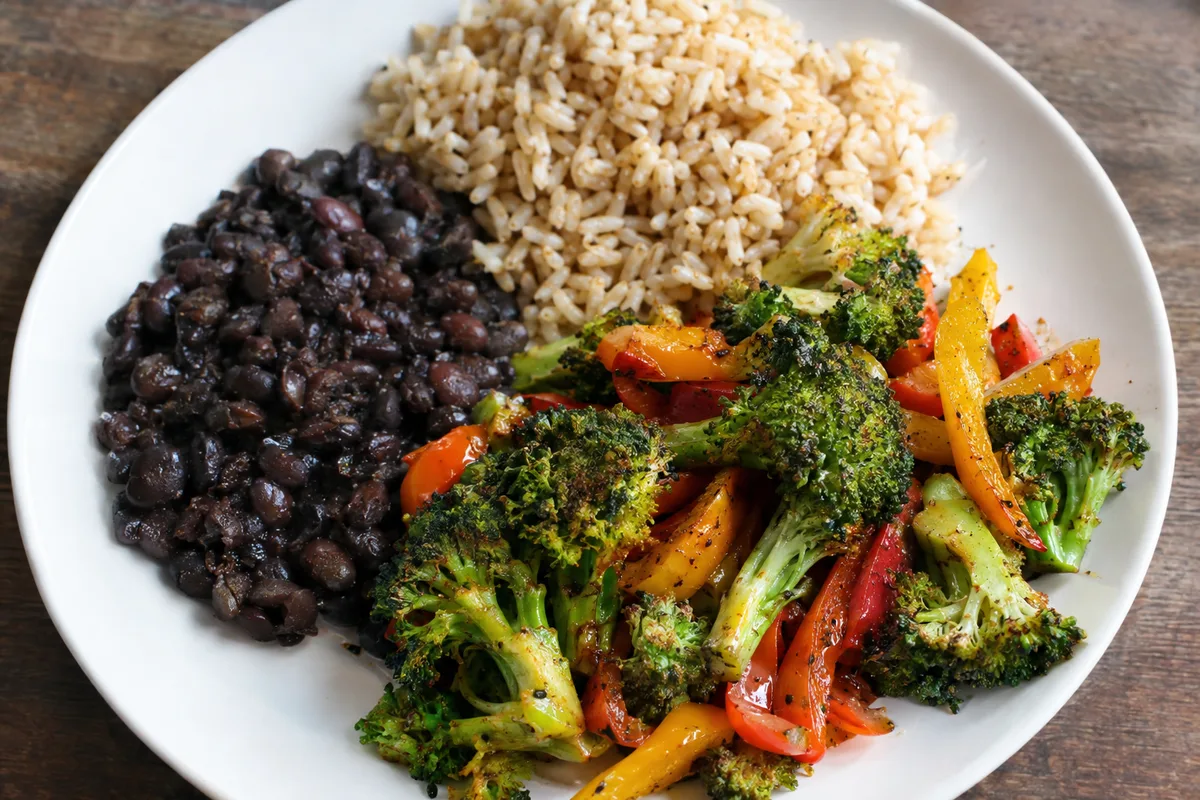
The confusion often comes from the phrase “net carbs”. This generally means the carbohydrate considered available for digestion after fibre has been accounted for. Whether you need to subtract fibre yourself depends on the food label and tracking system you use.
- Fibre remains part of the food.
- Sugar and starch are still present after fibre is counted.
- Net carbs are a way of describing available carbohydrate, not carb cancellation.
How fibre differs from sugar and starch
Carbohydrate is a broad family that includes sugars, starches and fibre. Sugars and starches are largely broken down into smaller units that the body can use for energy. Fibre resists this process fully or partly, depending on the type.
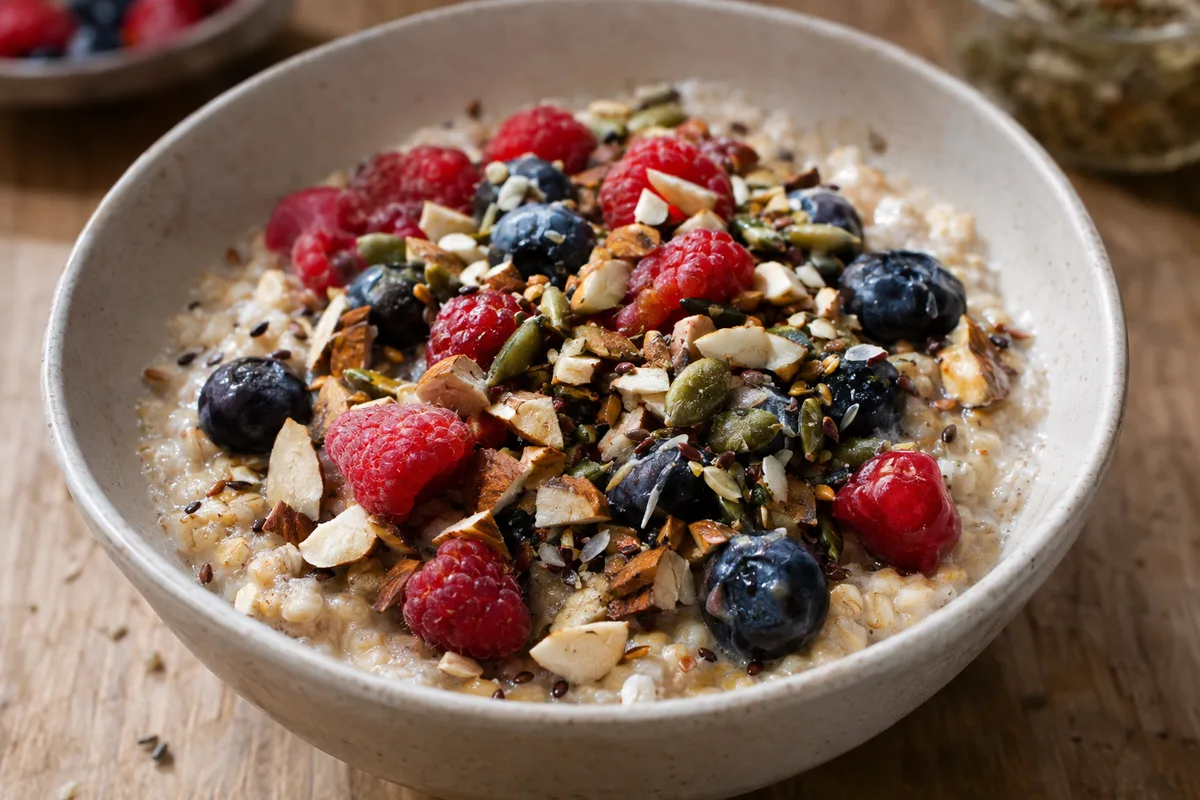
Some fibre adds bulk and helps food move through the digestive system. Some is used by microbes in the gut, producing substances that the body can use. This means fibre is not simply identical to sugar or starch, even though all three belong to the carbohydrate family.
Foods rich in fibre often take longer to chew and can make a meal feel more substantial. They also tend to bring other useful parts of food, such as vitamins, minerals and plant compounds. These qualities matter more than treating fibre as a mathematical way to erase another nutrient.
- Sugars are relatively simple carbohydrates.
- Starches are chains of carbohydrate units.
- Fibre is resistant to full digestion.
- A food can contain all three at the same time.
Why food labels can cause confusion
Labels do not present carbohydrate and fibre in the same way everywhere. On a typical UK label, the figure beside “carbohydrate” already excludes fibre, which is listed separately. Subtracting fibre again would therefore undercount the carbohydrate shown.
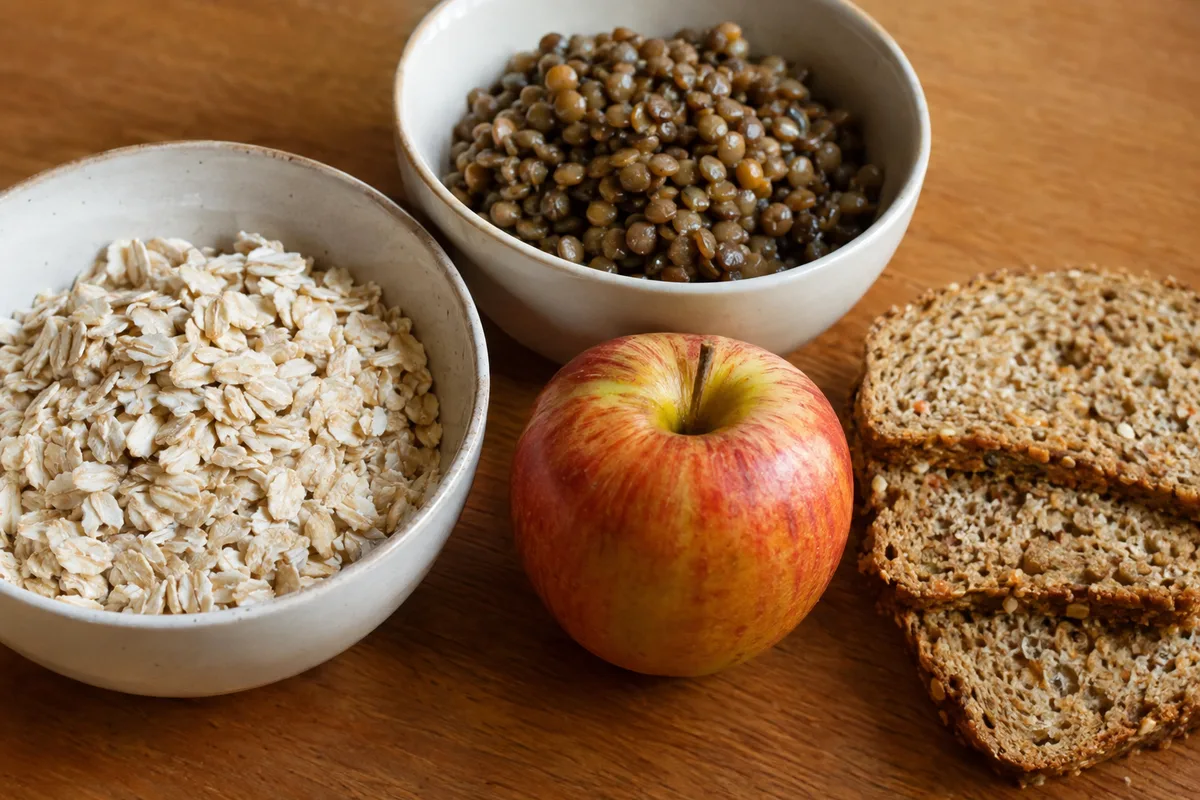
Some labels from other countries place fibre inside a total carbohydrate figure. In that case, a net carb calculation may subtract fibre from that total. Imported foods and tracking databases can therefore appear inconsistent even when the food itself is the same.
Check the headings before doing any calculation. If the label lists “carbohydrate” and “fibre” as separate main entries, the carbohydrate figure will usually already represent available carbohydrate in the UK. If it says “total carbohydrate” with fibre indented underneath, it may be using a different labelling system.
- Identify which country’s labelling rules the package follows.
- Check whether fibre sits inside or outside the carbohydrate total.
- Match the serving amount in your log to the amount you ate.
- Avoid subtracting fibre twice.
Whole foods are more than a net carb number
Two foods can show similar available carbohydrate figures while offering very different eating experiences. Oats, beans, fruit and whole grains contain fibre within their natural structure. A more refined food may contain less fibre and be quicker to eat.
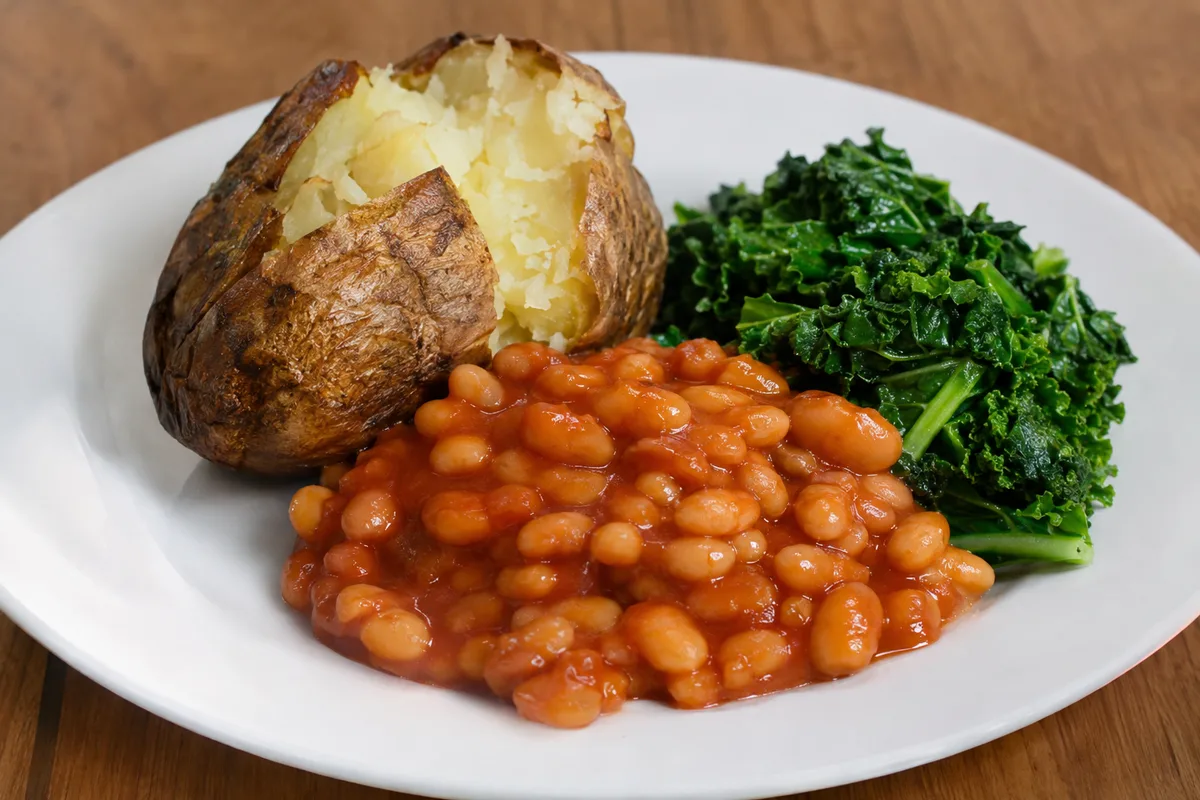
This does not make one carbohydrate automatically good and another automatically bad. Portion, preparation and the rest of the meal all matter. Combining a carbohydrate food with protein, fat and fibre can create a more balanced and satisfying plate.
It is also worth separating whole-food fibre from fibre added during manufacturing. Both may count as fibre on a label, but they do not necessarily make two foods nutritionally identical. Look at the full ingredient list and nutrition panel rather than judging a food by net carbs alone.
- Choose whole fruit more often than strained fruit drinks.
- Try oats or wholegrain cereal in place of a lower-fibre option.
- Add beans or lentils to soups, salads and grain dishes.
- Keep the foods you enjoy while varying your sources of carbohydrate.
How to track fibre and carbohydrate clearly
Start by deciding what your tracker means by carbohydrate. Some trackers use available carbohydrate, while others display a total that includes fibre. The help notes or nutrient definitions should explain which method is being used.
Use an entry that matches the label on your food whenever possible. Generic entries can differ because varieties, recipes and cooking methods are not identical. If a result looks unusual, compare the tracker entry with the package or a reliable food database.
There is usually no need to reduce the logged carbohydrate simply because a meal contains a high-fibre food. Record the food and let a correctly configured tracker handle its nutrient values. You can also watch fibre as its own nutrient rather than viewing it only as something to subtract.
- Confirm whether your tracker shows total or available carbohydrate.
- Use entries that match the exact food and preparation method.
- Check the portion unit before saving the entry.
- Track fibre separately if you want to understand your usual pattern.
A better way to think about fibre
Instead of asking whether fibre cancels carbs, ask what the carbohydrate source adds to the meal. A potato with its skin, a bowl of beans and a serving of fruit all provide carbohydrate and fibre together. There is no need for one nutrient to erase the other.
For everyday tracking, consistency is more useful than switching between label systems. Follow the carbohydrate definition used by your usual tracker and avoid manual subtraction unless you know fibre is included in the total. The right amount of carbohydrate and fibre depends on the person, their eating pattern and their aims.
Fibre can make carbohydrate-rich foods more filling and varied, but it does not turn them into carbohydrate-free foods. Count what the label or database actually reports, then consider the food as part of the whole meal. That gives a clearer picture than relying on net carbs alone.
- Think about the whole meal, not just one nutrient.
- Include a range of fruit, vegetables, pulses and whole grains.
- Use one consistent labelling method when comparing foods.
- Treat net carbs as a label calculation, not a measure of overall food quality.