
Does Sunbathing Burn Calories?
Your body continues to use energy while you lie in the sun, but sunbathing itself is not a meaningful calorie-burning activity. This guide explains what is happening, why sweating is misleading and how to track active time outdoors.
The short answer
Sunbathing does not usually burn many more calories than resting somewhere cooler. Your body uses energy all the time to support breathing, circulation, temperature control and other basic functions. Those calories would still be used if you were lying on a sofa or resting in the shade.
Warm conditions may change how your body manages its temperature, but the effect on calorie use depends on the person and the conditions. It is not consistent enough to treat time in the sun as exercise. If your aim is to track activity, record the movement you do rather than the time you spend sunbathing.
Why resting still uses energy
You do not need to move for your body to use fuel. Basic processes continue while you sit, sleep or lie on a beach. This resting energy use is usually much larger across the day than the small changes caused by moving between warm and cool surroundings.
The amount used during rest differs from person to person. Body size, age, body composition and the length of time spent resting can all affect it. A food or activity diary may estimate this background energy use, but it should not label it as calories burned specifically by sunlight.
- Breathing and circulating blood
- Maintaining body temperature
- Supporting the brain and other organs
- Repairing and renewing tissues
Sweating is not the same as burning body fat
Sunbathing can make you sweat, especially on a hot or humid day. Sweat helps release heat as moisture evaporates from the skin. Producing sweat does not mean that a large amount of energy has been used.
A lower body weight after sweating mainly reflects lost fluid. That change can reverse after drinking and eating as usual, so it does not show how much body fat has changed. For useful tracking, look at patterns over time rather than a single reading after heat exposure.
- Do not count visible sweat as evidence of a high calorie burn
- Avoid comparing weight readings taken under very different conditions
- Record drinks if hydration is part of your usual food diary
- Use consistent timing and conditions for any weight trend you follow
Outdoor movement makes the difference
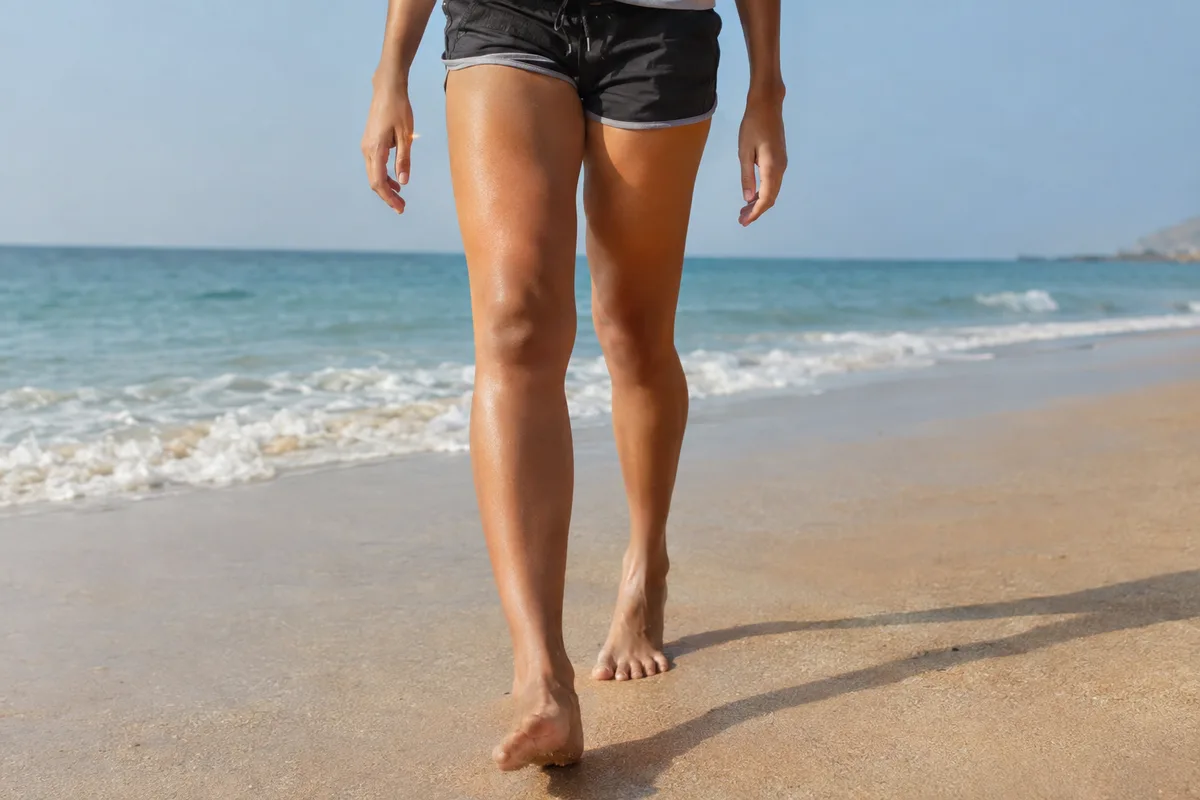
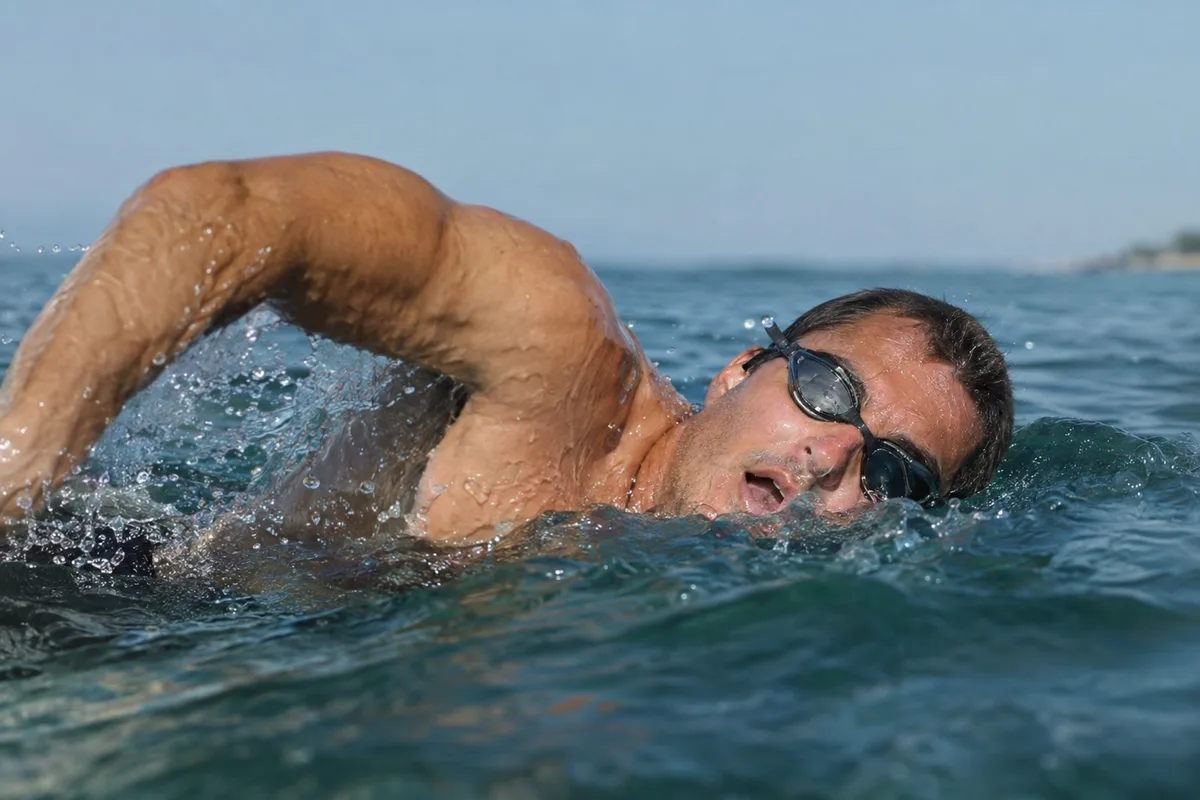
The activity around sunbathing may use more energy than lying still. Walking to the beach, swimming, carrying a bag or playing an outdoor game all involve muscle movement. The amount used depends on your pace, effort, body size and duration.
Track each active part separately if you want a clearer diary. Do not include the whole outing as exercise when much of it was spent sitting or lying down. If an app offers several intensity levels, choose the description that most closely matches what you actually did.
- Log a walk for the time spent walking
- Log swimming only for the time spent moving in the water
- Count a game according to its active duration
- Leave seated or lying time as ordinary rest
Heat can change how activity feels
Movement can feel harder in warm weather because your body is also trying to release heat. Feeling hotter or sweating more does not automatically mean an activity has used far more calories. Pace, duration and the movement itself remain more useful details for an estimate.
Choose activity according to the conditions and how you feel rather than trying to maximise sweating. Rest in shade, drink regularly and stop if you feel unwell. Sun protection also matters whenever you spend time outdoors, whether you are exercising or resting.
- Note the actual duration of movement
- Describe the pace honestly
- Separate breaks from active time
- Treat sweat as fluid loss, not a calorie measure
How to record a day in the sun
A simple activity timeline can prevent an outdoor day from being overcounted. Write down the periods when you were walking, swimming or doing another movement, then leave sunbathing time out of the exercise total. Your usual daily energy estimate already accounts for energy used while resting.
Food intake can be logged in the same way as on any other day. Enter what you ate and drank using the portions you had, without adding extra calories burned simply because the weather was hot. This keeps the diary focused on actions that can be described and estimated more consistently.
- Record each active period when it ends
- Exclude time spent lying or sitting in the sun
- Log food and drinks using your usual method
- Add notes about pace or effort when helpful
- Review the whole day rather than one sweaty moment