
How to Eat for Half-Marathon Training and Race Day
Half-marathon fuelling is about matching food and drink to the work your body is doing. This guide explains what to track, how to practise your plan and what to eat around training and race day.
Use your food log as a fuelling guide
Training for a half marathon can change how much energy you need from one day to the next. Instead of treating your daily target as fixed, compare what you eat with the length and effort of each run. The right amount depends on your body, training plan, usual diet and appetite.
Your log can also reveal whether meal timing affects your running. Note how hungry, comfortable and energetic you feel before, during and after key sessions. These details are often more useful than trying to copy another runner's exact menu.
Look for patterns across several similar runs rather than judging one difficult day. Sleep, weather, stress and pace can all affect how a session feels. Adjust one part of your routine at a time so you can tell what helped.
- Record the type and effort of each run beside your meals
- Note hunger and energy before and after training
- Record any heaviness, bloating or urgent toilet stops
- Compare similar training days rather than unrelated sessions
Build everyday meals around training
Carbohydrate-rich foods provide much of the fuel used during running. Protein supports the repair and maintenance of working muscles, while fats add energy and help make meals satisfying. Fruit, vegetables and other varied foods bring fibre and a range of nutrients to the wider training diet.
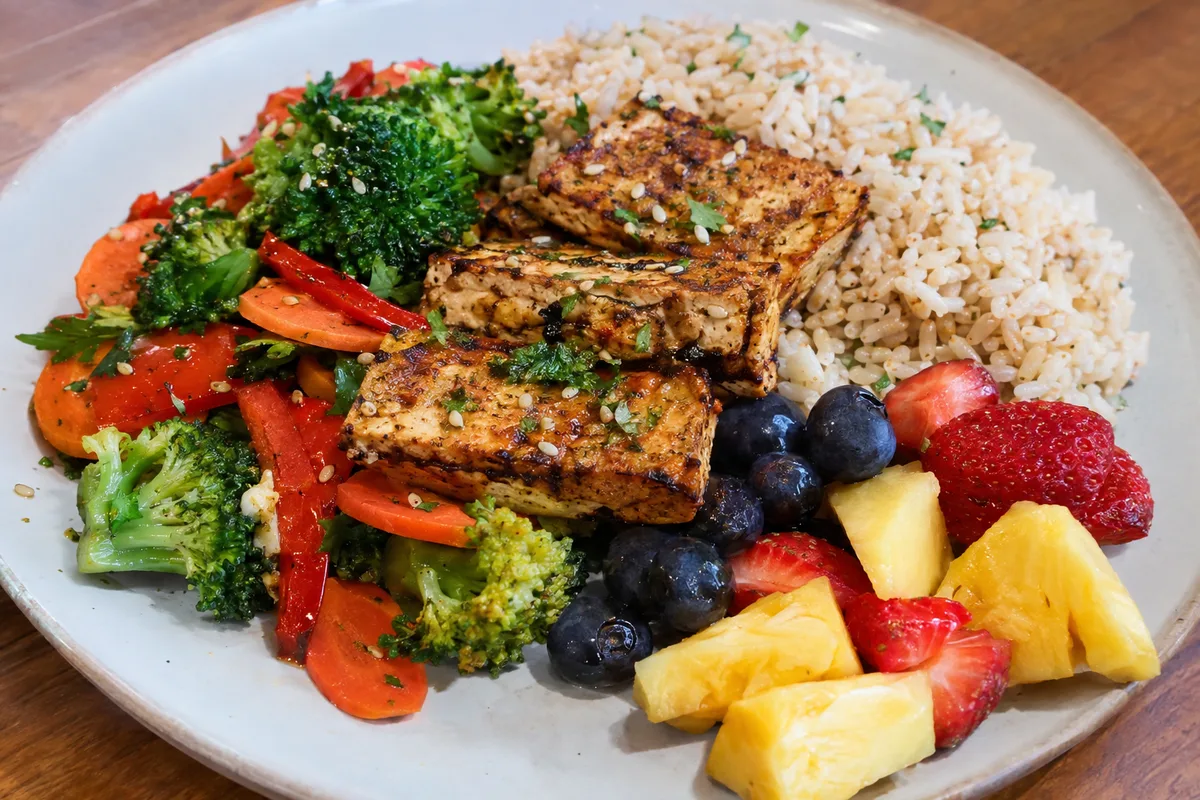
A balanced meal might combine rice, potatoes, pasta, bread or another carbohydrate with a protein food and some vegetables. Add fats such as olive oil, avocado, nuts or seeds according to your appetite and overall intake. On harder training days, a larger carbohydrate portion or an extra snack may fit more comfortably than making every meal much bigger.
Regular eating can be easier to manage than reaching the evening extremely hungry. Your food log can show whether long gaps tend to leave you short of energy before a run. It can also help you plan portable snacks when training falls between meals.
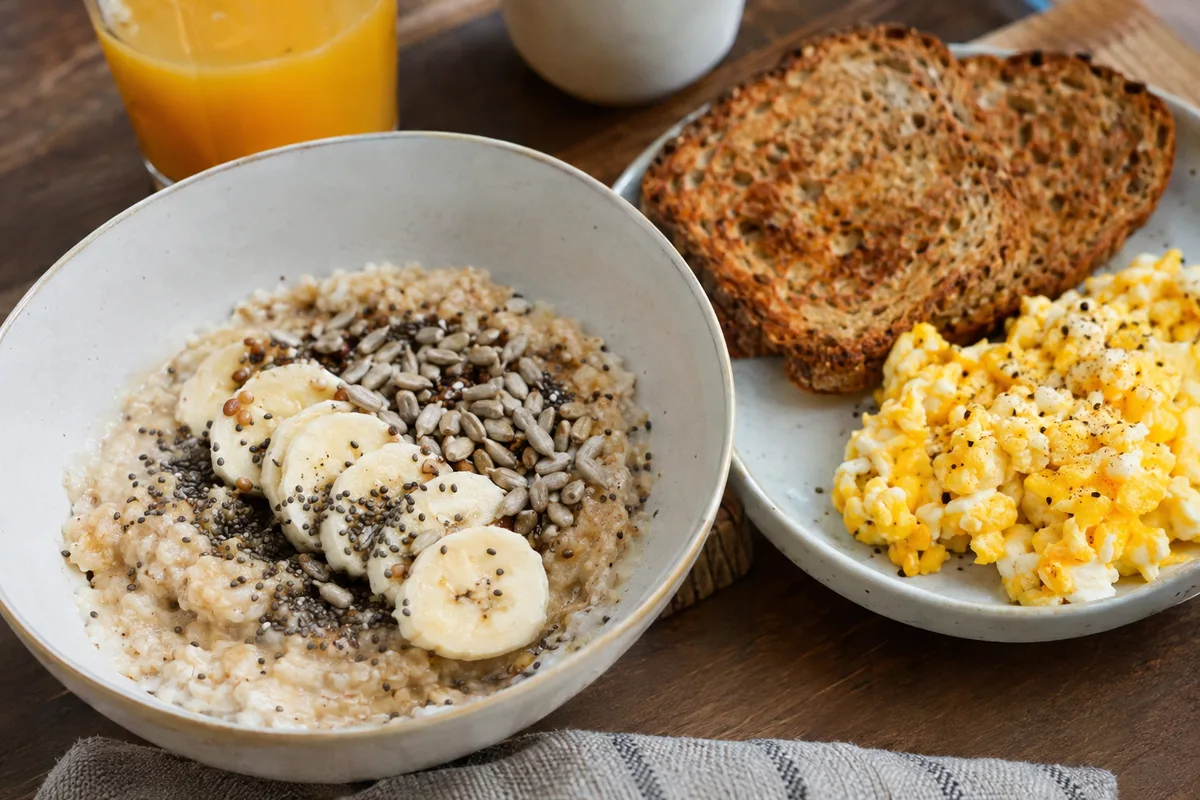
- Porridge with banana, yoghurt and seeds
- Rice with tofu or chicken and cooked vegetables
- Pasta with lentils, tomato sauce and grated cheese
- Toast with eggs and fruit
- A baked potato with beans and a side salad
Practise your pre-run meal
The meal before a longer run should provide useful fuel without feeling heavy. Familiar carbohydrate foods are usually the simplest base, with smaller amounts of protein and fat if those sit well for you. Your best portion and timing depend on your appetite, routine and digestive comfort.
Large amounts of fat or fibre close to running can feel uncomfortable for some runners because they take longer to move through the digestive system. That does not mean these foods must disappear from your diet. It means you may prefer them earlier in the day or after the session.
Use long training runs to test possible race-morning meals. Keep a note of the food, portion, timing, fluid and how the run felt. Avoid making race day the first time you try a new breakfast or drink.
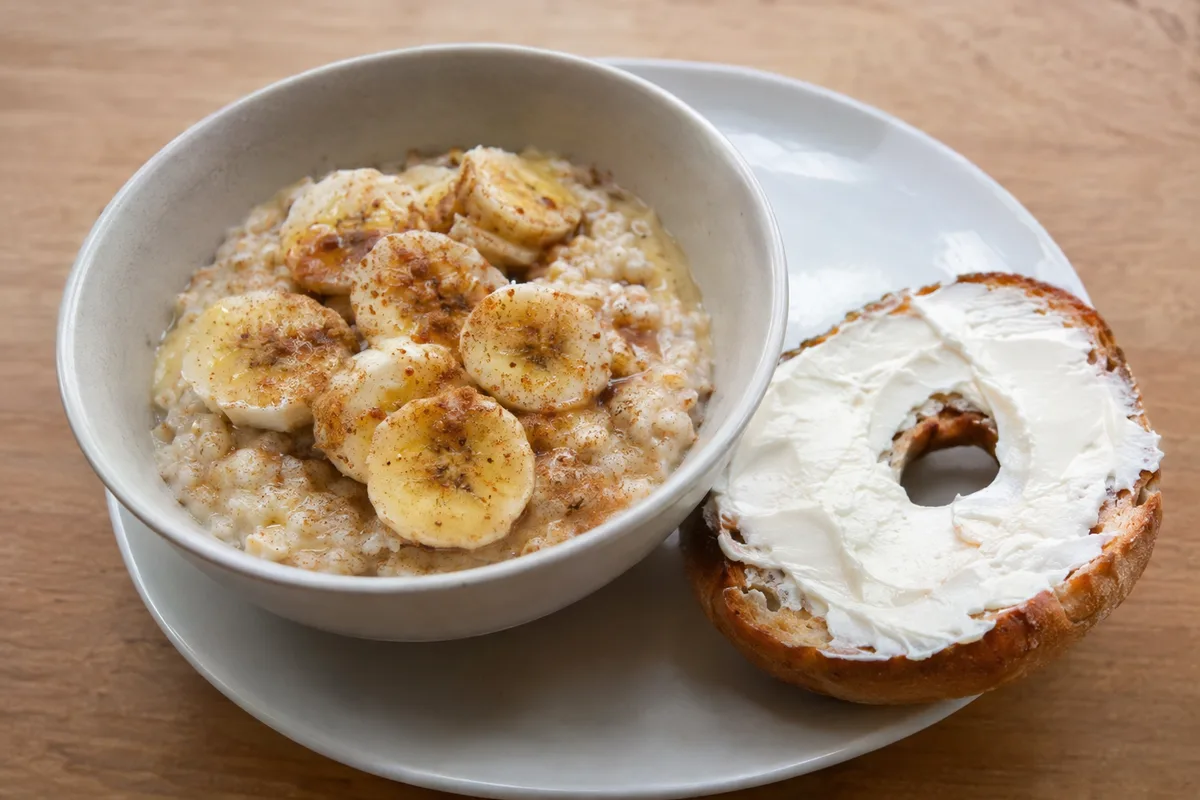
- Porridge topped with banana
- Toast with a thin spread of nut butter and some fruit
- A bagel with yoghurt on the side
- Rice pudding with sliced fruit
- Cereal with milk or a suitable alternative
Plan food and drink during the run
Whether you need carbohydrate during a half marathon depends on your expected running time, effort and what you ate beforehand. Longer training runs are the place to find out whether a sports drink, gel, chews or ordinary food feels practical. The amount depends on the person and should be tested rather than guessed on race day.
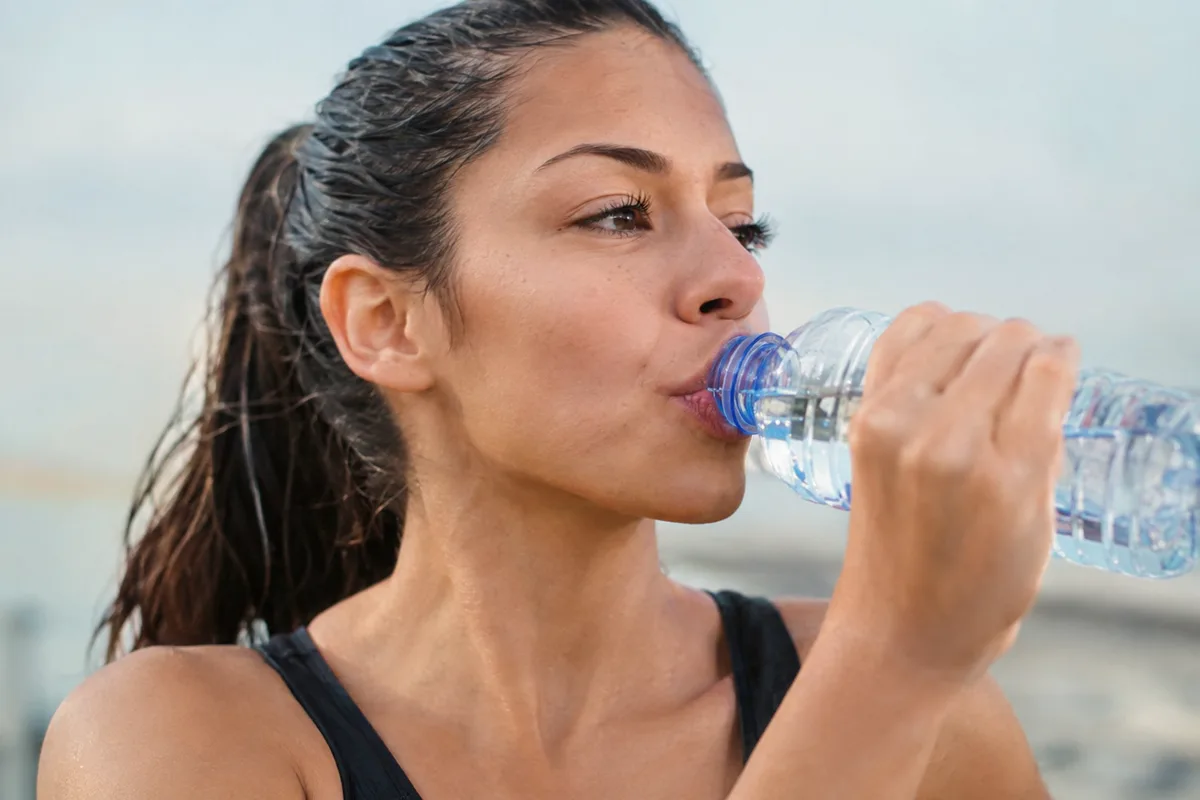
Water needs also vary with the weather, pace, sweat and access to drinks. Drinking far more than feels appropriate is not automatically better, while ignoring thirst throughout a long effort may leave you uncomfortable. Practise taking manageable sips during training and observe how you feel.
Check what will be available on the course before choosing your plan. If you intend to use the provided drink or food, try the same type during training where possible. If you carry your own fuel, make sure you can open and eat it while moving without disrupting your rhythm.
- Test one fuel option at a time
- Practise drinking while running at an easy pace
- Record the weather and how much you carried or collected
- Choose options that are easy to chew or swallow
- Keep race-day choices familiar
Eat after long and hard sessions
After a demanding run, food helps replace used carbohydrate and provides protein for muscle repair. A meal containing both can also settle the strong hunger that sometimes arrives later. Include fluid, especially when the run was warm or you finished noticeably thirsty.
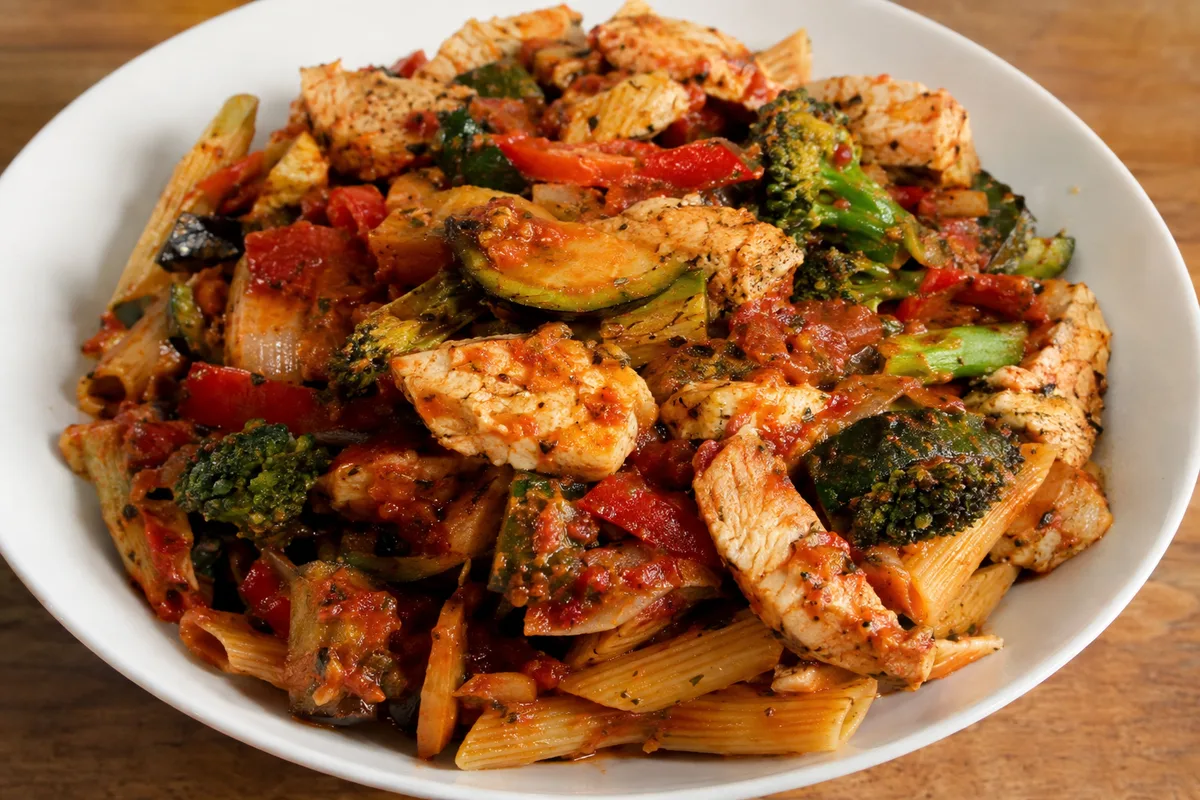
You do not need a special recovery food if an ordinary meal is convenient. Rice with eggs, a yoghurt and fruit bowl, or a filled sandwich can all combine carbohydrate and protein. If a full meal does not appeal straight away, start with a familiar snack and eat more when your appetite returns.
Tracking your recovery meal can help explain how you feel later in the day and during the next session. Pay attention to energy, appetite and general muscle comfort rather than chasing a perfect entry. Recovery also includes rest and sleep, so food is only one part of the picture.
- Yoghurt with fruit, oats and nuts
- Eggs on toast with grilled tomatoes
- Rice with fish or tofu and vegetables
- A chicken, bean or cheese sandwich with fruit
- A milk-based or fortified alternative drink with a banana
Keep race day simple
Race day is not the time to compensate for missed training or overhaul your diet. Eat the breakfast you practised, use the familiar fuel plan and drink in the way that worked during long runs. Calm, repeatable choices reduce the number of surprises you need to manage.
The evening meal beforehand can be a normal, carbohydrate-centred meal that you know sits comfortably. An unusually large serving may disturb sleep or leave you feeling heavy the next morning. Keep strongly flavoured, very rich or unfamiliar foods for another occasion if they have not been tested.
After finishing, begin with fluid and food that you can comfortably manage. Follow that with a balanced meal when you are ready, rather than treating the rest of the day as nutritionally unimportant. Add the race and meals to your log if you want a useful record for future events.
- Prepare a familiar breakfast in advance
- Choose a tested evening meal
- Carry only fuel you have used in training
- Arrange an easy post-race meal or snack
- Use your log as a record, not a scorecard