
Macros: an essential guide to protein, carbohydrate and fat
Macronutrients, usually shortened to macros, are the protein, carbohydrate and fat in your food. This guide explains what they do, how they affect calorie tracking and how to use macro targets without making meals needlessly complicated.
What macros actually are
Macros are nutrients that your body needs in relatively large amounts. The three usually tracked are protein, carbohydrate and fat. Every food contains a different mix, so most meals contribute more than one macro.
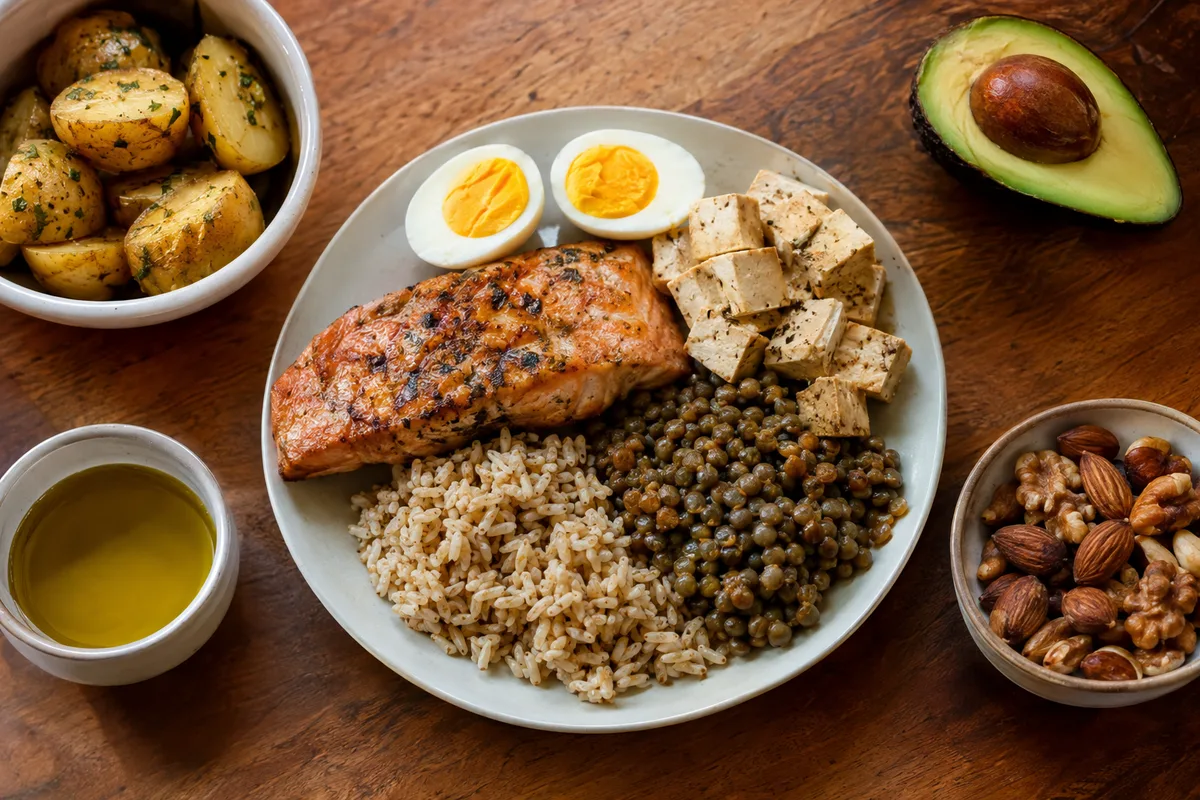
Each macro has several jobs rather than a single purpose. Protein provides materials used to maintain and repair body tissues, carbohydrate is a readily available source of energy, and fat supplies energy and helps with processes such as absorbing certain vitamins. Fibre is a type of carbohydrate, although food labels and tracking tools may display it separately.
- Protein sources include eggs, fish, poultry, yoghurt, tofu, beans and lentils.
- Carbohydrate sources include bread, rice, pasta, potatoes, fruit, oats and other grains.
- Fat sources include oils, nuts, seeds, avocado, cheese and oily fish.
- Mixed foods such as milk, hummus and whole eggs provide more than one macro.
How macros relate to calories
Macros provide most of the energy recorded in your food diary. Protein and carbohydrate each provide about 4 kcal per gram, while fat provides about 9 kcal per gram. This is why two portions of similar size can have quite different calorie totals.

You can estimate the energy from a food by multiplying the grams of each macro by its energy factor and adding the results. Your answer may not exactly match the label because of rounding, fibre and differences in how data are recorded. For everyday tracking, the label or a reliable database entry is usually more practical than recalculating every food.
- Protein: about 4 kcal per gram.
- Carbohydrate: about 4 kcal per gram.
- Fat: about 9 kcal per gram.
Choosing macro targets that fit your goal
There is no single macro split that suits everyone. Your preferred foods, appetite, body size, activity, training and overall aim all affect what feels workable. A useful target should support your calorie goal while leaving room for meals you enjoy.

Start with the amount you currently eat rather than choosing an extreme split. Look at several typical days and notice which macro changes most, which meals keep you satisfied and where your routine becomes difficult. This gives you a practical baseline for making small changes.
Treat targets as guides rather than marks you must hit exactly. Being slightly above or below one macro on a particular day does not make the whole day unsuccessful. Consistency across your usual routine is more informative than a single perfect entry.
- Decide whether your main aim involves body weight, training performance, meal structure or general consistency.
- Check that your protein target can be spread across foods and meals you like.
- Leave enough carbohydrate for your preferred meals and activity.
- Include fat sources while remembering that small portions can contribute substantial energy.
- Choose targets that fit your total calorie allowance rather than setting each number separately.
Tracking macros more accurately
Macro tracking is only as useful as the entries behind it. Check whether an entry refers to food weighed raw or cooked, and whether drained weight, skin, bones, sauces or added oil are included. These details can change the recorded values even when the meal looks the same.
Pack labels are a useful first reference for foods you eat often. For meals made from several ingredients, recording the recipe and dividing it by the portions served is usually clearer than searching for a generic version. When eating food prepared by someone else, use a sensible estimate and accept that it cannot be exact.
- Use the same raw or cooked basis shown in the database entry.
- Record cooking oils, dressings, spreads and drinks when they are part of the meal.
- Create saved recipes for dishes you make regularly.
- Compare unusual database entries with the food label or another reliable entry.
- Keep your approach consistent instead of switching between very precise and very loose tracking.
Building meals around macros
A simple meal can start with a clear protein source, followed by a carbohydrate food, vegetables or fruit, and a source of fat. Some ingredients cover more than one part, so this is a flexible template rather than a rule. The portions depend on your targets, hunger and the rest of your day.
You do not need to eat each macro in identical amounts at every meal. It may be easier to spread protein across the day, place more carbohydrate around active periods, or use a little more fat in meals that otherwise feel unsatisfying. Your food diary can show which pattern works most comfortably for you.
- Chicken, rice, mixed vegetables and an oil-based dressing.
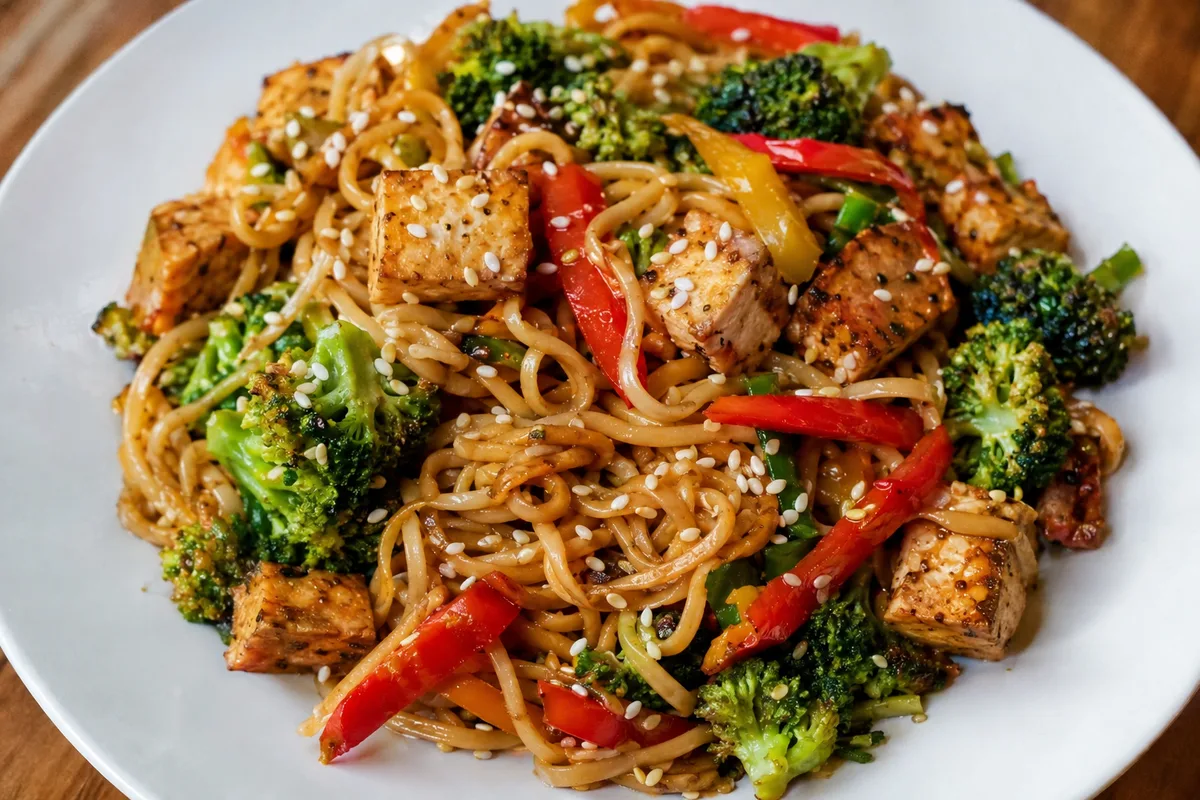
- Tofu, noodles, stir-fried vegetables and sesame seeds.
- Yoghurt, oats, berries and nuts.
- Eggs, wholemeal toast, avocado and tomatoes.
- Lentils, potatoes, roasted vegetables and a spoonful of yoghurt.
Reviewing and adjusting your approach
Give a new macro pattern enough time to become part of your normal routine before judging it. Review your diary alongside practical signs such as hunger, enjoyment, energy during activity and how easy meals are to plan. The right interval depends on your routine and goal.
Change one part at a time when the plan is not working well. You might shift some calories from fat to carbohydrate, raise protein while reducing another macro, or change how the same total is spread across meals. Keeping total calories in view helps you understand what the adjustment actually changes.
Macros add detail to calorie tracking, but they do not describe the whole quality of a diet. Variety, fibre, fruit, vegetables and foods that supply a broad range of nutrients still matter. A useful plan combines suitable totals with meals you can realistically repeat.
- Look for patterns across several ordinary days rather than reacting to one unusual meal.
- Adjust portions or food choices before rewriting every target.
- Check whether the targets suit weekends, workdays and social meals.
- Keep changes small enough that you can tell what made a difference.
- Revisit your targets when your activity, routine or aim changes.