
A Complete Beginner’s Guide to Strength Training
Strength training means asking your muscles to work against resistance, then gradually increasing the challenge. This guide explains the main movements, how to plan your first sessions and what to record alongside your food.
What strength training actually means
Strength training is any activity in which your muscles work against resistance. That resistance might come from your body weight, a resistance band, a machine or a free weight. The aim is to perform controlled movements that feel challenging while keeping a stable position.

You do not need to train like a competitive lifter to benefit from this type of exercise. A beginner can start with a small group of movements that cover the main areas of the body. Learning those movements well matters more than using heavy resistance straight away.
Most strength exercises fit into a few broad movement patterns. Recognising them makes it easier to build a balanced session rather than choosing exercises at random. Different exercises can train the same pattern, so you can select versions that suit your space, confidence and current ability.
- Squat: bending at the hips and knees, as when sitting down
- Hinge: pushing the hips back while keeping the torso controlled
- Push: moving resistance away from you
- Pull: bringing resistance towards you
- Carry or brace: keeping the body steady while holding a position or moving
Start with movements you can control
Choose an exercise version that lets you move steadily through a comfortable range. The final repetitions of a set should feel harder, but they should not make you rush or lose control. If your position changes sharply, reduce the resistance, shorten the range or use an easier variation.
Move at a pace that allows you to notice what your body is doing. Keep breathing rather than holding your breath throughout the whole set, and pause if you need to reset your position. A mirror, a short video or guidance from a qualified coach can help you check the movement.
Some muscular effort during a set is expected, and your muscles may feel tired afterwards. Sharp, sudden or worsening discomfort is a reason to stop that movement. Do not try to force your way through a range that does not feel right.
- Use a chair-supported squat before moving to a free-standing squat
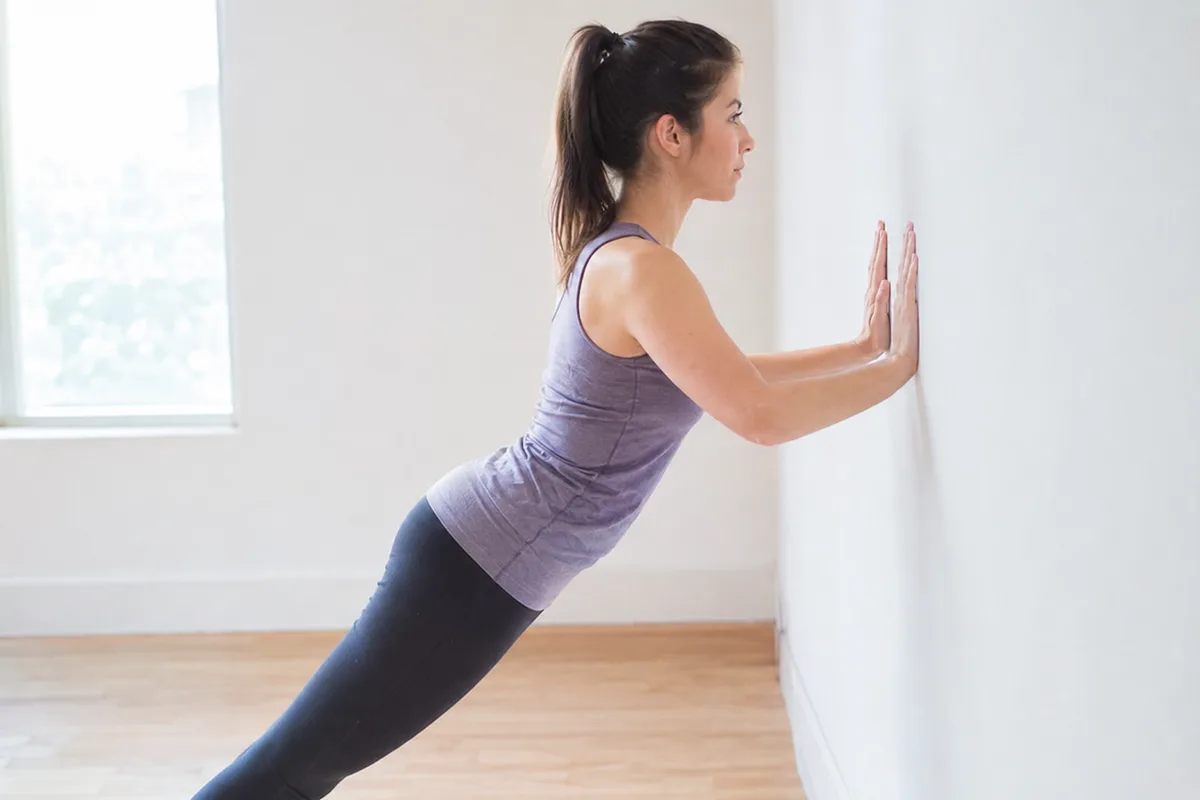
- Try a wall press-up before lowering your hands to a bench or the floor
- Practise a hip hinge without added resistance
- Use a supported row before trying a less stable variation
Build a simple full-body session
A beginner session can be short and still include the main movement patterns. Pick one squat, one hinge, one push and one pull, then add a simple bracing movement if time and energy allow. Using the same basic exercises for several sessions gives you a chance to practise rather than constantly starting again.
A set is a group of repetitions performed before you rest. Begin with a manageable number of sets and stop each one while you can still complete another controlled repetition. The right number of repetitions depends on the exercise, the resistance and your current ability, so there is no single target that suits everyone.
Rest long enough between sets for your breathing to settle and your technique to feel dependable again. More demanding exercises may require more rest than smaller or easier movements. A session does not need to leave you exhausted to count as useful training.
- Chair squat or body-weight squat
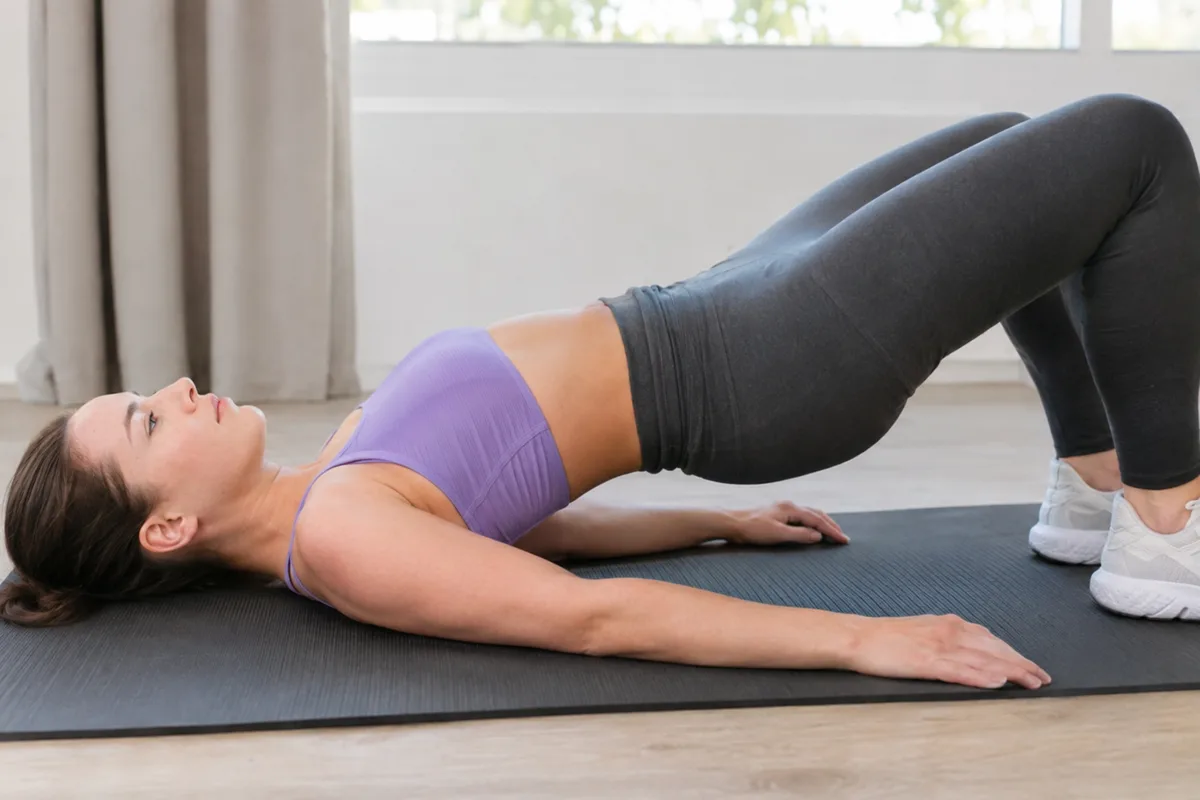
- Glute bridge or supported hip hinge
- Wall press-up or raised press-up
- Resistance-band row or supported free-weight row
- Short plank variation or controlled carry
Plan your week and progress gradually
Place strength sessions where they realistically fit into your week. Leave enough recovery time before training the same muscles hard again, especially while the movements are new. A repeatable programme is more useful than an ambitious plan that you regularly have to skip.
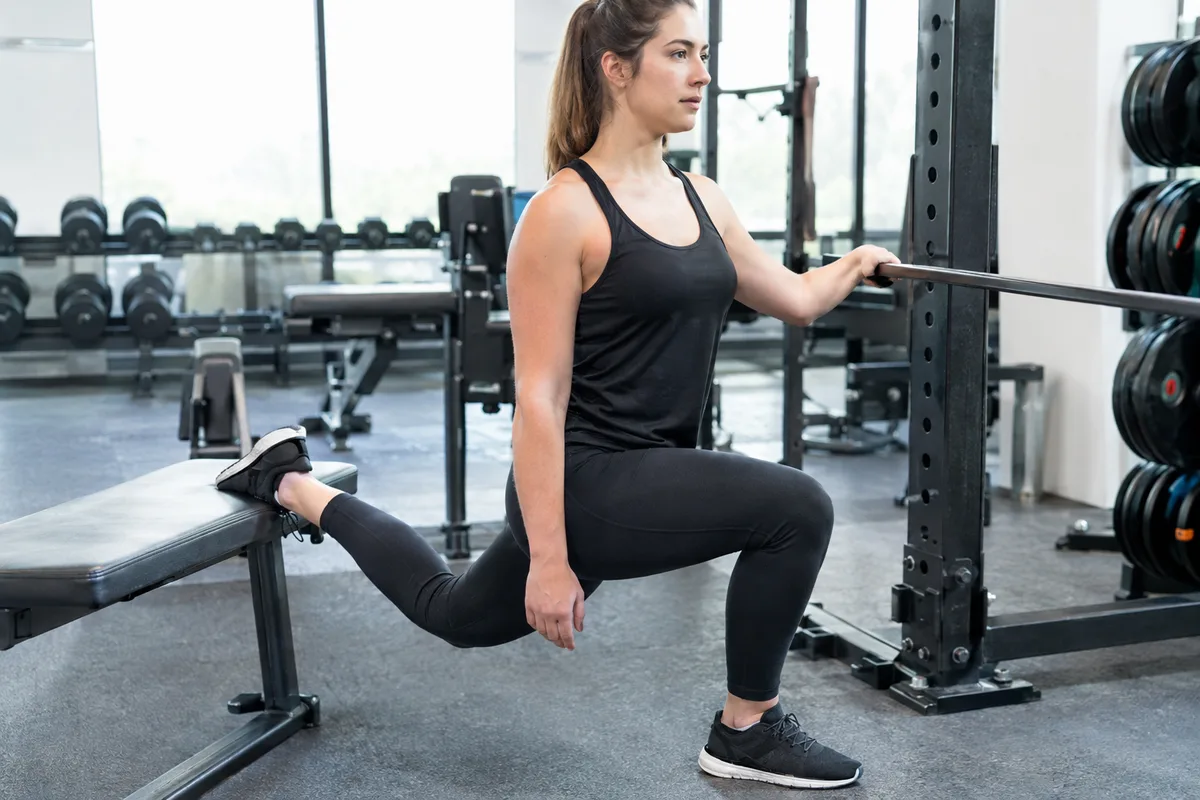
Progress means making an exercise slightly more demanding over time. Adding weight is one option, but it is not the only one. You can also improve control, complete more repetitions with the same resistance, use a fuller comfortable range or move to a harder variation.
Change one part at a time so you can see how your body responds. Large jumps can make technique harder to maintain and may create more tiredness than expected. If a session feels unusually difficult, repeat an earlier level or do less rather than forcing progression.
- Add a controlled repetition to a set
- Add a set when the existing work feels manageable
- Use slightly more resistance
- Choose a more challenging variation
- Improve the range or steadiness of the movement
Record more than the workout itself
A simple training log can sit alongside the food record you already keep. Note the exercise, resistance or variation, sets, repetitions and a brief comment on how the session felt. These details help you decide whether to repeat the session or make a small change next time.
Also look for patterns in sleep, appetite, energy and recovery. One difficult session does not necessarily mean the programme is wrong, just as one easy session does not automatically mean it is time for a large increase. Review several entries before changing everything.
Progress is not limited to the amount of resistance used. Better balance, smoother repetitions, a more comfortable range and greater confidence are useful signs too. Keeping the record brief makes it easier to maintain.
- Exercise name and variation
- Sets and repetitions completed
- Resistance used, if any
- How controlled the movement felt
- General energy and recovery notes
Support training with food and recovery
Strength training uses energy, while recovery gives your body time to adapt to the work. Regular meals that include carbohydrate, protein and dietary fat can support an active routine. The appropriate amount of food depends on the person, their overall activity and their goals.
Protein provides building blocks used in the maintenance and repair of body tissues, while carbohydrate is a useful source of energy for training. Fat also supplies energy and helps make meals satisfying. For food tracking, protein and carbohydrate provide about 4 kcal per gram, while fat provides about 9 kcal per gram.
You do not need to make every meal perfect or overhaul your food log when you start lifting. Pay attention to whether your usual eating pattern supports steady energy, comfortable training and recovery. Sleep, rest days and manageable training demands belong in the plan as much as exercises do.
- Include a source of protein in regular meals
- Use carbohydrate foods to support everyday activity and training
- Include dietary fats as part of balanced meals
- Drink according to thirst and the demands of your activity
- Allow time for sleep and recovery between sessions