
Fresh Ideas for Using Almond Milk Every Day
Almond milk can do far more than lighten a cup of coffee or cover a bowl of cereal. This guide explains how to use it across the day and how to record it accurately when tracking your food.
Start with the right almond milk
Almond milk is made by blending almonds with water and straining the mixture, although packaged versions may contain other ingredients. Its flavour, thickness and energy content vary between products. Check the label rather than assuming every carton is the same.
Unsweetened almond milk is usually the easiest type to use in savoury food because it does not add noticeable sweetness. Sweetened or flavoured versions can suit puddings, breakfast bowls and some drinks. Fortified varieties may also provide added nutrients, so the label can help you compare options.
When tracking, record the amount that actually goes into your meal or drink. If some is left in a bowl, jug or saucepan, adjust your entry when practical. Save the exact product in your food log if you use it regularly, as a generic entry may not match the carton.
- Choose unsweetened almond milk for sauces, soups and savoury batters
- Try a flavoured version in porridge or simple puddings
- Shake the carton before pouring if the label advises it
- Use the nutrition information from your own carton when logging
Make breakfast more interesting
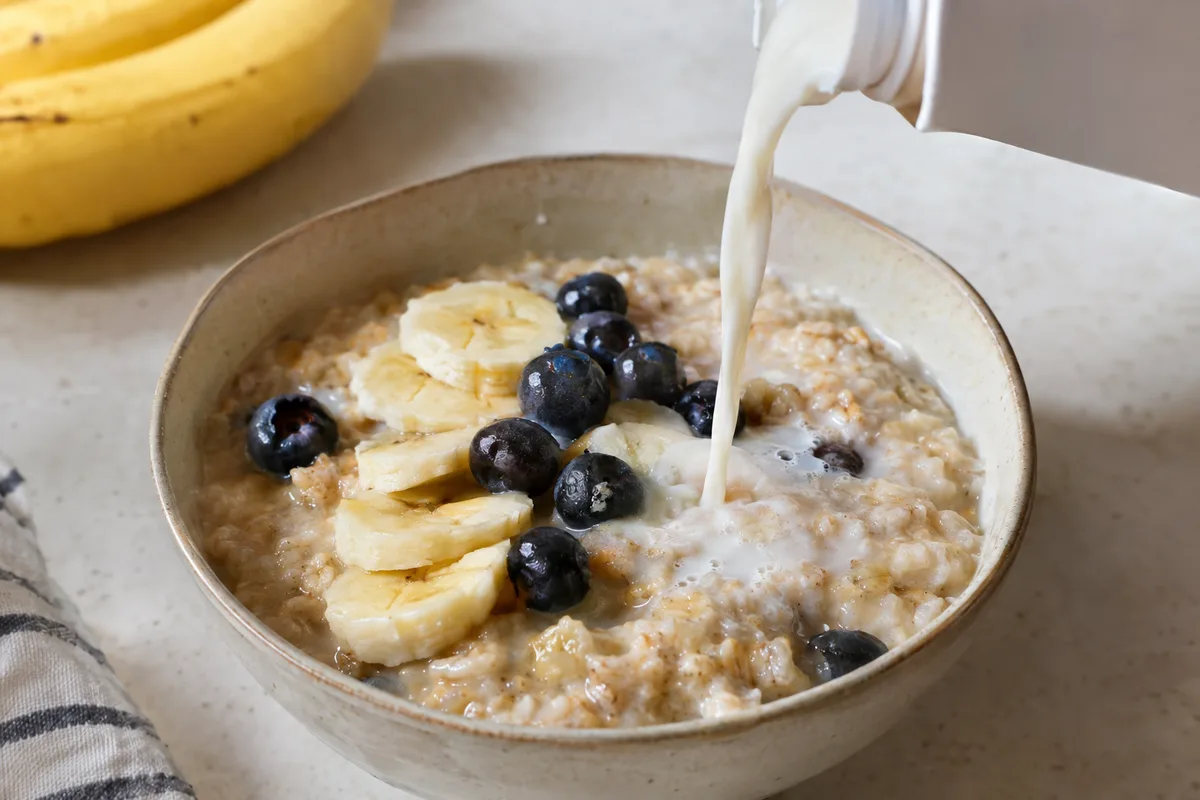
Almond milk works well wherever breakfast needs added liquid. Stir it into porridge, soaked oats or chia seeds, allowing time for dry ingredients to absorb it. If the result is too thick, add another small splash and log the extra amount.

For a smoother breakfast, blend almond milk with fruit and oats. Frozen fruit makes the mixture thicker, while fresh fruit gives a lighter texture. Nut butter, seeds or yoghurt can add body, but each addition should be entered separately in your food log.
You can also use almond milk in pancake or waffle batter. Replace the usual milk gradually and judge the consistency before adding more. An unsweetened variety gives you more control over the final flavour.
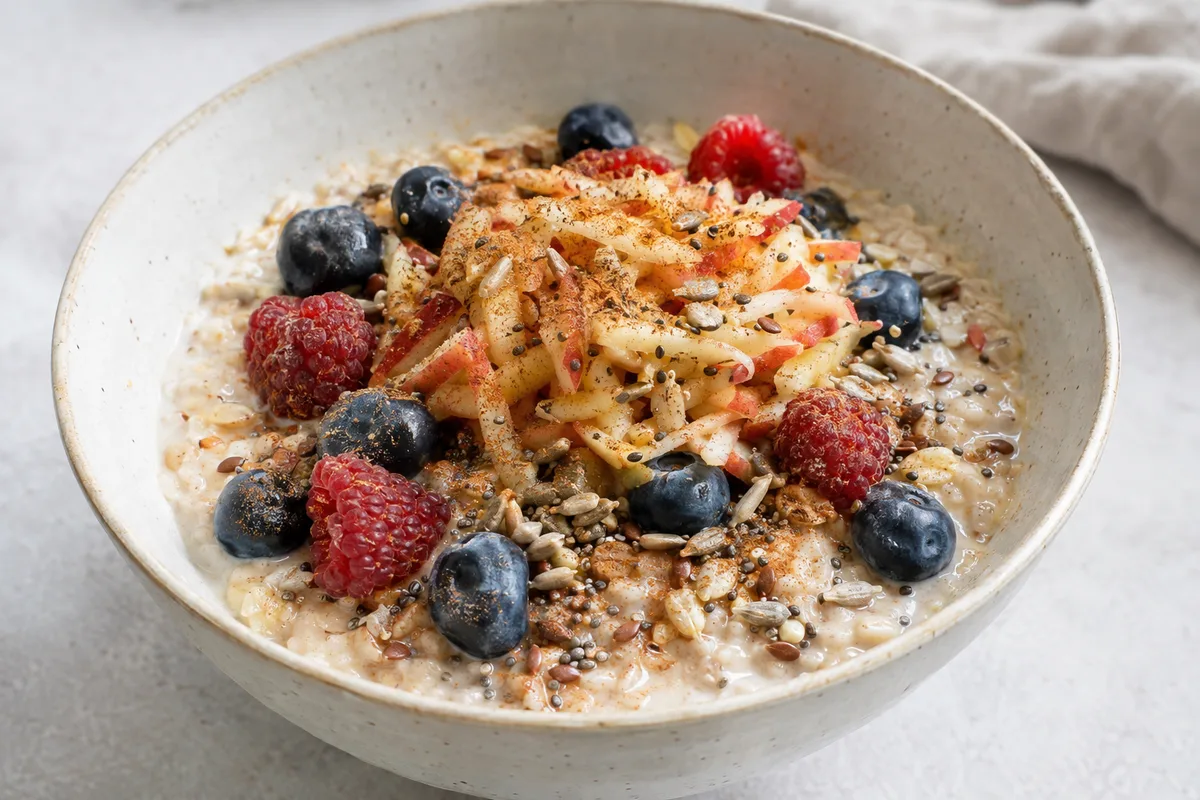
- Porridge with grated apple and cinnamon
- Soaked oats with berries and seeds
- Chia pudding with mashed banana
- Pancakes topped with warm fruit
- A fruit and oat breakfast blend
Use it beyond tea and coffee
Almond milk can be the base of both hot and cold drinks. Warm it gently with cocoa and spices, or pour it over ice with coffee. Avoid boiling it hard, as high heat can affect the texture of some varieties.

For a refreshing option, blend it with fruit, cucumber or leafy greens. Start with less liquid if you prefer a thick drink, then loosen it gradually. Remember that fruit, syrups and other additions need their own food-log entries.
Flavour can come from ingredients that add little volume, such as cinnamon, vanilla or grated citrus zest. These can make an unsweetened drink feel more varied without relying on a heavily sweetened almond milk. Record anything that contributes meaningful energy according to the amount used.
- Warm almond milk with cocoa and cinnamon
- Iced coffee with almond milk
- A berry and almond milk blend
- Almond milk with banana and vanilla
- A chilled cucumber and mint blend
Bring it into savoury cooking
Unsweetened almond milk can loosen soups, soften mashed vegetables and form the base of a simple sauce. Its mild nuttiness works particularly well with mushrooms, cauliflower, squash and gentle spices. Add it slowly so the finished dish does not become watery.
For a creamy-style pasta sauce, cook flour with a little fat before gradually stirring in almond milk. Keep stirring over moderate heat until the sauce thickens, then season it to suit the rest of the meal. Log the flour, fat and almond milk separately, or create a saved recipe and divide it by the portions served.
It can also replace some of the cooking liquid in savoury grains or lentils. This adds a softer texture and a subtle flavour without turning the dish into a sweet one. Check that the almond milk is unflavoured before using it in this way.
- Blend it into roasted vegetable soup
- Stir it into mashed potato or mashed cauliflower
- Use it in a mushroom or herb pasta sauce
- Add it to a mild vegetable curry
- Mix it into a savoury pancake batter
Bake and make desserts with it
Almond milk can replace dairy milk in many cakes, muffins and tray bakes. Use the recipe's stated volume and look for a batter that resembles the expected consistency. Because brands differ in thickness and sweetness, the flavour and texture may change slightly.
It is also useful in custard-style puddings, rice pudding and bread pudding. A sweetened or vanilla variety may reduce how much extra sweetness you want, but taste before making changes. Your food log should still reflect every ingredient that goes into the finished dish.
For a quick frozen dessert, blend almond milk with ripe fruit and freeze the mixture until firm enough to spoon. Fruit naturally changes both the sweetness and texture, so experiment with combinations you already enjoy. Log the full mixture as a recipe, then record the share you serve.
- Lemon and almond milk muffins
- Baked fruit with almond milk custard
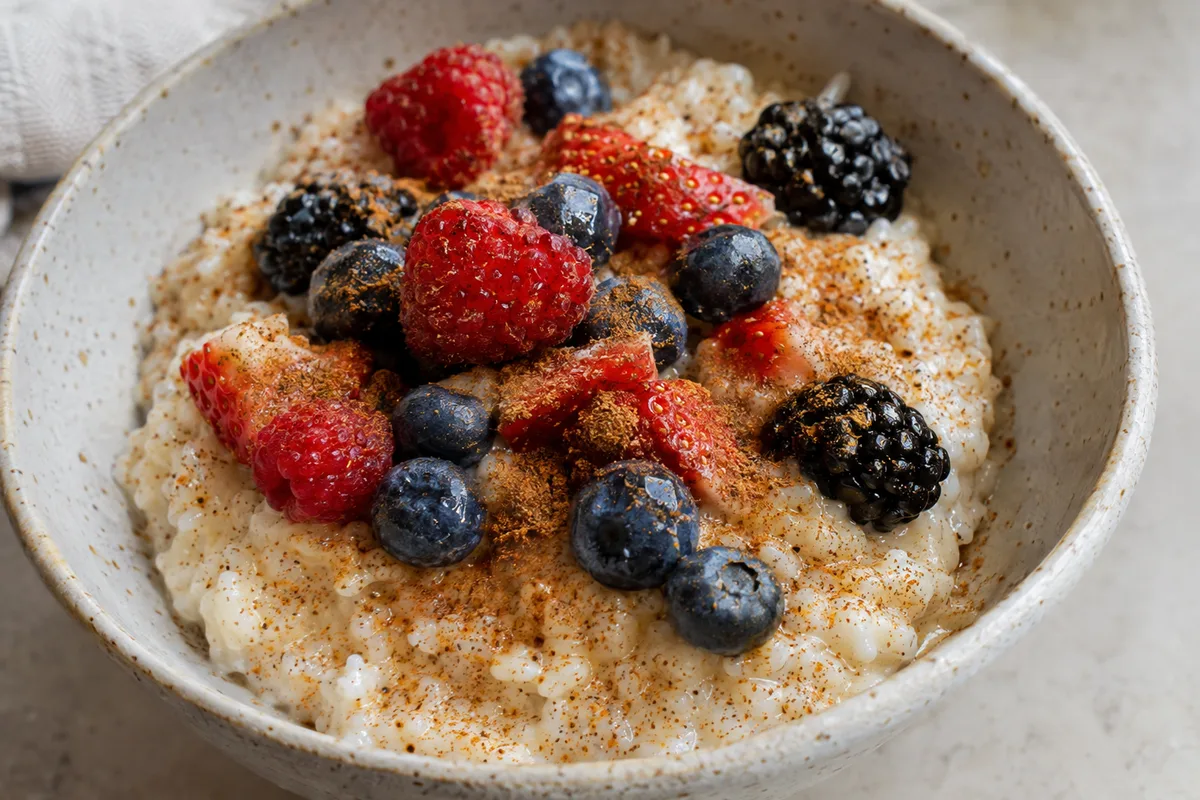
- Rice pudding with cinnamon
- Bread pudding with berries
- Frozen banana and almond milk dessert
Reduce waste and keep tracking simple
Open almond milk should be stored and used according to the carton instructions. Give it a smell and check its appearance before pouring, especially if it has been open for a while. If it seems unusual, do not use it.
Small amounts left in the carton can still be useful. Add them to porridge, soup, batter or a sauce rather than opening another ingredient for the same job. Pouring a splash into an ice cube tray can also save it for a future blended drink, provided the storage guidance allows freezing.
For accurate tracking, avoid logging almond milk as an unnoticed extra. Coffee, sauces and breakfast bowls can each contain separate pours over the course of a day. Measuring sometimes can help you recognise your usual serving, but the correct amount depends on what you actually use.
- Plan the next meal before opening a fresh carton
- Use a small remainder to loosen porridge or soup
- Freeze suitable leftovers for blended drinks
- Save frequently used carton details in your food log