
Erythritol, stevia or xylitol: which sweetener fits your food diary?
Erythritol, stevia and xylitol can all replace sugar, but they behave differently in food and in your body. This guide explains what each one is, how to log it and where it tends to work best.
Three sweeteners, two different types
Erythritol and xylitol are sugar alcohols, also called polyols. Despite the name, they are not the same as the alcohol in drinks. They add bulk as well as sweetness, so they can partly replace the physical role of sugar in some recipes.

Stevia sweeteners come from compounds called steviol glycosides, which are extracted from the stevia plant. They are much sweeter than sugar, so only a small amount is needed. Products sold for spooning or baking often mix them with another ingredient to create more volume.
- Erythritol: a polyol with a cool sensation in the mouth
- Stevia: a high-intensity sweetener used in very small amounts
- Xylitol: a polyol with sweetness closer to ordinary sugar
How their sweetness and flavour differ
Xylitol usually tastes the most like sugar of the three, although the flavour is not identical. Erythritol is less sweet and can create a cooling feeling as it dissolves. That sensation may be welcome in mint flavours but more noticeable in cakes or warm drinks.
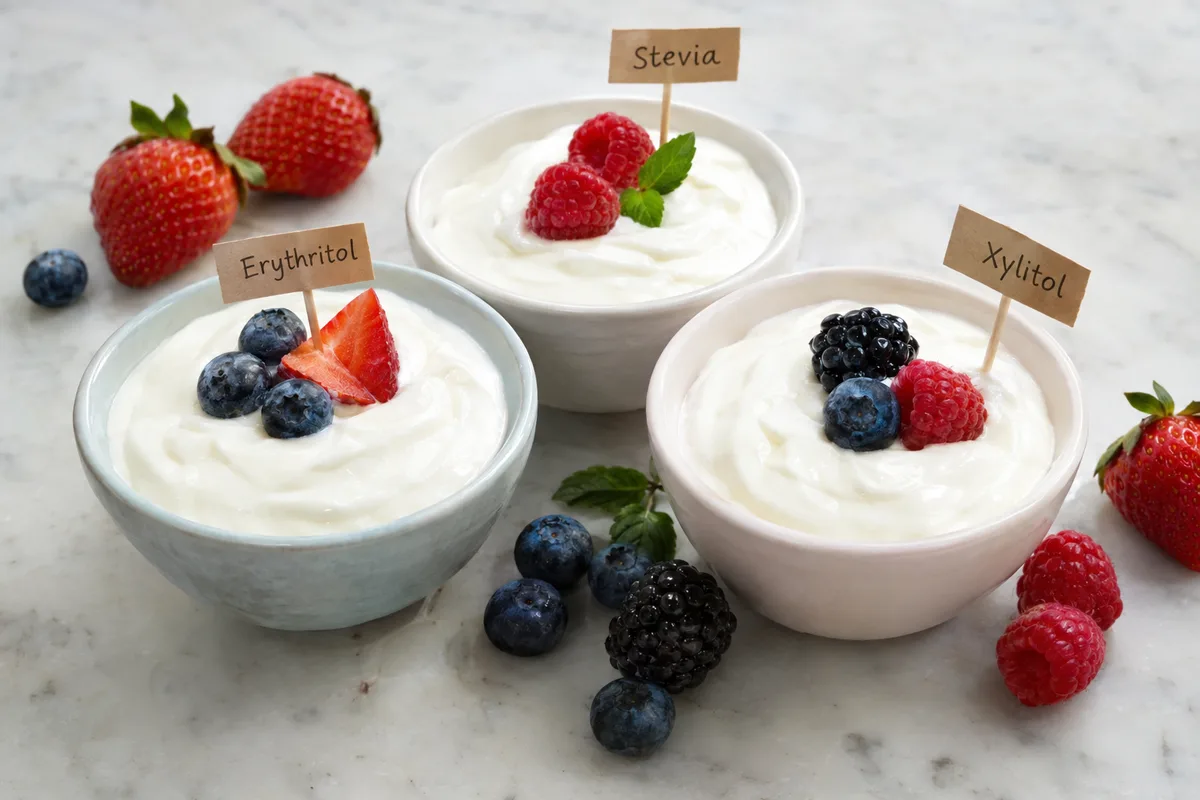
Stevia provides strong sweetness without adding much bulk. Some versions leave a bitter, liquorice-like or lingering aftertaste, particularly when too much is used. Blended products can taste different because the other ingredients affect both sweetness and texture.
- Choose xylitol when a sugar-like taste and bulk matter
- Try erythritol where a light sweetness or cooling note will not distract
- Use stevia when only sweetness is needed
- Check whether a stevia product is pure or blended before comparing servings
What to expect from digestion
Polyols are not handled in exactly the same way as ordinary sugar. Erythritol is largely absorbed before it reaches the lower gut, while xylitol is only partly absorbed. Either can still cause bloating, wind or loose stools for some people, especially when the amount rises quickly.
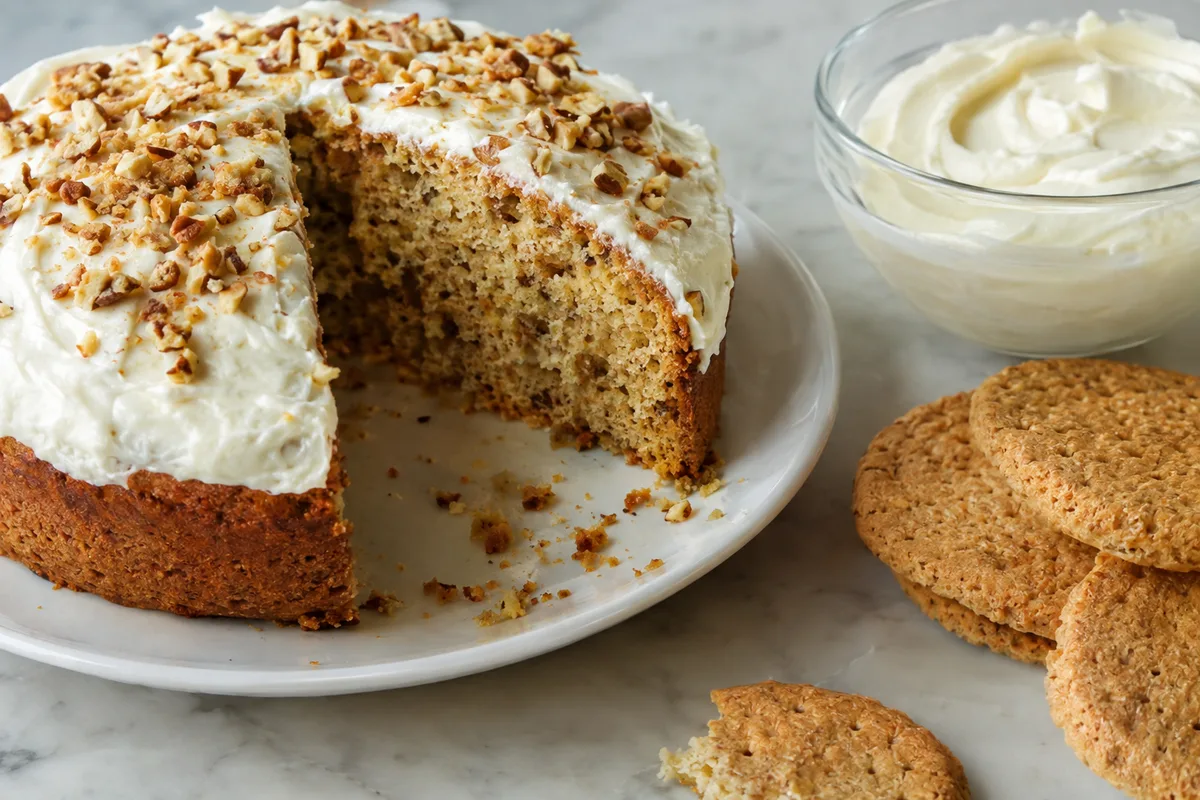
Stevia does not have the same polyol structure, so it behaves differently. However, a stevia product may contain erythritol, another polyol or added fibre as a bulking ingredient. Your response can therefore depend on the whole product rather than the word stevia on the front.
- Start with the serving shown on the packet
- Note both the amount and any digestive response in your diary
- Check blends for polyols or added fibre
- Reduce the portion if a larger amount feels uncomfortable
Logging them accurately
For packaged foods, use the nutrition information for the product you actually ate. Do not assume that every stevia blend, erythritol granule or xylitol product has the same energy value. Ingredients and serving sizes vary between brands and formats.

On UK labels, polyols may appear within the carbohydrate information rather than under sugars. A tracking app may handle them differently, so compare its entry with the packet. If the figures do not match, a custom food entry based on the label is usually clearer.
A tiny amount of a concentrated stevia sweetener can be difficult to estimate by eye. Logging becomes easier when you use the stated serving method consistently. For recipes, record the complete ingredient amount and divide the finished dish by the number of portions you actually serve.
- Match the brand and product format where possible
- Read the per-serving and per-100-gram columns carefully
- Check whether the app lists polyols separately
- Create a label-based entry when the database result is unclear
Cooking and baking are not simple swaps
Sugar does more than make food sweet. It adds volume, holds moisture, supports browning and affects the texture of cakes, biscuits and frozen desserts. Replacing it spoon for spoon can therefore change the result even when the sweetness seems right.
Xylitol can provide bulk and usually dissolves well, while erythritol may recrystallise and leave a firmer or grainier texture. Stevia alone cannot replace sugar's volume because so little is required. A recipe developed for the chosen sweetener is often more reliable than changing a standard recipe without other adjustments.
Heat performance also depends on the exact product and recipe. Some tabletop blends contain ingredients that behave differently from pure erythritol, xylitol or steviol glycosides. Follow the packet's cooking guidance and log every ingredient in the blend.
- Drinks and yoghurt: stevia or a small amount of either polyol can work
- Biscuits: xylitol may give more sugar-like bulk than stevia
- Icing: erythritol can feel cool or slightly grainy
- Cakes: use a recipe designed around the selected sweetener
- Frozen desserts: expect texture changes when sugar is reduced
Choosing between them
The best choice depends on what you are making, which taste you prefer and how your digestion responds. Stevia suits situations where a very small amount can provide enough sweetness. Xylitol or erythritol may fit better when the food also needs some of sugar's bulk.
Your diary can help you compare them without treating one taste test as a final answer. Record the product, amount, food, flavour result and how you felt afterwards. Over time, this gives you a personal guide for drinks, snacks and recipes.
Keep xylitol away from dogs because even a small amount can be dangerous to them. Store it securely and check that dropped food is cleared away. This practical safety point may influence which sweetener is suitable for your household.
- For the closest sugar-like sweetness: consider xylitol
- For lighter sweetness with bulk: consider erythritol
- For concentrated sweetness without bulk: consider stevia
- For sensitive digestion: compare small servings and read blend ingredients