
Stevia and Truvia: what is the difference?
Stevia and Truvia are both used to add sweetness, but they are not necessarily the same thing. Here is how dietitians would compare their ingredients, taste, uses and place in your food log.
Stevia is an ingredient, while Truvia is a branded product
Stevia sweeteners are made using sweet-tasting compounds extracted from the leaves of the stevia plant. These compounds are much sweeter than table sugar, so only a small amount is needed. Products labelled stevia often contain other ingredients to make them easier to pour, spoon or dissolve.
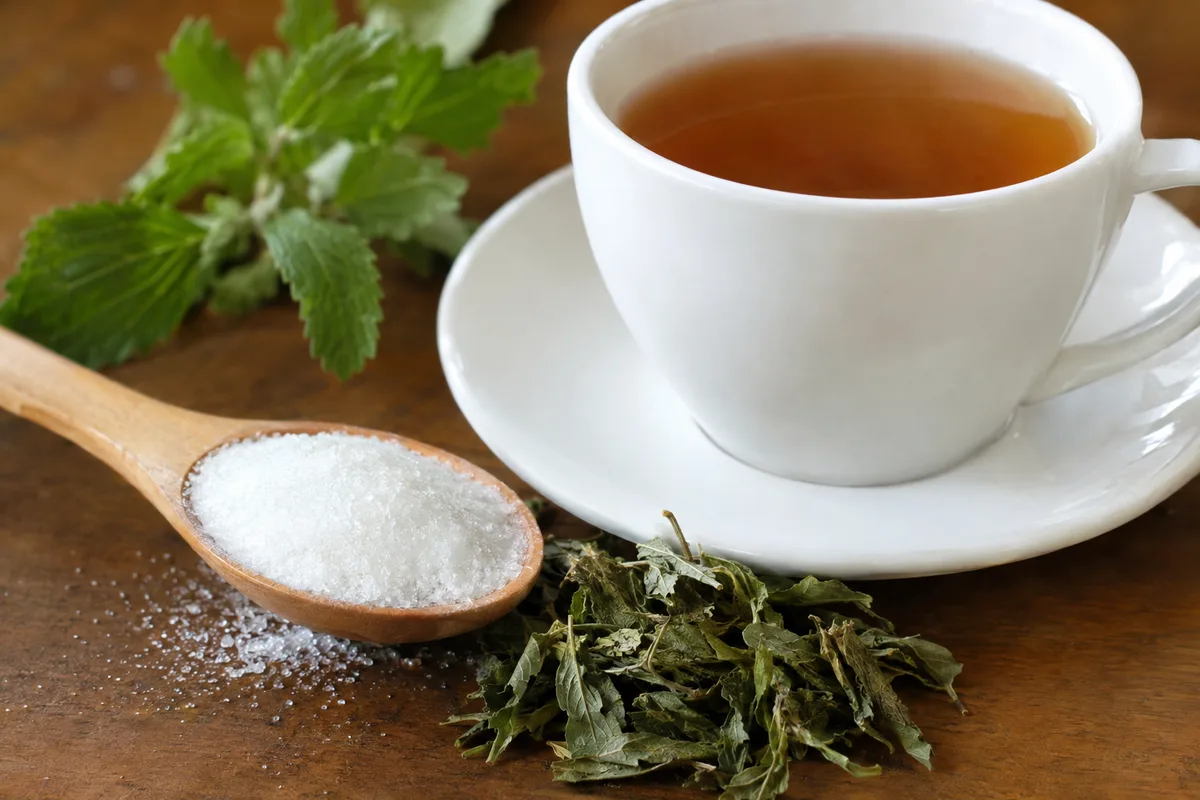
Truvia is a brand name rather than the name of a single sweetening ingredient. Depending on the product and country, it may combine stevia extract with erythritol, sugar or other ingredients. Dietitians therefore compare the exact labels rather than assuming every stevia or Truvia product has the same composition.
The ingredient list is the quickest way to see what you are using. Ingredients appear in order by weight, beginning with the largest amount. The nutrition panel then shows how the complete product fits into your food tracking.
- Look for stevia extract or steviol glycosides in the ingredient list
- Check whether erythritol, sugar or another sweetener appears first
- Compare the serving size with the amount you actually use
- Review the carbohydrate, sugar and energy information on the label
Their taste and texture can differ
Pure stevia extract has intense sweetness and may leave a liquorice-like or slightly bitter aftertaste. Whether you notice this depends on the product, the food and your own taste preferences. Blending stevia with another ingredient can soften the aftertaste and make the sweetness feel more like sugar.

Many spoonable Truvia products get much of their physical volume from an ingredient such as erythritol. This can give them a more sugar-like appearance and make portions easier to measure. Erythritol may also create a mild cooling feeling in the mouth.
Taste is easier to judge in the food you regularly eat than from the sweetener alone. Coffee, yoghurt, porridge and fruit can each bring out different qualities. A dietitian would usually treat preference as practical information, because a sweetener is only useful if it works in your normal meals.
- In hot drinks, notice sweetness and any lingering aftertaste
- In plain yoghurt, check whether the flavour remains balanced
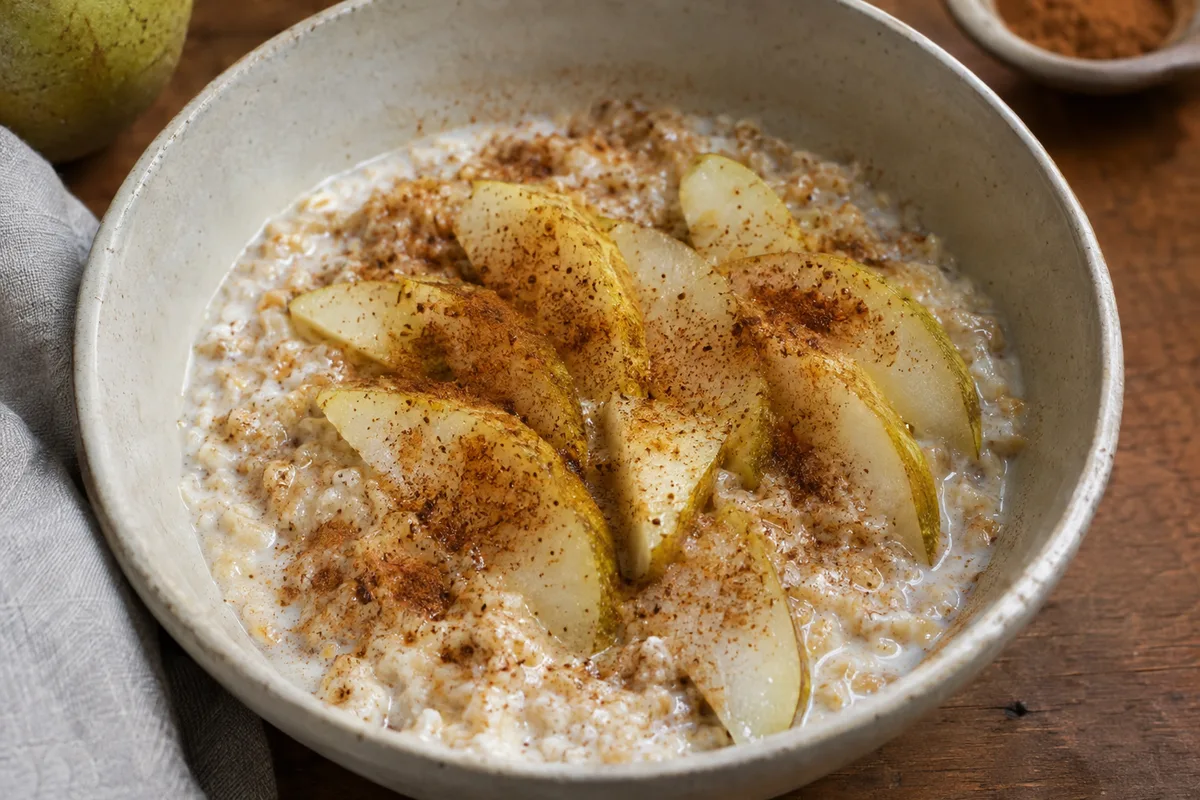
- In porridge, consider both sweetness and texture
- With sharp fruit, see whether the sweetener complements the natural flavour
What each one means for your food log
A concentrated stevia extract contributes very little from the tiny amount normally used, but a tabletop product may contain additional ingredients. A Truvia product may also include ingredients that affect its carbohydrate, sugar or energy information. The exact figures depend on the formulation and the portion.
Use the nutrition panel for the product in front of you rather than choosing a generic database entry. Match the listed serving with the amount you added, especially if you used several spoonfuls in a recipe. If the product contains sugar, include that rather than logging it as pure stevia.
It also helps to track the food or drink as a whole. Replacing sugar changes one ingredient, but milk, flour, toppings and other additions still count in your usual way. This gives you a more useful record than focusing only on the sweetener.
- Choose a database entry that matches the full product name and ingredients
- Adjust the logged serving to reflect the amount used
- For recipes, record the total sweetener and divide it across portions
- Update saved meals if you switch to a different formulation
Comfort and tolerance matter
Stevia extract is used in very small amounts, while blended products can be consumed in larger spoonfuls. If a product contains erythritol or another sugar alcohol, larger amounts may cause wind, bloating or looser stools for some individuals. The amount that feels comfortable varies from person to person.
A dietitian may suggest looking at both portion size and frequency when comparing products. Using a little in one drink is different from adding it to several drinks, snacks and baked foods across the day. Your food log can help you notice whether discomfort repeatedly follows a particular ingredient or amount.
There is no need to assume that one experience applies to everyone. Some individuals notice no digestive effect, while others prefer smaller portions. If discomfort continues or concerns you, discuss your overall eating pattern with a suitably qualified health professional.
- Check whether the product contains erythritol or another sugar alcohol
- Record the amount rather than noting only that sweetener was used
- Look for repeated patterns across several days
- Consider all sources used during the day, not just one serving
They do not always replace sugar in the same way
Sugar does more than sweeten a recipe. It adds bulk, supports browning, holds moisture and affects the texture of cakes, biscuits and sauces. A concentrated stevia extract cannot provide those functions on its own.
A granulated Truvia product may be easier to measure, but that does not mean it behaves exactly like sugar. Different versions can contain different blends, and some are designed for particular cooking uses. The product instructions and the needs of the recipe both matter.
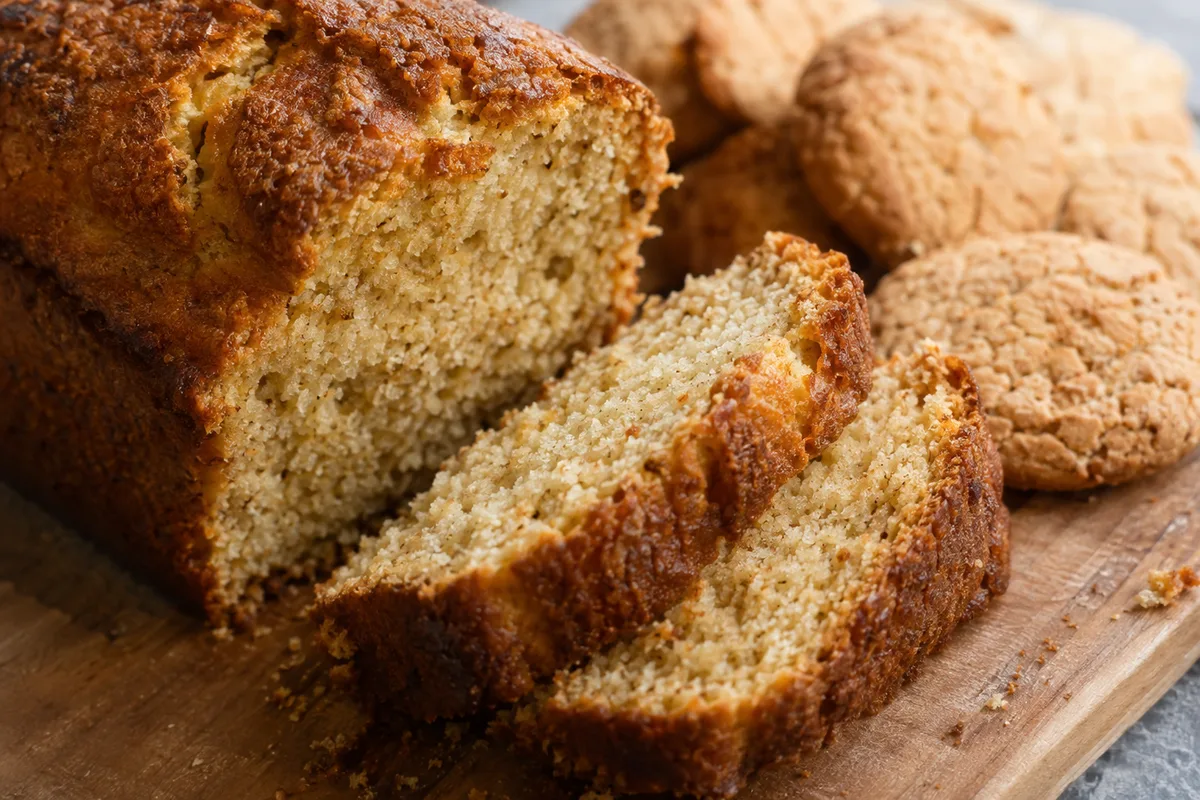
Small changes are often easier to manage in drinks, yoghurt or porridge, where sugar mainly provides sweetness. Baking can require more adjustment because volume and texture are important. When tracking a homemade recipe, enter the ingredients actually used rather than assuming a direct swap.
- Drinks usually need sweetness but not sugar's bulk
- Porridge and yoghurt allow easy adjustment to taste
- Sauces may change in thickness, balance or colour
- Cakes and biscuits rely on sugar for structure and browning
How dietitians would choose between them
Dietitians do not need to label stevia or Truvia as universally better. The useful comparison is whether the ingredients, taste and format suit your eating pattern. Your preferred option may also change between drinks, cooking and baking.
Start with the ingredient list and nutrition panel, then consider how much you normally use. A concentrated stevia product may suit someone who wants a tiny amount, while a blended product may be easier to spoon and distribute. If you are reducing added sugar, either could be one practical tool rather than the whole strategy.
Sweetness preferences can gradually shift, so replacing every spoonful of sugar with equal-tasting sweetness is not the only approach. You might also use less sweetener over time or rely more on fruit, spices and naturally mild flavours. Keep tracking the complete meal so your choice remains connected to your wider eating habits.
- Ingredients and formulation
- Taste and aftertaste
- Usual portion and frequency
- Digestive comfort
- Performance in the intended food or drink