
Sweet Oil Explained: Nutrition, Benefits and How to Track It
Sweet oil is an older name most often used for mild olive oil, although the meaning can vary between labels and recipes. This guide explains its nutrition, possible benefits, kitchen uses and how to record it accurately.
What is sweet oil?
Sweet oil is not oil with added sugar. The name traditionally describes an edible oil with a mild, pleasant taste, most commonly olive oil. Depending on the region or recipe, it can occasionally refer to another mild plant oil, so check the ingredient list when the exact type matters.
Olive oils vary in taste according to how the olives are processed and where they are grown. Some have a peppery or grassy flavour, while refined versions tend to taste more neutral. The word “sweet” usually suggests mildness rather than a particular nutritional quality.
- Check which plant the oil comes from
- Look for added flavourings or other blended oils
- Record the named oil in your food tracker rather than relying on the term “sweet oil”
What sweet oil contributes nutritionally
If sweet oil means olive oil, it consists almost entirely of fat. Most of that fat is monounsaturated, with smaller amounts of polyunsaturated and saturated fat. It contains little or no protein, carbohydrate or fibre.
Fat provides about 9 kcal per gram, so even a small-looking pour can make a noticeable difference to a meal’s energy total. The exact amount depends on how much oil is used. Measuring it before cooking is more reliable than estimating what remains on the plate.
Olive oil can also provide vitamin E and vitamin K, although the amount varies with the oil and serving. It should not be treated as the main source of every nutrient. A varied diet still needs vegetables, fruit, pulses, wholegrains and protein-rich foods.
- Main nutrient: fat
- Predominant fat type: monounsaturated fat
- Energy factor: about 9 kcal per gram
- Naturally contains no meaningful fibre
How it can support a balanced diet
Using olive oil in place of fats that contain a higher proportion of saturated fat can improve the overall balance of fats in a meal. The benefit comes from the swap, not simply from adding more oil. Pouring it over an unchanged meal increases energy intake without necessarily making that meal more balanced.
A little oil can make vegetables, pulses and wholegrains more enjoyable by carrying flavour and improving texture. It also helps the body absorb fat-soluble nutrients found in colourful plant foods. These include nutrients associated with orange, red and dark green vegetables.
Oil may also make a meal feel more satisfying because fat slows the pace at which food leaves the stomach. That effect differs between individuals and depends on the rest of the meal. Combining oil with fibre-rich foods and a protein source usually creates a more rounded plate than using oil alone.
- Use it in place of butter or other harder fats where suitable
- Pair it with vegetables, beans, lentils or wholegrains
- Treat it as one part of the meal rather than a health remedy
- Keep the overall amount aligned with your own energy needs
How to track sweet oil accurately
Oil is easy to miss when tracking because some of it disappears into food or remains in the pan. Start by recording oil used for frying, roasting, dressings and finishing dishes. Include oil added during cooking even when it is not visible at the table.
For a shared recipe, record the total amount added and divide it across the portions served. If a noticeable amount stays in the pan, the amount eaten may be lower, but there is no universal number to subtract. Consistency is often more useful than trying to calculate a perfect absorption figure.
Spoons and free-pouring can produce different amounts each time. Measuring by volume or weighing the container before and after use can give a more dependable entry. Use the nutrition information for the particular oil when it is available.
- Log cooking oil as part of the recipe
- Add dressings and drizzles separately
- Divide shared oil across the number of portions
- Use the same measuring method each time
- Save frequently made recipes in your tracker
Simple ways to use it in meals
Mild olive oil works in dressings, marinades and many cooked dishes. A more strongly flavoured oil can be useful when a small amount needs to bring noticeable taste. The best option depends on the food, cooking method and flavour you prefer.
For a dressing, mix oil with an acidic ingredient such as lemon juice or vinegar, then add herbs or spices. For roasting, coat the food lightly rather than filling the tray with oil. In soups and grain dishes, a measured drizzle can be added at the end so its flavour remains clear.
Oil does not add fibre or protein, so consider what accompanies it. Vegetables, beans, lentils and wholegrains contribute fibre, while foods such as pulses, eggs, fish, yoghurt or tofu can provide protein. Your tracker can help you see whether the finished meal matches your own targets.
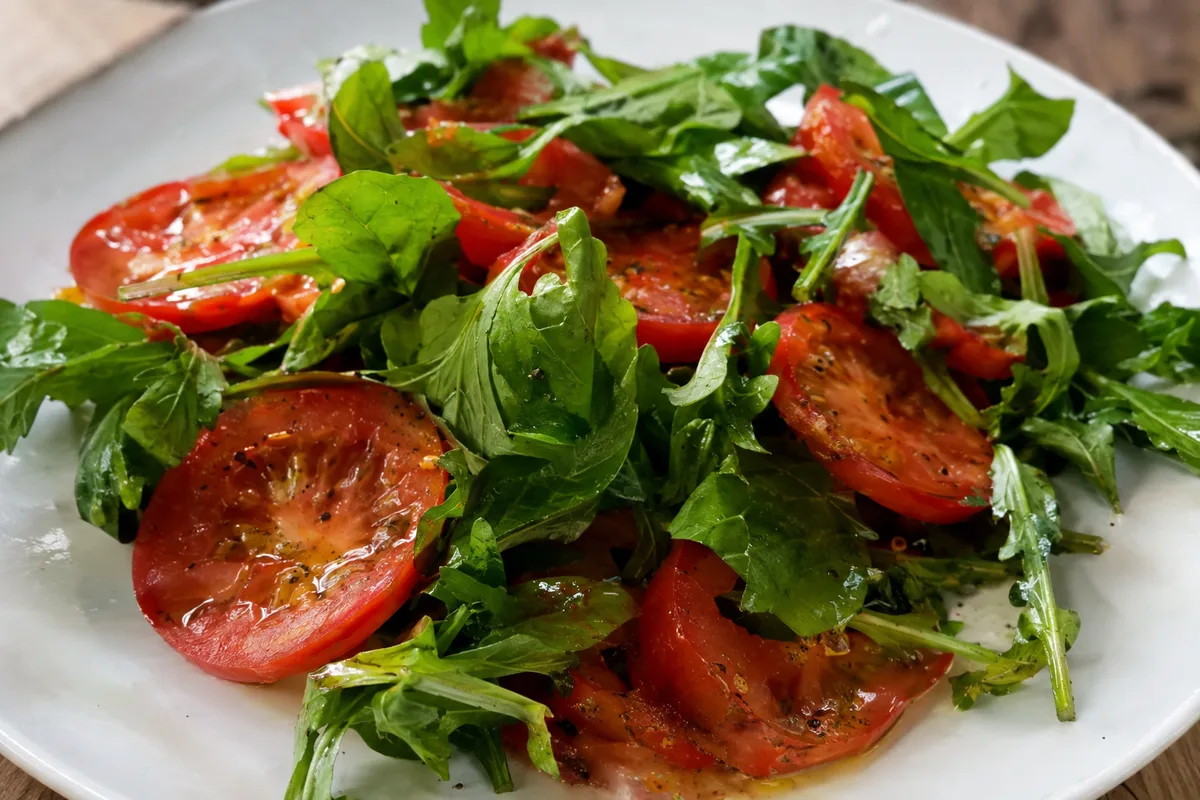
- Lemon and herb dressing for a mixed salad
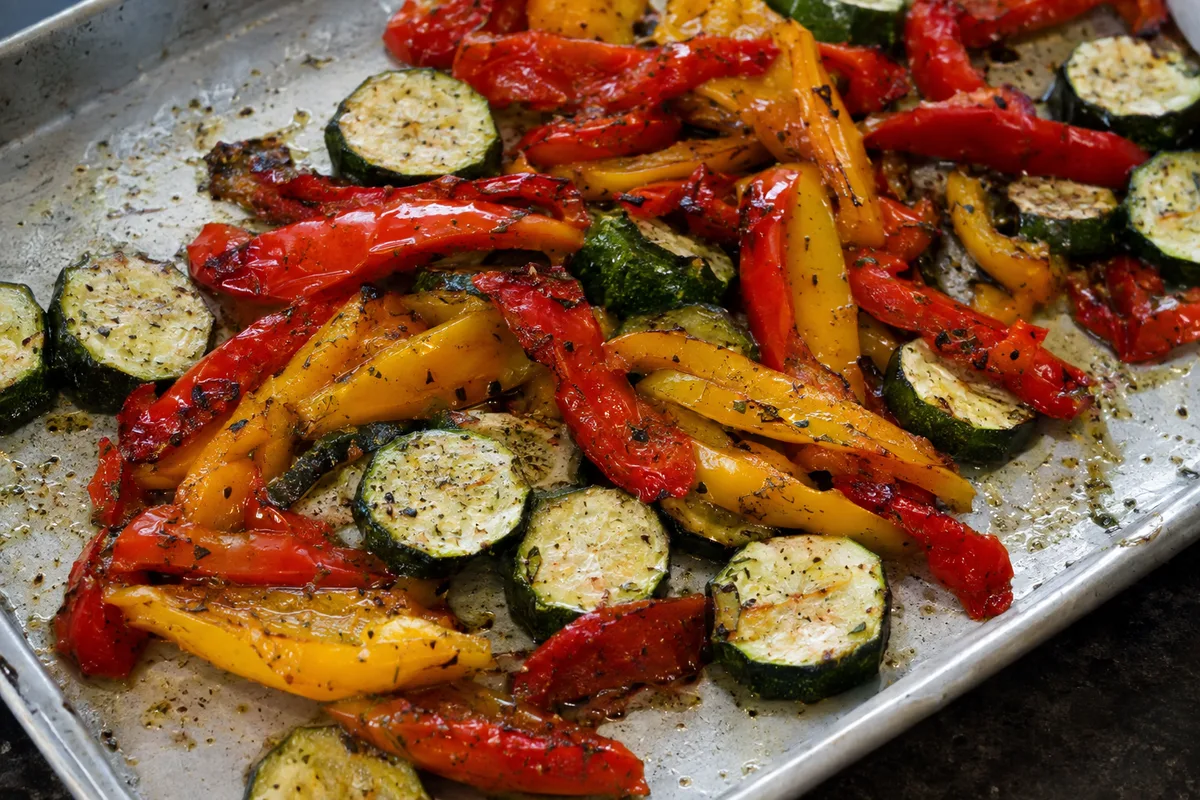
- Light coating for roasted peppers and courgettes
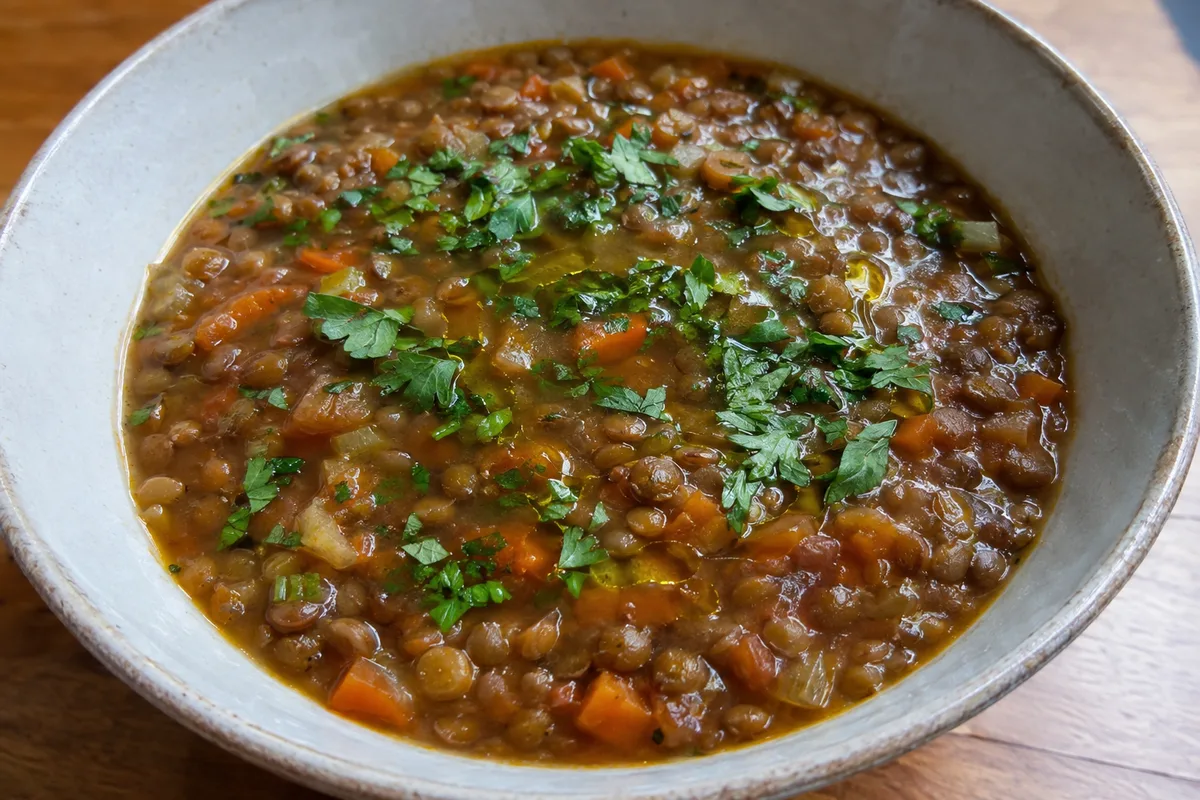
- Measured drizzle over lentil soup
- Oil and vinegar dressing for beans
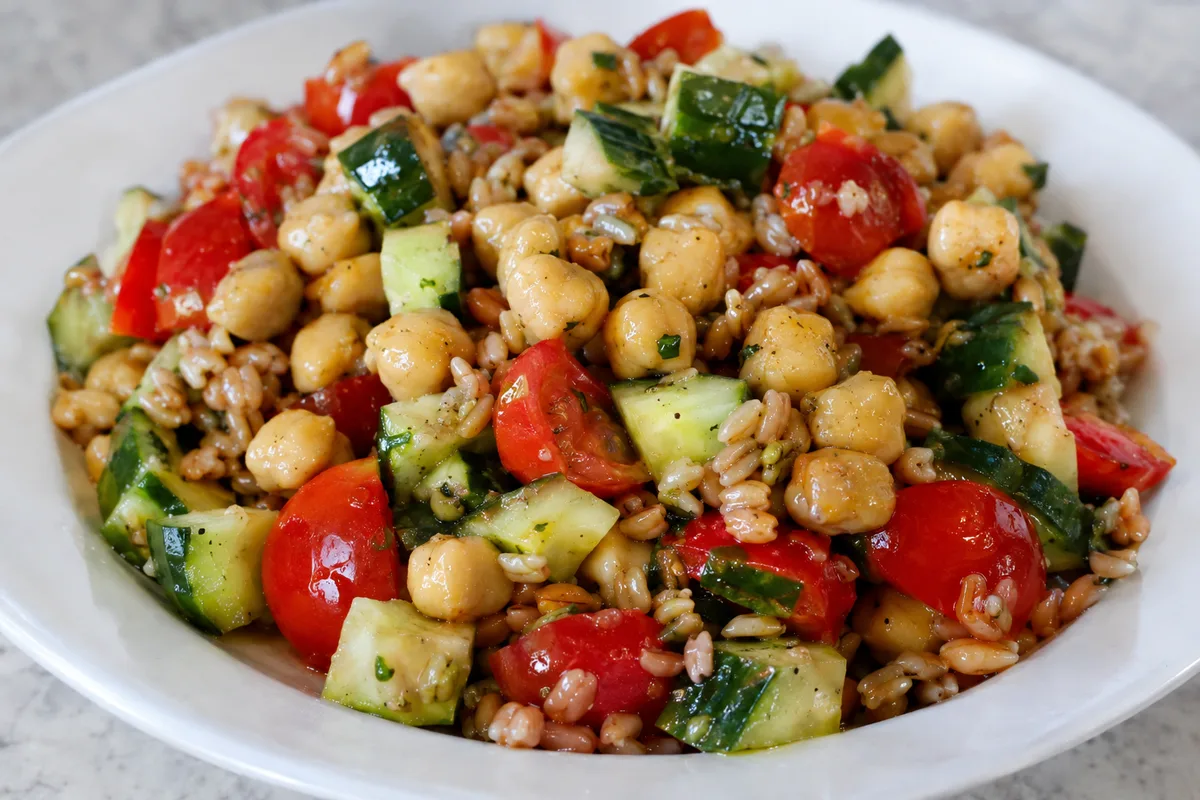
- Small amount stirred through cooked wholegrains
Quality, storage and everyday safety
Light, warmth and air gradually reduce an oil’s freshness. Keep it tightly closed in a cool, dark cupboard away from the hob and direct sunlight. A very large container may lose freshness before it is finished if oil is used only occasionally.
Fresh olive oil may taste fruity, grassy, peppery or mild. An unpleasant stale, waxy or crayon-like smell can suggest that it is past its best. Changes in flavour are a better guide than expecting every olive oil to taste the same.
Oil can become very hot during cooking, so heat it gradually and avoid allowing it to smoke heavily. Water can cause hot oil to spit, making it sensible to dry wet ingredients before they enter the pan. The suitable cooking temperature depends on the type of oil and the method being used.
- Store away from light and heat
- Close the container firmly after use
- Check aroma and flavour if freshness is uncertain
- Keep wet ingredients away from very hot oil