
How to Make the Afternoon Snack Work for You
An afternoon snack can bridge the gap between lunch and dinner, but it helps to know what you want it to do. This guide covers timing, satisfying combinations, portion awareness and accurate tracking.
Decide what the snack is for
A snack can serve different purposes on different days. You might be genuinely hungry, need something before an active journey home, or simply want a pleasant break. Knowing the reason helps you choose food that meets the moment rather than eating whatever is nearest.
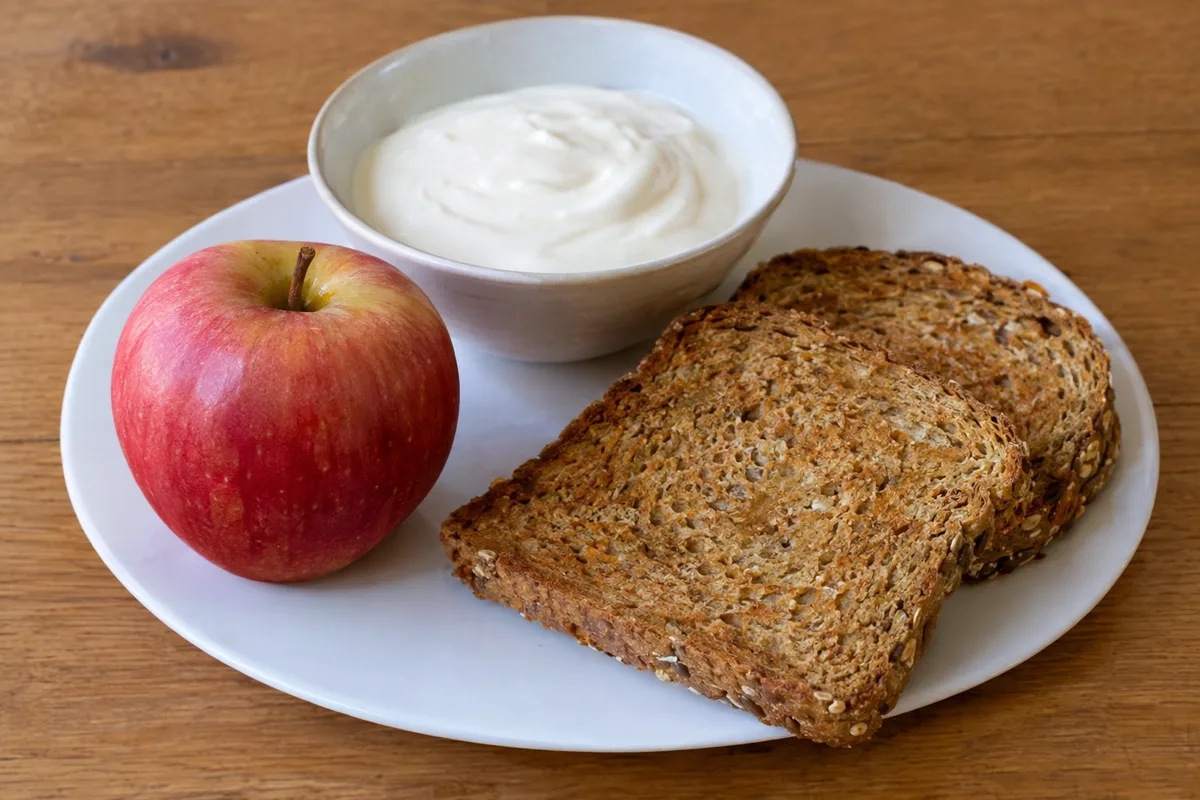
Pause before choosing and notice how you feel. Think about when you last ate, when dinner is likely to be and whether lunch was satisfying. There is no correct snack size or time because both depend on your appetite, routine and plans.
- For steady hunger, choose a snack with protein and fibre
- Before movement, pick something comfortable and easy to digest
- For a long wait until dinner, make the snack more substantial
- For a short break, choose something you can sit down and enjoy
Build a snack that satisfies
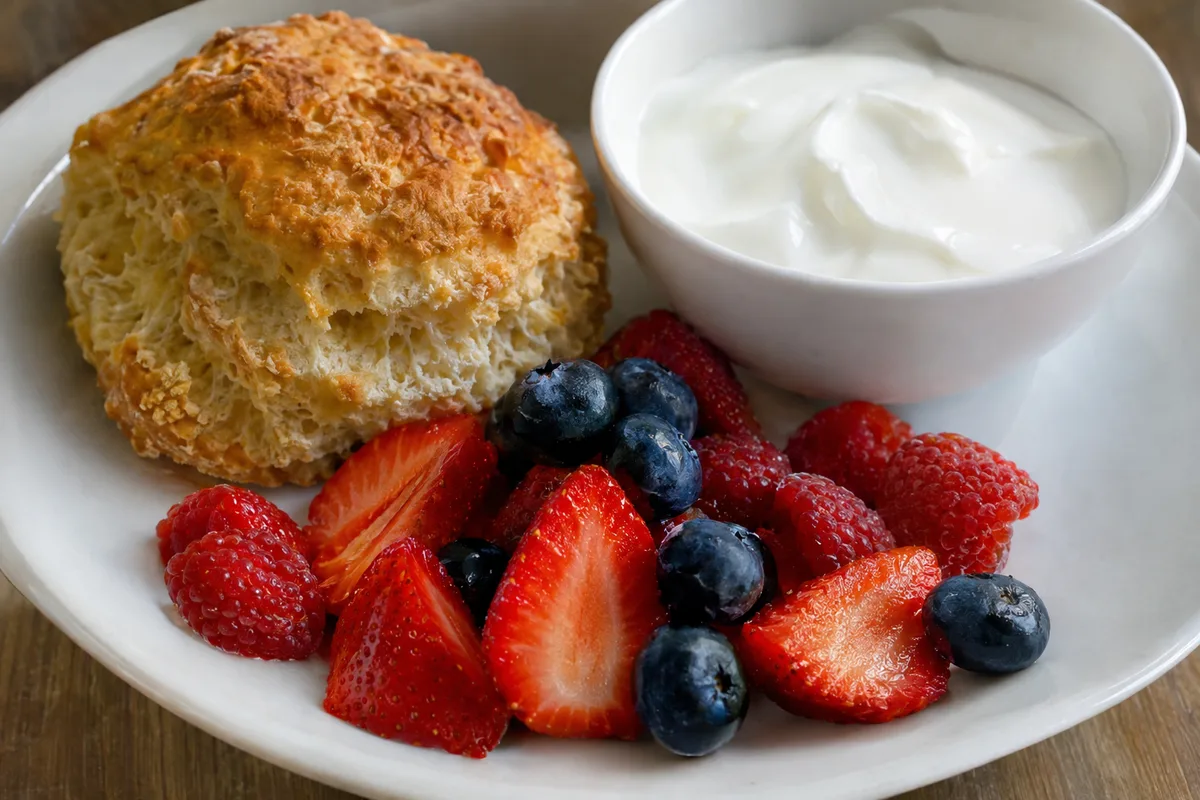
A useful starting point is to combine two types of food rather than relying on one small item. Fruit or wholegrain foods can provide carbohydrate and fibre, while yoghurt, cheese, eggs, nuts, seeds or beans can add protein or fat. The combination often feels more complete than either part on its own.
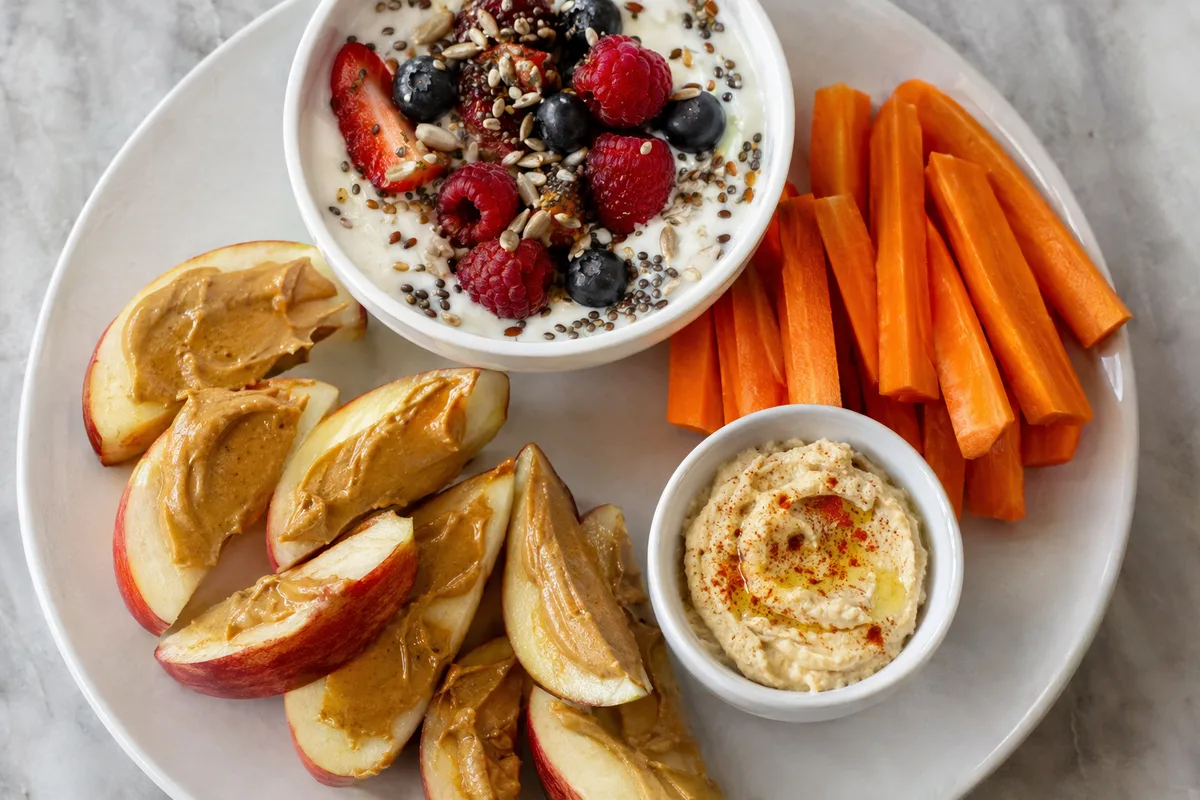
You do not need to follow a fixed formula every afternoon. A lighter snack may suit a day with an early dinner, while a larger one may fit a longer gap or a more active day. Use your food record alongside your appetite to learn which combinations work for you.
- Apple slices with peanut butter
- Plain yoghurt with berries and seeds
- Wholegrain toast with cottage cheese and tomato
- Carrot and cucumber sticks with hummus
- A boiled egg with fruit
Make portions visible
Snacks can be harder to track when they are eaten directly from a large packet or picked at while working. Putting the food on a plate or in a bowl makes the amount easier to see. It also creates a clear beginning and end to the snack.
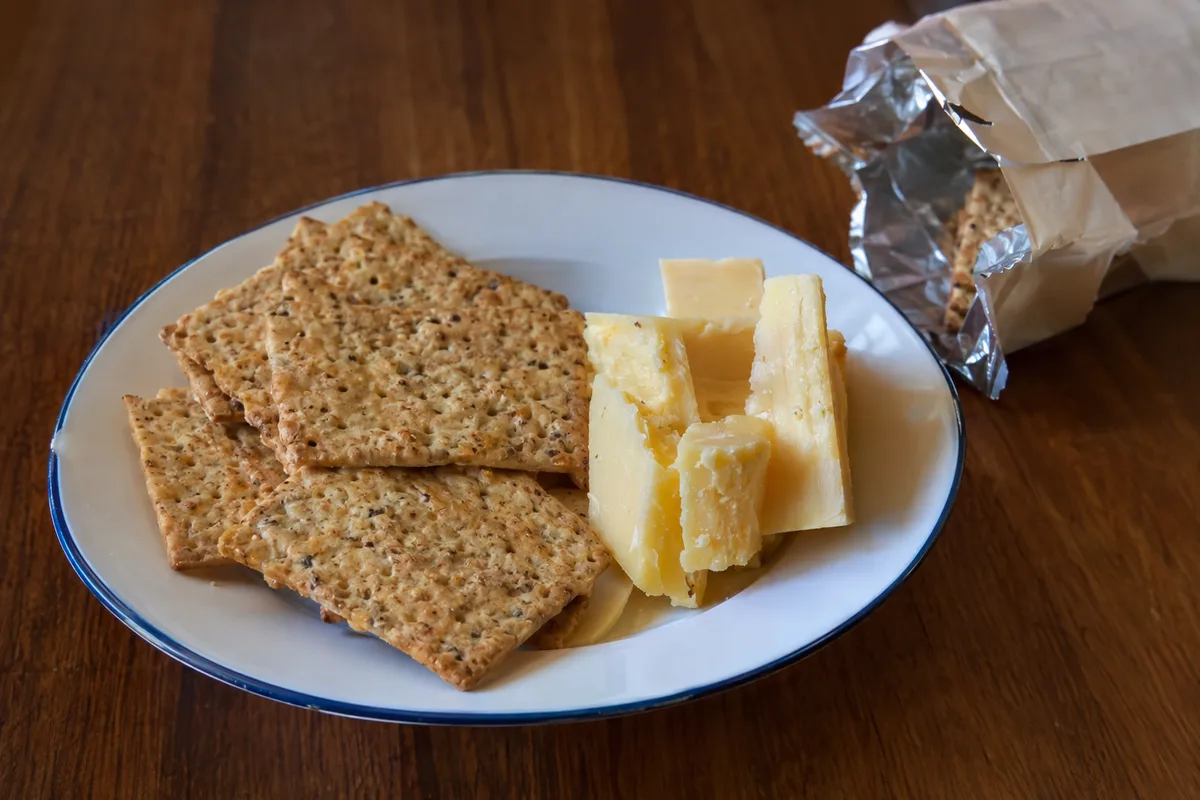
Packaged foods may contain more than one listed serving, so check what the label refers to before logging it. For foods without a label, use the portion method you already apply to meals, such as weighing, household measures or a saved usual serving. Precision is useful, but consistency matters more than chasing a perfect entry.
- Serve crisps or crackers in a bowl rather than eating from the packet
- Measure spreads, dips and dressings when they are easy to underestimate
- Log toppings and extras as well as the main food
- Save a regular snack combination in your tracker for quicker entry
Plan for the difficult part of the afternoon
Afternoon choices are often shaped by convenience. If you wait until you are very hungry, the quickest available option may become the default. A little preparation can give you a choice without turning snack planning into a large task.
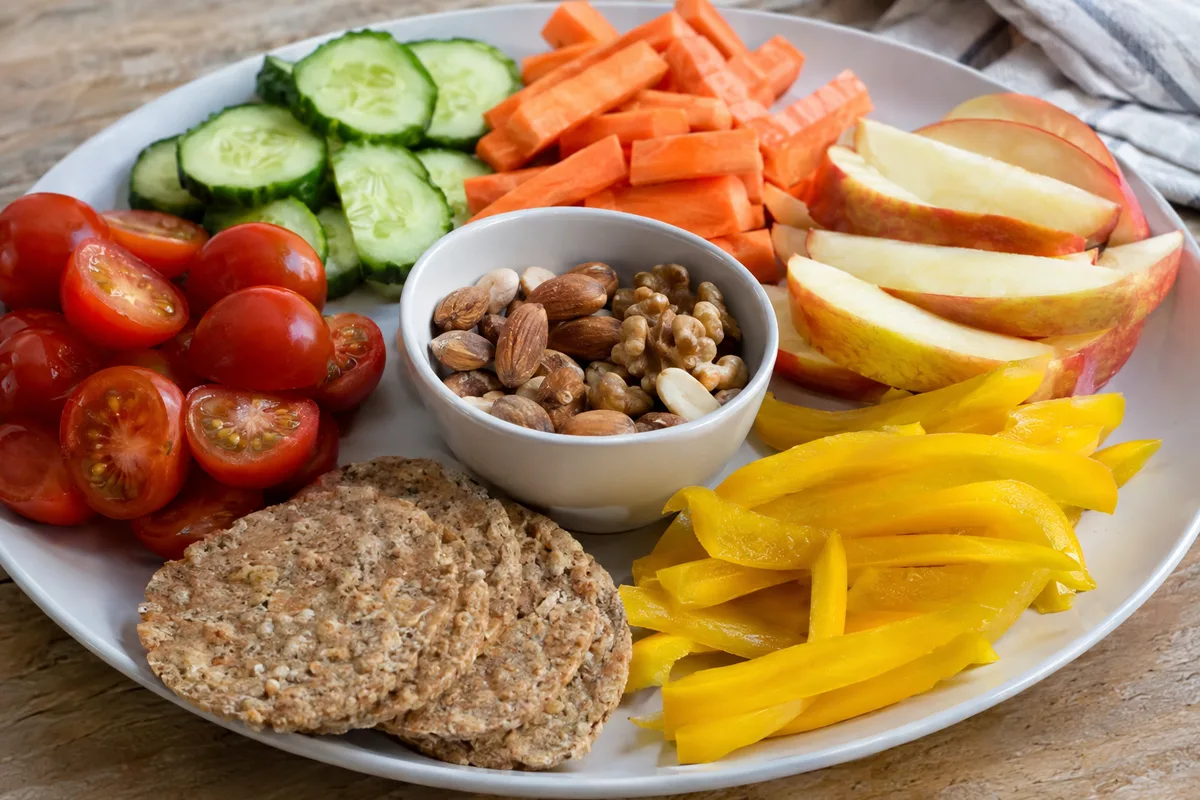
Keep suitable foods where you usually spend the afternoon, or pack something when preparing lunch. Fresh food is only one option, and practical cupboard foods can be helpful when plans change. Choose items you genuinely like, because an unappealing planned snack is unlikely to feel satisfying.
- Keep fruit somewhere visible and easy to reach
- Portion nuts or dried fruit before a busy day
- Store oatcakes or wholegrain crackers in a convenient place
- Prepare chopped vegetables when making another meal
- Carry a simple snack if your afternoon schedule is uncertain
Use your food log to spot patterns
Your tracker can show more than the contents of a snack. Look at the time you eat, what lunch included, how hungry you felt and whether the snack carried you comfortably to dinner. After several ordinary days, patterns may become clearer.
If you are regularly hungry soon after lunch, consider whether lunch needs more substance rather than repeatedly adding extra snacks. If a large afternoon snack dulls your appetite for dinner, try a smaller portion or move it earlier. Treat these changes as experiments, since the right balance depends on your own day.
- Note hunger before and after the snack
- Compare rushed days with days when you eat sitting down
- Check whether certain combinations keep you satisfied for longer
- Review the gap between lunch, snack and dinner
- Adjust one part at a time so the result is easier to notice
Keep enjoyment in the plan
An afternoon snack does not have to be chosen only for nutrition. A biscuit, cake or chocolate can fit into a food log, just as fruit, yoghurt or toast can. Tracking is most useful when it records what you actually eat without labelling foods as good or bad.
If you want a favourite food, decide whether you would enjoy it alone or alongside something more filling. Sit down when possible and pay attention to taste rather than eating while distracted. A snack that is both wanted and noticed is more likely to feel like a real break.
- Pair a biscuit with yoghurt or fruit if you want a fuller snack
- Put the chosen portion on a plate before returning the packet
- Include drinks and additions such as milk or sugar in your log
- Choose the food you want rather than several substitutes