
The 3 Day Military Diet: a practical review
The 3 Day Military Diet uses a short, tightly controlled eating plan followed by less structured days. This review explains the likely trade-offs and shows how to use your food log to assess it.
What the 3 Day Military Diet involves
Despite its name, the diet is not an official military eating programme. It sets out specific meals for three days, usually built around small portions of foods such as toast, eggs, tinned fish, fruit and vegetables. These are followed by four days with fewer rules, before the pattern can be repeated.
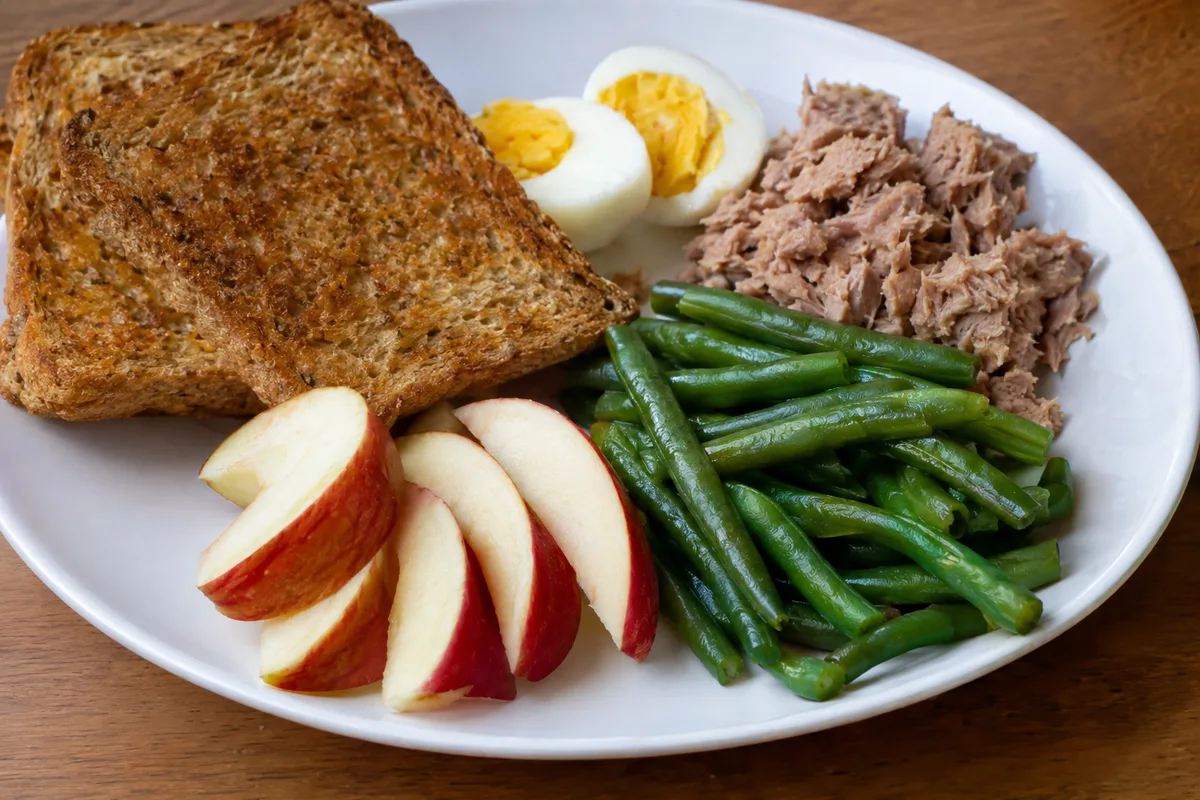
The plan limits both food choice and overall energy intake during its structured phase. There is little room to adjust meals for appetite, activity, preferences or normal social plans. Substitutions are sometimes suggested, but the main idea remains strict short-term restriction.
- Three days of prescribed meals
- Four less structured days
- Small portions and a narrow range of foods
- Repeated weekly by some followers
What your food log can tell you
If you already track your food, compare the plan with an ordinary week rather than judging it in isolation. Look at total energy, protein, fibre, fruit, vegetables and how meals are spread through the day. The exact figures depend on the foods, brands and portions entered.
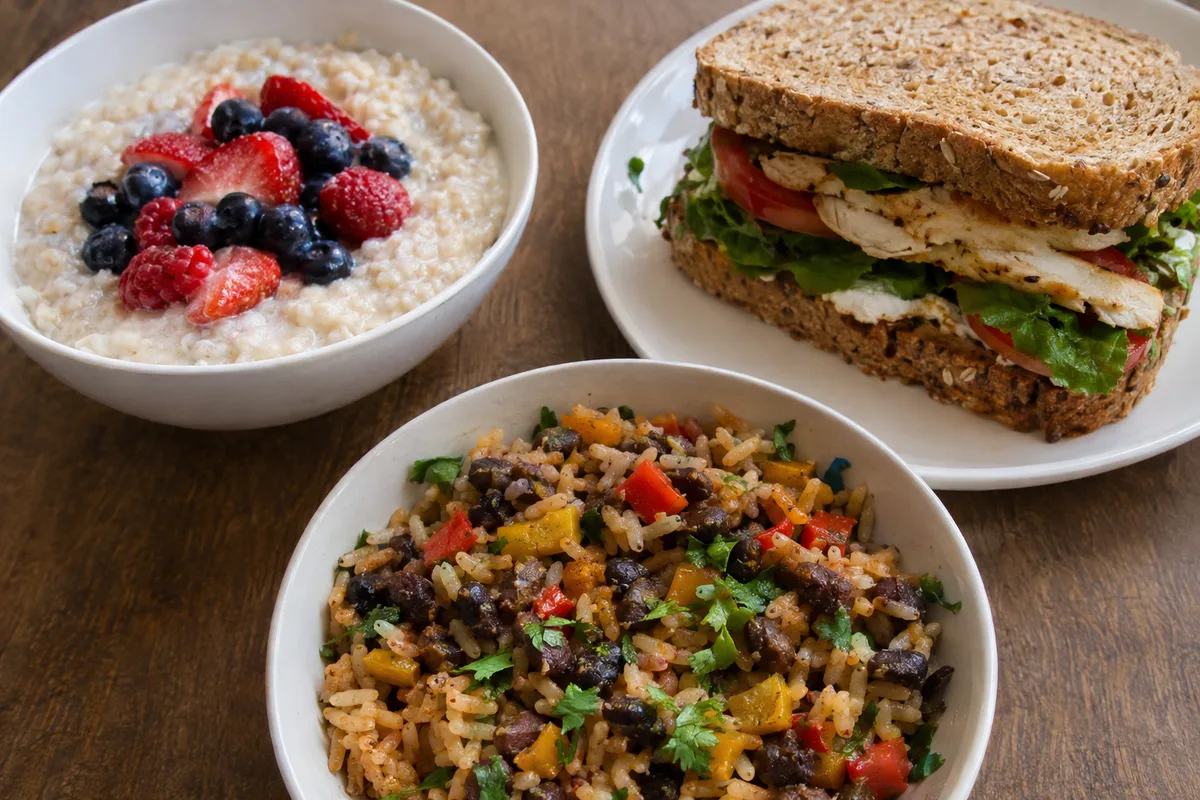
Your notes about hunger and concentration matter too. A plan can look neat in an app while leaving long gaps between meals or giving you too little food for an active day. Recording context beside each entry makes the comparison more useful.
- Hunger before and after meals
- Energy during work and movement
- Protein and fibre across the day
- Gaps between meals
- Changes in eating once the strict days end
Why the plan can appear to work quickly
A sudden drop on the scale does not show that the same amount of body fat has been lost. Eating less food and changing carbohydrate or salt intake can alter how much food and water the body is carrying. These changes can reverse when usual eating resumes.

Body fat changes when energy intake stays below energy use over time, but the size and speed of any change depend on the person. A three-day snapshot cannot show whether the approach is sustainable. It is more useful to examine trends across several ordinary weeks while keeping tracking conditions consistent.
- Compare trends rather than single readings
- Use similar tracking conditions each time
- Note unusual meals, travel and activity
- Avoid treating short-term water changes as a final result
The main drawbacks
The fixed menu may not provide much variety, and some days can be low in fibre or satisfying meal volume. Small meals may also make hunger harder to manage, especially if your usual intake is much higher. The plan does not teach much about choosing portions in everyday settings.
Strict rules can create an all-or-nothing pattern. After three controlled days, the less structured period may feel like permission to compensate by eating beyond comfortable fullness. That can make the weekly pattern harder to understand and maintain.
- Limited choice and flexibility
- Meals that may not match personal appetite
- Few lessons for restaurants or shared meals
- A possible swing between restriction and compensation
Looking beyond individual diet foods
The foods named in the plan are not inherently special for fat loss. Eggs, toast, fruit, vegetables and tinned fish can all fit into a balanced eating pattern, but no particular combination creates a unique shortcut. Results come from the overall pattern, portions and how consistently it fits your life.
Some versions include foods that seem surprising in a strict diet. Their presence does not prove that they boost metabolism or work better together. They are simply part of a menu designed to keep choices and portions controlled.
A more useful three-day exercise
Instead of copying a fixed menu, use three days to test small changes within foods you already enjoy. Keep meals familiar, then adjust one feature that may improve fullness or make the day easier to repeat. Your food log can show whether the change fits without turning the trial into a pass-or-fail challenge.
For example, add a source of protein to breakfast, include vegetables at a main meal or choose a higher-fibre carbohydrate. Review hunger, energy and convenience at the end of the three days. If the change helped, continue it and judge the longer trend rather than expecting a dramatic short-term result.
- Add eggs or plain yoghurt to a light breakfast
- Serve beans or lentils with a familiar lunch
- Add vegetables to pasta, rice or a baked potato
- Choose wholegrain bread or oats for more fibre
- Plan a satisfying snack for a long gap between meals