
How to Choose Healthier Options at Subway
A Subway order can vary greatly depending on the bread, filling, cheese, sauce and extras you choose. This guide explains how to assemble and track a balanced meal without labelling any single menu item as perfect.
Decide what healthy means for your meal
There is no single healthiest Subway order because the right choice depends on the rest of your day. You might want a filling lunch, more protein, extra vegetables or a meal that fits a particular energy target. Start with that aim rather than choosing only by the name of a sandwich.
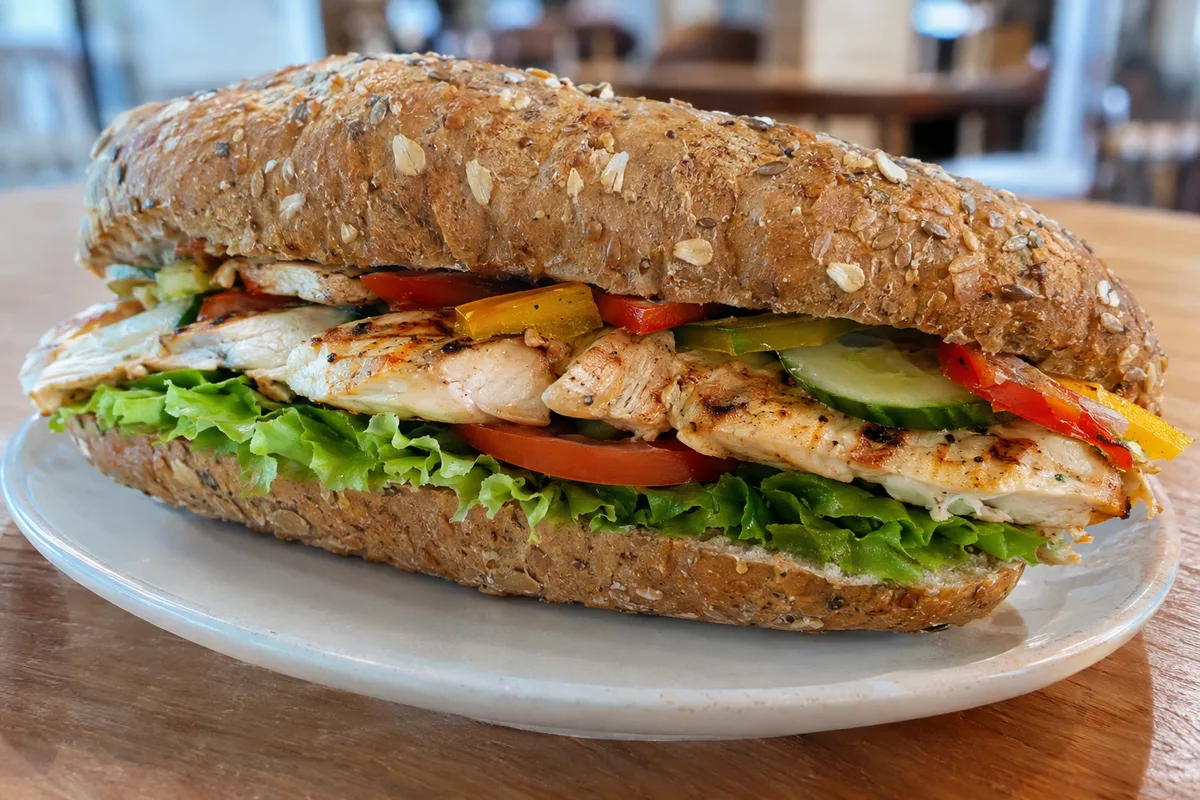
A useful meal usually combines a protein-rich filling, some carbohydrate and plenty of salad. Fat can add flavour and help the meal feel satisfying, but cheese, creamy sauces and some fillings can quickly change what you log. Salt can also add up across bread, processed fillings, cheese, sauces and sides.
Check the current nutrition and ingredient information for your branch when accuracy matters. Recipes, serving sizes and menu options can change, while staff may use slightly different portions. Your own tracked entry should reflect the size and extras you actually ordered.
- Choose your main priority before ordering
- Consider how the meal fits with breakfast, dinner and snacks
- Log the bread, filling, cheese and sauce separately when possible
- Use the restaurant's current information rather than an old database entry
Choose a base that suits your appetite
A sub provides bread as the main carbohydrate source, while a salad or bowl shifts more of the meal towards vegetables. Neither format is automatically better. The useful choice is the one that meets your needs and leaves you comfortably satisfied.
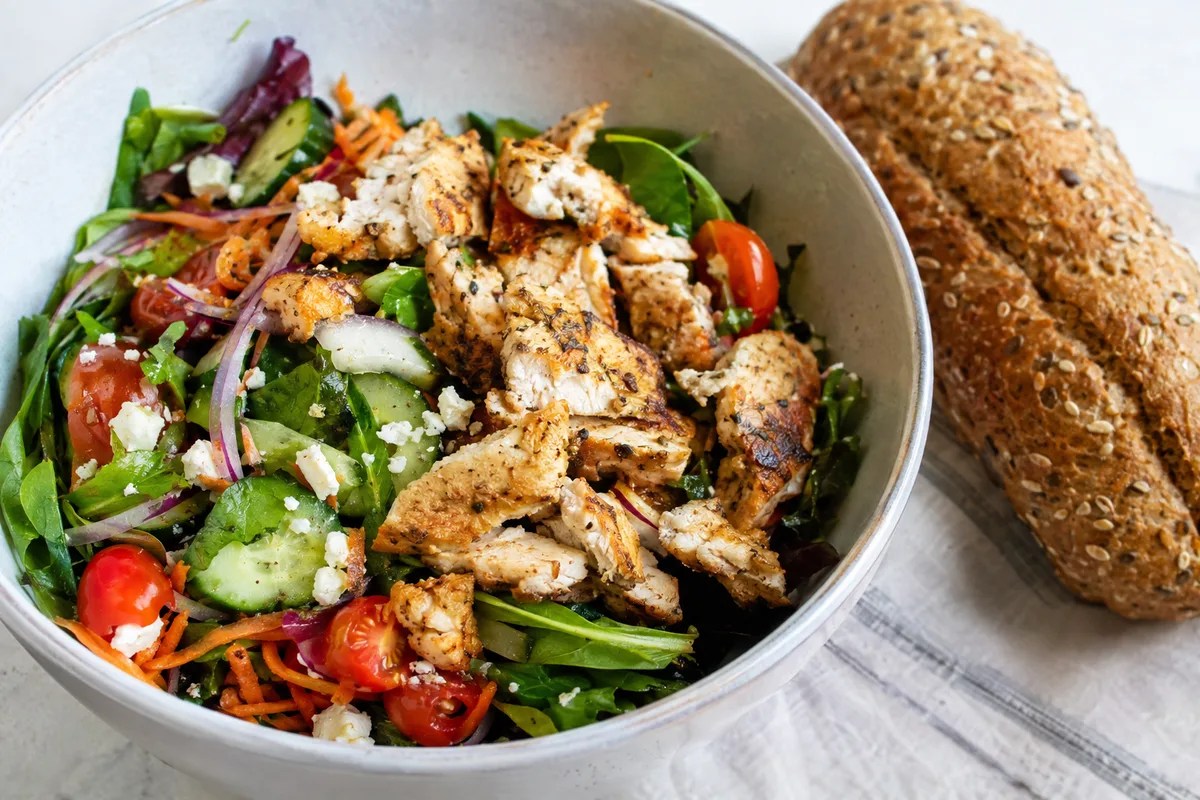
If you choose bread, compare the available options rather than assuming that colour or a healthy-sounding name tells the full story. A wholegrain-style option may provide more fibre, but ingredients differ by location. The length of the sub and the amount of filling will usually make a clear difference to the final meal.
A salad or bowl can be useful when you want more vegetables, but it still needs a satisfying centre. Include a protein-rich filling and consider whether you need a carbohydrate alongside it. Otherwise, you may simply feel hungry again sooner and add unplanned food later.
- Sub for a portable meal with a clear carbohydrate base
- Salad or bowl for a larger vegetable portion
- Smaller sub with a side salad when you want both bread and extra vegetables
- Open salad-topped sub when you prefer less bread but still want some
Build around a protein-rich filling
Protein helps turn bread and salad into a more complete meal. Options may include poultry, fish, eggs, meat or plant-based fillings, depending on the menu. Look at how the filling is prepared as well as its main ingredient.
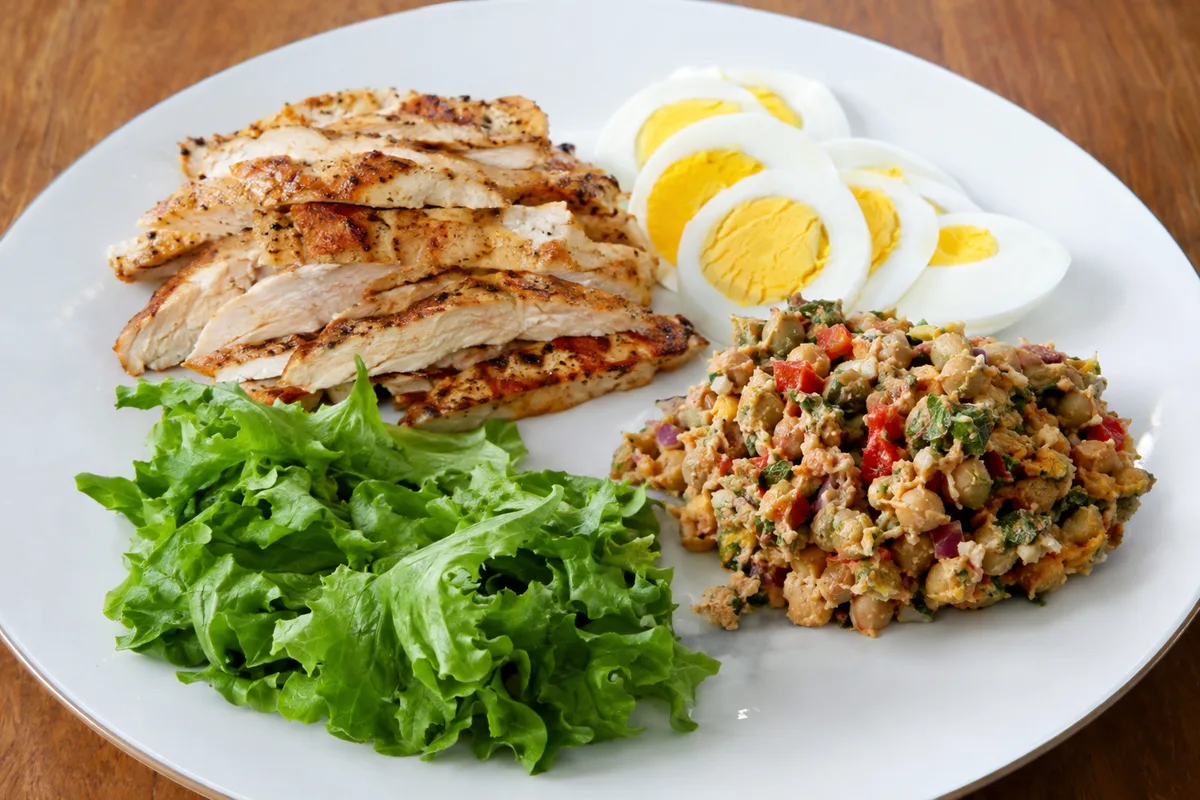
Grilled or simply cooked fillings are often easier to track than mixtures containing several sauces or added ingredients. Breaded fillings, processed meats and fillings combined with mayonnaise or cheese may contribute more fat or salt. That does not make them forbidden, but it is worth accounting for the full portion.
Double fillings can raise protein, but they also change the meal's energy and salt content. If you want more protein, compare that option with adding cheese or choosing a different filling. The most suitable amount depends on your appetite and overall target.
- Start with one clearly identified protein filling
- Check whether the filling is grilled, breaded or mixed with sauce
- Track double filling as an extra portion
- Count cheese separately rather than treating it as part of the salad
Use the salad counter for volume and variety
Vegetables add colour, texture and fibre without relying on another sauce or topping. Combining crisp and juicy ingredients can make a simple sandwich feel more substantial. Ask for a generous mixture if that suits your digestion and preferences.
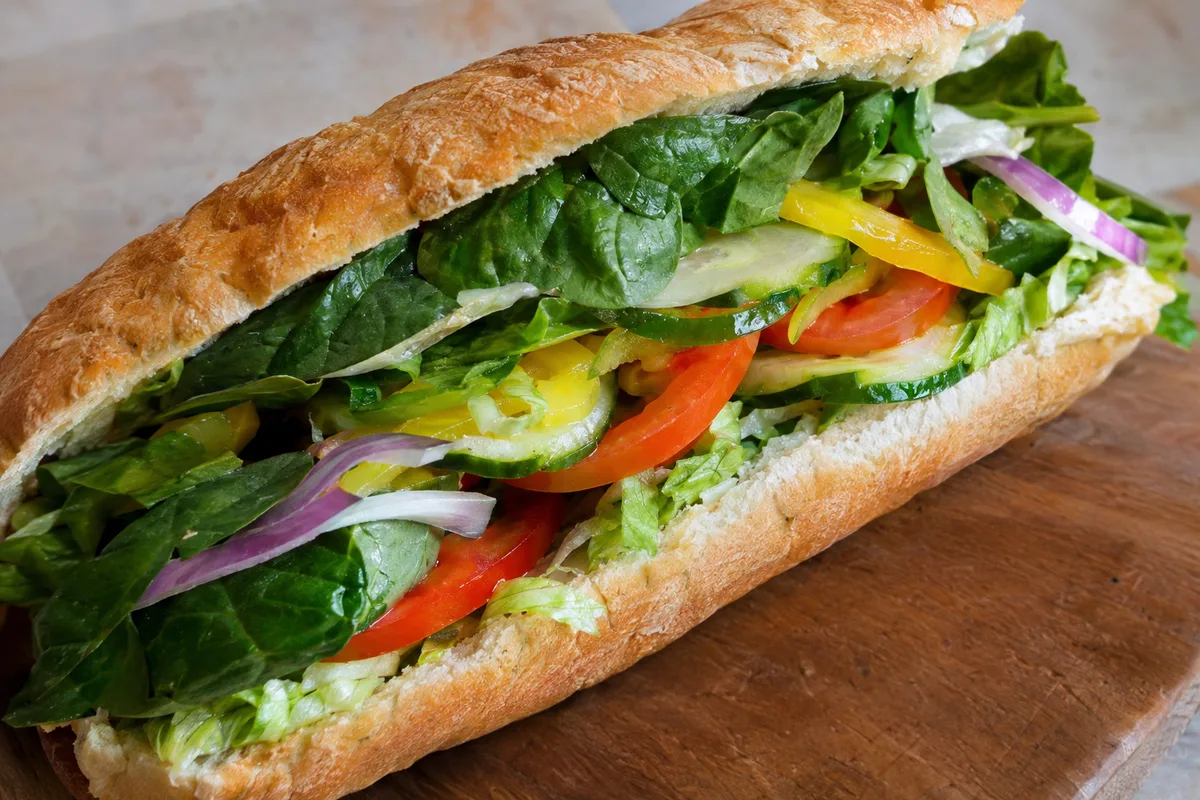
Lettuce alone adds crunch, but a broader selection gives more variety. Tomatoes, cucumber, peppers, onions, spinach and pickled vegetables may be available. Pickled items can be salty, so balance them with fresh choices when salt is something you track.
Toasting can soften some vegetables and change their texture, so decide whether you want salad added before or after heating. You can also ask for certain ingredients to be left out rather than ordering a fixed combination. This makes the meal easier to enjoy and less likely to be wasted.
- Choose at least two or three different vegetables
- Mix leafy, crunchy and juicy ingredients
- Use pickled vegetables as a flavour accent
- Add herbs or pepper where available for flavour without another creamy topping
Be deliberate with cheese, sauces and extras
Sauce can make the biggest difference between two otherwise similar orders. Creamy and oil-based sauces are often more energy-dense because fat provides about 9 kcal per gram, compared with about 4 kcal per gram for protein or carbohydrate. The exact effect depends on the sauce and the amount used.
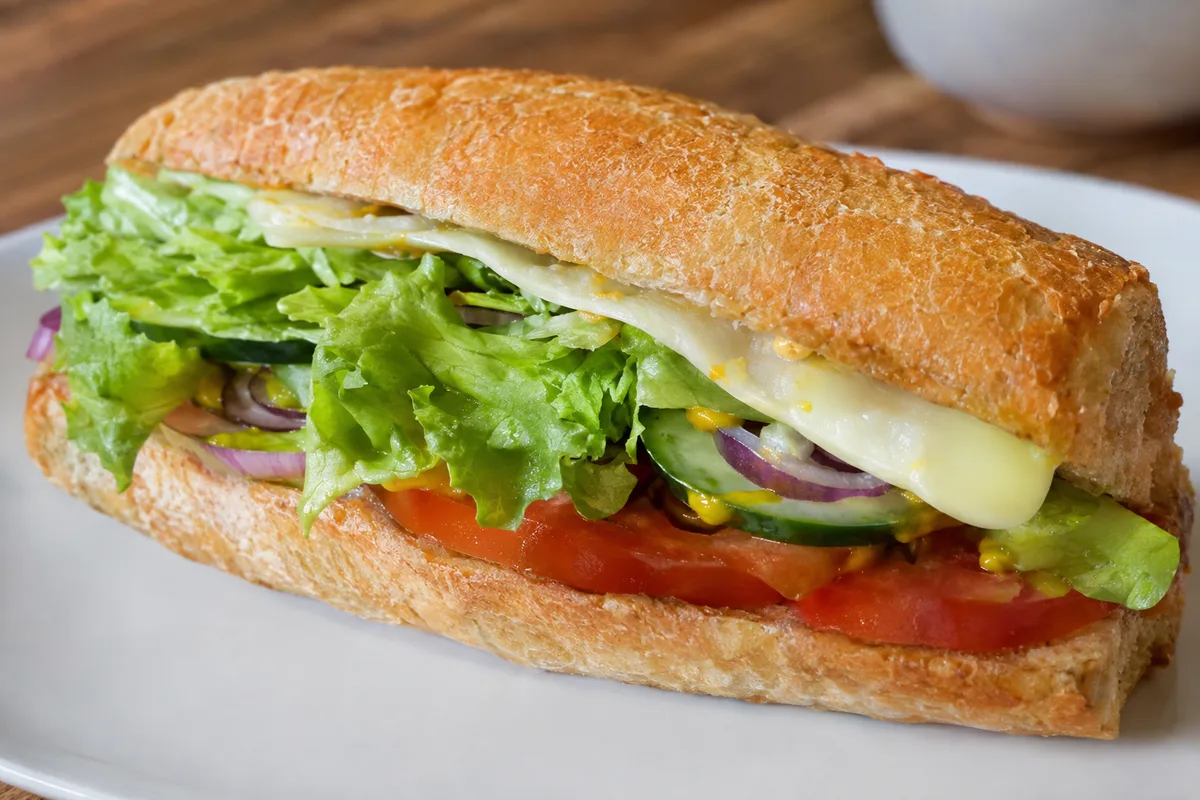
You do not need to remove every rich ingredient. Instead, choose the extras you care about most and keep the others simple. For example, cheese with a lighter sauce may suit you better than cheese, a creamy sauce and several fatty extras together.
Portions poured by hand can be difficult to match with a standard food-log entry. Asking for a light amount or sauce on the side gives you more control, although the exact quantity still varies. Log each extra separately when you can.
- Choose one main flavour from cheese, sauce or a richer filling
- Try mustard, vinegar or a small amount of your preferred sauce
- Ask for sauce on the side when available
- Include avocado, cheese and extra meat as separate log entries
Complete the meal and log it accurately
A drink, side and dessert are part of the meal even when they are not inside the sub. Water or an unsweetened drink keeps the focus on the food, while sweetened drinks add energy without much chewing. If you want a snack or dessert, include it deliberately rather than forgetting it in your log.
Pre-set meal deals can encourage you to add items you did not originally want. Base your choice on hunger and your daily plan rather than on what is bundled together. Fruit, a simple side salad or no side may fit better on some days, while another choice may fit on others.
For the most accurate entry, build the meal component by component. Record the bread size, filling, cheese, sauce, vegetables, extras, drink and side. If exact information is unavailable, choose the closest sensible entry and stay consistent rather than treating the estimate as exact.
- Log the correct sub length or bowl size
- Add cheese, sauce and extra filling separately
- Include drinks, crisps, biscuits and other sides
- Update your entry if your actual order differs from the planned one
- Save a customised meal only after checking every component