
Which Drinks Use Stevia?
Stevia is a sweet-tasting ingredient used in drinks with less or no added sugar. This guide explains where you may find it, how to recognise it and what to record in your food diary.
What stevia does in a drink
Stevia sweeteners come from compounds found in the leaves of the stevia plant. They taste much sweeter than sugar, so manufacturers only need a small amount. In drinks, stevia may replace all the added sugar or only part of it.
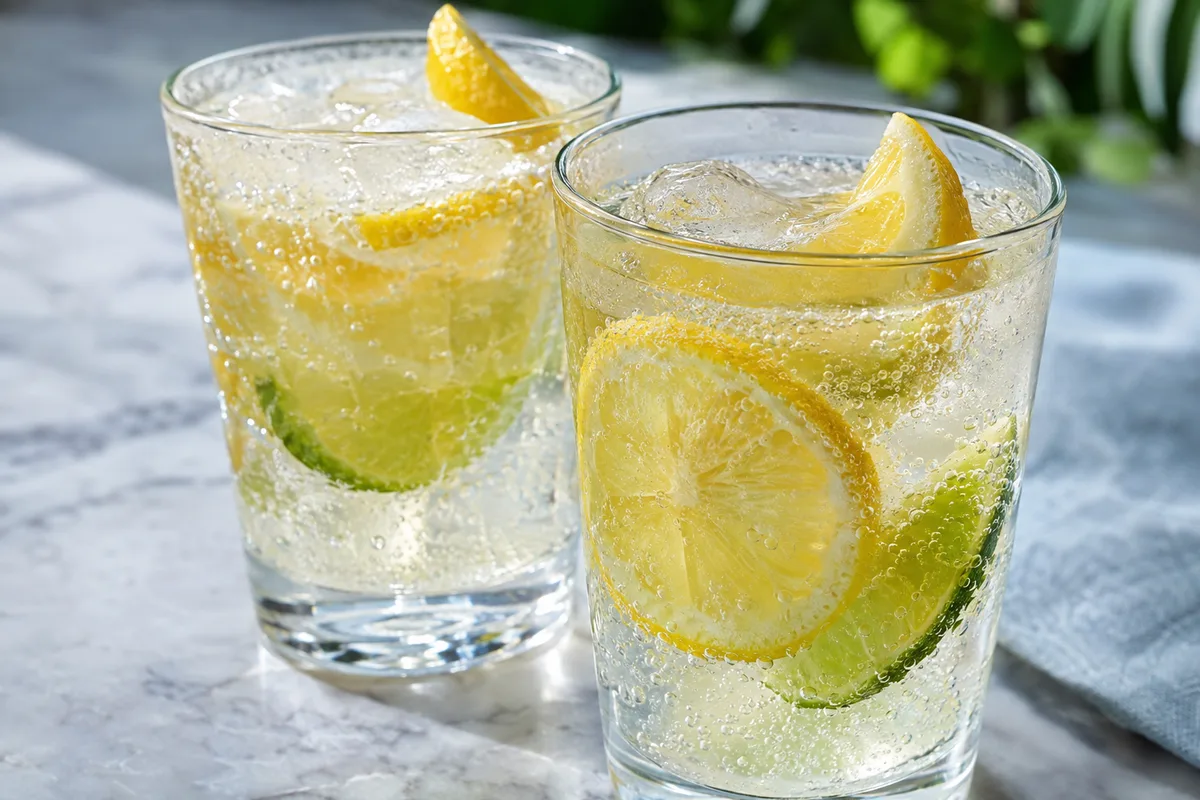
Removing some sugar can change a drink's flavour and texture. For that reason, stevia is often combined with sugar, fruit juice or another sweetener. A drink containing stevia is not automatically free from sugar, carbohydrate or energy.
- Sweetens a drink without adding spoonfuls of sugar
- Can be used alongside sugar rather than replacing it completely
- May be blended with other sweeteners to balance the taste
- Can leave a liquorice-like or slightly bitter aftertaste for some drinkers
Soft drinks and fizzy drinks
Stevia is used in some fizzy drinks, particularly versions described as having reduced sugar or no added sugar. It can appear in cola-style drinks, citrus flavours, ginger drinks and sparkling fruit drinks. The exact recipe depends on the manufacturer and may change over time.
Do not assume that every lighter-looking or low-sugar drink contains stevia. Some use different sweeteners, while others combine several sweet ingredients. Check the ingredients each time if stevia matters to you.
- Cola-style fizzy drinks
- Lemon, lime and orange soft drinks
- Ginger-flavoured drinks
- Sparkling fruit drinks
- Tonic-style and bitter mixers
Flavoured water, squash and drink mixes
Stevia may be added to still or sparkling flavoured water when plain water would not naturally taste sweet. It also appears in some concentrated squashes, cordials and powders mixed with water. Fruit flavouring can make its distinctive aftertaste less noticeable.
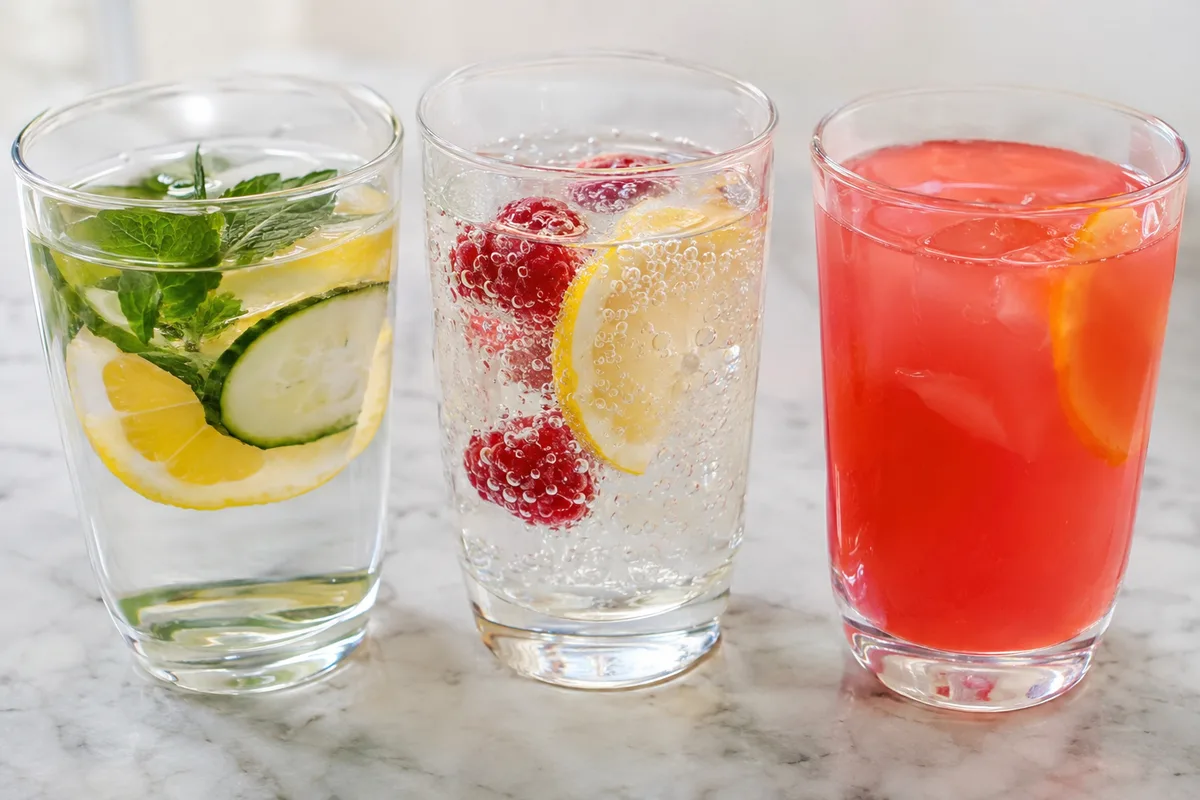
These products vary widely in their use of juice, sugar and other sweeteners. A fruit picture on the front does not tell you how the drink is sweetened. Read both the ingredients and nutrition information before logging a serving.
- Still water with fruit or botanical flavouring
- Sparkling flavoured water
- Concentrated squash or cordial
- Powdered drink mixes
- Liquid flavour drops for water
Tea, coffee and plant-based drinks
Some bottled teas, chilled coffees and ready-made plant-based drinks use stevia. It may provide all the sweetness, or it may sit alongside sugar, syrup or fruit ingredients. Unsweetened versions usually have no need for stevia unless flavourings have been added.
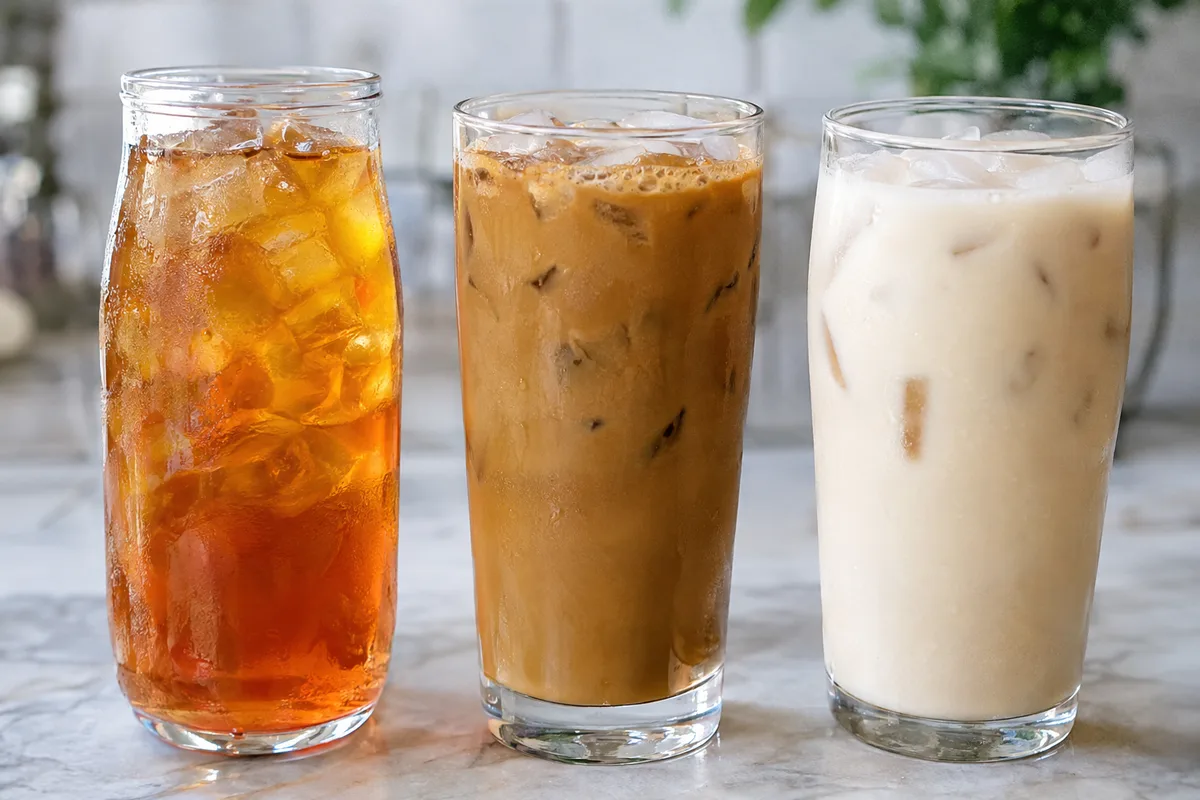
Stevia can also be added at home using a tabletop sweetener. The serving size shown on its packaging may not match the amount you prefer. When tracking, record the drink itself and any milk, syrup, sugar or sweetener added separately.
- Bottled black or green tea
- Chilled coffee drinks
- Flavoured plant-based drinks
- Herbal tea sweetened at home
- Coffee sweetened at home
Sports-style, protein and energy drinks
Stevia is sometimes used in drinks marketed for exercise, protein intake or alertness. These products often contain several flavouring and sweetening ingredients because minerals, protein or plant extracts can taste bitter. Stevia may help soften those flavours without relying only on sugar.
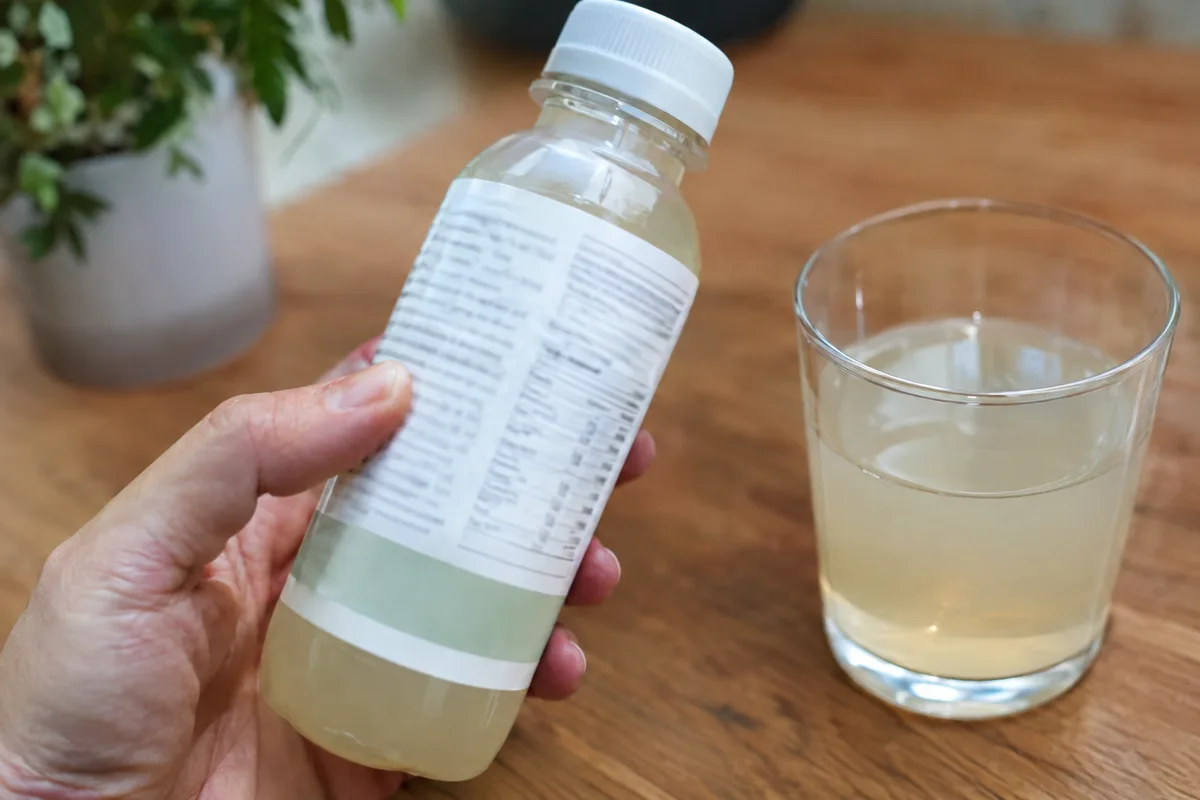
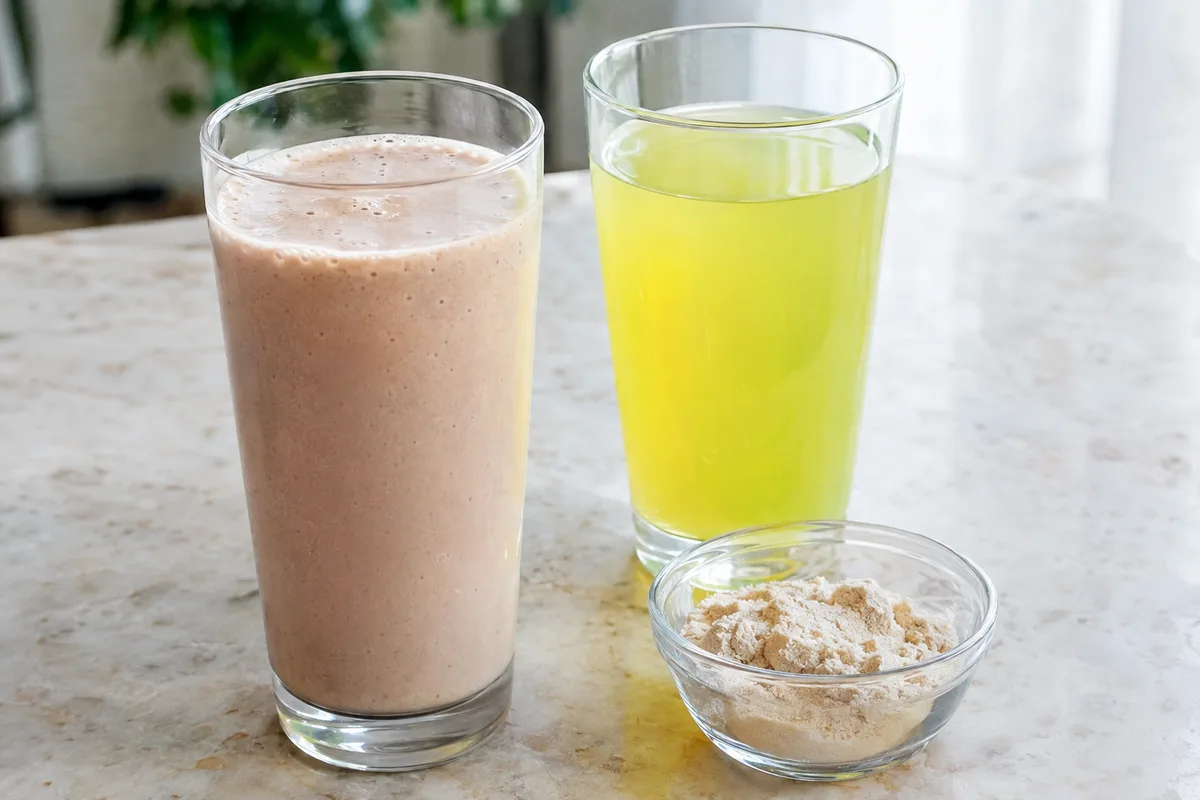
The presence of stevia tells you nothing about the drink's other ingredients. A protein drink may still contain carbohydrate and fat, while an energy-style drink may include sugar or stimulating ingredients. Choose the correct bottle size and serving details when adding it to your diary.
- Ready-to-drink protein shakes
- Protein powders mixed with water or milk
- Electrolyte drink mixes
- Sports-style hydration drinks
- Energy-style drinks
How to spot and track stevia
Look beyond claims on the front and scan the full ingredients list. Stevia may be named as steviol glycosides, stevia extract or a stevia-derived sweetener. Ingredients are generally listed in order by weight, although only a small amount of an intense sweetener may be needed.
For tracking, use the nutrition information for the exact drink rather than estimating from the word stevia. Check whether the figures refer to a serving, a prepared drink or the whole container. If you mix a powder or concentrate yourself, log the amount used and anything else added.
- Read the ingredients for stevia or steviol glycosides
- Check for sugar, juice, syrup and other sweeteners too
- Match the stated serving to the amount you drank
- Include milk, fruit, powders or concentrates added at home
- Recheck familiar drinks because recipes can change