
Is stevia sweetener safe to use?
Stevia sweeteners are generally considered safe when they contain purified ingredients approved for use in food. This guide explains what stevia is, how safety limits work and what to check when tracking your intake.
What stevia sweetener actually is
Stevia sweeteners come from compounds called steviol glycosides, which are found in the leaves of the stevia plant. These compounds taste much sweeter than sugar, so only a small amount is needed. The sweetener used in food is usually purified rather than being a spoonful of ground stevia leaf.
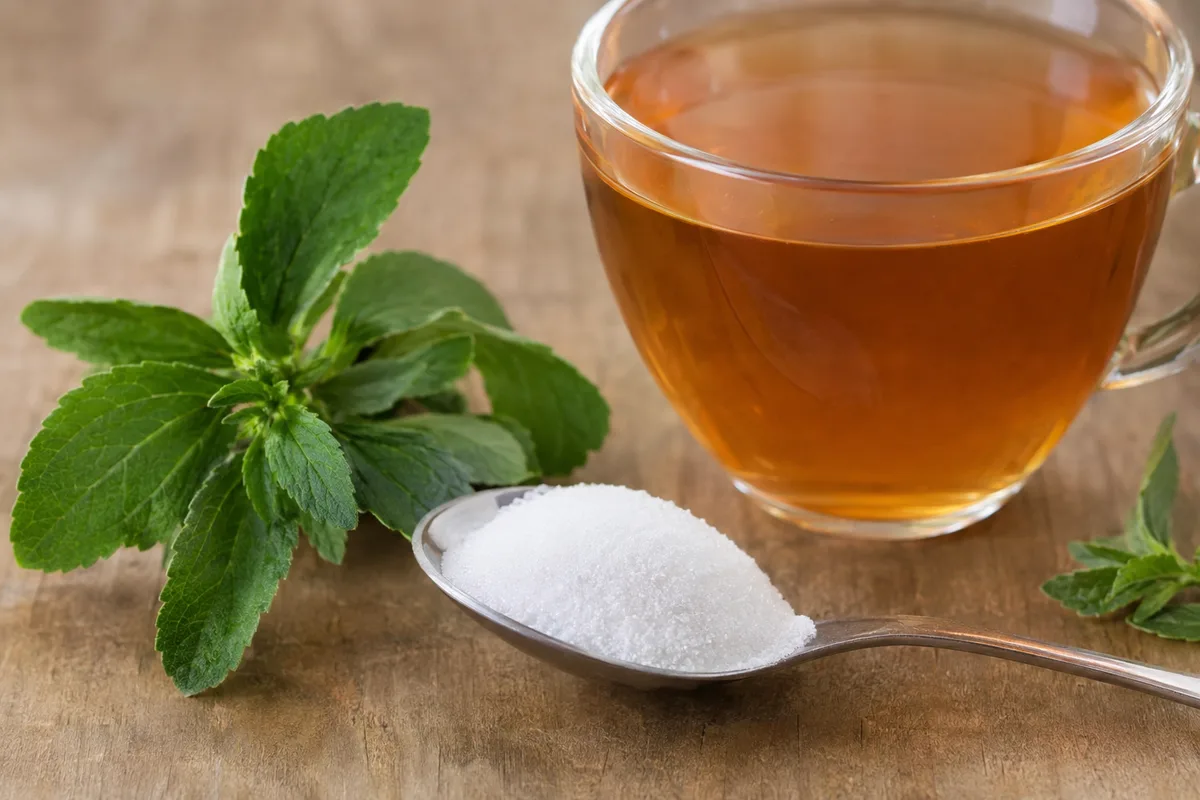
A tabletop product labelled as stevia may not contain steviol glycosides alone. Manufacturers often combine them with other ingredients to add bulk, soften the taste or help the product dissolve. This means two stevia products can have different ingredients and different effects on your food log.
- Purified steviol glycosides provide the sweetness
- Bulking ingredients make small portions easier to measure
- Other sweeteners may be added to adjust the flavour
- Flavourings may reduce stevia's bitter or liquorice-like aftertaste
The short answer on safety
Approved steviol glycosides are considered safe for use in foods and drinks within the limits set by food safety authorities. These ingredients are assessed for how the body handles them and how much can be consumed regularly. Approval applies to specified purified forms, not automatically to every homemade extract or whole-leaf product.
Safety does not mean that any amount is sensible for everyone. Food authorities use an acceptable daily intake as a cautious guide for regular consumption over time. Your relevant limit depends on body weight and on the amount of steviol glycosides in each product, so there is no single serving number that suits every reader.
- Choose products containing approved steviol glycosides
- Follow the serving guidance shown on the label
- Count stevia from drinks, foods and tabletop sweeteners together
- Ask a qualified health professional for personal guidance when needed
Purified sweetener is not the same as the whole leaf
The word natural can make every form of stevia sound identical, but processing matters. Purified steviol glycosides have defined standards for composition and purity. Whole leaves, powders made from leaves and informal extracts may contain a wider mix of plant compounds.
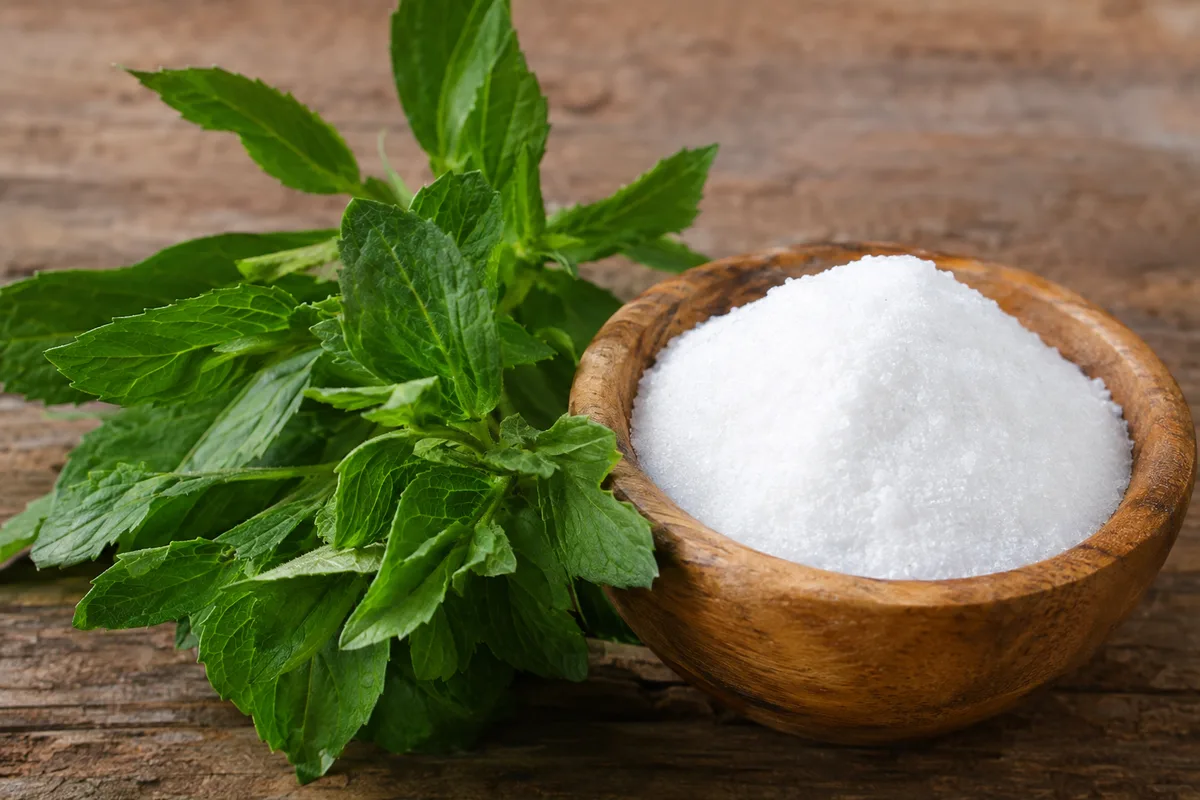
A product being plant-based does not remove the need for safety checks. When choosing a sweetener, look at the actual ingredient list rather than relying on a leaf picture or a front-label claim. Clear ingredient wording gives you a better idea of what you are consuming and logging.
- Look for steviol glycosides in the ingredient list
- Check whether sugar or another sweetener is also present
- Note any bulking ingredients that contribute energy
- Avoid assuming that green powder is the same as a purified extract
Possible unwanted effects
Some people notice an aftertaste from stevia, particularly in hot drinks or lightly flavoured foods. Others may experience digestive discomfort from the bulking ingredients used in a tabletop product. The stevia component may not be the ingredient responsible.
How you respond can depend on the product, portion and what else you have eaten. If a product repeatedly leaves you uncomfortable, stop using that product and review its full ingredient list. Trying a smaller amount in food can also make the flavour easier to judge.
- A bitter, herbal or liquorice-like aftertaste
- Bloating or discomfort after products with certain bulking ingredients
- A different taste when stevia is heated or mixed with acidic foods
- Greater sweetness than expected when replacing sugar directly
How stevia fits into calorie tracking
Stevia can reduce the energy in a food or drink when it replaces some or all of the sugar. However, the result depends on the complete recipe. A cake, yoghurt or flavoured drink may still contain energy from flour, fat, milk, fruit or added sugar.
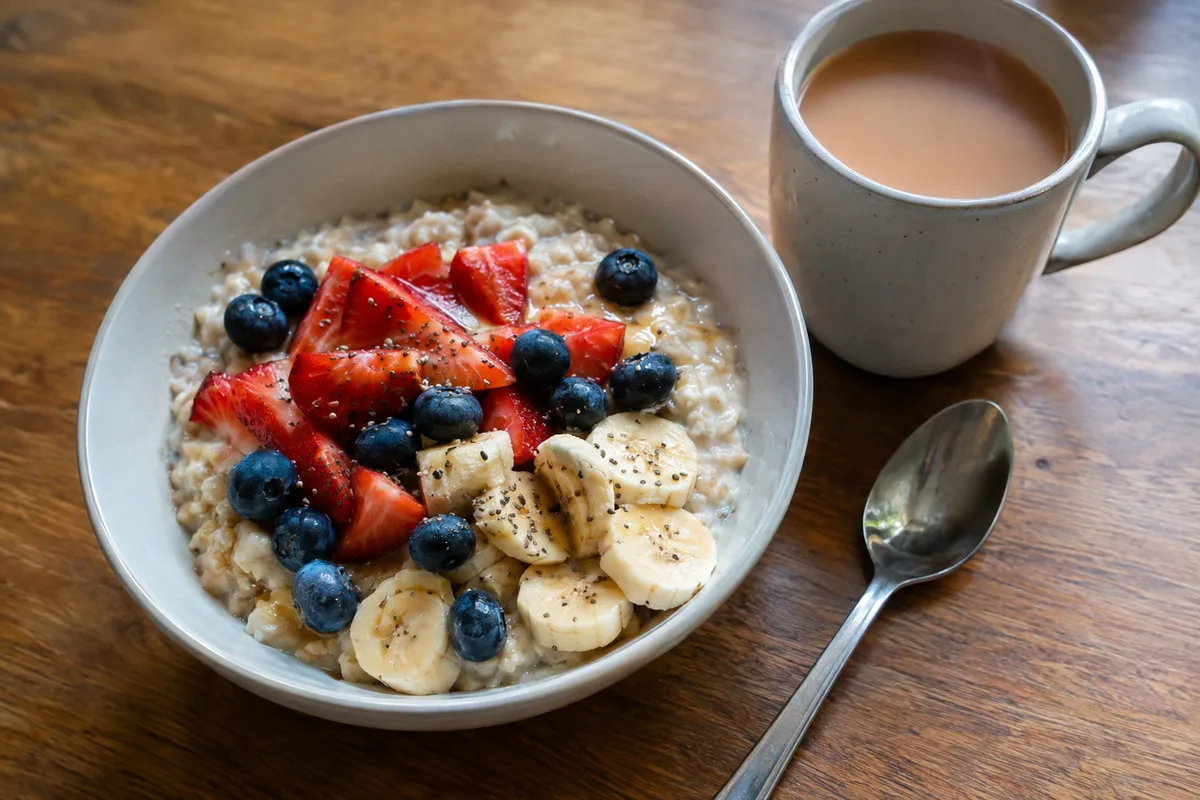
Do not assume that a product labelled with stevia has no calories. Check the nutrition panel and log the portion you actually consume. For recipes, record every ingredient and divide the total by the number of portions you make.
Sweetness is only one part of eating well. Stevia may be useful if you enjoy a sweet taste while adjusting added sugar, but it does not need to appear in your diet. Your overall food pattern matters more than whether one particular sweetener is included.
- Log the finished food, not just the sweetener
- Check whether stevia replaces all or only some of the sugar
- Include milk, syrups and toppings added to drinks
- Update saved recipes when you change ingredients
A practical way to decide
For most adults, an approved stevia sweetener used according to its label can be part of an ordinary diet. Start by checking that the product contains purified steviol glycosides and by noticing what else is included. Use the smallest amount that gives the sweetness you enjoy.
If you use several stevia-sweetened products each day, consider them together rather than one at a time. Varying drinks and snacks can also prevent one sweetener from becoming your default in everything. If you are pregnant, breastfeeding or have been given individual dietary guidance, discuss regular use with an appropriate health professional.
- Read the full ingredient list
- Compare the serving guidance with your usual portion
- Track all sources across the day
- Pay attention to taste and digestive comfort
- Seek personal guidance if your circumstances require it