
Canola oil: a safe and healthy choice for everyday cooking
Canola oil is a mild-tasting cooking oil made from specially bred varieties of rapeseed. This guide explains its safety, nutritional qualities and practical uses when you track what you eat.
What canola oil actually is
Canola oil comes from the seeds of canola plants, which belong to the same plant family as rapeseed. These plants were bred to produce oil with very low levels of compounds that made older forms of rapeseed oil unsuitable as a regular food. Food sold as canola oil must meet relevant safety and composition standards.
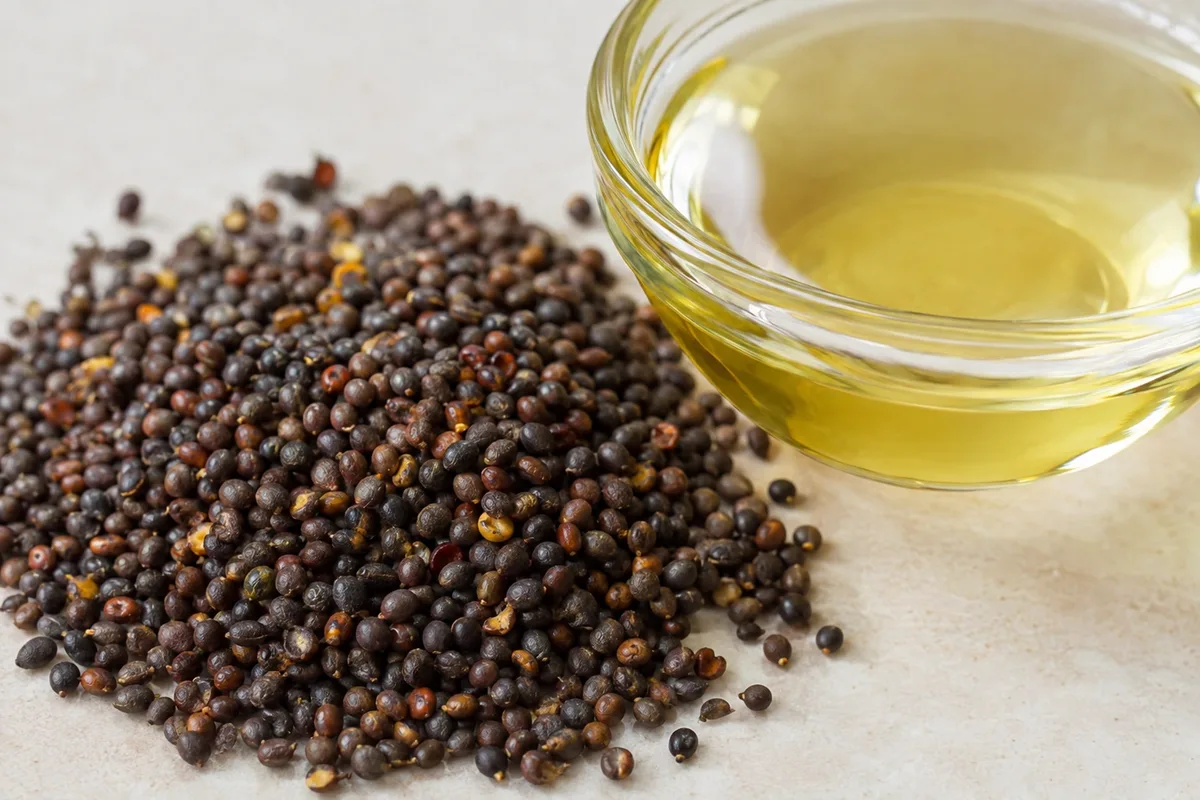
Most canola oil is refined to remove impurities and create a neutral flavour. Refining also helps the oil remain stable during storage and makes it useful for several cooking methods. Cold-pressed versions are less refined and may have a stronger, slightly nutty taste.
- Refined canola oil has a mild, neutral flavour
- Cold-pressed canola oil usually tastes more distinctive
- Both types provide mostly unsaturated fat
- Storage and cooking guidance can differ, so check the label
Why canola oil is considered safe
Confusion about canola oil sometimes comes from its link with rapeseed. Traditional rapeseed varieties can contain more erucic acid than varieties grown for canola oil. Modern food-grade canola oil is produced to comply with limits designed for safe consumption.
Refining does not automatically make an oil unsafe. It is a controlled process that can include cleaning, pressing, filtering and removing unwanted colours, flavours or residues. As with other cooking oils, the final product must meet food safety rules before it can be sold.
Some online claims focus on the chemicals or heat used during processing without explaining that these steps are controlled and the finished oil is tested against standards. A process can sound unfamiliar while still producing food that is suitable to eat. If you prefer a less refined option, cold-pressed canola oil is another choice rather than a safety requirement.
Understanding its fat profile
Canola oil is mainly made up of unsaturated fats and contains less saturated fat than some commonly used solid fats. It provides both monounsaturated and polyunsaturated fats, including omega-3 and omega-6 fats. These fats have useful roles in a balanced diet, but canola oil is still an energy-dense ingredient.
When tracking food, log canola oil even if only a small amount is used for frying, roasting or dressing. Fat supplies about 9 kcal per gram, compared with about 4 kcal per gram from protein or carbohydrate. The amount that fits your day depends on your portions, overall eating pattern and personal goals.
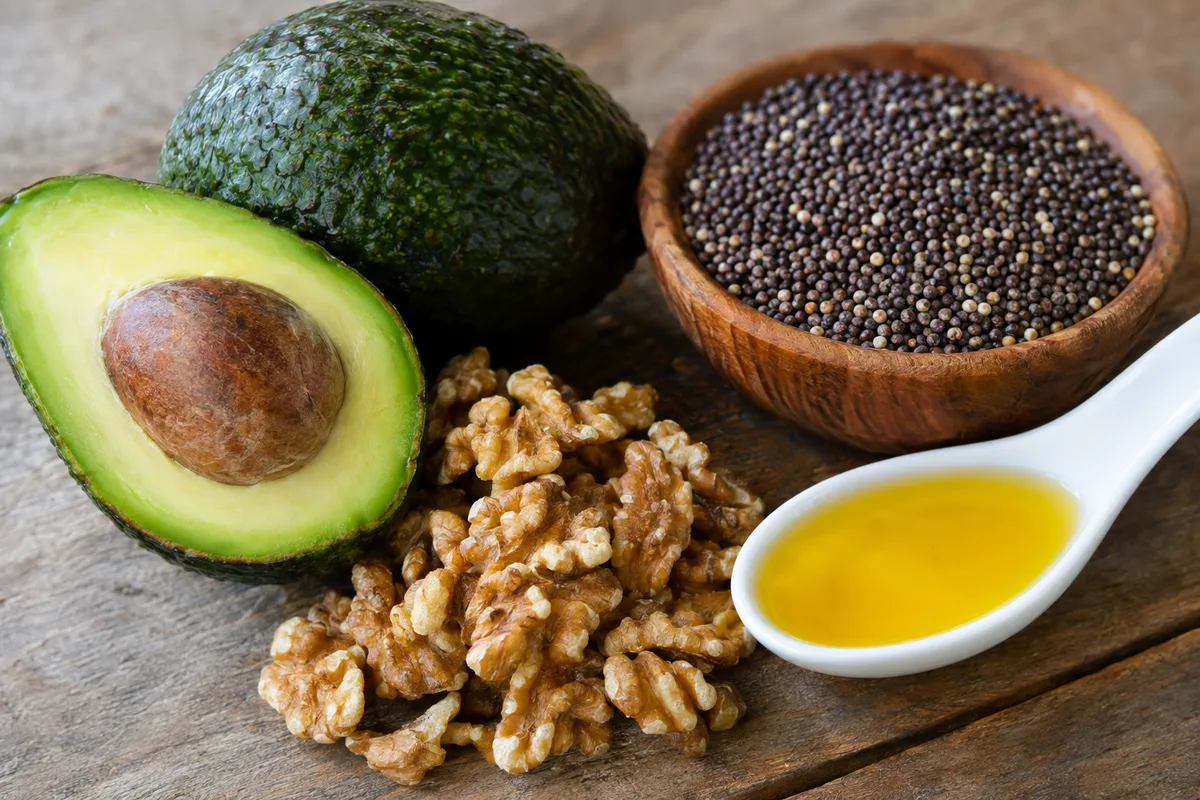
No single oil makes a whole diet healthy. Canola oil is best viewed as one practical source of fat alongside foods such as nuts, seeds, fish, olives and avocados. Variety also brings different flavours and nutrients to meals.
- Use it instead of butter when a neutral liquid fat suits the recipe
- Measure or estimate oil added to pans, trays and dressings
- Count oil absorbed during cooking rather than assuming it disappears
- Consider the fats used across the whole day, not one meal alone
Using canola oil in the kitchen
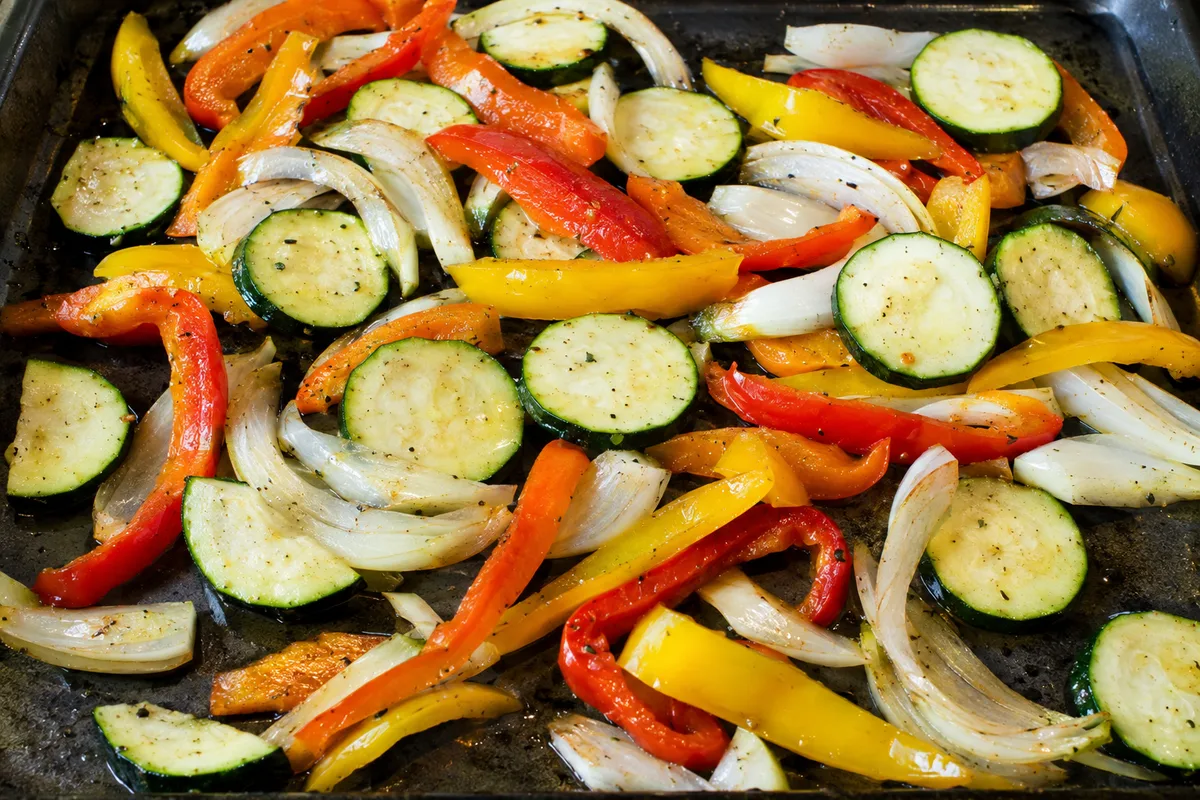
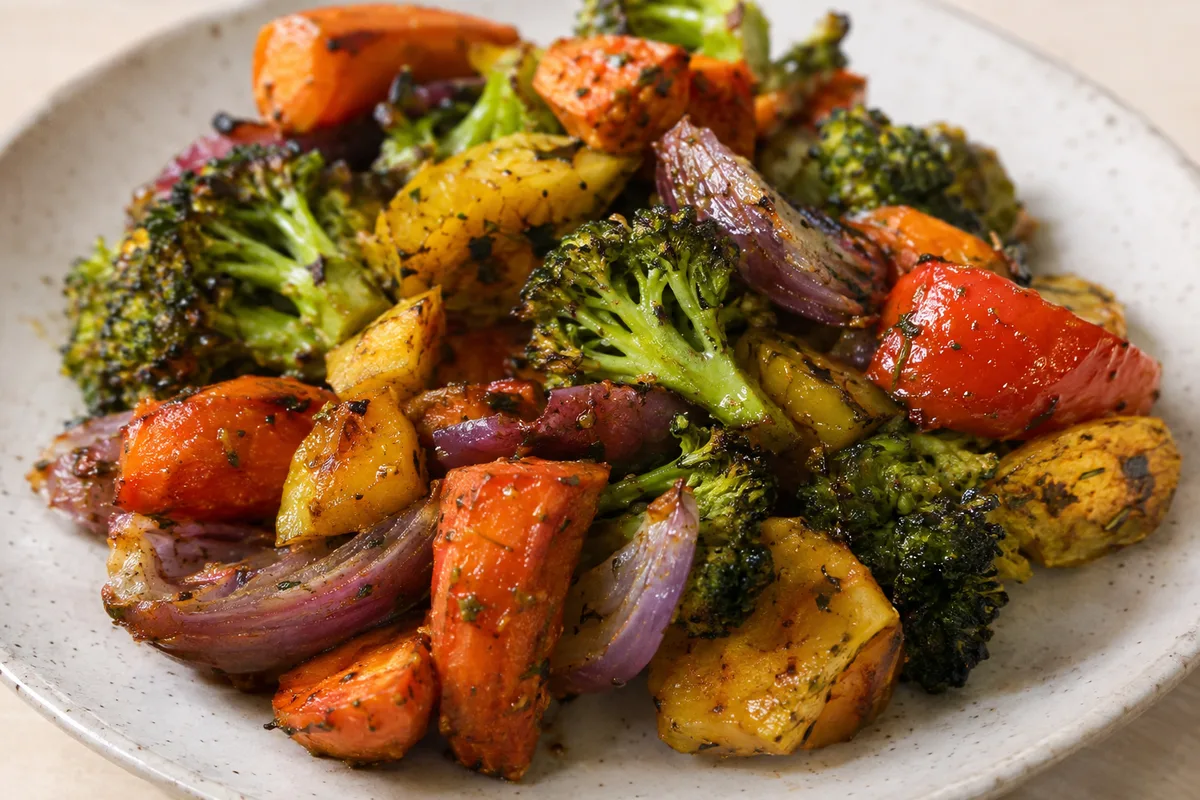
Refined canola oil works well when you do not want the oil to dominate the food. It can be used for sautéing, roasting, baking and making dressings or marinades. Its light flavour suits vegetables, grains, eggs, fish and meat.
Avoid heating any oil until it smokes heavily, as this affects flavour and signals that the oil is becoming less stable. Use a cooking temperature suited to the food and do not leave a hot pan unattended. Cold-pressed oil may be better reserved for dressings or gentler cooking, depending on the label guidance.
- Brush it lightly over vegetables before roasting
- Use it to sauté onions, mushrooms or leafy vegetables
- Whisk it with vinegar, herbs and mustard for a dressing
- Replace some melted solid fat in suitable baking recipes
- Add a measured amount to marinades
How it compares with other fats
Different fats suit different jobs, so there is no need to choose one oil for everything. Canola oil is useful when you want mild flavour and a mostly unsaturated fat profile. Olive oil can add a more noticeable taste, while solid fats may provide texture in particular recipes.
Swapping a fat does not always mean using the same amount without checking. Baking results can change when a liquid oil replaces a solid fat, and strong-flavoured oils may alter a dish. For tracking, compare the portion used rather than assuming one oil contributes no energy because it is described as healthy.
Your choice can also depend on flavour, cooking method, availability and dietary preferences. Using a small selection of oils is a straightforward way to match the fat to the meal. Canola oil can be the neutral option within that selection.
- Choose canola oil for neutral flavour in roasting or baking
- Choose a more distinctive oil when its flavour is part of the dish
- Use solid fats when a recipe relies on their texture
- Track the amount used whichever fat you choose
A sensible place in a tracked diet
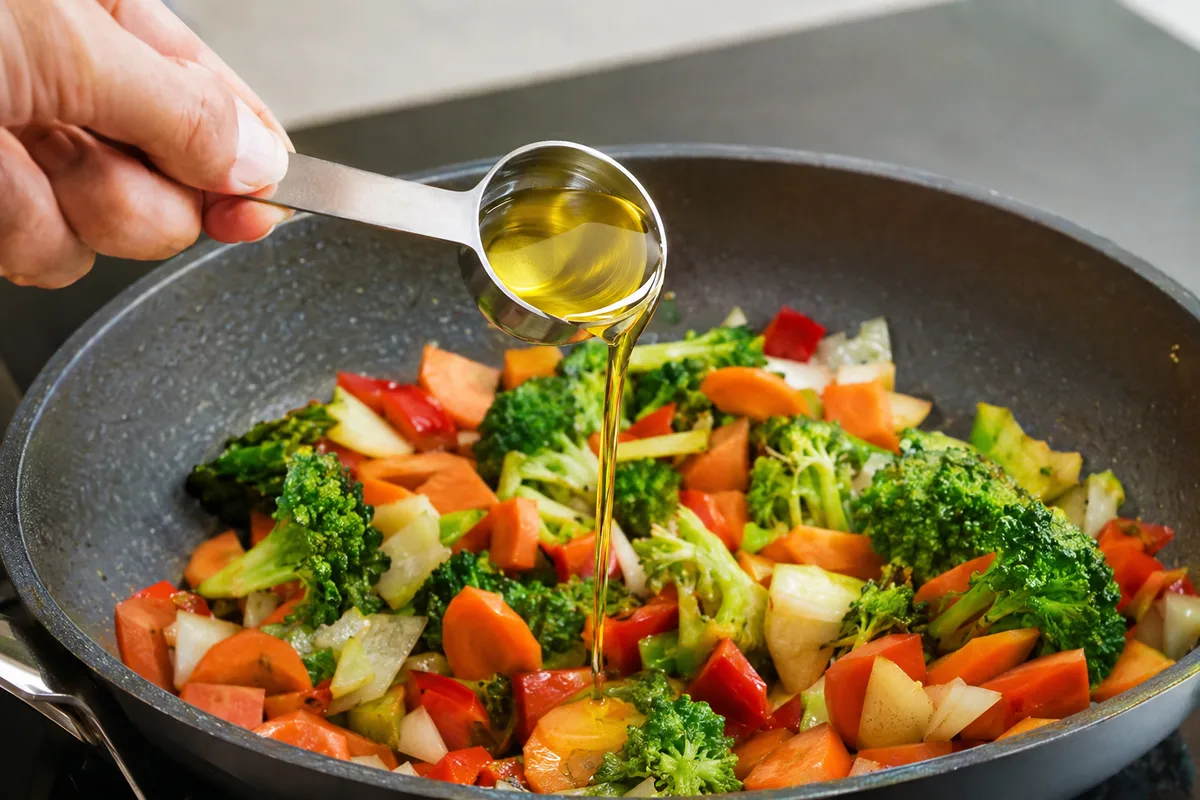
Canola oil can fit comfortably into a balanced eating pattern, but portion awareness still matters. Pouring directly from a bottle makes the amount harder to judge, especially when oil spreads across a pan or baking tray. Measuring before cooking can make your food log more consistent.
There is no single correct serving for everyone. The suitable amount depends on the rest of the meal, your usual intake and what you are aiming to achieve. Focus on a repeatable way of measuring rather than trying to make every estimate perfect.
Canola oil is neither something to fear nor a shortcut to better nutrition. It is a regulated cooking oil with a useful fat profile, a mild taste and several everyday uses. What matters most is how much you use and how it fits with the rest of what you eat.
- Measure oil before adding it to the pan
- Log oil used in dressings, marinades and baking
- Divide shared cooking oil across the portions served
- Use the same measuring method for more consistent entries