
Why Healthy Eating Can Sometimes Upset Your Stomach
Nutritious foods are not automatically comfortable for every stomach, particularly when you change several habits at once. This guide explains common triggers and how your food log can help you make gentler adjustments.
A healthy change can still be a big change
Eating more vegetables, pulses, wholegrains and fruit can alter how your digestion feels. These foods are nutritious, but they may contain more fibre and fermentable carbohydrate than your previous meals. A sudden switch can lead to wind, bloating, cramping or a change in bowel habits.
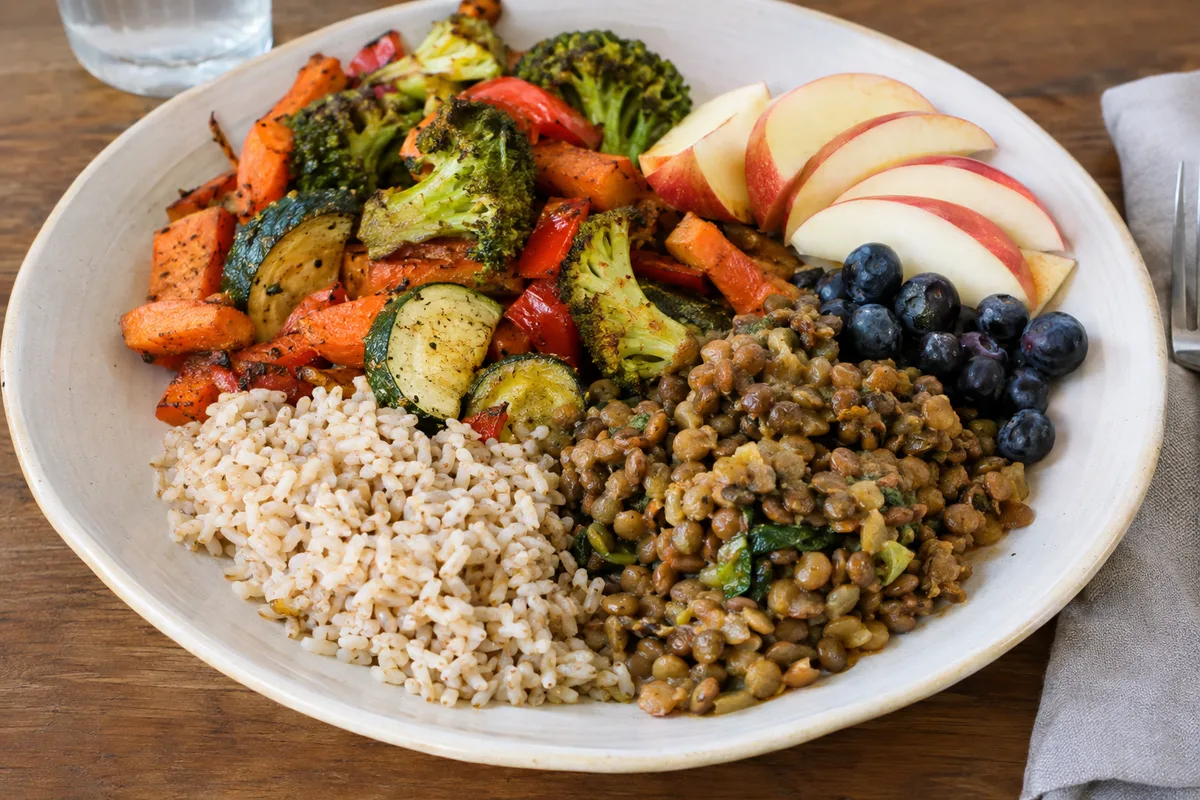
The issue is not necessarily that a food is unhealthy or unsuitable forever. Your digestive system may simply be responding to a larger amount, a different cooking method or several new foods introduced together. Looking at what changed is often more useful than labelling one ingredient as bad.
- Compare your current meals with what you ate before the symptoms began
- Notice whether several high-fibre foods were added at the same time
- Record portion size, cooking method and meal timing alongside the food
- Track symptoms in neutral terms, including when they started and how long they lasted
Fibre may have increased too quickly
Fibre adds bulk and helps food move through the gut, but a sharp increase may feel uncomfortable. Gut microbes also break down some types of fibre, producing gas in the process. The amount that feels comfortable depends on the person and what they usually eat.
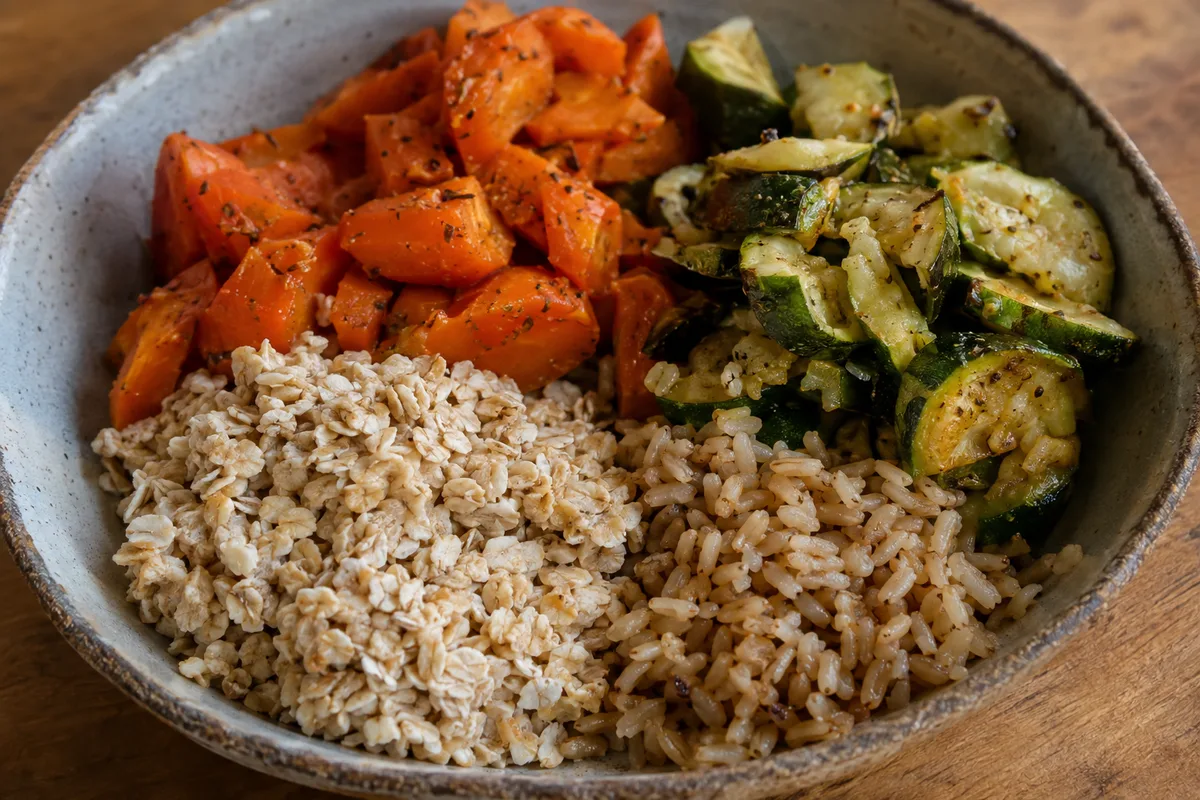
A gentler approach is to increase fibre step by step rather than changing every meal at once. Fluids also matter because fibre holds water, although individual needs vary with activity, weather and the rest of the diet. Cooked vegetables, softer fruits and well-cooked grains may feel easier than large servings of raw or very coarse foods.
- Add one higher-fibre food at a time
- Begin with a smaller portion and note how it feels
- Choose cooked vegetables before trying a large raw salad
- Spread fibre-rich foods across the day instead of concentrating them in one meal
Some nutritious foods produce more gas
Beans, lentils, onions, garlic, some vegetables and certain fruits can be broken down by gut microbes. Gas is a normal result of this process, but larger amounts can cause pressure or discomfort. Combining several of these foods in one bowl may be harder to tolerate than eating a modest portion of one.
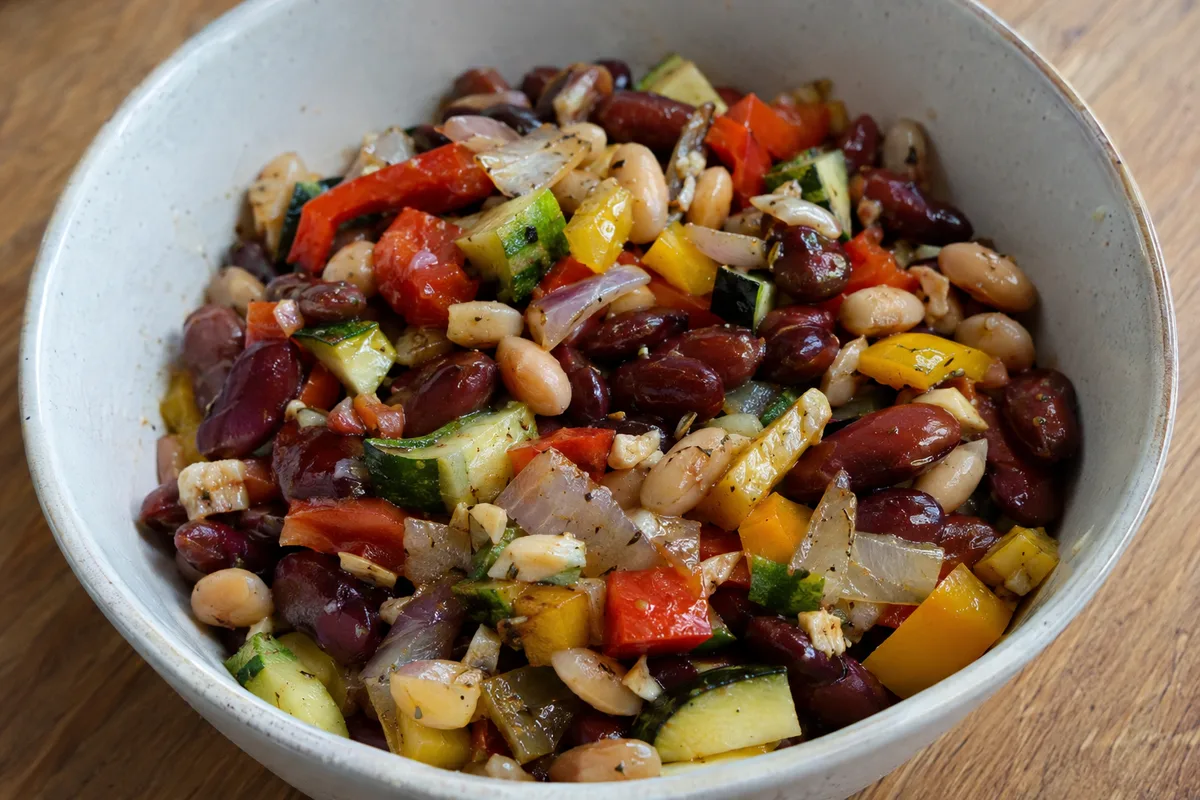
Your tracker can help reveal whether the total combination matters more than a single ingredient. For example, a meal containing pulses, onion, garlic and a large serving of vegetables has several possible contributors. Test one simple change at a time so that the result is easier to interpret.
- Reduce the portion rather than removing the food immediately
- Rinse canned beans or lentils before adding them to meals
- Try one pulse, vegetable or fruit change at a time
- Keep the rest of the meal familiar while checking a possible trigger
Healthy-looking products can contain hidden triggers
Protein bars, low-sugar snacks, chewing gum and some flavoured drinks may contain sweeteners that are not fully absorbed. These ingredients can draw water into the bowel or be fermented, leading to wind or loose stools. A product's healthy image does not show how comfortable it will be for you.
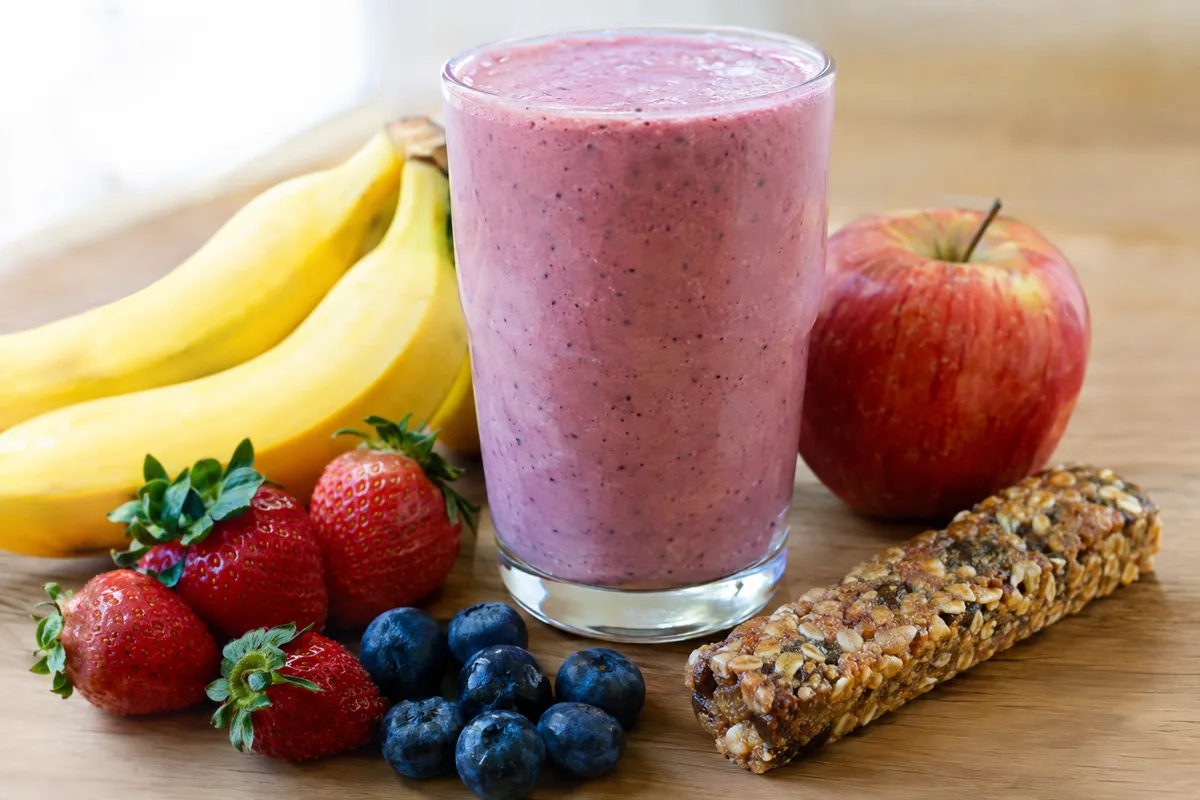
Smoothies and juices can also deliver fruit quickly and in a form that is easy to consume in a large amount. They may be swallowed faster than whole fruit and can combine several ingredients in one serving. Check your log for repeated ingredients rather than focusing only on the product name.
- Read the ingredient list for sweeteners ending in “-ol”
- Compare blended fruit with the amount of whole fruit you would normally eat
- Note added fibre ingredients such as inulin or chicory root fibre
- Check whether the same ingredient appears in several snacks and drinks
How you eat can matter as much as what you eat
Eating quickly may mean swallowing more air and noticing fullness only after a large meal is finished. Big portions, long gaps between meals and very rich combinations can also leave the stomach feeling stretched or heavy. Spicy foods, fatty meals, caffeine and fizzy drinks may add to discomfort for some individuals.

Use your food record to include the setting around a meal, not only its ingredients. Note whether you rushed, ate late, felt tense or had gone a long time without food. Patterns may become clearer when food, timing and pace are viewed together.
- Sit down and slow the pace of the meal
- Chew thoroughly before taking the next mouthful
- Try a smaller serving with more available later if needed
- Record caffeine, fizzy drinks and meal timing alongside symptoms
Make changes carefully and know when to get help
Removing many foods at once can make meals repetitive and leave you unsure which change helped. Start with the most likely pattern from your log, make one manageable adjustment and observe what happens. If symptoms settle, you can check whether portion, frequency or preparation made the difference.
Seek advice from a qualified healthcare professional if discomfort is severe, keeps returning or does not improve despite simple adjustments. Prompt advice is also important for blood in your bowel movements, repeated vomiting, difficulty swallowing, faintness, signs of dehydration or unplanned weight change. Bring your food and symptom record, as it can provide a clearer picture than memory alone.
- Choose one possible trigger from your record
- Change its portion, preparation or frequency
- Keep other meals broadly consistent while observing the pattern
- Avoid cutting out whole food groups without professional guidance