
How many calories do 15,000 steps burn?
There is no single calorie figure for 15,000 steps because distance, pace, body size and terrain all affect energy use. This guide explains how to make a sensible estimate and use it without distorting your food tracking.
What 15,000 steps tells you
A total of 15,000 steps shows how much stepping you have done, but it does not reveal an exact distance or calorie burn. Someone with a longer stride will usually cover more ground than someone with a shorter stride. Walking speed, hills and the amount you carry can also change the effort involved.
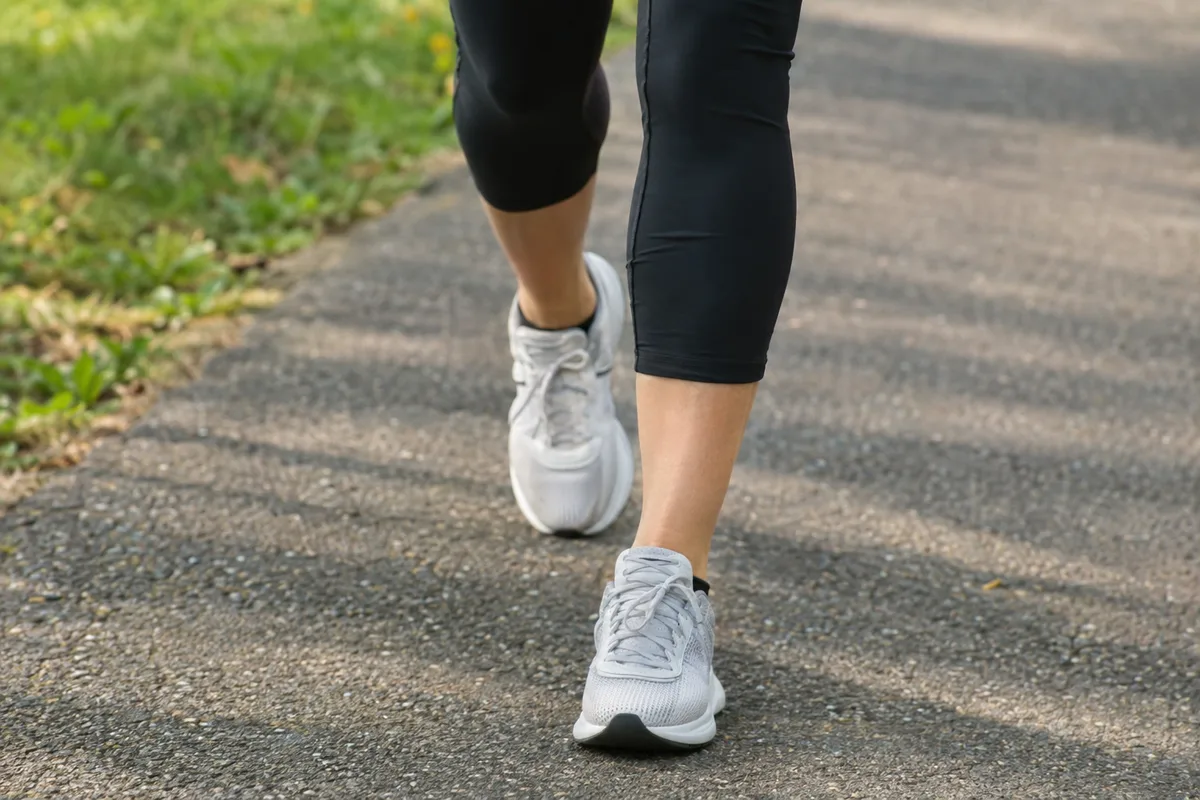
Your total may include a planned walk as well as steps taken around the house, at work or while shopping. Those short bursts still count as movement, although they may use energy differently from a continuous brisk walk. Treat the step total as an activity marker rather than a direct calorie measurement.
- Distance covered by those steps
- Average pace during the day
- Flat, uphill or uneven ground
- Body size and natural stride length
Why the calorie estimate varies
Moving a larger body over the same distance generally requires more energy, but body weight alone does not settle the calculation. Step length changes the distance represented by 15,000 steps, while pace and terrain change the effort. Fitness and walking style can affect how demanding the movement feels as well.
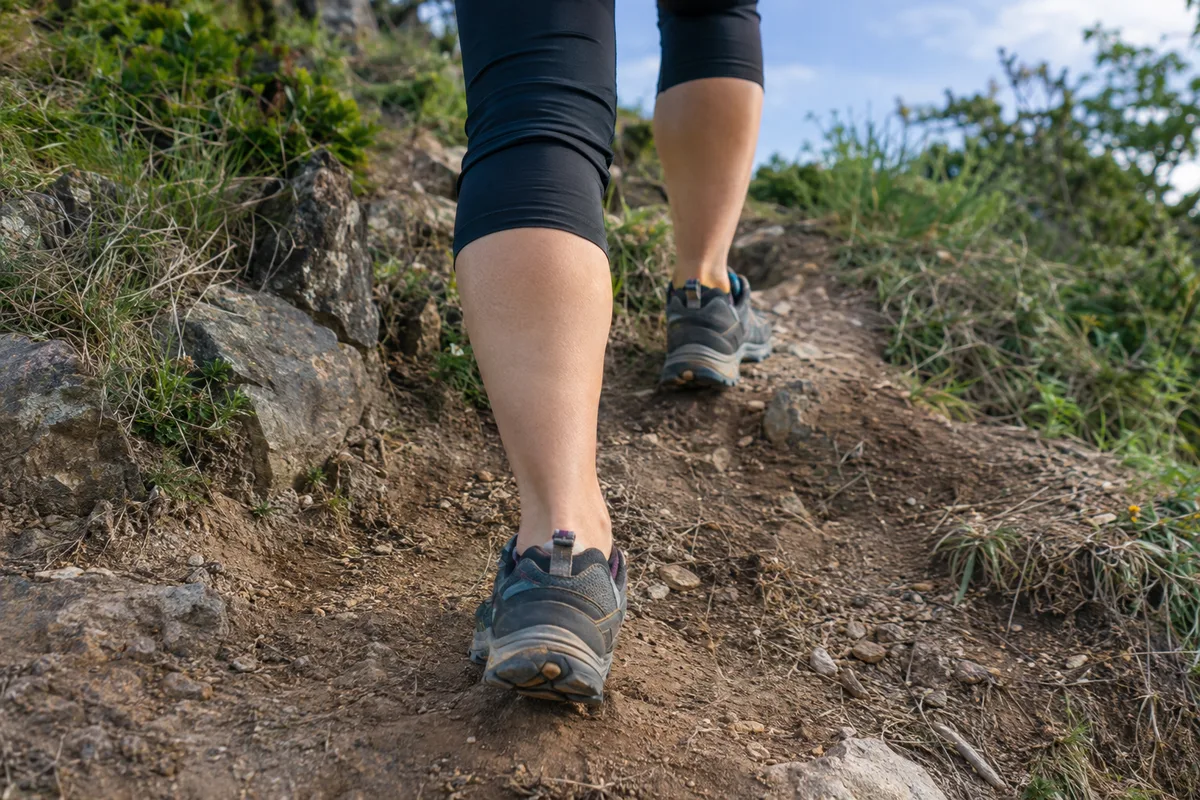
Two days with the same step count can therefore produce different calorie estimates. A relaxed day of scattered indoor steps is not identical to a purposeful outdoor walk with hills. Even a carefully calculated result remains an estimate rather than a precise measurement.
- Body weight and height
- Actual walking distance
- Speed and changes of pace
- Hills, stairs and surface
- Loads such as a backpack
How to make a useful estimate
Start with the distance you usually cover for 15,000 steps rather than relying on the step number alone. If you already record walks, compare several ordinary days and look for a typical distance. Day-to-day variation is normal, so avoid treating one result as a fixed rule.

Next, note whether the steps came from gentle daily movement, brisk walking or a mixture. Use the same estimation method each time so that your records remain comparable. Consistency is often more useful than switching between different calculators in search of the highest figure.
Keep the estimate separate from calories used simply by being alive and going through a normal day. Some activity records show movement calories, while others show a larger daily total that already includes basic energy use. Adding both figures to your food allowance can count the same energy twice.
- Find the distance linked with your usual step total
- Classify the day as gentle, brisk or mixed movement
- Use one consistent calculation method
- Check whether the result means activity energy or total daily energy
Pace and terrain change the effort
Brisk walking usually feels more demanding than strolling over the same route. Hills, stairs, soft ground and frequent changes of direction can add effort without adding many extra steps. A flat, steady route may feel easier even when the final count is identical.
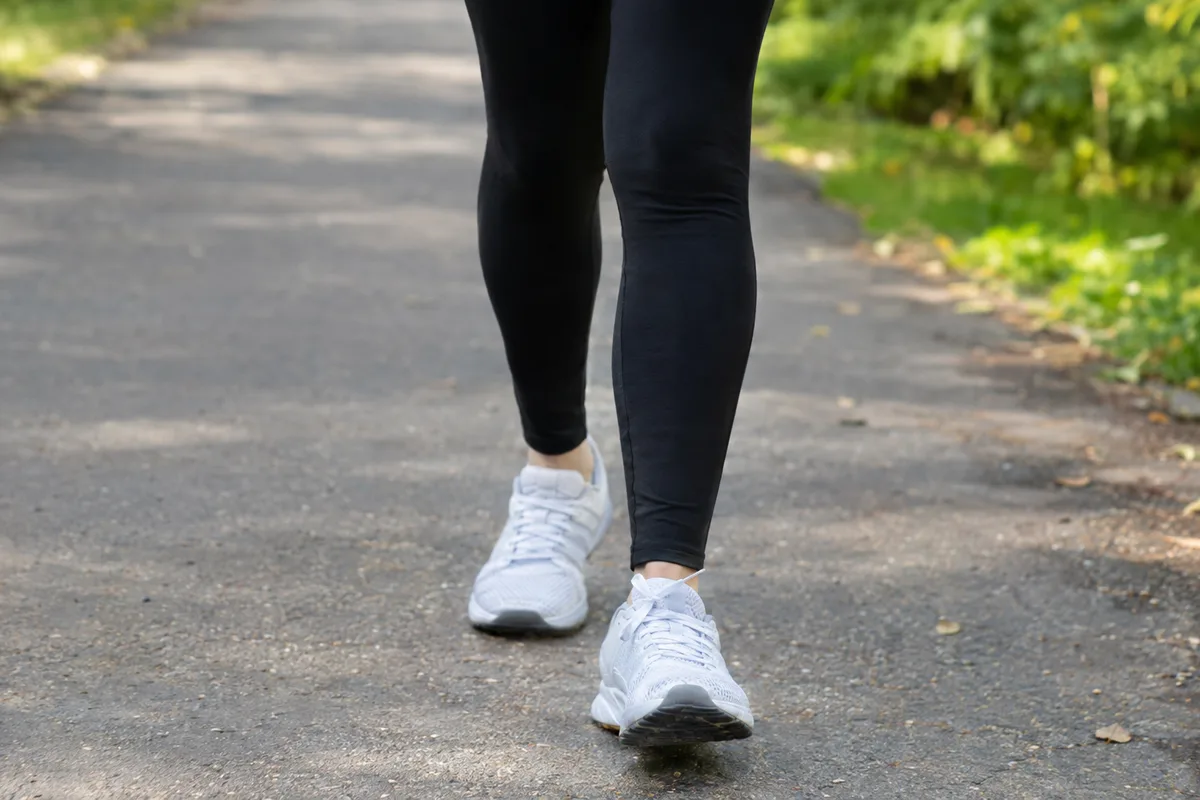
Use simple observations from the walk to add context to your log. Note whether you could talk comfortably, whether the route climbed, and whether you carried anything. These details help explain why your hunger or tiredness may differ between two 15,000-step days.
- Easy pace on level ground
- Brisk pace on level ground
- A route with sustained climbs
- Uneven ground or repeated stairs
Using the estimate with your food log
It can be tempting to add every estimated activity calorie directly to your food target. That approach can be misleading when your usual target already assumes a certain level of daily movement. It can also magnify any error in the walking estimate.
Instead, decide how your existing target handles activity. If it already reflects a typical active day, 15,000 steps may be part of that baseline rather than an extra allowance. If your steps are well above your normal routine, record the difference and review the pattern over several days.
Hunger does not always rise in step with an estimated calorie burn. Build meals around filling foods and use your log to notice what supports steady energy. The right intake depends on the person, their wider routine and their goal.
- Include a source of protein in meals
- Choose fibre-rich vegetables, fruit, pulses or wholegrains
- Add fats in portions that fit your usual target
- Drink regularly, especially around longer walks
Focus on patterns, not one day
A single 15,000-step day says little about your overall routine. Weekly patterns show whether that amount is normal for you, an occasional long day or a sudden increase. Comparing similar days makes your calorie estimates more meaningful.
Increase walking gradually if 15,000 steps is well beyond your current routine. Comfortable footwear, varied routes and easier days can make a higher step count more manageable. If your movement becomes uncomfortable, stop and reassess rather than pushing through simply to reach the number.
Use steps, distance, food intake and how you feel as separate pieces of information. None is perfectly precise on its own, but together they can show useful trends. Keep your method consistent and adjust only when your longer-term records give you a clear reason.
- Compare step totals across several weeks
- Separate typical days from unusually active days
- Keep notes on pace, terrain and comfort
- Review trends rather than chasing an exact burn