
Is 200 Grams of Protein a Day Safe?
A daily total of 200 grams can be reasonable for some adults but unnecessarily high for others. Here is how to assess that number using your food log, your usual routine and the balance of your diet.
The number alone cannot answer the question
Protein helps maintain and repair body tissues, and it supports many everyday processes. However, reaching 200 grams does not automatically make a diet healthier or more effective. Safety and suitability depend on the person, not simply on whether the total looks high.

Body size, activity, training demands, age and personal health circumstances all affect protein needs. A larger person doing demanding strength training may have a different reason for eating 200 grams than a smaller, less active person. For many adults, the same amount may leave little room for other useful foods.
It also matters whether 200 grams is an occasional total or the target every day. Your food log can show whether it fits naturally into balanced meals or requires constant use of highly concentrated protein sources. A qualified dietitian or doctor can help if you are unsure how your circumstances affect a suitable target.
Compare the target with your own needs
Instead of treating 200 grams as a universal goal, consider why you chose it. It may have come from a fitness plan, an online calculator or a target based on body weight. Those starting points can differ because they make different assumptions about activity and goals.
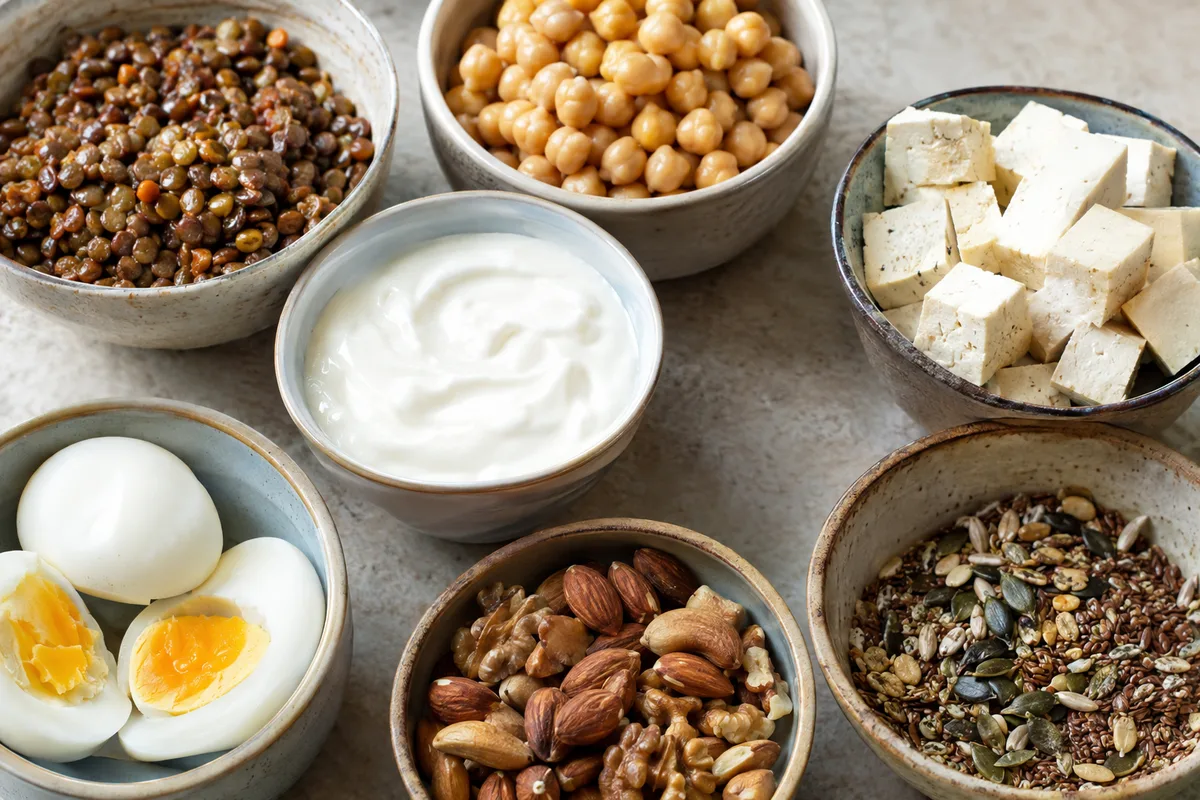
More protein is not always more useful. Once your diet provides enough for your needs, adding extra does not guarantee more muscle, faster recovery or a particular change in body weight. Progress also depends on training, rest, total energy intake and the rest of your diet.
Look at your recent records before changing the target. If you are already eating varied meals and progressing towards your goal, a large increase may not be necessary. Any appropriate amount depends on the person rather than on a single headline figure.
- Write down the reason for your protein target.
- Check whether the target reflects your current body size and activity.
- Review your average intake rather than one unusually high day.
- Consider whether the target supports your goal without crowding out other foods.
Check what makes up the 200 grams
The source of the protein matters because foods bring more than protein alone. Beans and lentils can add fibre, while dairy foods may provide calcium and fish, eggs, meat or soya foods contribute different nutrients. A varied mix is more useful than repeatedly choosing one source simply because it is easy to log.
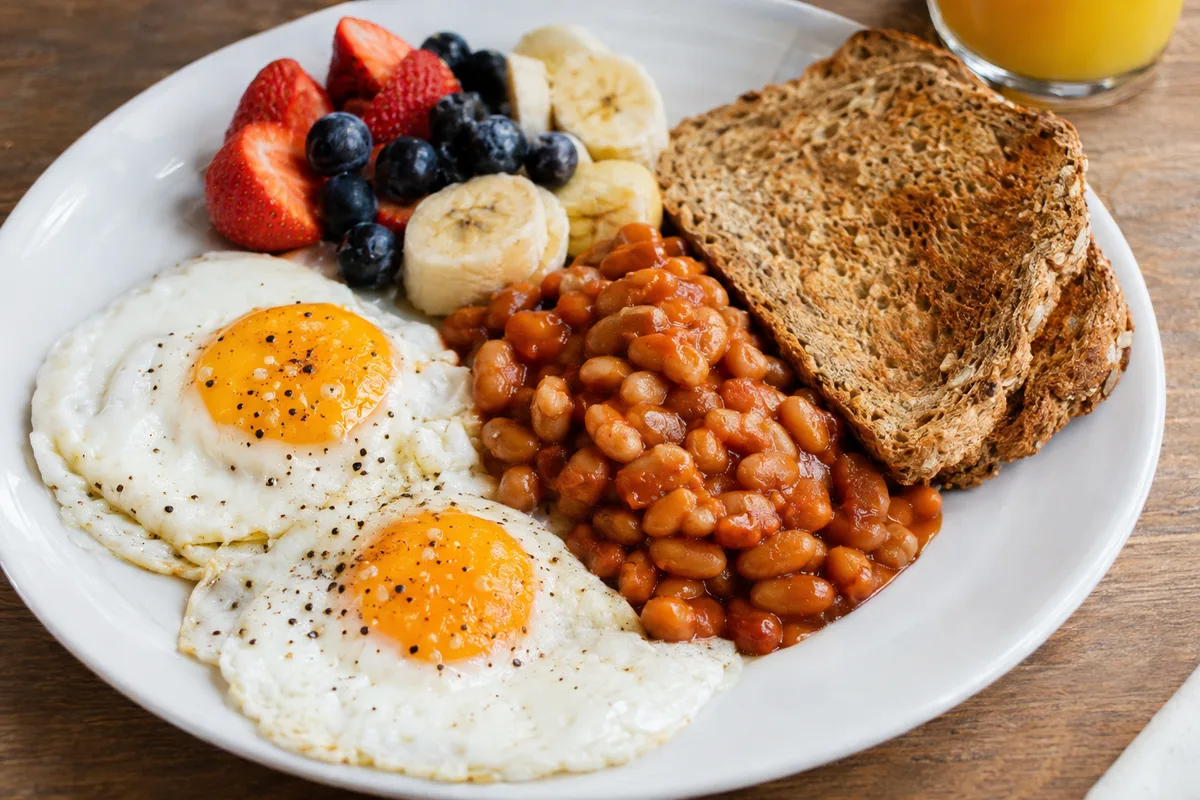
A high protein total can become less balanced if most of it comes from foods that are low in fibre or if fruit, vegetables and carbohydrate foods are pushed aside. Carbohydrate can support demanding activity, while dietary fat helps with several normal body functions. Protein should sit within the diet rather than replace whole food groups.
Your tracker may highlight protein prominently, but it cannot always show how satisfying, varied or practical your meals are. Read the full day rather than focusing on one number. Notice whether your meals include plants, sources of carbohydrate, dietary fat and enough fluids alongside protein.
- Beans, lentils, chickpeas and peas
- Eggs, fish, poultry and lean meat
- Milk, yoghurt and cheese
- Tofu, tempeh and other soya foods
- Nuts and seeds
Spread protein across the day
Eating most of the day’s protein in one sitting may feel uncomfortable and can make the target harder to sustain. Dividing it between meals and snacks usually makes food choices simpler. It also lets protein accompany other foods rather than dominate the plate.
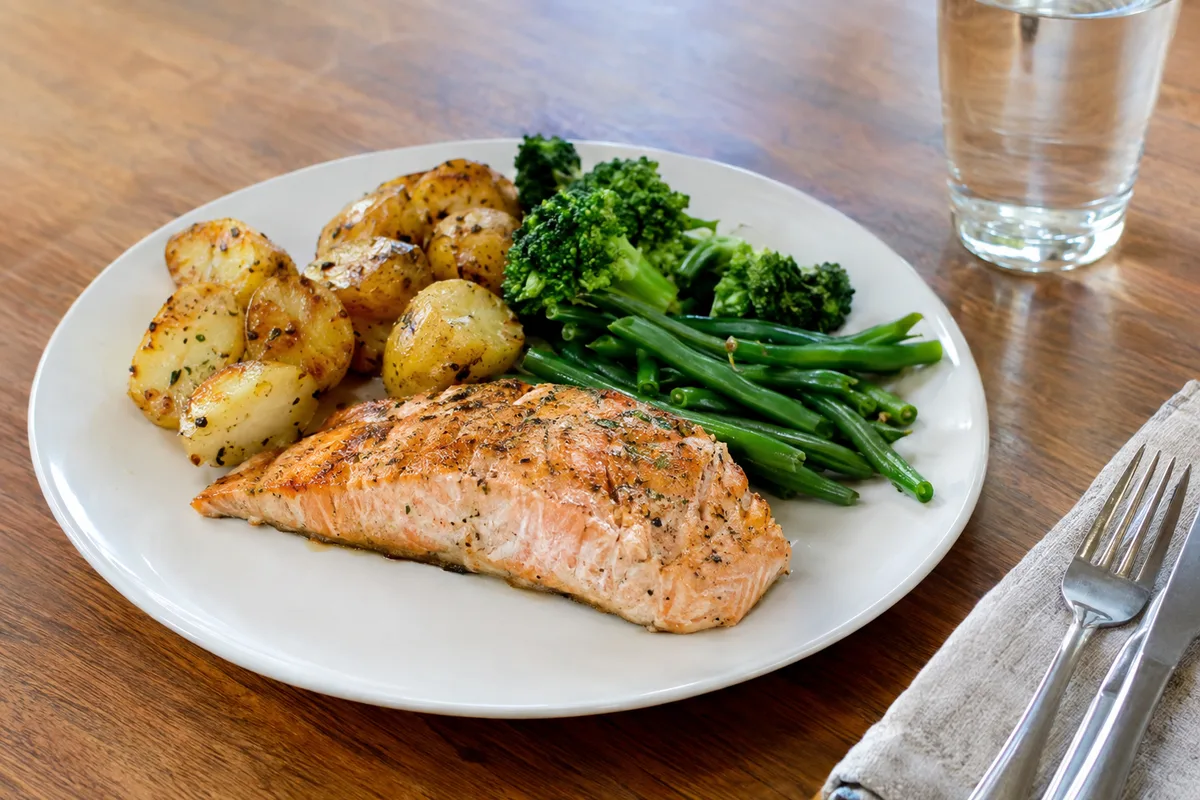
Start with your normal meal pattern instead of building every meal around a very large portion. Add a suitable protein food, then include vegetables or fruit, a carbohydrate source and some dietary fat where appropriate. Portion sizes should follow your appetite, activity and personal target.
Spreading intake does not mean every meal must contain exactly the same amount. A practical pattern matters more than perfect arithmetic. Use your log to spot long gaps, unusually heavy meals or repeated reliance on shakes and bars.
- Include eggs, yoghurt or beans with breakfast.
- Add fish, poultry, tofu or pulses to lunch.
- Build dinner around a moderate serving of protein plus plant foods.
- Choose a protein-containing snack only when it fits your hunger and daily total.
Pay attention to how the diet feels
A target may look achievable in an app but feel very different in daily life. Large protein portions can affect appetite, meal enjoyment and digestion, especially when intake rises suddenly. Your experience is useful information alongside the numbers.
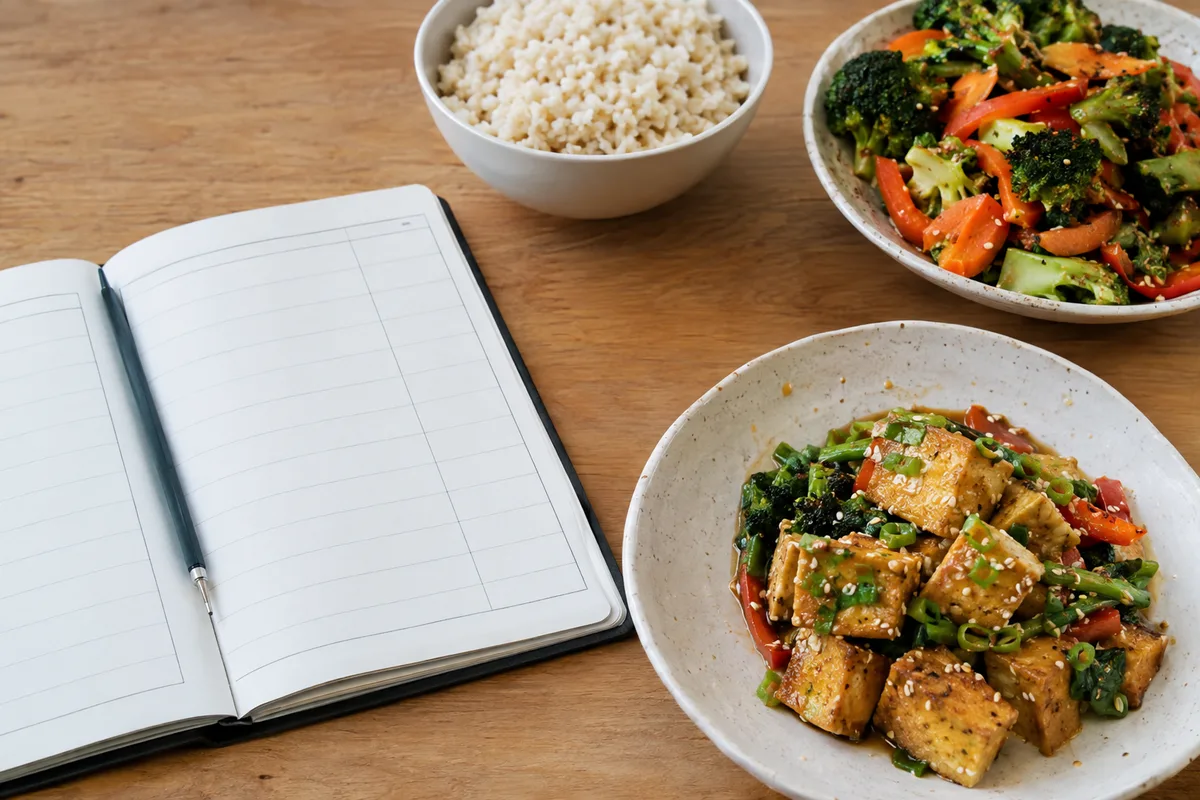
Notice persistent changes such as discomfort, unusual thirst, difficulty passing stools or feeling too full to eat a varied diet. These do not prove that protein is the cause, but they are reasons to review the overall pattern. Fibre, fluids, meal size and the particular foods chosen can all play a part.
Extra care is sensible if you have previously been told that your kidney or liver function needs monitoring, if you are pregnant, or if you have been given specific dietary limits. In those situations, a general protein target from an app may not be appropriate. Seek individual guidance from a qualified health professional rather than making a large change alone.
- Increase intake gradually rather than making an abrupt jump.
- Keep fibre-rich foods in your meals.
- Drink according to thirst and your activity demands.
- Record comfort, hunger and meal satisfaction alongside protein.
Use your food log to reach a sensible decision
Review several ordinary days and find out where your protein is coming from. Check whether the total is consistent or driven by one unusually high meal, supplement or weekend routine. This gives you a clearer picture than judging a single day.
Next, look beyond protein. Consider whether you are eating a useful range of plant foods, whether meals support your training or daily activity, and whether the pattern is enjoyable enough to maintain. A target that makes your diet narrow or uncomfortable deserves another look.
Two people can record the same protein total and have very different diets. For one person, 200 grams may fit a well-planned routine; for another, it may be unnecessary or unsuitable. The safest conclusion comes from matching the number to your body, goals, food choices and personal guidance.
- Review several typical days in your tracker.
- Identify the foods contributing most of the protein.
- Check fibre, variety and overall meal balance.
- Ask whether 200 grams serves a clear purpose.
- Get personalised advice when health circumstances affect your diet.