
Does the Ornish Diet Really Work?
The Ornish diet is a plant-focused, very low-fat way of eating that is usually part of a broader lifestyle programme. Here is how it works, what food tracking can reveal and why results depend on more than following a food list.
What the Ornish diet actually involves
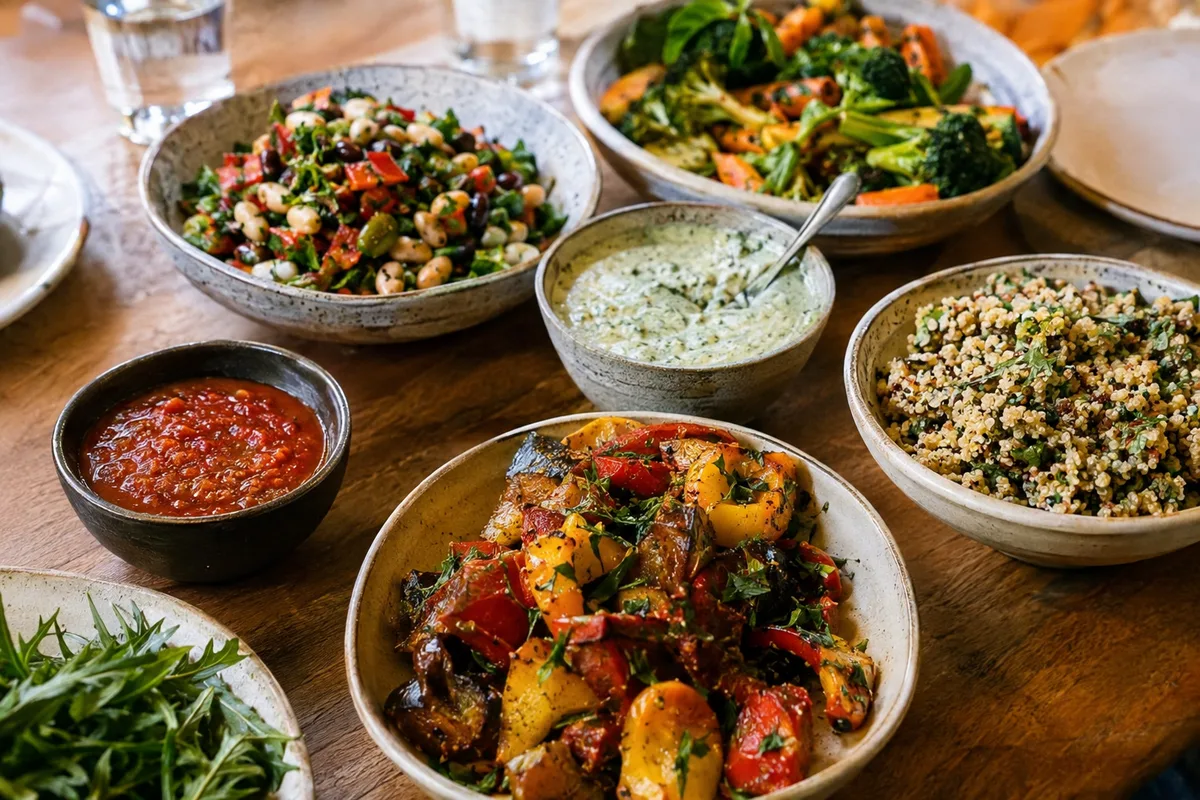
The Ornish diet centres on vegetables, fruit, whole grains, beans and other minimally processed plant foods. Its strict form keeps added fats very low and limits foods such as meat, full-fat dairy products and refined carbohydrates. Some versions include egg whites and low-fat or fat-free dairy foods.
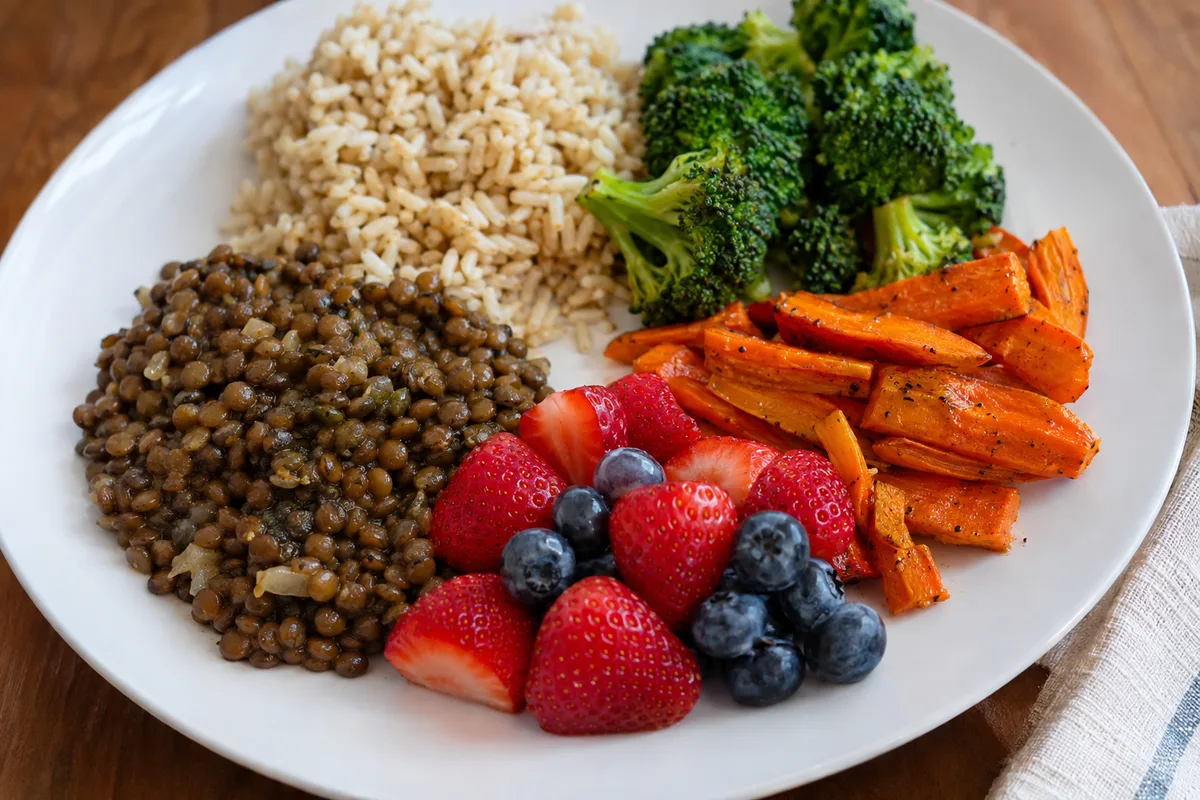
The original approach is broader than diet alone. It also includes regular movement, ways to manage stress and an emphasis on supportive relationships. This matters when judging the evidence, because results from the full programme cannot automatically be credited to its food rules alone.
- Eat vegetables and fruit throughout the day
- Choose beans, lentils and whole grains regularly
- Keep oils, butter and other concentrated fats low
- Limit meat and full-fat dairy foods
- Include movement, rest and social support as part of the wider approach
What does 'work' mean for you?
A diet can work in several different ways. You might want it to make meal planning simpler, improve the overall quality of your food, support a change in body weight or help with particular health measurements. The Ornish approach may affect each goal differently.
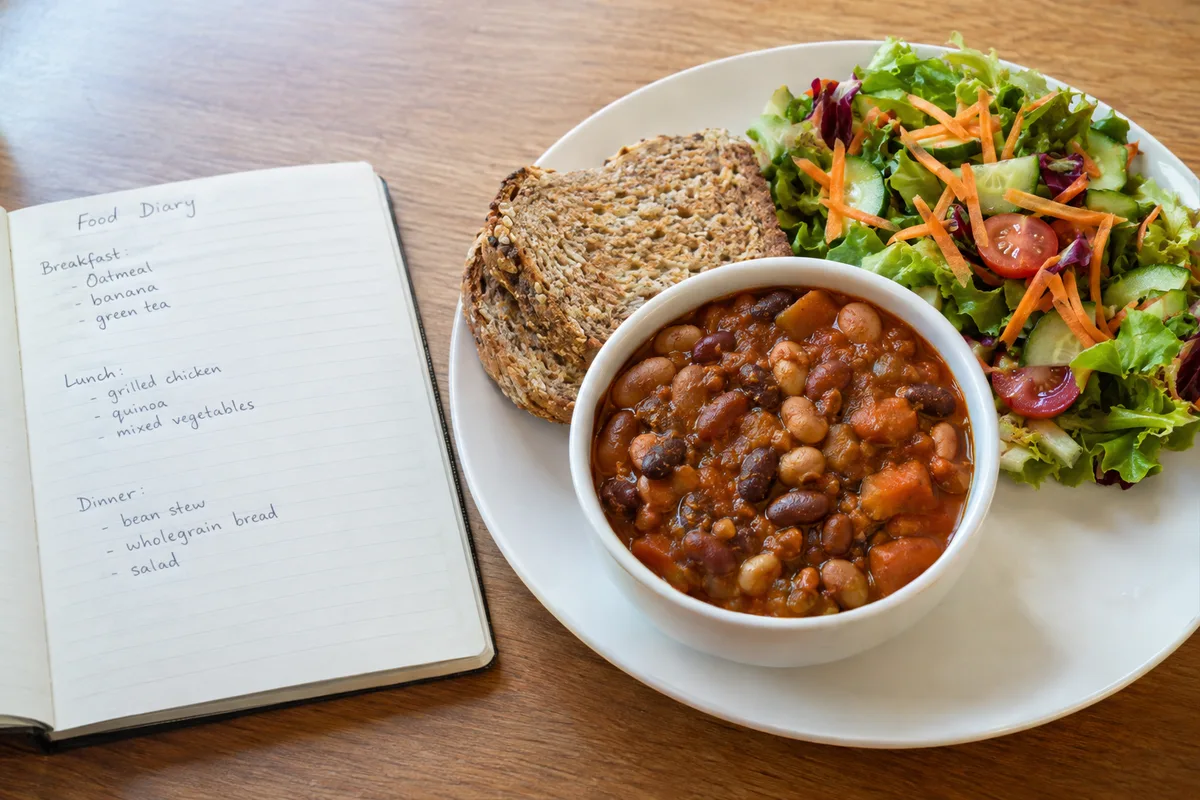
Research on structured Ornish programmes has reported changes in body weight and some health measurements. However, these programmes can involve close guidance and several lifestyle changes at once. Your result will depend on your starting point, food choices, portions, routine and ability to maintain the approach.
- Decide which outcome you are tracking
- Choose measurements that relate to that outcome
- Record how filling and practical meals feel
- Review trends over time rather than one day
- Separate changes in food from changes in movement or routine
How it can change your calorie intake
Plant foods such as vegetables, fruit, beans and cooked whole grains often provide plenty of food volume and fibre. Replacing fatty foods with these choices may reduce calorie intake without requiring smaller-looking meals. That can support weight change if you consistently take in less energy than your body uses.
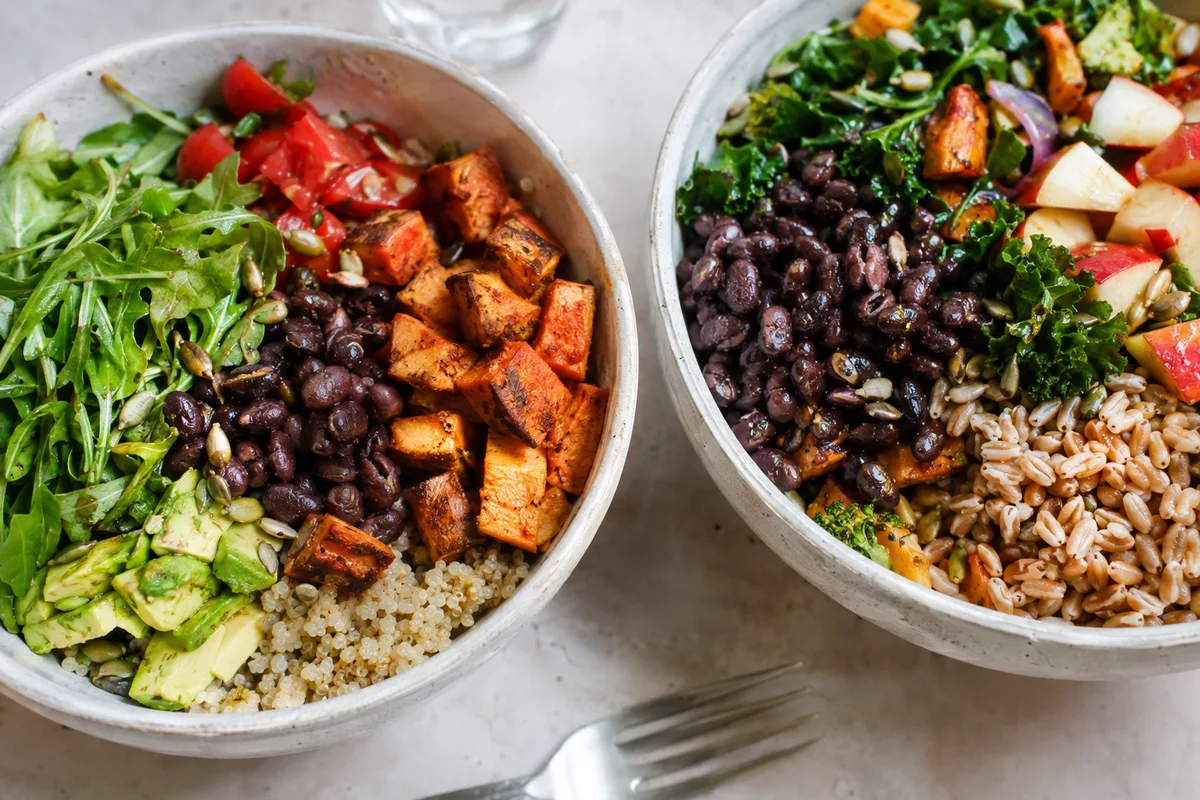
Low fat does not automatically mean low calorie. Large portions of bread, pasta, dried fruit, sweetened foods or low-fat snacks can still add up, while drinks may be easy to overlook. Your existing food log can show whether the approach actually changes your average intake.
- Compare similar periods before and after the change
- Check portions of grains, bread and dried fruit
- Include drinks, sauces and small extras in your log
- Notice whether hunger leads to extra snacking
- Look at average intake rather than isolated high or low days
Nutritional strengths and possible gaps
A well-planned Ornish-style menu can provide plenty of fibre, varied plant foods and useful sources of carbohydrate. Beans, lentils, whole grains and vegetables can make meals substantial rather than simply removing foods. Variety is important because no single plant food covers every nutritional need.
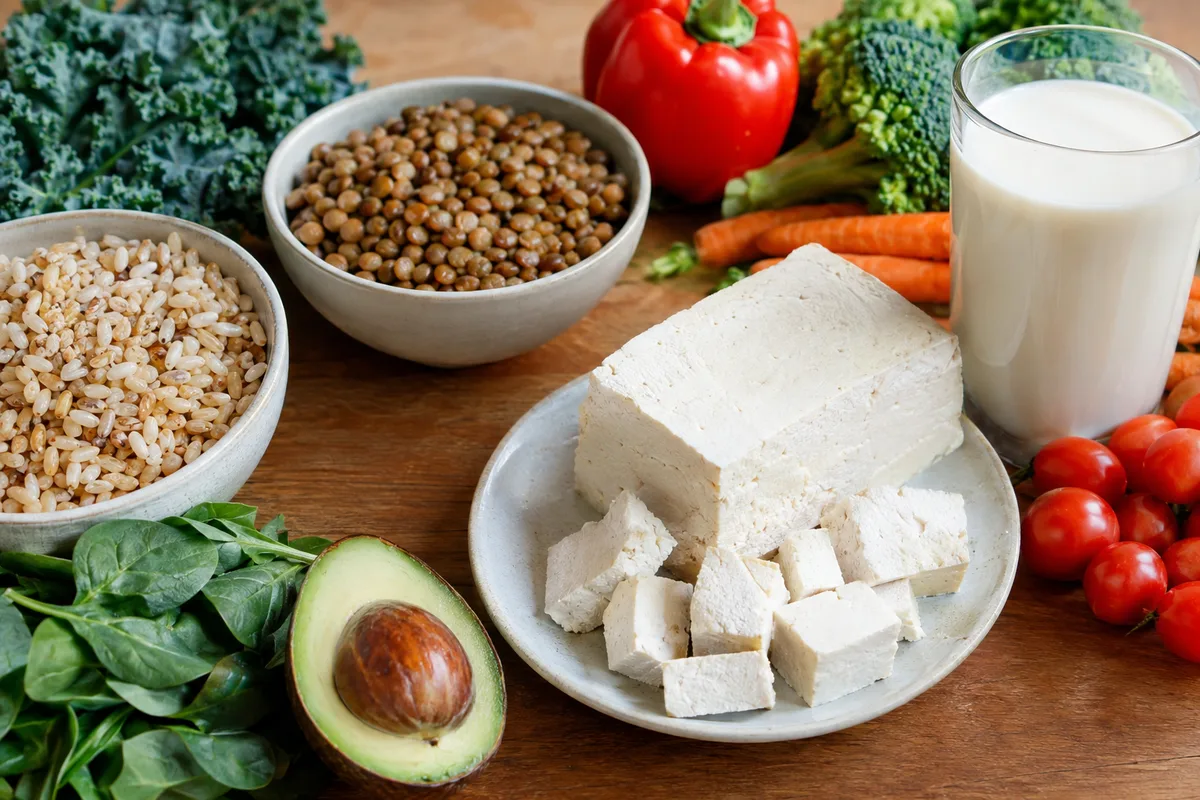
The strict version can make it harder to obtain enough protein, essential fats and certain vitamins and minerals unless meals are planned carefully. Very low-fat meals may also feel less satisfying for some readers, particularly when portions are small. A registered dietitian can help adapt the pattern if your needs are complex or your food choices are limited.
- Use beans, lentils, tofu or other soya foods as meal foundations
- Vary whole grains rather than relying on one type
- Include permitted sources of essential fats thoughtfully
- Choose fortified foods where they fit your eating pattern
- Track protein and key nutrients as well as calories
Why the strict version can be difficult to maintain
The main challenge is not understanding the rules but living with them. Restaurant meals, shared cooking and celebrations often contain more added fat than the strict plan allows. A pattern that repeatedly leaves you hungry or isolated is unlikely to feel workable for long.
Some readers may prefer the clear boundaries, while others may do better with a more flexible plant-focused pattern. The most useful test is whether you can follow it consistently without turning every meal into a negotiation. A less strict version may still improve food quality, although it is no longer the full Ornish programme.
- Plan filling meals before cutting familiar foods
- Keep simple bean, grain and vegetable options available
- Decide how you will handle meals away from home
- Avoid treating one different meal as failure
- Adjust the level of restriction if it disrupts everyday life
So, does it really work?
The Ornish diet can work as a structured way to eat more whole plant foods and less saturated fat. It may also support a lower calorie intake when higher-calorie foods are replaced rather than simply joined by extra low-fat foods. It does not guarantee a particular result, and the amount of change depends on the person.
Remember that the best-known Ornish approach combines food with movement, stress management and social support. If you try it, use your food records to assess nutrition, hunger, enjoyment and consistency alongside any outcome you care about. That will tell you more than the diet's label or a single day of perfect tracking.
- Define what success means before starting
- Track enough detail to spot genuine patterns
- Review hunger, energy and enjoyment regularly
- Judge the whole routine, not only the fat total
- Choose an approach you can maintain