
How to Build an Easy Meal Plan for Weight Loss
A practical meal plan can reduce daily decisions while helping you manage your energy intake. This guide explains how to turn foods you already track into flexible breakfasts, lunches, dinners and snacks.
What makes a meal plan easy to follow
An easy meal plan is built around your normal routine rather than an ideal week that rarely happens. It uses familiar foods, manageable preparation and enough flexibility for changes of plan. The number of meals and snacks you include depends on your appetite, schedule and calorie target.
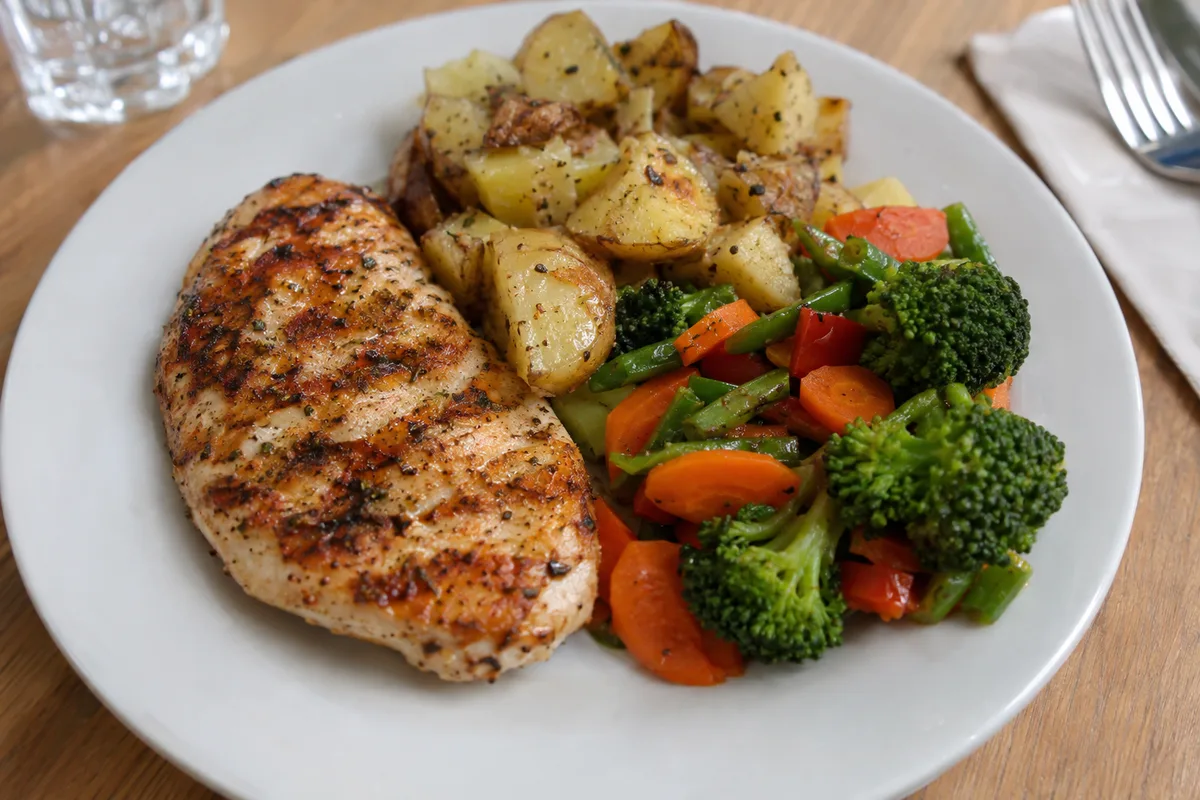
For weight loss, your average energy intake needs to be lower than the energy your body uses. Your tracker can help you see how meals fit within your chosen target, but the plan should still feel practical and satisfying. A plan that leaves you constantly hungry or requires complicated cooking is unlikely to make daily life easier.
- Choose meals you already enjoy
- Repeat a few breakfasts and lunches
- Allow space for snacks or drinks you value
- Keep some quick meals for busy days
Use your existing food log as a starting point
Look back through your recent entries and find meals that worked well for you. Notice which ones kept you comfortable until the next meal, were easy to track and fitted your target without awkward adjustments. These are strong candidates for your meal plan because they already suit your habits.
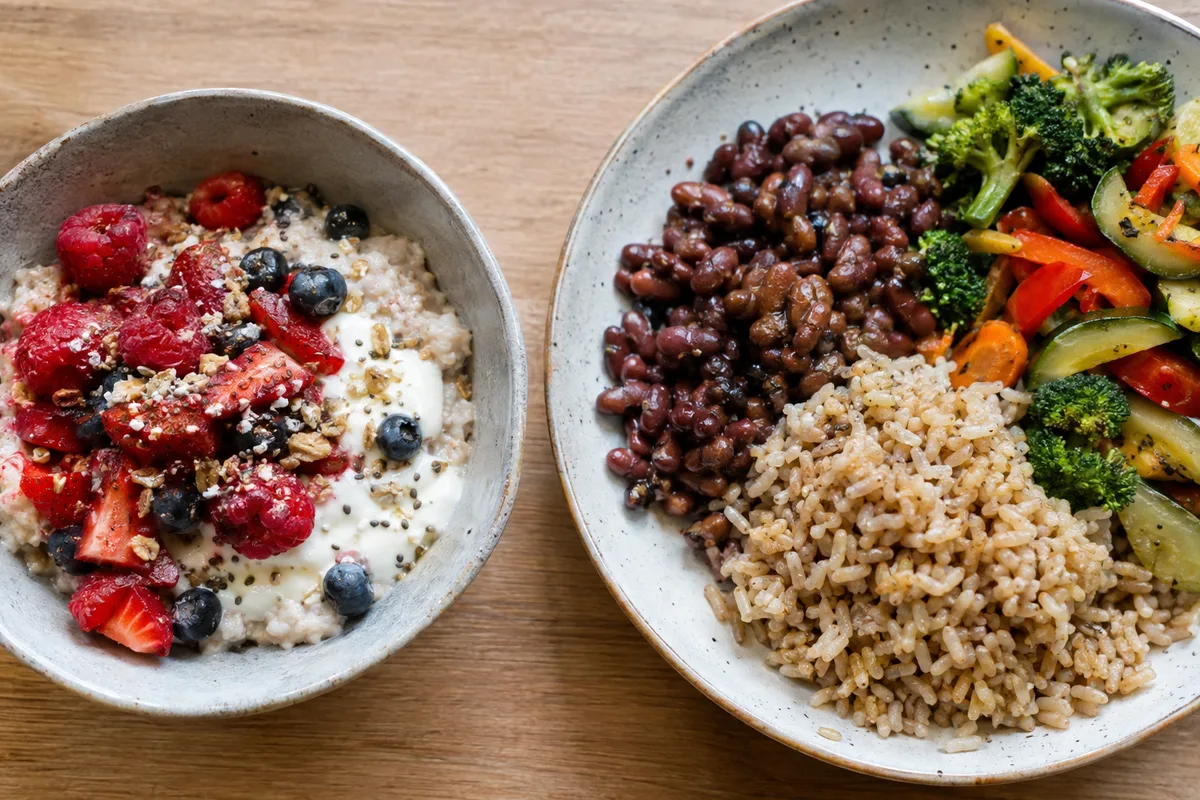
Also look for entries where calories rose without making the meal much more filling. Large amounts of oils, dressings, cheese, creamy sauces and snack foods can add energy quickly. You do not have to remove them, but tracking them accurately makes it easier to choose portions that fit the rest of the day.
- Mark meals you would happily eat again
- Check which ingredients contributed most of the calories
- Notice when hunger tends to appear
- Save useful meals or recipes in your tracker
- Identify entries that are often forgotten, such as cooking oil or drinks
Build meals from a simple pattern
A straightforward meal can start with a protein-rich food, a source of carbohydrate and fruit or vegetables. Protein and fibre can help make meals more satisfying, while carbohydrate foods provide energy and variety. Fat also belongs in a balanced plan, although it is worth tracking carefully because it provides about 9 kcal per gram, compared with about 4 kcal per gram from protein or carbohydrate.
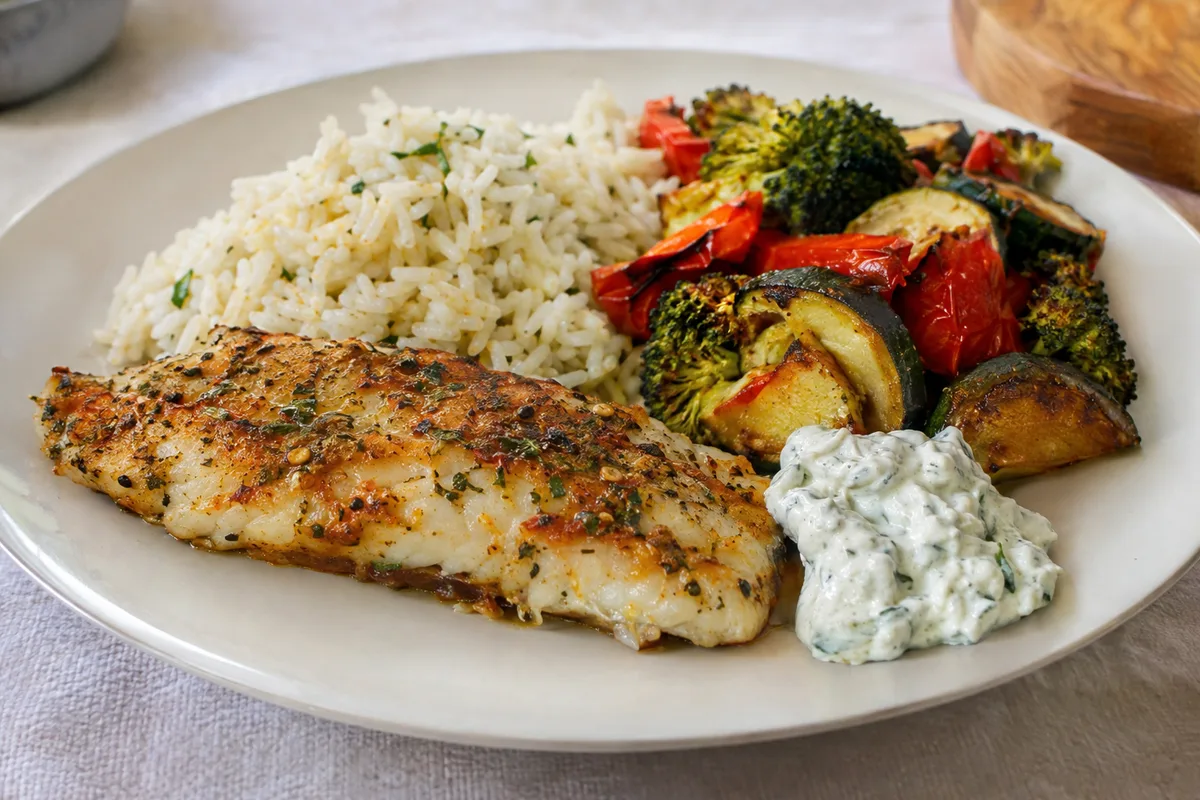
There is no single correct portion for each part of the meal. Your portions depend on your calorie target, appetite, activity and what else you plan to eat that day. Entering the ingredients before cooking can show whether the meal fits or needs a small change.
- Protein: eggs, fish, chicken, tofu, beans or yoghurt
- Carbohydrate: potatoes, rice, pasta, oats or bread
- Fruit and vegetables: fresh, frozen, tinned or cooked
- Flavour and fat: oil, cheese, nuts, seeds, dressing or sauce
Create a flexible weekly outline
Planning does not require seven completely different days. Choose a small set of breakfasts and lunches, then rotate several evening meals according to your schedule. Repeating meals also makes logging quicker because saved entries only need checking for portion or ingredient changes.
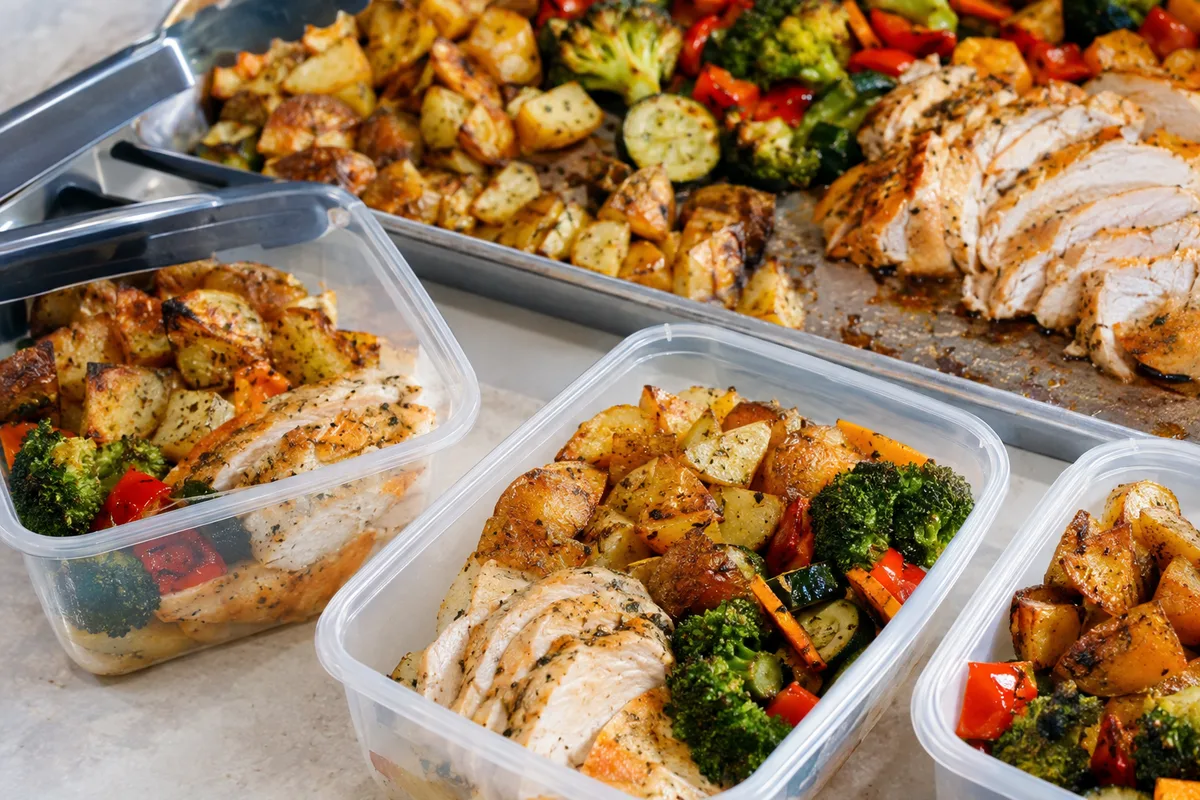
Plan around the days that are hardest to manage. A quick dinner may be more useful on a late evening, while a meal that creates leftovers can cover the following lunch. Keep at least one flexible slot for eating out, using leftovers or changing your mind.
- Select a few repeatable breakfasts
- Choose lunches that can be packed or assembled quickly
- Match longer recipes to quieter days
- Use leftovers in a planned meal rather than as an extra
- Leave room for one change of plan
Make meals easier to prepare and track
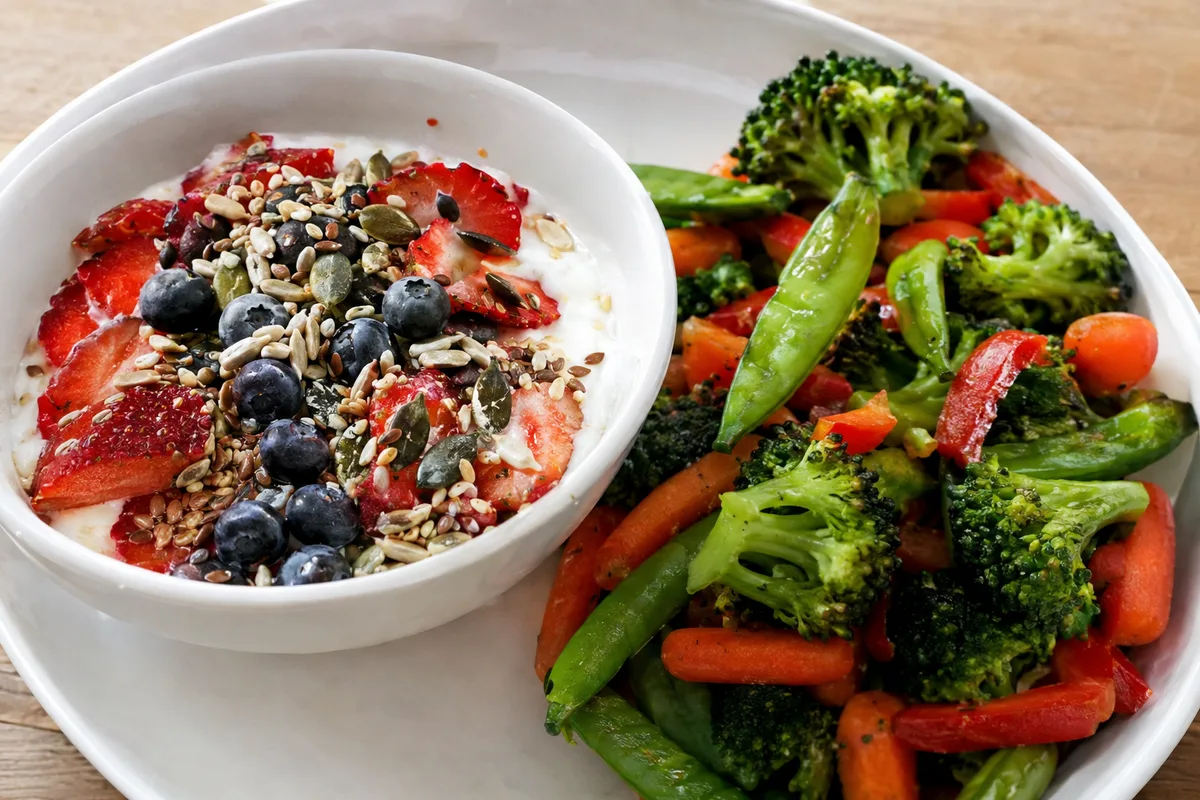
Simple preparation can prevent the plan from becoming another demanding task. Cook versatile ingredients that can appear in more than one meal, such as roasted vegetables, rice, potatoes or a protein-rich main ingredient. Store them safely and combine them with different seasonings or sauces so the meals do not all taste the same.
For accurate tracking, record the food in the form that matches the database entry, such as cooked or uncooked. Check labels when using packaged foods because similar products may have different values. Recipes shared across several servings are easier to log when all ingredients are entered first and then divided by the actual number of servings.
- Prepare ingredients rather than several identical full meals
- Save regular recipes in your tracker
- Keep serving sizes consistent with the saved entry
- Update the log when you change an ingredient
- Include oils, sauces, toppings and drinks
Review the plan without overcorrecting
Treat the first version as a draft. After following it for a while, review your log alongside hunger, energy, enjoyment and how easily the meals fitted your routine. Body weight can vary from day to day, so look at the broader direction rather than reacting to one reading.
If progress is not moving in the direction you intended, check logging accuracy before making large changes. Small adjustments might include changing a portion, using less oil, choosing a more filling snack or adding vegetables to a meal. The right adjustment depends on your current intake and circumstances, so avoid cutting food simply because one day did not go to plan.
- Keep meals that are satisfying and convenient
- Replace meals that regularly leave you hungry
- Check overlooked extras before reducing main meals
- Change one or two things at a time
- Allow for celebrations, travel and busy days