
CICO Diet Myths and Facts: What Energy Balance Really Means
CICO describes the relationship between energy eaten and energy used, but the basic idea is often oversimplified. This guide separates common myths from useful facts and shows how to apply the principle to food tracking.
What CICO actually means
CICO stands for calories in, calories out. Calories in come from food and drink, while calories out include the energy your body uses to keep you alive, digest food and support movement. The phrase is a simple description of energy balance rather than a complete eating plan.
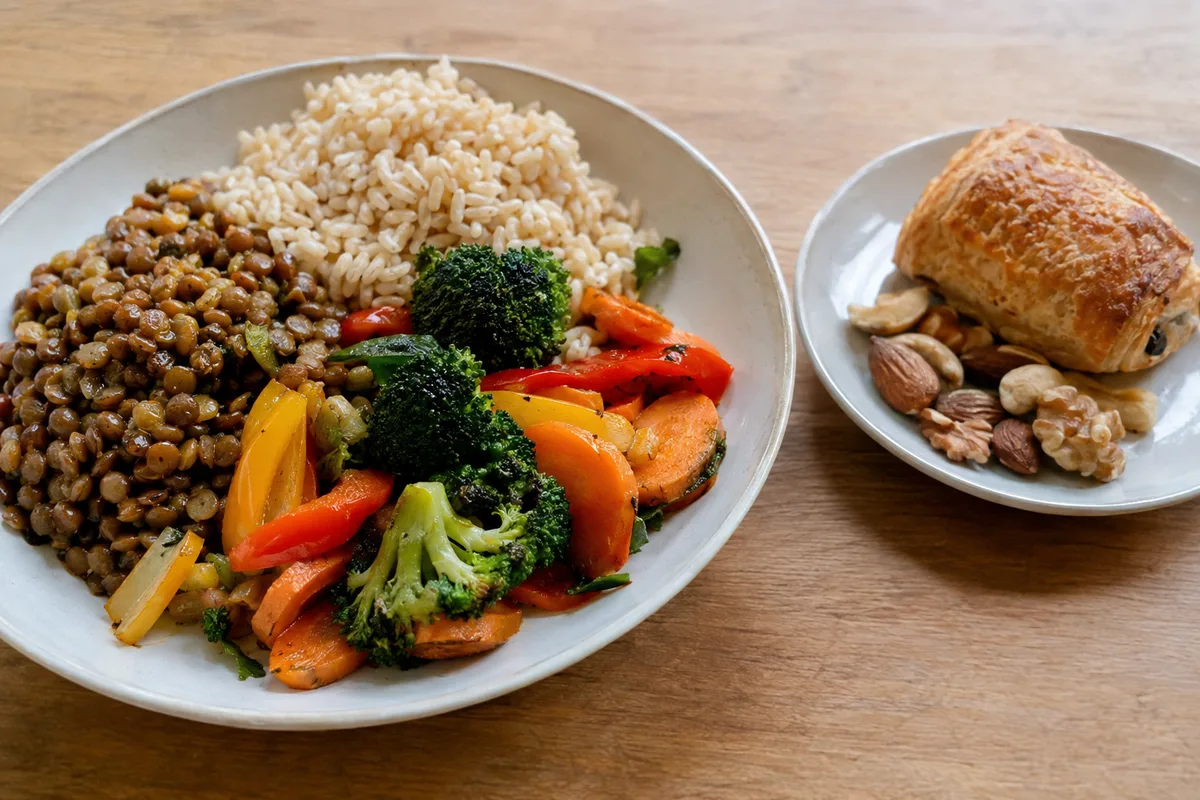
The basic principle is that changes in stored body energy depend on the balance between intake and expenditure over time. That does not mean either side of the equation can be measured perfectly. Appetite, daily routines, food choices and natural changes in energy use all affect how the principle plays out in real life.
- Myth: CICO is a specific menu with fixed foods.
- Fact: It is a way of describing energy balance.
- Myth: The calculation is exact from day to day.
- Fact: Both intake and expenditure are estimates.
A calorie is a unit, but foods are not identical
A calorie is a unit of energy, so the same number always represents the same amount of energy. However, foods that provide similar energy can differ greatly in protein, fibre, fat, vitamins, minerals and volume. They can also feel very different in terms of fullness and satisfaction.
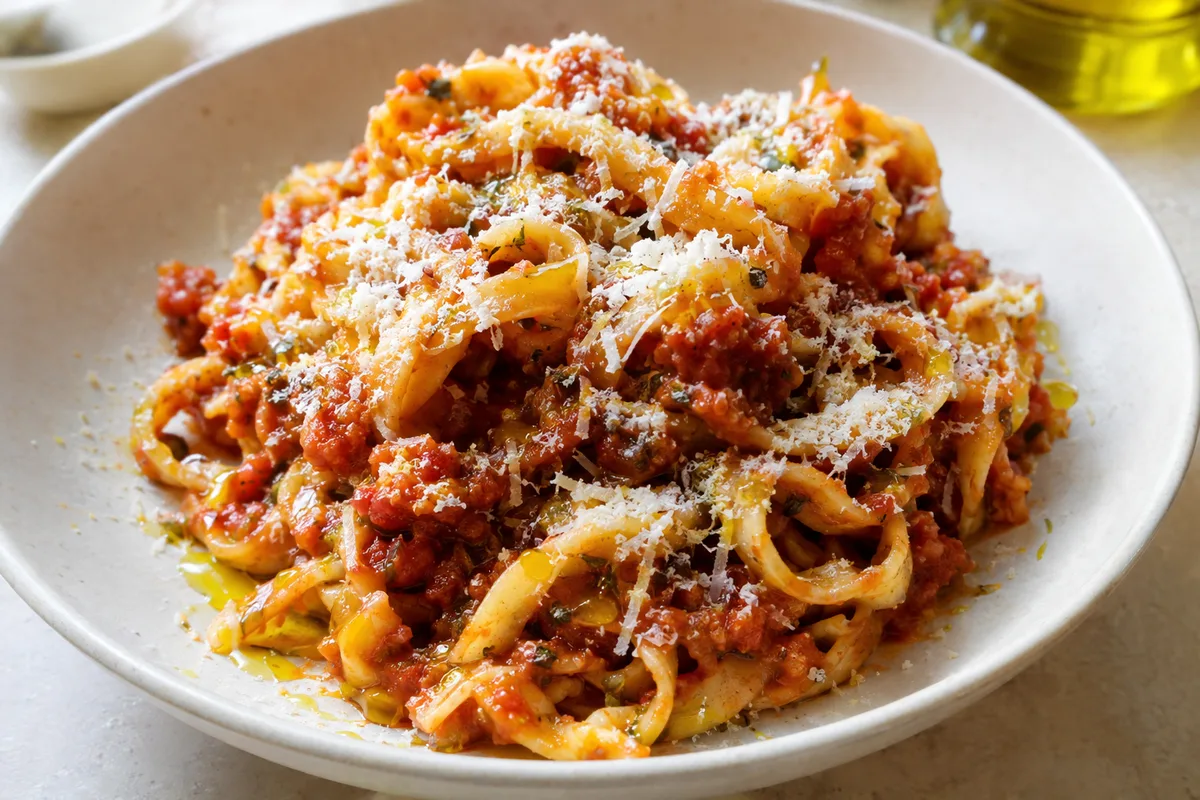
Protein and carbohydrate each provide about 4 kcal per gram, while fat provides about 9 kcal per gram. These energy factors help explain why foods rich in fat can pack more energy into a smaller portion. They do not mean fat is bad or that foods should be judged by one nutrient alone.
Food quality still matters within CICO. Meals containing protein, fibre-rich carbohydrates, vegetables and some fat may be easier to fit into a routine because they offer variety and staying power. Enjoyable foods can also have a place, with portions recorded in the same way as the rest of the meal.
- Compare foods by portion as well as calories.
- Notice protein and fibre when choosing filling meals.
- Include fruit and vegetables for volume, colour and variety.
- Judge the overall eating pattern rather than one food.
Calorie intake is always an estimate
Food labels, recipe calculations and tracking databases are useful, but they are not laboratory measurements of your exact meal. Portions vary, ingredients differ and homemade dishes may not match a generic database entry. Your log is best treated as a consistent estimate rather than a perfect record.

Some tracking gaps matter more than others. Cooking oils, sauces, drinks, toppings and small tastes can be easy to overlook because they may not look like part of the main meal. Recording them without judgement gives you a clearer picture of your usual intake.
Accuracy does not require chasing every crumb. Use the same method regularly, save recipes you repeat and check that database entries match the label or ingredients you have. When eating food prepared by someone else, choose a reasonable entry and accept that the precise number is unknown.
- Record oils, spreads, dressings and sauces.
- Create recipe entries for meals you cook often.
- Check serving descriptions before logging.
- Use reasonable estimates for meals you cannot measure.
Calories out are not a fixed target
Your body uses energy at rest, during digestion and through both planned exercise and everyday movement. Everyday movement includes walking, standing, household tasks and changing position throughout the day. The amount used varies between individuals and can also shift with routine, body size and activity.
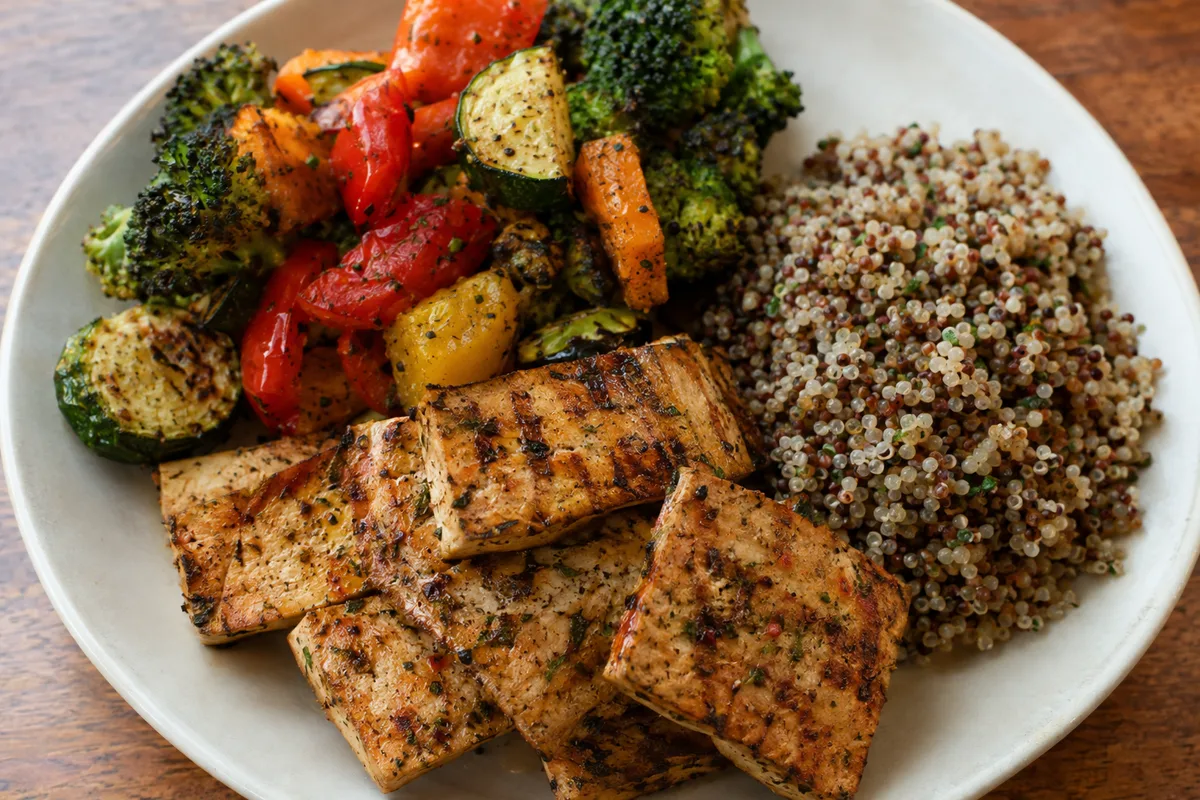
A watch, machine or online calculator can only estimate expenditure. It cannot account perfectly for your movement, effort or individual response. Treat a displayed exercise figure as rough context rather than permission to add the same amount back to your food log.
It is also a myth that energy expenditure stays unchanged when intake or activity changes. Hunger, tiredness and spontaneous movement can shift without being obvious. Looking at patterns over time is therefore more useful than trying to make each day balance exactly.
- Resting energy use
- Energy used to digest food
- Planned exercise
- Walking, standing and household movement
Exercise does not cancel out a meal
Movement contributes to calories out, but it does not turn food into a moral debt that must be repaid. Exercise estimates are uncertain, and the energy used depends on the person, pace, duration and type of movement. Trying to match each meal with a workout can make both eating and activity harder to judge calmly.
A more practical approach is to keep movement reasonably consistent and log food without using exercise as a direct exchange. This makes it easier to notice whether your usual intake fits your usual routine. It also allows movement to serve purposes beyond calorie use, such as enjoyment, strength, mobility and time outdoors.
Rest matters too. Harder or longer activity may change appetite, while a quieter day may alter both hunger and everyday movement. These responses are personal, so your own repeated observations are more useful than a fixed rule.
- Choose movement you can repeat comfortably.
- Avoid treating exercise estimates as exact food credits.
- Notice how different activities affect hunger.
- Consider your weekly routine, not one workout.
Using CICO without making tracking complicated
Start with the food log you already keep and look for repeated patterns. Check whether entries reflect your usual portions, drinks, cooking fats and extras. Make one manageable adjustment at a time so you can understand what changed.
If you want meals to feel more satisfying, adjust their structure rather than focusing only on the final calorie total. You might add a clear protein source, include more vegetables, choose a fibre-rich carbohydrate or reduce an extra that adds little enjoyment. The most useful change depends on your preferences and routine.
Short-term changes in body weight do not show only changes in stored energy. Food in the digestive system, fluid shifts and carbohydrate storage can all affect the reading. Use a longer view, keep your tracking method consistent and revise your estimate when the overall pattern does not match what you expected.
- Review recurring meals before changing everything.
- Keep portions and logging methods consistent.
- Build meals around protein, fibre and foods you enjoy.
- Assess trends over time rather than reacting to one day.
- Adjust gradually based on your own records.