
Coconut oil: useful qualities, everyday uses and what to track
Coconut oil can add flavour, help with cooking and create particular textures in baking. This guide explains its practical benefits, its nutritional limits and how to record it accurately.
What coconut oil brings to food
Coconut oil is a cooking fat made from coconut flesh. Its main benefits are practical: it can add coconut flavour, provide richness and help foods brown during cooking. Refined versions usually taste more neutral, while unrefined or virgin coconut oil tends to have a clearer coconut aroma.

The oil is solid or firm in a cool room and melts as it warms. This change in texture can be useful in recipes that need a firm fat before cooking or a smooth coating after melting. However, the finished result depends on the recipe, room temperature and type of coconut oil used.
- Adds coconut flavour to curries, rice and baked foods
- Helps vegetables and other foods brown during cooking
- Creates a firm texture when chilled
- Melts easily for stirring into sauces or coatings
Understanding its nutritional profile
Coconut oil is almost entirely fat, so it provides concentrated energy. Fat supplies about 9 kcal per gram, although the exact amount you log depends on the serving and the information on the pack. Measuring the amount used is more accurate than recording a general spoonful.
Most of the fat in coconut oil is saturated fat. This means it is not nutritionally interchangeable with oils that contain more unsaturated fat, even when both work in the same recipe. Coconut oil can fit into a varied diet, but using it for every cooking job may crowd out other sources of fat.
- Check the serving size on the label
- Record the amount added before cooking
- Divide shared recipe amounts by the portions actually served
- Track oil used in marinades, coatings and baking mixtures
Cooking with coconut oil
Coconut oil works well for frying, roasting and sautéing at ordinary home-cooking temperatures. Refined coconut oil is often chosen when a milder taste is wanted, while unrefined oil suits dishes where coconut flavour belongs. Avoid letting any cooking oil smoke heavily, as this can create unpleasant flavours.
Start with a measured amount rather than pouring it straight into the pan. Coconut oil becomes liquid quickly in a warm pan, so a small amount may spread further than expected. If food begins to stick, adding a splash of water or lowering the heat may be more useful than immediately adding more oil.
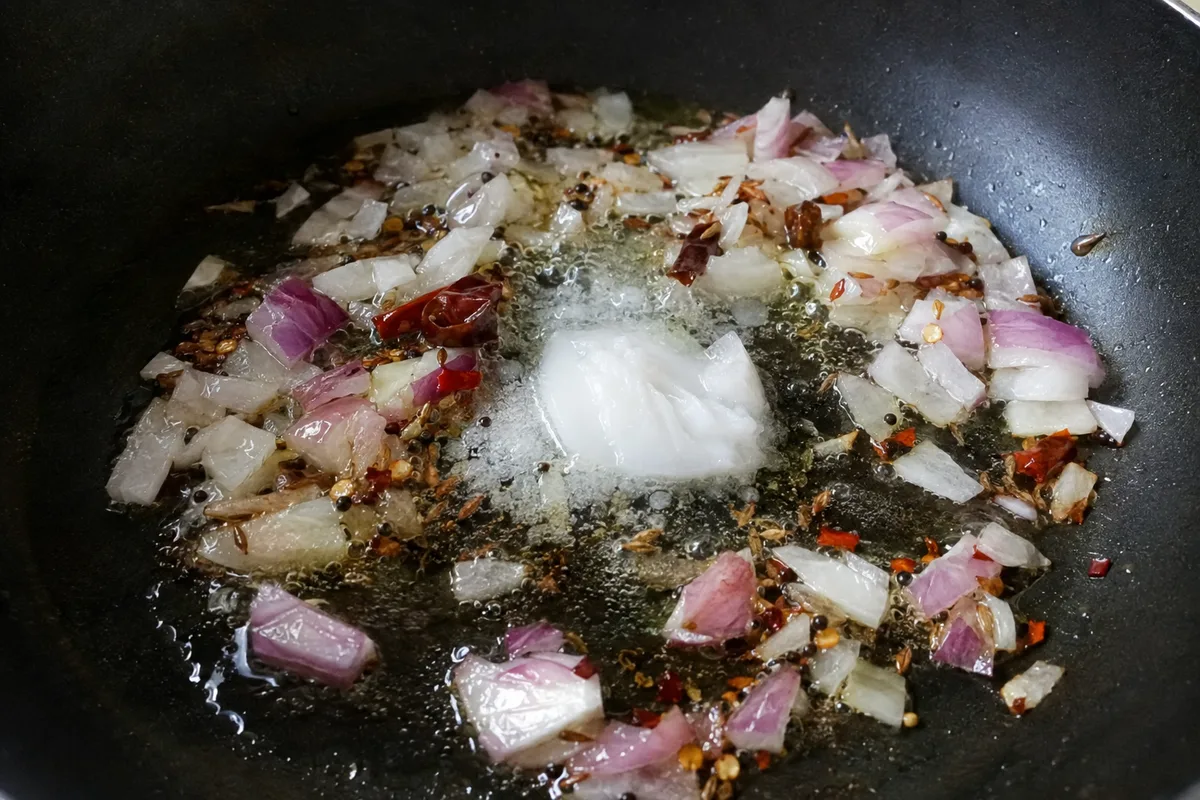
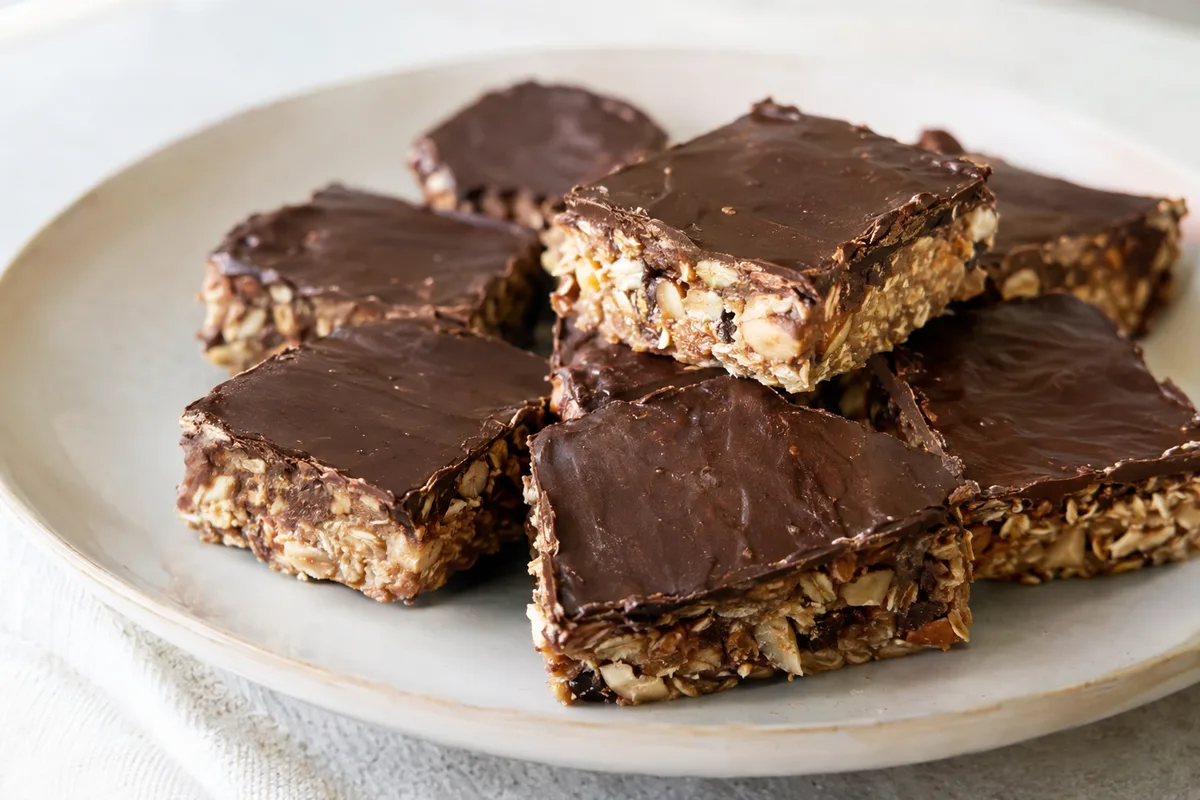
- Sauté onions and spices for a coconut-based curry
- Coat sweet potato pieces lightly before roasting
- Use a measured amount for frying eggs or tofu
- Stir a little into cooked rice when coconut flavour suits the meal
Using it in baking and chilled recipes
In baking, coconut oil can replace another fat in some recipes, but it is not always a direct swap. Its firmness when cool can change how a dough, sponge or filling behaves. The result also depends on whether the recipe calls for melted fat or a soft, aerated fat.
Melted coconut oil can form small hard pieces if it meets cold milk, eggs or yoghurt. Bringing ingredients closer to room temperature can help them combine more evenly. For chilled recipes, remember that coconut oil firms up, which may make a coating or base set harder than expected.
- Use melted coconut oil in recipes designed for liquid fat
- Blend it into oat or nut-based chilled bases
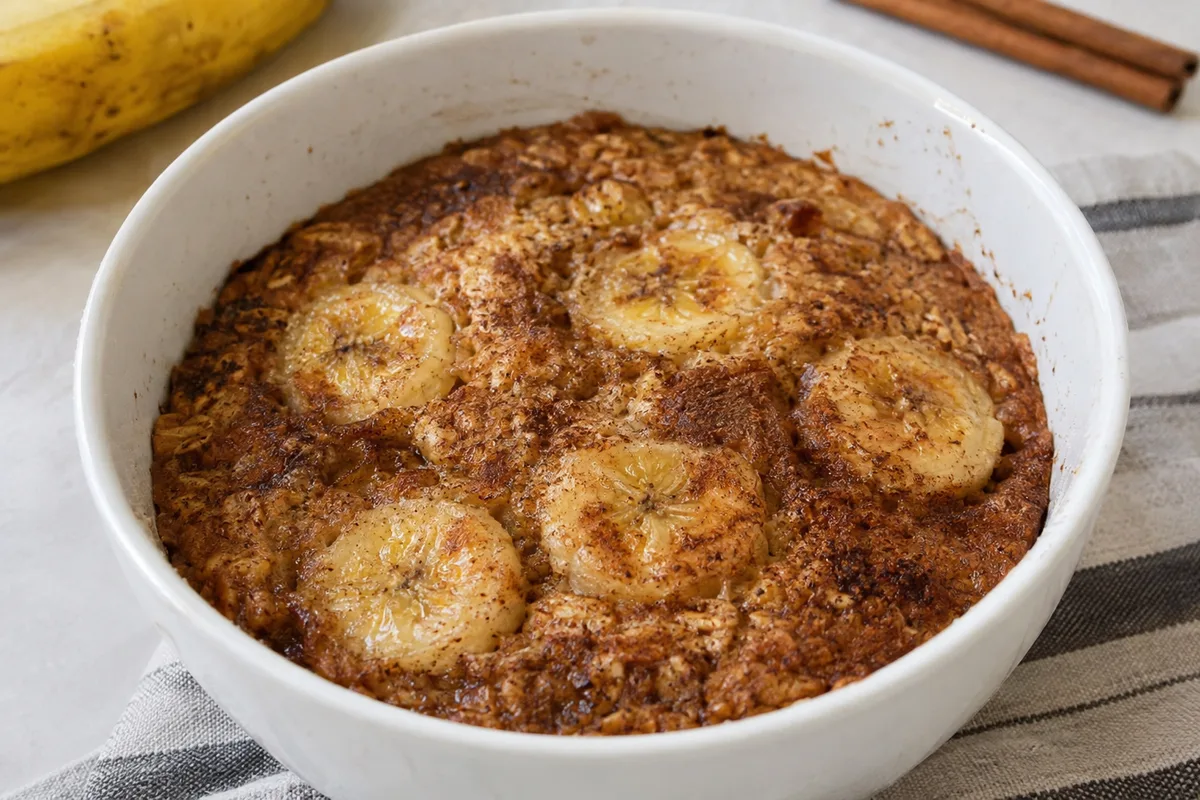
- Add it to chocolate-style coatings that need to firm when cool
- Choose unrefined oil only when coconut flavour suits the bake
Simple swaps and flavour pairings
Coconut oil is most useful when its flavour or texture improves the dish, rather than simply because a recipe needs fat. It pairs naturally with ingredients such as lime, ginger, chilli, cocoa, banana and warming spices. In mild savoury dishes, a neutral oil may allow the other flavours to come through more clearly.
A swap does not automatically make a meal lighter or more nutritious. Replacing butter or another oil with the same amount of coconut oil still adds a concentrated source of energy. When tracking, log the amount used rather than assuming one type of fat cancels out another.
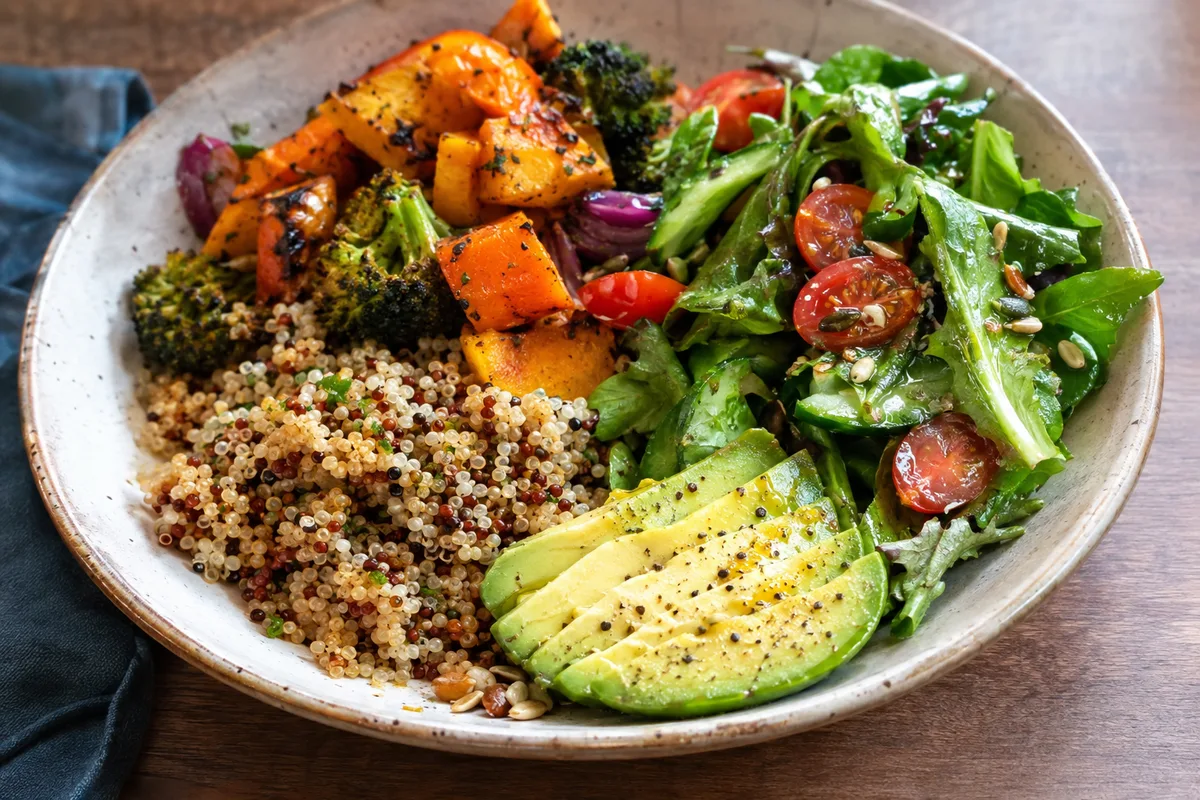
- Use coconut oil with banana and cinnamon in baked oats
- Pair it with lime, ginger and vegetables in a stir-fry
- Combine it with cocoa in a thin chilled coating
- Choose olive or rapeseed oil when coconut flavour would distract from the dish
How to include it thoughtfully
There is no single ideal amount of coconut oil for everyone. The useful amount depends on the rest of your diet, your energy needs, your usual sources of fat and the serving size of the dish. Looking at your food record over several days can give more context than judging one meal.
Treat coconut oil as one option rather than a required ingredient. Rotate it with oils richer in unsaturated fat, and let flavour, cooking method and the whole meal guide your choice. If you often cook from shared pans or batch recipes, save the full oil amount in the recipe and divide it across the portions you actually eat.
- Measure before adding it to a recipe
- Keep serving units consistent in your food log
- Review the balance of fats across several days
- Use it where its coconut flavour or firm texture has a clear purpose